


Fleets running Toyota Crown and Nissan Cedric taxis in Japan have documented powertrains exceeding 600,000 miles without major overhauls. The foundation isn’t exotic lubricants or miracle additives; it’s surgical execution of oil service fundamentals. While extended factory intervals promise convenience, real-world duty cycles demand discipline. These practices transform routine maintenance into preventive insurance, keeping oil clean, contamination minimal, and protective films stable. Skip the marketing; here’s what actually compounds into extreme longevity.
1. Kaizen Drain
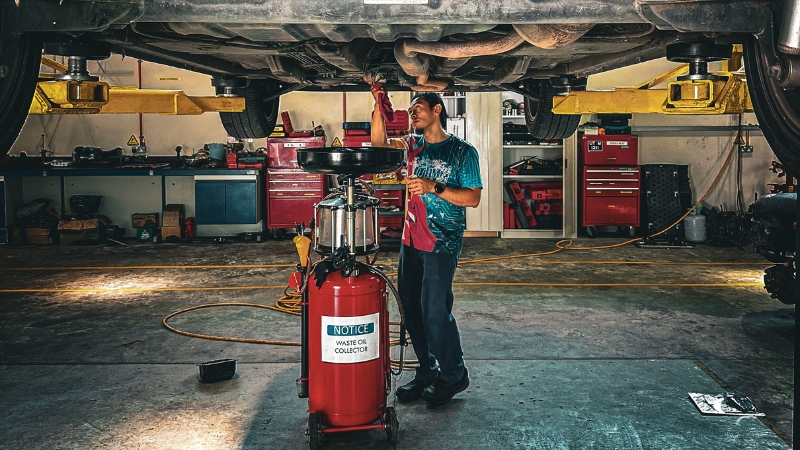
Drain oil only when fully warmed to operating temperature
Draining cold oil leaves contaminated sludge clinging to galleries, valve covers, and pan corners. Cold viscosity traps soot, fuel dilution, and microscopic wear particles exactly where they’ll compromise fresh oil from mile one. The Kaizen approach (borrowed from Toyota Production System waste-elimination philosophy) requires 10–15 minutes of driving before pulling the plug. Warmed oil flows freely, keeping contaminants suspended for maximum removal. Hot drains extract significantly more degraded material than cold starts ever could.
2. Shizuka Wait

Extend drain time 10–20 minutes beyond the initial trickle
Quick-service shops button up drains the moment flow slows. Oil clinging to upper engine components takes time to return to the pan; cutting this short leaves the most contaminated residue behind. Extended drain periods allow gravity to pull fuel-diluted, oxidized oil from timing components and valvetrain passages. Waiting costs nothing but minutes. Rushing traps the worst portion of old oil inside, diluting new lubricant before the first start.
3. Zansai Purge
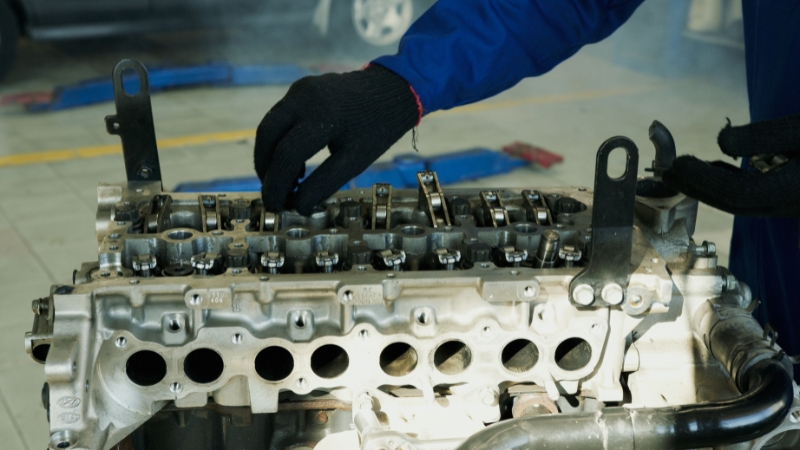
Minimize trapped contaminated oil through systematic technique
No drain removes 100% of used oil. Residual lubricant remains in pump passages, bearing surfaces, and cylinder head galleries, carrying depleted additives and fine metal particles into fresh oil. Combining warm drains, extended wait times, and level parking minimizes this carryover. Some advanced routines add a pre-flush step using inexpensive detergent oil to suspend deposits before the final hot drain. Reducing trapped contamination preserves new oil chemistry from the first cycle.
4. Seizure Flow
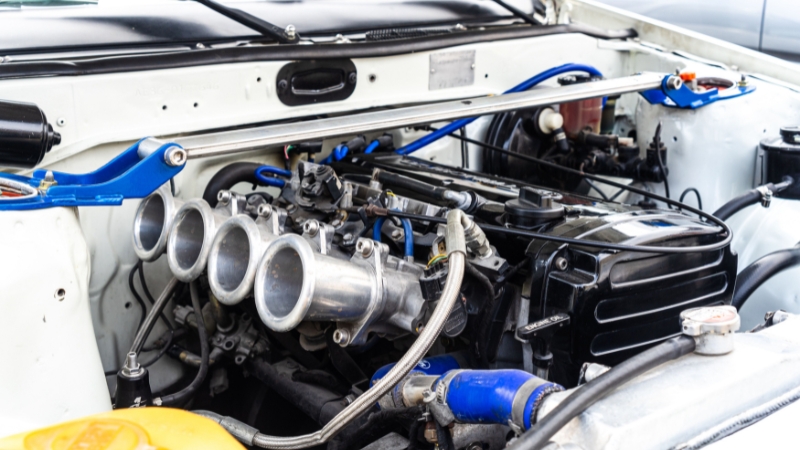
Understand how oil film prevents metal-to-metal contact
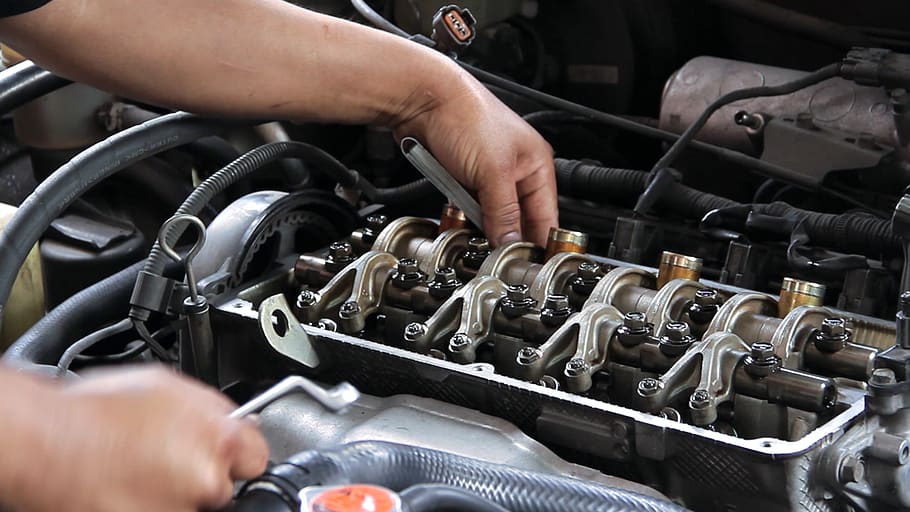
Engine components operate separated by pressurized hydrodynamic films thinner than human hair. When this barrier stays intact, wear remains minimal. Film collapse triggers boundary lubrication, where surface asperities contact directly and microscopic damage accumulates. Major wear occurs during lubrication instability: cold starts, low-pressure moments, degraded oil. Maintaining clean lubricant at correct levels maximizes film stability and minimizes metal contact episodes across the engine’s lifetime.
5. Reido Start Control
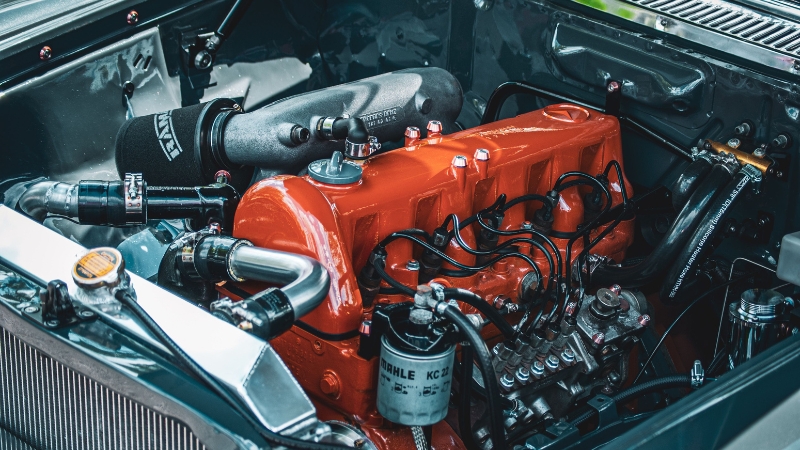
Manage cold-start stress through gentle operation and clean oil
Cold starts generate disproportionate cumulative wear. Thick oil limits flow, pressure builds slowly, and fuel enrichment increases dilution. During this period, components operate closer to direct contact than ideal. Conservative practice emphasizes gentle driving immediately after startup, allowing circulation and temperature rise before high load or RPM. Supporting this with shorter intervals (especially for stop-and-go driving), quality filters, and clean oil reduces cold-start damage multiplication.
6. Filter Kodo
Use OEM-specification filters and change at every service
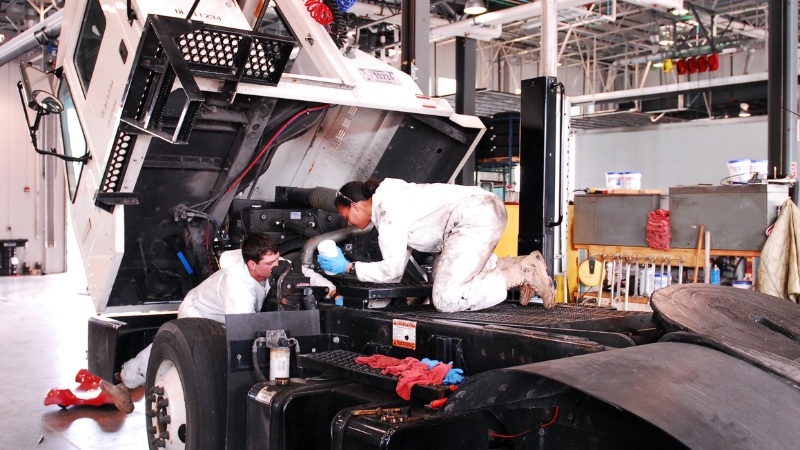
Quality oil filters designed for specific engine platforms deliver three critical functions:
- Efficient particle capture
- Stable flow under all conditions
- Anti-drainback valves that retain oil when the engine stops
Generic aftermarket units often compromise one or more. OEM-spec filters (Toyota Genuine, Denso) match manufacturer tolerances and prevent dry starts by keeping the filter primed. Changing filters at every oil service without exception prevents recontaminating fresh lubricant with trapped debris.
7. Gasket Seal Ritual
Coat new filter gaskets with fresh oil before installation
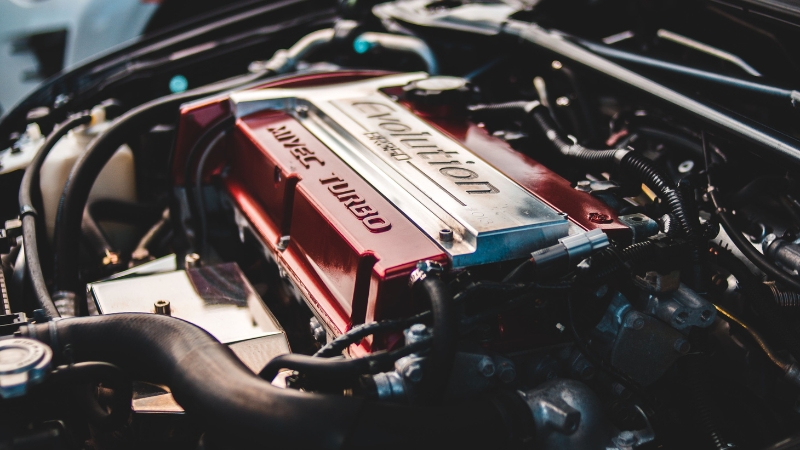
The rubber gasket creates the primary seal between filter and block. Dry gaskets risk tearing, twisting, or leaking. Lightly coating the gasket with fresh oil improves seating, prevents damage during installation, and stops future sticking. Installation torque follows manufacturer specs: typically hand-tight plus a quarter-turn. Over-tightening deforms the gasket; under-tightening causes seepage. Proper sealing maintains consistent oil pressure and prevents gradual level loss.
8. Pre-fill Method
Add oil to new filters when orientation permits
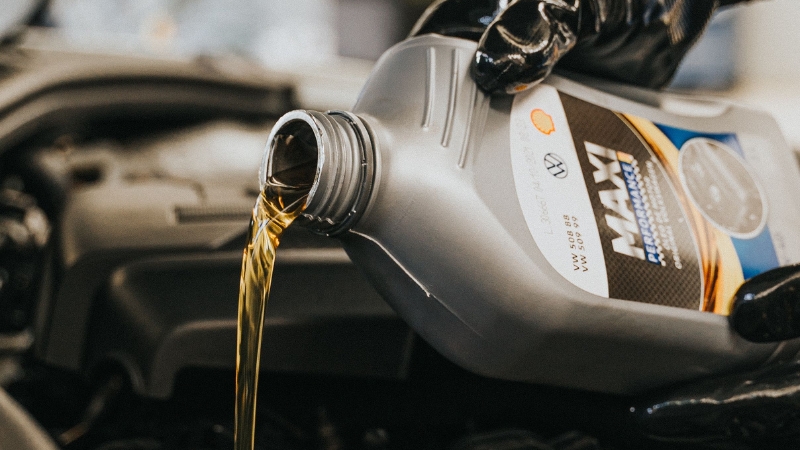
Pre-filling the filter (60–70% capacity for vertical installations) reduces pump strain and dry-running time at first startup after service. An empty filter forces the pump to fill the canister before pressurizing the system, delaying oil delivery to critical components. Partial pre-fill (or none for horizontal/inverted filters) minimizes this gap. When orientation allows, pre-filling oil reaches bearings and galleries faster, cutting initial wear exposure.
9. Taste Refill

Add 80–90% capacity first, pause, then top off accurately
Pouring the full specified volume immediately yields false dipstick readings. Oil needs time to distribute through the filter, galleries, and bearing surfaces before settling in the sump. Adding most of the capacity first, pausing 5 minutes, then checking produces accurate level verification. This staged approach prevents overfilling and integrates a final leak check before starting the engine. Correct initial volume matters more than speed.
10. Overfill Avoidance

Keep oil level strictly within dipstick min–max marks
Overfilling raises the oil pool high enough for crankshaft contact, whipping lubricant into aerated foam. Air bubbles reduce film strength, increase wear, and can cause pump cavitation. Excess volume also stresses seals and crankcase ventilation systems. Dipstick marks define design limits; exceeding them compromises stable lubrication. The “extra for safety” habit trades marginal perceived benefit for real mechanical stress.
11. Interval Honesty

Adjust service timing to actual driving conditions, not optimistic factory claims
Manufacturer intervals (7,500–10,000 miles) assume ideal conditions: highway runs, minimal idling, stable temperatures. Real-world short trips, stop-and-go traffic, and turbocharging accelerate oil degradation, fuel dilution, and additive depletion. Conservative practice adopts shorter intervals for severe service (around 5,000 km/3,000 miles for urban/mixed driving). Oil-life monitors and condition-based schedules align service with actual stress instead of calendar optimism.
12. Shaken Mindset

Mandatory inspection culture drives preventive maintenance habits
Japan’s biennial Shaken (車検) vehicle inspection system enforces strict safety, emissions, and mechanical standards. Compliance costs rise sharply if issues surface during inspection, incentivizing proactive maintenance. This creates a preventive culture where small abnormalities get corrected early. Exported Japanese vehicles often show clean service records and solid mechanical condition well past 150,000 miles, reflecting Shaken-driven maintenance discipline rather than inherent superiority.
13. Kaizen Discipline

Small, consistent improvements compound into extreme longevity
Documented taxi engines exceeding 600,000 miles result from repeatable, standardized procedures executed across hundreds of services. Kaizen philosophy emphasizes incremental process improvement and waste elimination. Applied to maintenance, this becomes careful execution of each small step: correct oil spec and viscosity, timely intervals, proper filter installation, accurate levels, detailed record-keeping. No single service creates longevity. Consistent, correct decisions across years do. Anyone treating maintenance as surgical procedure rather than checkbox task sees the compounding payoff that yields extreme longevity.