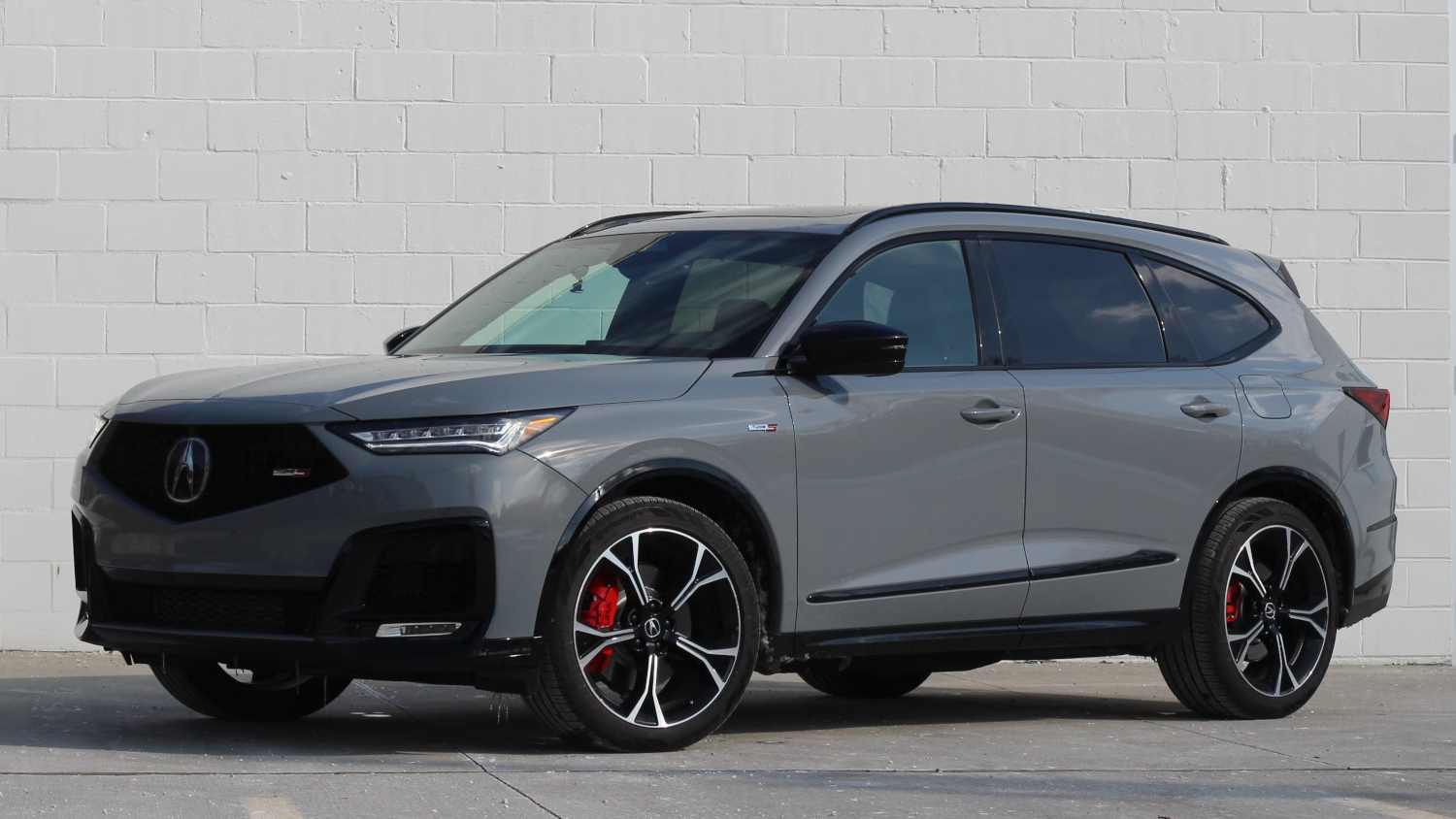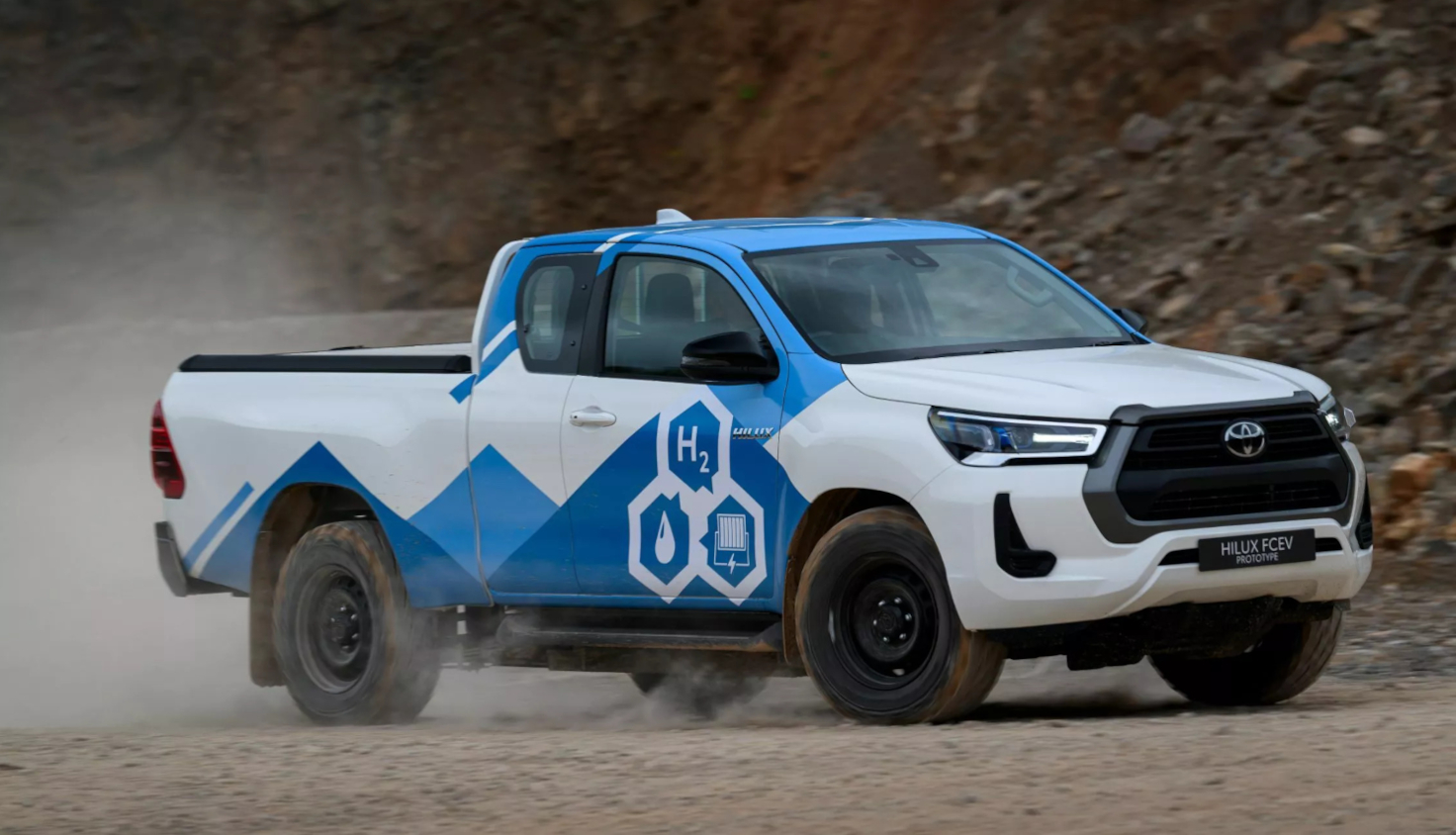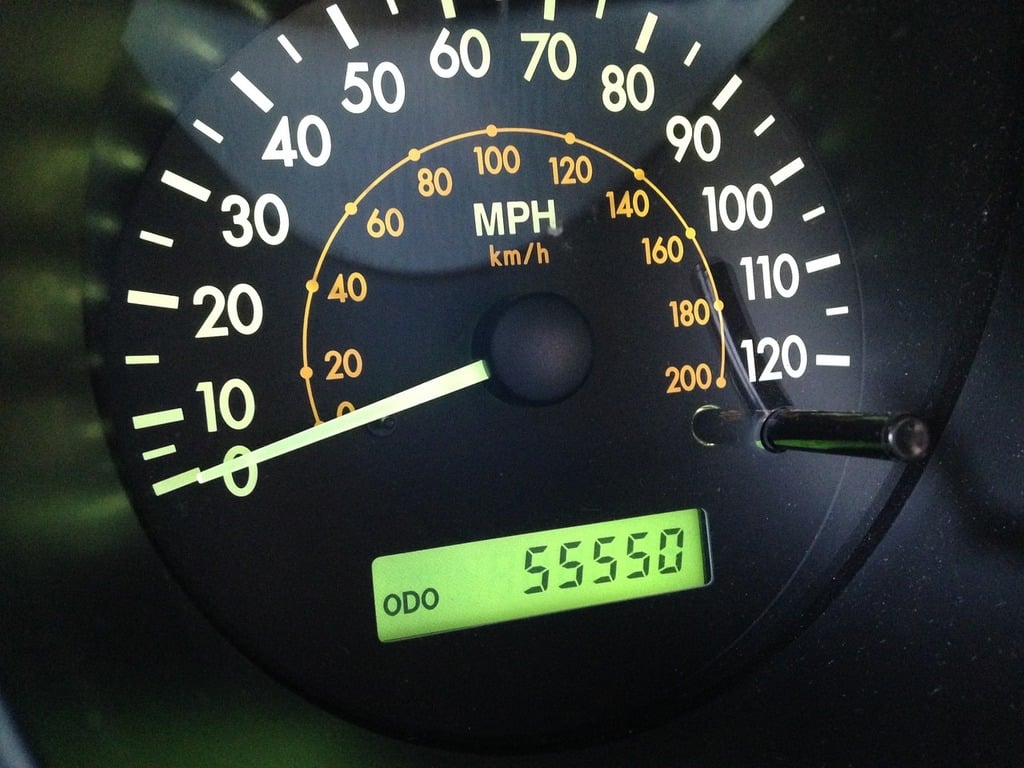


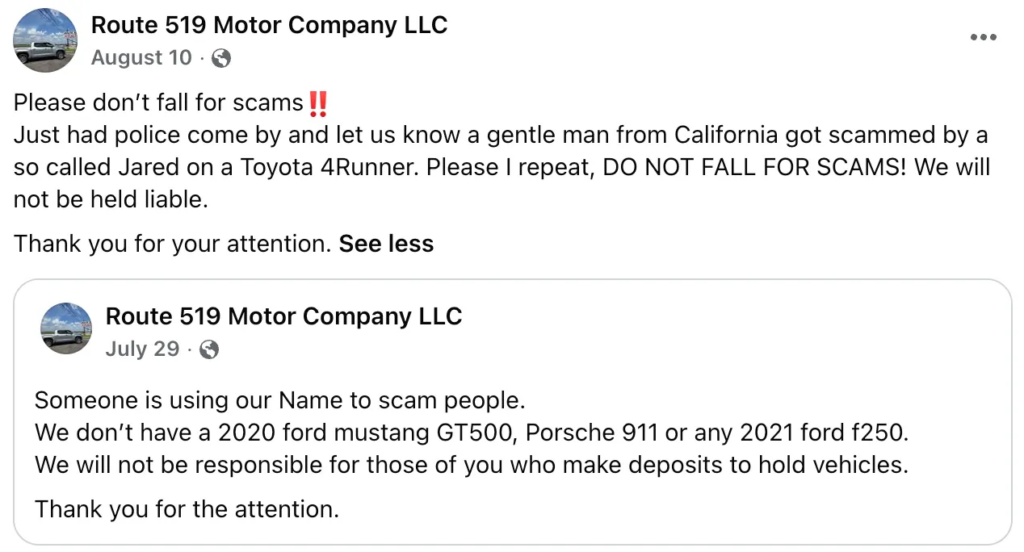
Wil Matthews checked the vehicle identification number on the Toyota 4Runner TRD Pro he found on Facebook Marketplace. His lender — one of the nation’s largest Tier-1 auto credit firms, according to The Drive — checked it independently. Clean both times. The lender wired $36,240 to pay for a car payment for a truck that did not exist, sourced from a dealer called “Route 519 Motor” in Donna, Texas — a pixel-perfect clone of the real “Route 519 Motor Company,” minus one word. The FTC has since confirmed this pattern is widespread: AI-assisted fakery has made fraudulent listings genuinely hard to distinguish from real ones, and Facebook Marketplace has become a primary venue.
The Anatomy of a Perfect Fake
The operation reads like a legitimate dealership because it is one — copied down to the last document, the last voice on the phone.
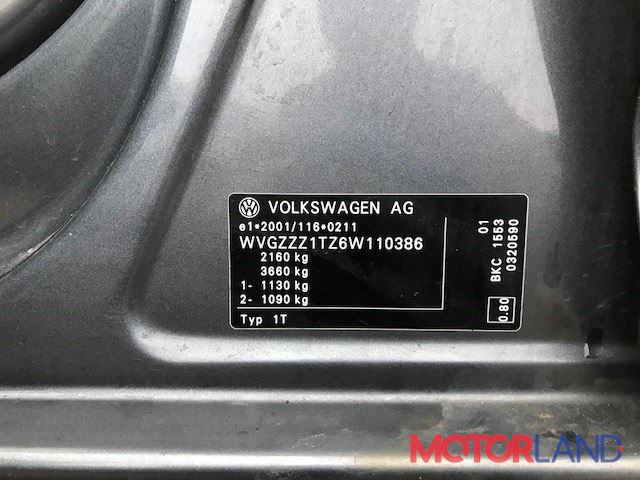
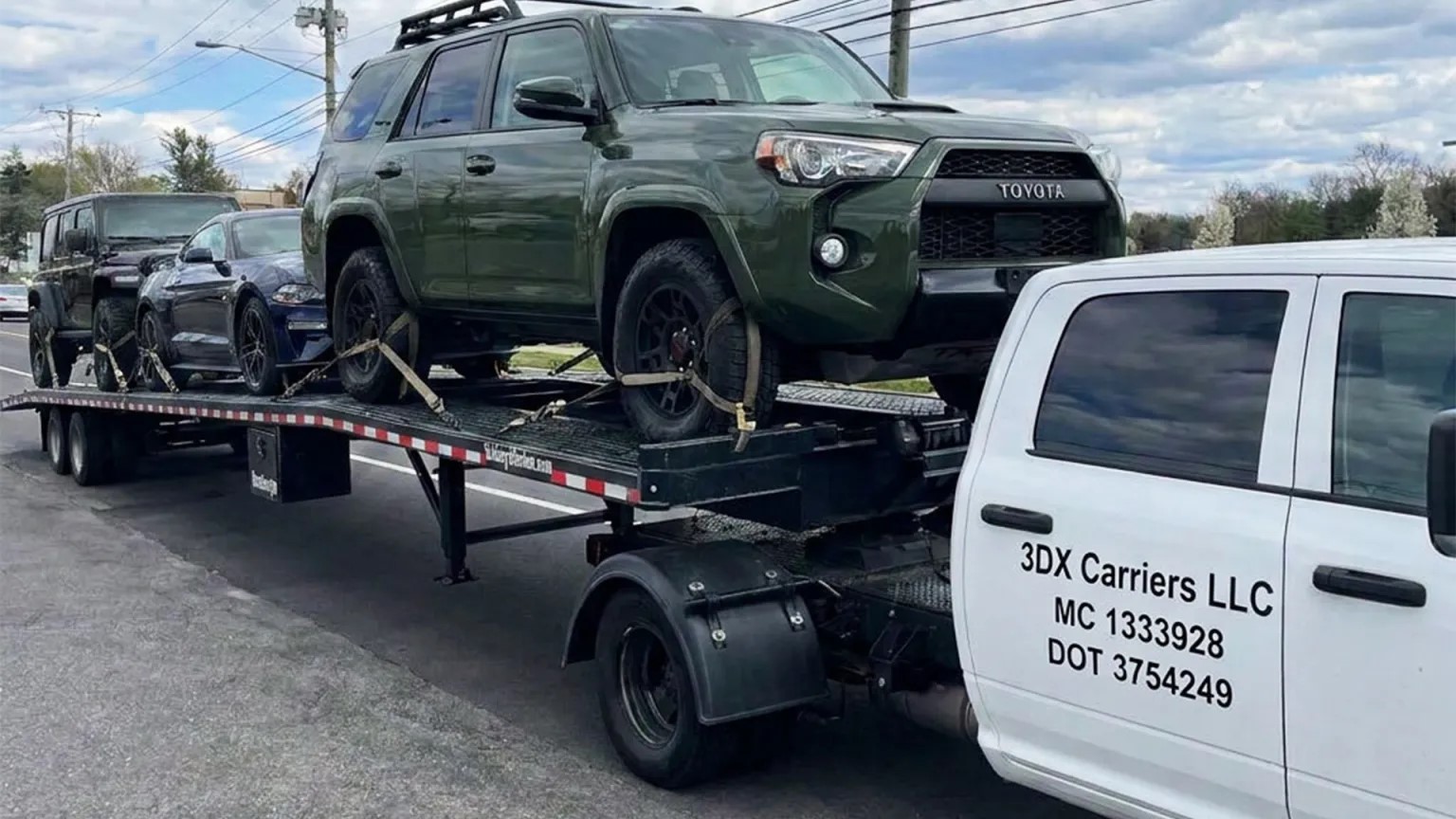
The fraudsters built cloned branding, doctored window stickers, and fabricated dealer license certificates. They provided Matthews with a live GPS tracking portal showing his 4Runner rolling from Texas to California. They sent a photo of the truck on a transport trailer bearing MC and DOT numbers that actually belonged to a completely different company — V&S Group, according to The Drive.
The delivery driver communicated through a computer-altered voice. Calls to the “dealership” rang through a VoIP switchboard, answered from any device, anywhere. This was not a sketchy Craigslist post. It was a greenscreen operation — everything looked real until you examined the edges, and most people never do.
Red Flags Worth Memorizing
- The listing found you via a boosted ad or sponsored Marketplace result, and the dealer’s URL is one character off from the real thing.
- Payment options are wire transfer, Zelle, or crypto only — no credit card, no in-person option.
- The seller refuses a third-party inspection or cannot produce an independently verifiable dealership phone number.
- Realistic photos and a clean VIN no longer guarantee safety — scammers reuse images from legitimate listings paired with valid VINs from other vehicles.
- The Facebook page’s transparency data shows creation and management from abroad; in Matthews’ case, Moldova, while a Tennessee-registered domestic shell company handled the money.
Mass Production on a Backlot
The FTC warns that scammers copy dealer sites “in detail” — logos, listings, testimonials. What makes today’s version different is the speed and scale at which it runs.
“Scammers copy a dealer’s website in detail — logos, vehicle listings, photos, and testimonials,” according to the FTC’s Bureau of Consumer Protection. AI tools now generate staged lot photography and automate buyer conversations with fluent, on-brand copy — closing every gap that once made online fraud easy to spot. The operation that hit Matthews reused the same AI-generated dealership backdrops across multiple fake dealer names — “Route 80 Motors,” “South Side Pawn” — cycling the same scenery like a low-budget production shooting on one backlot. Meta’s platform allowed these listings to run as paid-boosted promotions, ensuring algorithmic reach before anyone flagged them. Affordability pressure around the affordable new car market drives buyers toward risky off-lot purchases where these scams thrive.
How Matthews Got His Money Back – and Why Most Won’t
There is a federal rule that can shift liability back to your lender. Most victims never hear about it until it is too late.
Matthews survived because he documented everything — contracts, communications, screenshots — and immediately invoked the FTC Holder Rule, a regulation that lets consumers hold their lender responsible for the seller’s fraud. His lender waived the loan. Most victims will not know that rule exists. Consumer-law commentary is direct on the backup plan: report immediately to your bank and to ReportFraud.ftc.gov. Speed is the only variable still in your control.
The Infrastructure of Trust Has Been Copied
The FTC issued the alert. Meta published the safety page. The scammers, meanwhile, paid to boost their listings and collected real money for trucks that never moved.
Matthews found dozens of suspicious Marketplace listings in a single browsing session, according to The Drive. The network ran from Moldova through a Tennessee LLC, paid Meta for distribution, and cleared $36,240 before anyone noticed the truck did not exist. Verify the domain independently. Call the dealership using a number you source yourself. Demand a physical inspection. Wire nothing. Buyers seeking safer alternatives should consider reliable cars from vetted sources rather than risking unverified Marketplace deals.