

Jaguar's killing its combustion engines by 2025. No gradual transition. No hybrid halfway measures. Just a full electric leap that would make Lucas Electronics engineers break into cold sweats.
The storied British marque calls this their "Reimagine" strategy. Marketing departments excel at finding palatable words for radical surgery.
They're promising the usual buzzwords: sustainability with luxury, advanced battery systems, innovative charging. The corporate press releases assure us the performance and luxury will remain intact.
We'll reserve judgment until we can mash a throttle pedal ourselves.
Racing DNA or Corporate Greenwashing?
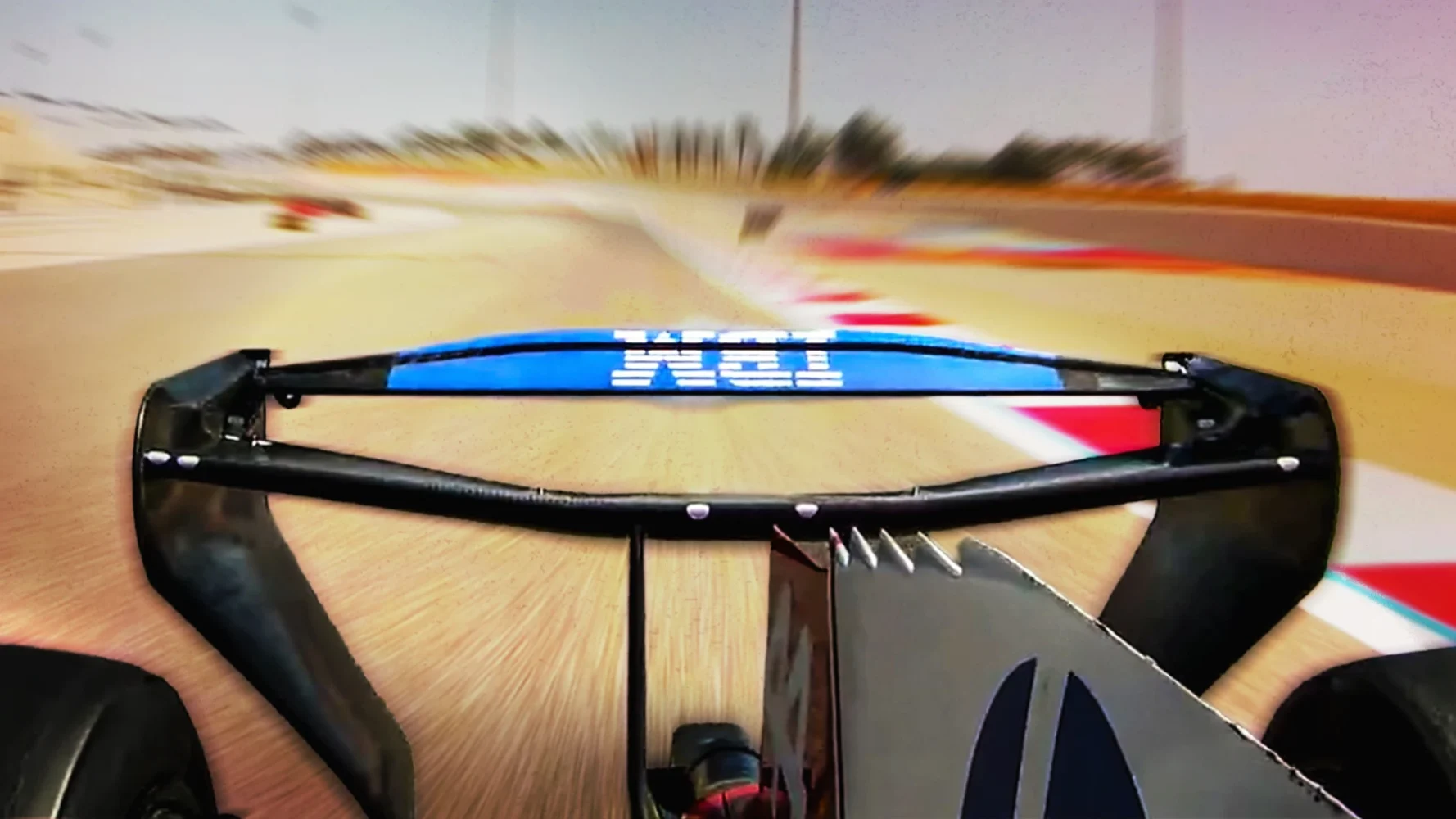
Jaguar's been campaigning in Formula E since the electric racing series began. They claim this influences their road car development.
Racing improves the breed—when the racing actually matters. Formula E remains a spec series with limited technical freedom compared to its fuel-burning counterpart.
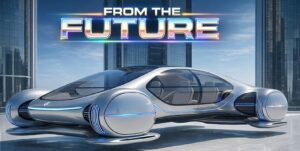
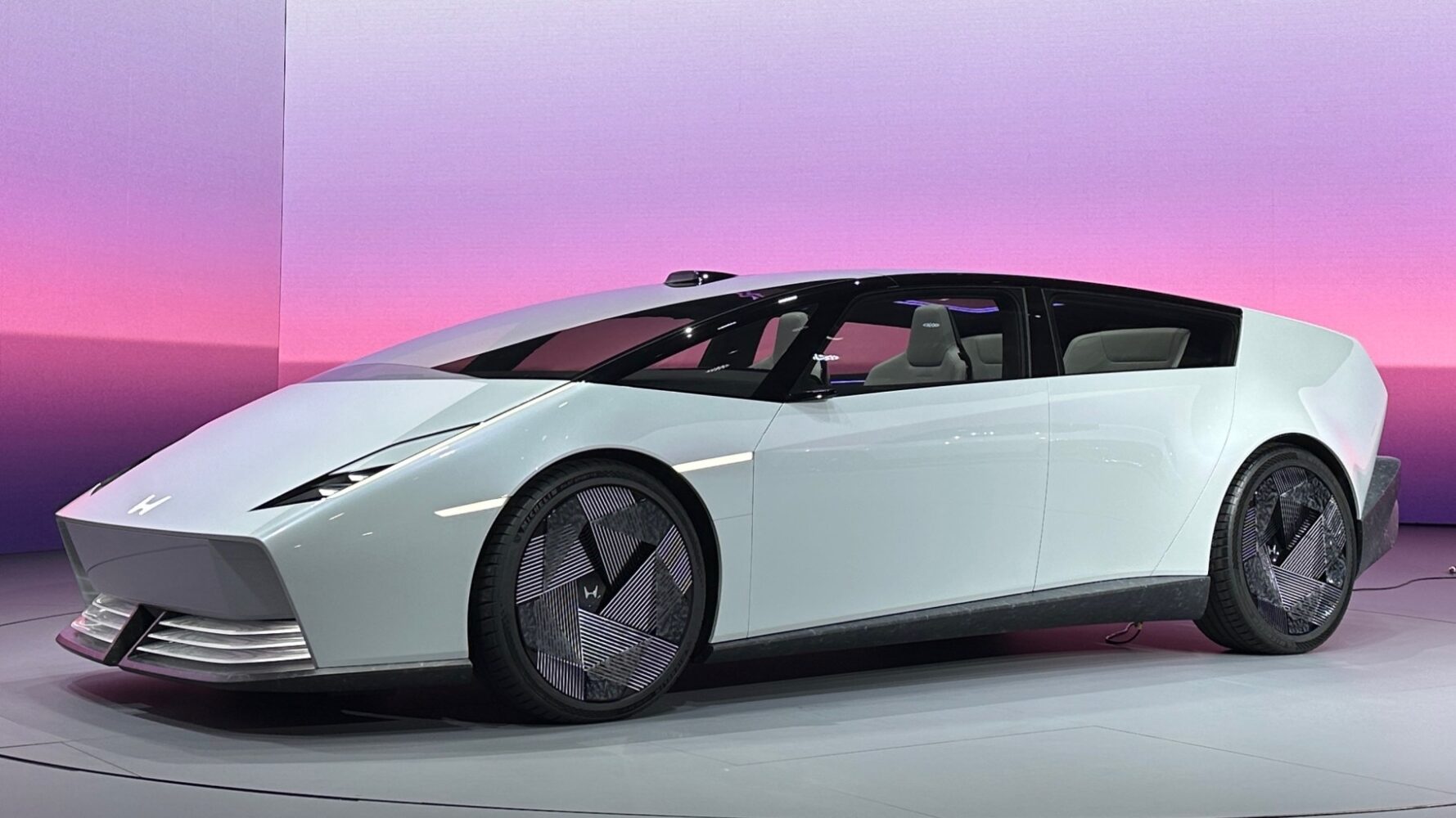
The Type 00 Concept recently broke cover, showcasing what Jaguar thinks electric performance looks like. It features:
- Butterfly doors that scream "concept car never reaching production"
- A rear camera system instead of an actual window
- Minimalist design language that erases most of Jaguar's heritage cues
Concept cars typically arrive packed with features that mysteriously vanish before production. The butterfly doors will likely transform into conventional hinges. The camera system will meet regulatory reality.
Electrification Timeline
Jaguar's 2025 deadline approaches rapidly. The company hasn't released detailed specs on their production-intent vehicles.
The clock ticks. Development cycles for all-new platforms typically span 3-5 years. Jaguar's either keeping their cards exceptionally close or they're scrambling behind closed doors.
Either way, the transformation requires more than concept cars with dramatic doors.
The Performance Question
Electric powertrains deliver instant torque. They can accelerate ferociously. These are facts.
But Jaguars traditionally offered more than straight-line speed. They delivered character, sound, and driving engagement that transcended numbers on a spec sheet.
The company's challenge isn't making fast EVs—it's making EVs that feel like Jaguars.
Formula E participation suggests they understand this challenge. The racing program provides a laboratory for developing power delivery characteristics and handling dynamics that might distinguish their road cars.
The real test will come when enthusiasts can actually drive these vehicles—and determine whether Jaguar successfully translated its soul into electrons.