


So, you’ve finally done it. You’ve imported that dream JDM (Japanese Domestic Market) car you’ve been drooling over for years. Maybe it’s a Skyline GT-R, a Supra, or a sweet little Honda Beat. The hard part is over, right? Wrong! Now comes the real challenge: legally registering your prized possession in the United States. Don’t worry, fellow car enthusiast, this isn’t mission impossible. It just requires patience, research, and a healthy dose of understanding. Many enthusiasts get bogged down in the complexities of federal and state regulations, leaving their dream cars stranded in bureaucratic limbo. This guide is here to help you navigate that maze.
Key Takeaways:
- Understand the federal and state regulations governing imported vehicles.
- Learn the steps involved in modifying your JDM car to meet U.S. safety and emissions standards.
- Gather the necessary documentation for registration.
- Be prepared for potential delays and expenses.
Understanding the Basics of How to Register an Imported JDM Car in the U.S.
Registering an imported JDM car isn’t as simple as walking into your local DMV. The process involves both federal and state regulations. Think of it like this: the federal government sets the broad rules (like emissions and safety), and the states handle the specifics of registration and titling. Key players in this process include:
- The EPA (Environmental Protection Agency): They ensure your car meets U.S. emissions standards.
- The DOT (Department of Transportation): They ensure your car meets U.S. safety standards.
- Registered Importers (RIs): These are companies certified by the DOT to modify vehicles to meet U.S. standards. They’re like specialized mechanics who know the ins and outs of import compliance.
- Independent Commercial Importers (ICIs): Similar to RIs, but they can also import vehicles on behalf of others.
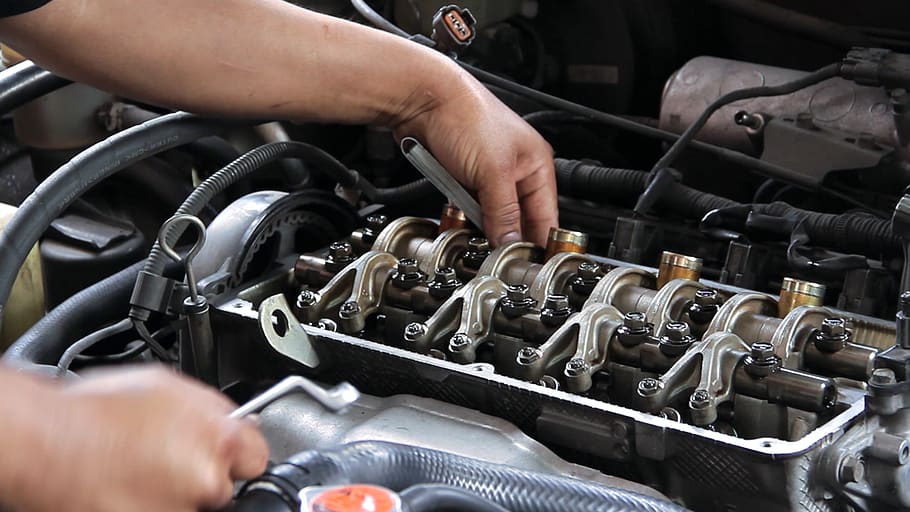
Essentially, if your JDM car wasn’t originally manufactured to meet U.S. standards (and most weren’t), you’ll likely need to modify it. This could involve anything from changing headlights and taillights to installing catalytic converters and modifying the engine control unit (ECU).
Importance and Implications
Why bother with all this hassle? Well, driving an unregistered car is illegal. Period. Beyond that, proper registration ensures your car is safe and compliant with environmental regulations. It also protects your investment. A properly registered car has a higher resale value and is easier to insure. Think of it as doing your civic duty while also protecting your sweet ride. Ignoring these regulations can lead to hefty fines, impoundment of your vehicle, and a major headache down the road.
Practical Applications or Strategies
Here’s a step-by-step guide to navigating the registration process:
- Research: Before you even import the car, research the specific requirements for your state. Some states are more lenient than others.
- Find a Registered Importer (RI): Unless you’re a mechanical wizard with deep pockets and a lot of time, you’ll likely need an RI to modify your car. Get quotes from several RIs and compare their services and prices.
- Modification: The RI will modify your car to meet U.S. standards. This can take weeks or even months, depending on the extent of the modifications required.
- Documentation: Gather all the necessary documentation, including the original Japanese title, bill of sale, EPA Form 3520-1, DOT Form HS-7, and any documentation from the RI regarding the modifications.
- Inspection: Some states require an inspection of the modified vehicle to ensure it meets safety and emissions standards.
- DMV Visit: Finally, head to your local DMV with all your documentation and register your car. Be prepared to pay taxes and fees.
Tips and Pitfalls:
- Don’t cut corners: Trying to bypass the regulations can lead to serious consequences.
- Be patient: The registration process can take time, so don’t get discouraged.
- Keep detailed records: Keep copies of all your documentation.
- Communicate with the RI: Stay in close contact with the RI throughout the modification process.
Expert Insights or Case Studies
I spoke with Kenji, owner of JDM Legends, a shop specializing in JDM car restoration and import. He emphasized the importance of choosing a reputable RI. “We’ve seen cases where people tried to save money by going with a cheaper RI, only to end up with a car that still didn’t meet U.S. standards,” he said. “Do your research and choose an RI with a proven track record.”
He also shared a case study of a Skyline GT-R R34 that they recently imported and registered. The process involved extensive modifications to the emissions system and safety equipment. The total cost of modifications was around $15,000, but Kenji stressed that it was worth it to ensure the car was legally compliant and safe to drive.
Decoding the 25-Year Rule
One of the biggest hurdles for JDM enthusiasts is the 25-year rule. This federal law states that any car older than 25 years is exempt from most federal safety standards. This means you can import a classic JDM car without having to modify it to meet current U.S. safety regulations. However, it’s crucial to remember that state emissions regulations still apply. So, even if your car is over 25 years old, you may still need to make some modifications to meet your state’s emissions standards.
State-Specific Quirks
Navigating the registration process can vary significantly depending on the state. California, for example, has some of the strictest emissions standards in the country. States like Arizona and Florida tend to be more lenient. Before you import a JDM car, research the specific requirements for your state. Some states may require additional inspections or documentation. Knowing these quirks upfront can save you a lot of time and frustration.
Conclusion
Registering an imported JDM car in the U.S. can be a complex process, but it’s not impossible. By understanding the federal and state regulations, working with a reputable RI, and gathering the necessary documentation, you can legally enjoy your dream car on American roads. Remember to be patient, do your research, and don’t cut corners. The reward of driving your JDM masterpiece is well worth the effort.
Frequently Asked Questions:
What is How to Register an Imported JDM Car in the U.S.?
It’s the process of legally registering a vehicle manufactured for the Japanese Domestic Market (JDM) in the United States, ensuring it meets both federal and state safety and emissions standards.
Why is How to Register an Imported JDM Car in the U.S. important for Car import lovers?
It ensures they can legally drive their imported JDM car, protects their investment, and ensures the vehicle is safe and compliant with environmental regulations.
How can I apply the concepts of How to Register an Imported JDM Car in my context?
Research your state’s specific requirements, find a reputable Registered Importer (RI), gather all necessary documentation, and be prepared for potential delays and expenses.
Where can I learn more about How to Register an Imported JDM Car in the U.S.?
The EPA and DOT websites are good resources. Also, online forums dedicated to JDM cars can provide valuable information and connect you with other enthusiasts who have gone through the process.