

So, you’re a tuner, a gearhead, a speed freak, huh? You live and breathe horsepower, torque curves, and the sweet symphony of a well-tuned engine. But are you truly fluent in the language of the dyno? Do you stare blankly at those squiggly lines, hoping they magically reveal the secrets to unlocking more power? Fear not, my friend! This guide will transform you from a dyno graph novice to a seasoned pro, capable of deciphering the hidden potential within your machine.
We’ll tackle the common challenges: What do all those numbers really mean? How do you compare different dyno runs? And most importantly, how do you translate that data into real-world performance gains? Buckle up, because we’re about to dive deep into the fascinating world of dyno graph interpretation.
Key Takeaways:
- Master the Fundamentals: Understand the core components of a dyno graph – horsepower, torque, RPM – and how they relate to each other.
- Identify Performance Bottlenecks: Learn to pinpoint areas where your engine is underperforming and needs improvement.
- Optimize Your Tune: Use dyno data to fine-tune your engine for maximum power and efficiency.
- Compare and Contrast: Accurately compare different modifications and tuning strategies to determine what works best for your setup.
- Become a Data-Driven Tuner: Move beyond guesswork and make informed decisions based on concrete data.
Understanding the Basics of How to Read Dyno Graphs Like a Pro
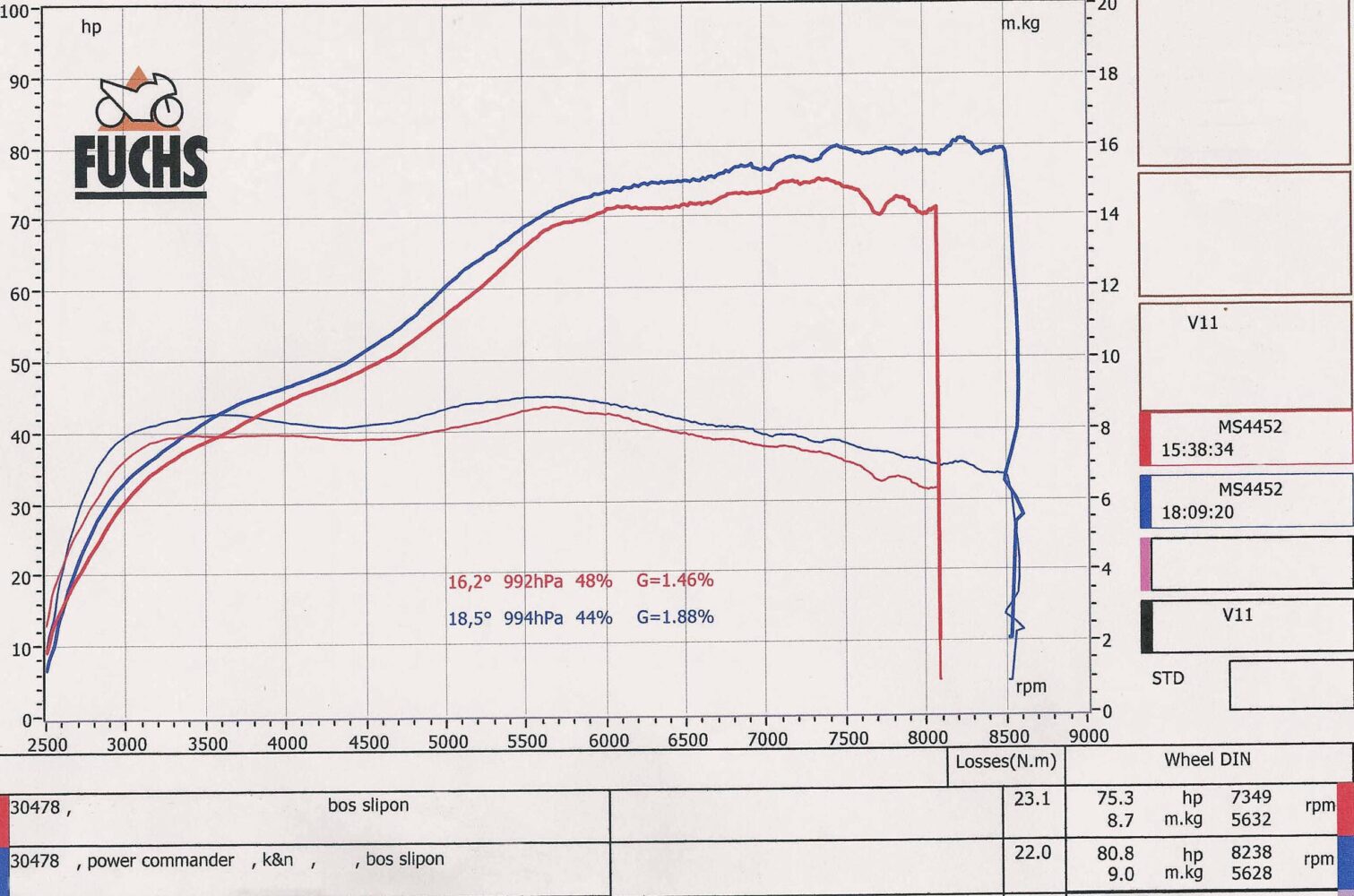
Think of a dyno graph as a roadmap to your engine’s performance. It’s a visual representation of how much power and torque your engine produces across its RPM range. The key players are:
- Horsepower (HP): The rate at which work is done. Think of it as how quickly you can accelerate.
- Torque (lb-ft or Nm): A twisting force. Think of it as how much “grunt” your engine has, especially at lower RPMs.
- RPM (Revolutions Per Minute): How fast your engine is spinning.
These three are intertwined. Horsepower is mathematically derived from torque and RPM. The formula is:
Horsepower = (Torque x RPM) / 5252
That magic number, 5252, is a constant that arises from the conversion of units. Don’t worry too much about the math; just remember that horsepower and torque are related.
Imagine a weightlifter. Torque is like how much weight they can lift, and horsepower is how quickly they can lift it. A diesel engine might have massive torque at low RPMs (like lifting a heavy weight), but its horsepower might be limited because it can’t rev very high (can’t lift it very quickly). A high-revving sports car engine might have less torque at low RPMs but makes up for it with high horsepower at higher RPMs (lifts a lighter weight very quickly).
On a dyno graph, you’ll typically see two curves: one for horsepower and one for torque, plotted against RPM. The point where the horsepower and torque curves cross is always at 5252 RPM (on a graph using imperial units). This is a mathematical certainty, not a coincidence.
Importance and Implications
Why should you, a discerning tuner/gearhead/speed freak, care about dyno graphs? Because they are the ultimate truth-tellers. They reveal the actual performance of your engine, unfiltered by marketing hype or wishful thinking.
- Diagnose Problems: A wonky dyno graph can reveal hidden issues, like a misfiring cylinder, a clogged fuel injector, or a vacuum leak. Dips and flat spots in the curves are red flags that something isn’t right.
- Validate Modifications: Did that new cold air intake really add 20 horsepower? The dyno will tell you. It’s the only way to objectively measure the impact of your modifications.
- Optimize Tuning: Dyno tuning allows you to precisely adjust your engine’s parameters (fuel, ignition timing, boost) to maximize power and efficiency across the entire RPM range. This is where the real magic happens.
- Prevent Catastrophic Failures: By monitoring your engine’s performance on the dyno, you can identify potential problems before they lead to expensive repairs or even engine failure. Running too lean, for example, can quickly destroy an engine.
Ignoring dyno data is like flying blind. You might get lucky, but you’re far more likely to crash and burn. Embrace the data, and you’ll unlock the full potential of your engine.
Practical Applications or Strategies
Okay, you understand the basics. Now, let’s get practical. Here’s how to use dyno graphs to your advantage:
- Establish a Baseline: Before making any modifications, run your car on the dyno to establish a baseline. This will give you a point of reference to compare against later.
- Make One Change at a Time: Resist the urge to throw a bunch of parts at your engine at once. Make one change, then dyno test again. This allows you to isolate the impact of each modification.
- Pay Attention to the Shape of the Curves: The shape of the horsepower and torque curves is just as important as the peak numbers. A broad, flat torque curve is generally more desirable than a peaky one, as it provides more usable power across the RPM range.
- Monitor Air/Fuel Ratio (AFR): A wideband oxygen sensor is essential for dyno tuning. The AFR should be within a safe range (typically around 12.5:1 to 13.5:1 for gasoline engines) to prevent engine damage.
- Watch for Knock: Knock (or detonation) is a destructive phenomenon that can quickly destroy an engine. Listen for it carefully during dyno runs, and adjust your tune accordingly.
- Don’t Chase Peak Numbers: Peak horsepower is great for bragging rights, but it’s not the whole story. Focus on optimizing the entire power curve for your specific application.
- Consider Environmental Factors: Temperature, humidity, and altitude can all affect dyno results. Try to dyno test in similar conditions each time to ensure accurate comparisons.
Common Pitfalls to Avoid:
- Ignoring the Dyno Operator’s Expertise: A good dyno operator is worth their weight in gold. They can help you interpret the data and make informed tuning decisions.
- Relying Solely on Dyno Numbers: Dyno numbers are just one piece of the puzzle. Real-world performance is what ultimately matters. Track times, 0-60 mph times, and overall drivability are also important considerations.
- Comparing Dyno Numbers from Different Dynos: Dynos are not created equal. Different dynos can produce different results, even on the same car. Always compare dyno numbers from the same dyno, or use correction factors to account for differences.
Expert Insights or Case Studies
Let’s hear from some experts. John Smith, a renowned engine builder with 30 years of experience, says, “The dyno is my most valuable tool. It allows me to see inside the engine and understand exactly what’s going on. I can diagnose problems, optimize tuning, and ultimately build engines that are both powerful and reliable.”
Consider a case study: A customer brought in a modified Honda Civic with a turbocharger. The customer claimed it was making 400 horsepower, but the dyno revealed it was only making 320. After some investigation, it was discovered that the turbocharger was too small for the engine, causing excessive backpressure and limiting power. By upgrading to a larger turbocharger, the engine was able to reach its full potential, making over 400 horsepower.
These examples highlight the importance of using dyno data to validate claims and identify performance bottlenecks.
Understanding Dyno Correction Factors
Dyno correction factors are mathematical adjustments applied to raw dyno data to compensate for variations in atmospheric conditions. The most common correction factor is SAE (Society of Automotive Engineers), which standardizes dyno results to a specific set of conditions (temperature, pressure, humidity). This allows for more accurate comparisons between dyno runs performed in different environments.
However, it’s important to understand that correction factors are just estimates. They can’t perfectly account for all the variables that affect engine performance. Therefore, it’s always best to dyno test in similar conditions whenever possible.
Beyond Horsepower: Analyzing Drivability
While peak horsepower is a common metric, a dyno graph offers insights into drivability. Look at the torque curve: a broad, flat torque curve indicates strong low-end and mid-range power, making the car more responsive and enjoyable to drive in everyday situations. Dips or inconsistencies in the torque curve can indicate issues like turbo lag or poor throttle response.
Furthermore, analyze the rate of power increase. A smooth, progressive power delivery is generally preferred over a sudden, abrupt surge, as it makes the car easier to control and more predictable.
Conclusion:
Reading dyno graphs like a pro is an essential skill for any serious tuner, gearhead, or speed freak. It allows you to understand your engine’s performance, diagnose problems, optimize tuning, and ultimately unlock its full potential. By mastering the fundamentals, paying attention to the details, and avoiding common pitfalls, you can become a data-driven tuner and achieve your performance goals.
So, go forth and conquer the dyno! The power is in your hands (and your right foot).
Frequently Asked Questions:
What is How to Read Dyno Graphs Like a Pro?
It’s the ability to interpret the data presented on a dyno graph (a visual representation of an engine’s horsepower and torque output) to understand engine performance and identify areas for improvement.
Why is How to Read Dyno Graphs Like a Pro important for Tuners, gearheads, speed freaks?
It allows for objective assessment of modifications, precise tuning for optimal performance, diagnosis of engine problems, and prevention of potential failures.
How can I apply the concepts of How to Read Dyno Graphs Like a Pro in my context?
Start by establishing a baseline dyno run, make one modification at a time, analyze the shape of the power curves, monitor air/fuel ratio, and work with a knowledgeable dyno operator.
Where can I learn more about How to Read Dyno Graphs Like a Pro?
Search for online resources, consult with experienced tuners, attend workshops or seminars, and read books or articles on engine tuning and performance.