

Ever sat in your car, engine running, waiting for someone or something, and wondered just how much fuel you’re burning? You’re not alone! Idling is a common practice, but it’s often misunderstood. Many believe it’s negligible, while others suspect it’s a gas-guzzling monster. This article will demystify the truth about idling, providing you with the knowledge to make informed decisions and save fuel (and money!). We’ll tackle the common misconceptions and give you practical tips to minimize your idling footprint.
Key Takeaways:
- Idling wastes fuel and contributes to pollution, more than you might think.
- Modern engines don’t need to idle to warm up; driving is more efficient.
- Reducing idling saves you money and helps the environment.
- Simple changes in your routine can significantly decrease your idling time.
Understanding the Basics of How Much Gas Do You Use Idling
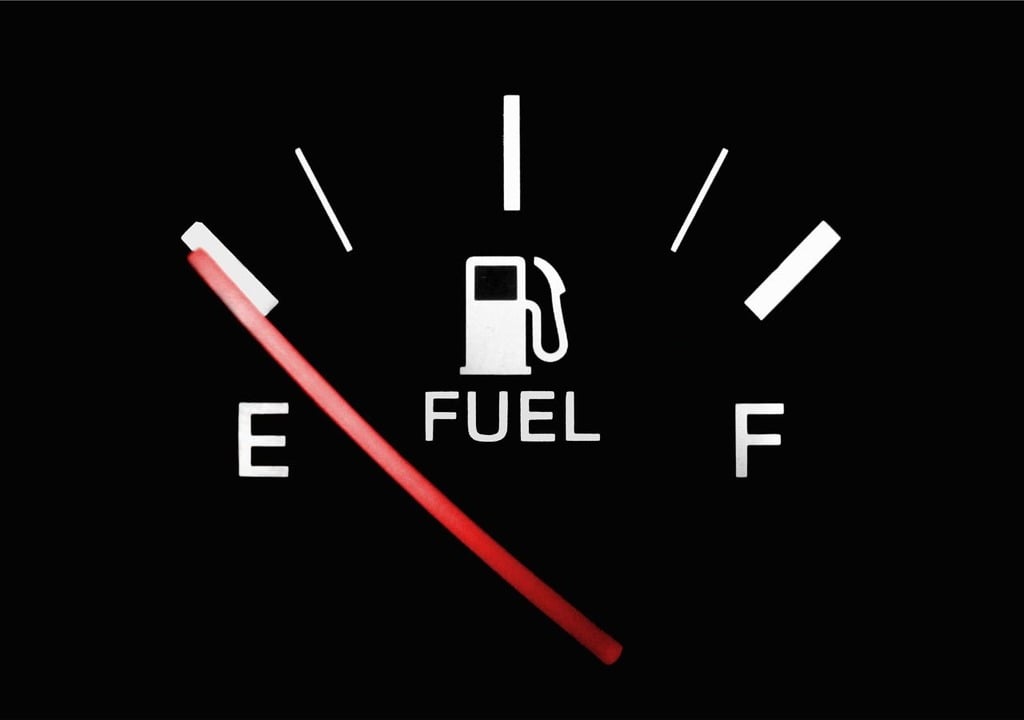
Let’s break it down. Idling is when your engine is running, but your vehicle isn’t moving. It’s like a hamster on a wheel – expending energy but going nowhere. The amount of fuel consumed while idling varies depending on the engine size, type, and vehicle age. However, a general rule of thumb is that a typical passenger car consumes about 0.2 to 1 gallon of fuel per hour of idling. Think of it this way: that’s like pouring a cup of coffee down the drain every hour you sit still with the engine on!
Older vehicles, especially those with carburetors, tend to waste more fuel while idling compared to modern fuel-injected engines. This is because carburetors aren’t as precise in controlling the air-fuel mixture at low engine speeds.
Importance and Implications
Why should you care about how much gas you use idling? The implications are threefold: financial, environmental, and mechanical.
- Financial: Wasted fuel translates directly to wasted money. Over time, even small amounts of idling can add up to significant expenses.
- Environmental: Idling contributes to air pollution, releasing harmful emissions like carbon monoxide, nitrogen oxides, and particulate matter. These pollutants contribute to smog, respiratory problems, and climate change.
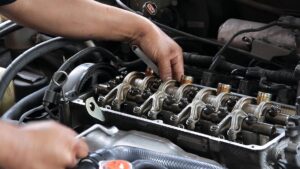
- Mechanical: Prolonged idling can lead to carbon buildup in your engine, potentially affecting its performance and longevity. It can also shorten the lifespan of components like spark plugs and exhaust systems.
Practical Applications or Strategies
Here’s the good news: reducing idling is easy and effective. Here are some practical tips:
- Avoid unnecessary idling: If you’re going to be stopped for more than 10 seconds, turn off your engine. Restarting uses less fuel than idling for extended periods.
- Plan your routes: Minimize stops and traffic congestion to reduce idling time.
- Warm up your engine by driving: Modern engines don’t need to idle to warm up. Start driving gently, and your engine will reach its optimal operating temperature much faster and more efficiently.
- Use public transportation, walk, or bike: Whenever possible, opt for alternative modes of transportation to reduce your overall vehicle usage.
- Be mindful in drive-thrus and parking lots: Turn off your engine while waiting in line or searching for a parking spot.
Common Pitfalls to Avoid:
- Believing the myth that restarting your engine wears it out faster: Modern starters are designed for frequent use, and the fuel saved by turning off your engine far outweighs any potential wear and tear.
- Idling to keep the AC running: While it’s tempting to idle on a hot day, consider parking in the shade or opening windows instead. If you must idle, try to minimize the time.
Expert Insights or Case Studies
Numerous studies have demonstrated the significant impact of idling on fuel consumption and emissions. For example, the U.S. Department of Energy estimates that idling wastes approximately 6 billion gallons of fuel annually in the United States alone. This translates to billions of dollars in wasted fuel costs and millions of tons of greenhouse gas emissions.
Fleet management companies have also implemented anti-idling policies and technologies to reduce fuel consumption and improve their bottom line. These strategies often involve driver training, idle-reduction devices, and real-time monitoring of vehicle idling time.
The Impact of Remote Starters
Remote starters are a popular convenience, especially in colder climates. However, they can also contribute to unnecessary idling. While it’s nice to warm up your car before getting in, consider the environmental and financial costs. Use remote starters judiciously and avoid letting your car idle for extended periods.
Idling and Hybrid/Electric Vehicles
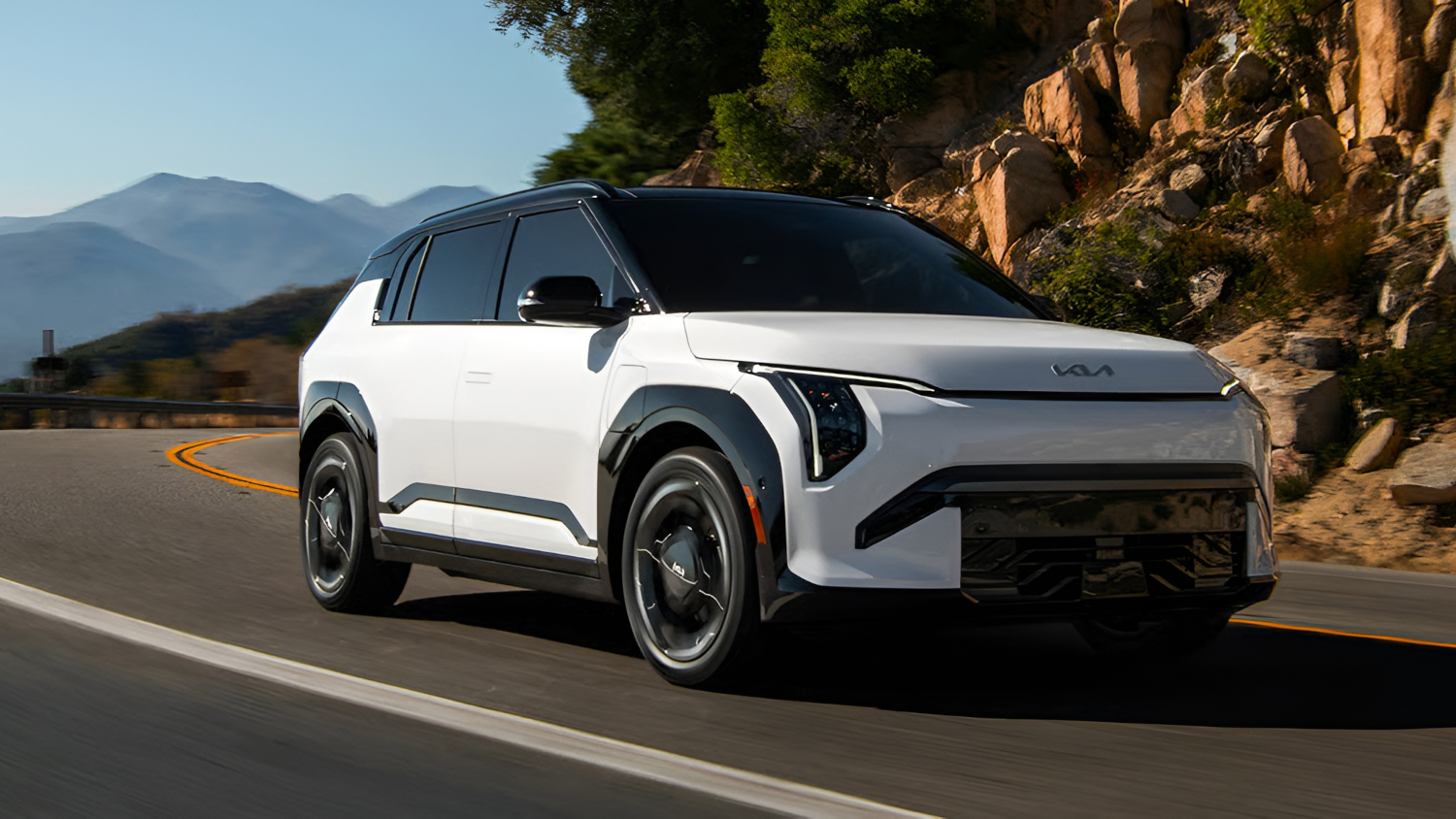
Hybrid and electric vehicles (EVs) offer a significant advantage when it comes to idling. Hybrids often shut off their gasoline engine when stopped, relying on the electric motor to maintain power. EVs, of course, produce zero emissions while idling since they don’t have an internal combustion engine. If you’re concerned about idling, consider switching to a hybrid or EV.
Conclusion:
Idling might seem insignificant, but it’s a habit that can have a substantial impact on your wallet, the environment, and even your vehicle’s health. By understanding the basics of how much gas you use idling and implementing simple strategies to reduce it, you can save money, reduce pollution, and contribute to a more sustainable future. So, next time you’re tempted to idle, remember the key takeaways from this article and make the conscious choice to turn off your engine.
Frequently Asked Questions:
What is how much gas do you use idling?
Idling refers to running your vehicle’s engine while the vehicle is stationary.
Why is how much gas do you use idling important for Everyone?
It’s important because idling wastes fuel, costs money, pollutes the air, and can potentially damage your engine.
How can I apply the concepts of how much gas do you use idling in my context?
Be mindful of your idling habits, turn off your engine when stopped for more than 10 seconds, plan your routes to minimize stops, and warm up your engine by driving gently.
Where can I learn more about how much gas do you use idling?
You can find more information on government websites like the EPA and the Department of Energy, as well as automotive news sites and consumer reports.