

Preservation of automotive legends requires more than good intentions—it demands corporate commitment backed by real resources. Honda’s announcement to supply new parts for the original NSX starting Spring 2026 proves the company finally understands what enthusiasts have been demanding for years. You can’t maintain a supercar legacy when owners are forced to scavenge parts from salvage yards or pay astronomical prices for used components.
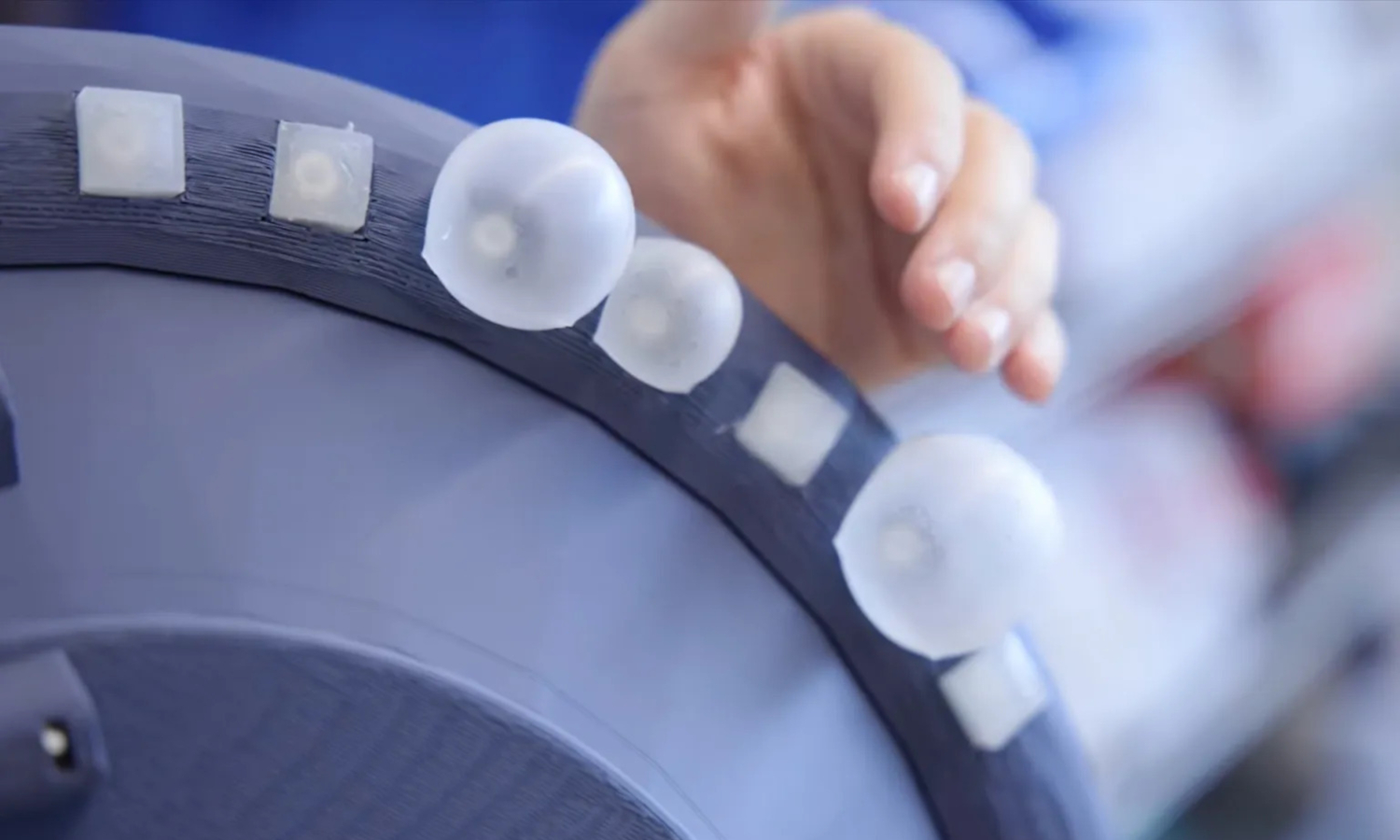
Manufacturing these replacement parts presents Honda with the same challenge Netflix faced when it decided to revive beloved shows—how do you recreate something authentic without the original infrastructure? The Japanese automaker’s solution involves “genuine compatible parts” produced through 3D printing, remanufacturing, and partnerships with approved suppliers. These aren’t strictly OEM components, but Honda-approved alternatives that meet their quality standards without requiring traditional production runs.
Targeting the first-generation NSX specifically makes perfect sense from business and cultural perspectives. Between 1990 and 2005, this wasn’t just Japan’s first supercar—it was the machine that forced Ferrari and Porsche to completely reconsider their approach to performance engineering. Modern hypercars still chase the balance Honda achieved with the original NSX’s naturally aspirated V6 and aluminum construction.
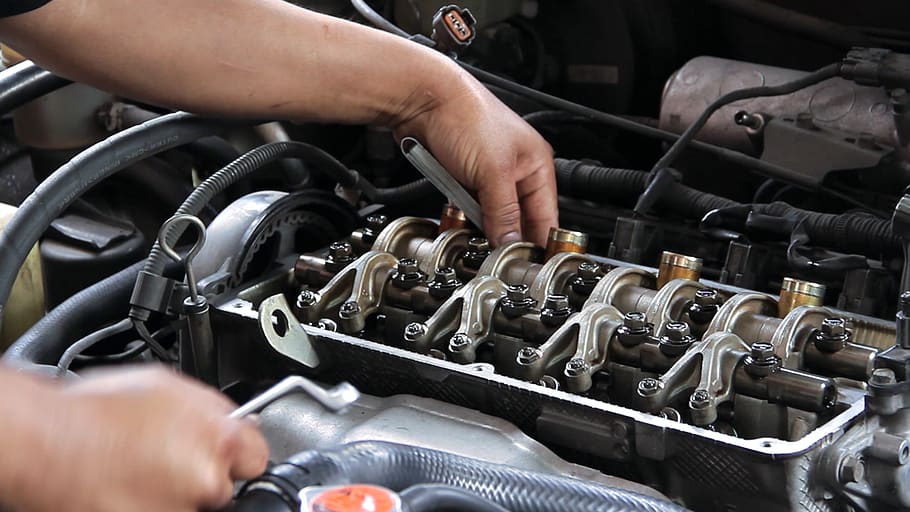
Challenges remain regarding which components Honda will prioritize and how pricing will compare to existing aftermarket options. Complex electrical systems, specialized interior trim pieces, and engine internals represent the most critical shortage areas for NSX owners. Timeline expectations suggest the program will roll out gradually, likely starting with high-demand wear items before expanding to more specialized components.
Global availability transforms this from a Japan-only novelty into a legitimate solution for international NSX owners. Previously, securing genuine Honda parts required navigating import complications, shipping delays, and currency fluctuations that often doubled final costs. Direct global distribution eliminates these barriers while ensuring consistent quality standards across all markets.
Economic implications extend beyond simple convenience for current owners. Clean NSX examples now command six-figure prices, making proper restoration financially viable rather than purely emotional. Honda’s parts support could stabilize these values by ensuring more vehicles remain roadworthy instead of becoming static garage displays.
Future expansion to other sports models seems inevitable given the program’s infrastructure investment. Honda hasn’t specified which vehicles qualify next, but the S2000 and various Type R variants represent obvious candidates with devoted followings and similar parts availability challenges. This initiative validates Honda’s recognition that supporting discontinued performance models strengthens brand loyalty among the enthusiasts who matter most.