

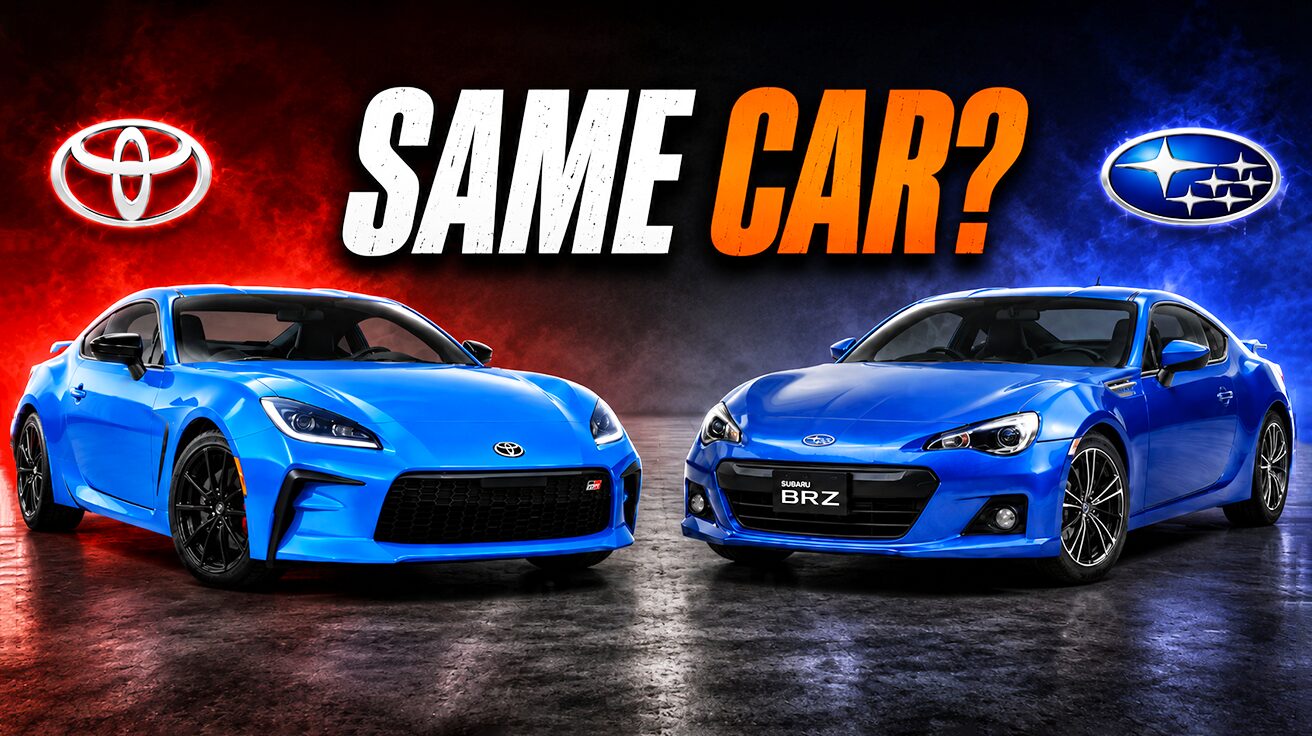
The Toyota GR86 and Subaru BRZ share a common birthplace, rolling off the same assembly line at Subaru’s Gunma Main Plant in Ōta, Japan. This shared origin masks subtle differences in tuning and character, which profoundly impact the driving experience. The engineering choices defining each 2+2 sports coupe matter more than the badge. Understanding these distinctions helps anyone pick the machine that truly resonates with driving style, whether chasing apexes on a Sunday morning or settling in for a cross-country sprint. The marketing noise has been cut through to highlight what makes each model stand apart. Drivers deserve to know which one truly speaks their language on the open road.
1. Toyota GR86
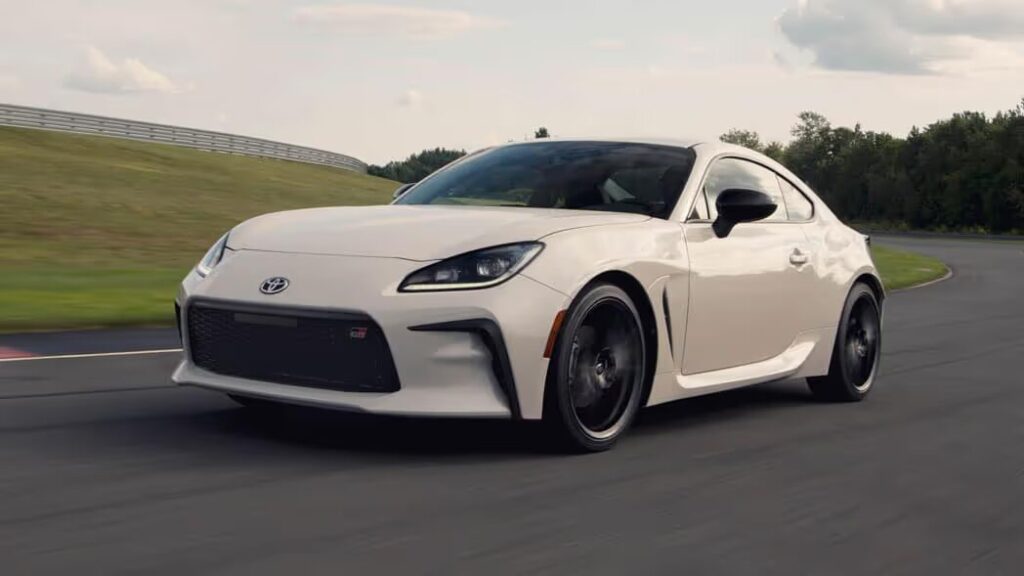
Strong resale performance positions this Toyota as the value leader in the platform.
This coupe, assembled with its Subaru twin in Ōta, Japan, delivers a distinct feel. Toyota’s engineers tuned it with softer front springs and a responsive throttle map. It handles inputs with immediate, unfiltered feedback.
A base model starting at $30,800 resists typical depreciation better than most sports coupes. Toyota’s Gazoo Racing branding and limited editions, sometimes commanding $8,000-10,000 over sticker, foster perceived scarcity. A 3-year, 36,000-mile bumper-to-bumper warranty offers peace of mind.
Anyone who has carved a backroad in one understands its worth. Every drive transforms into an engaging experience.
2. Subaru BRZ
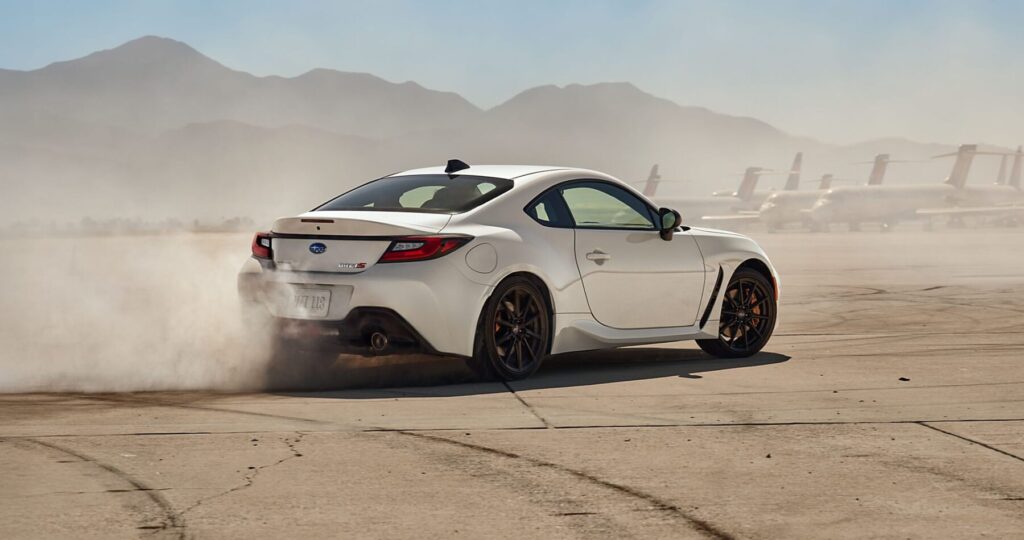
Stiffer suspension tuning and progressive throttle response define Subaru’s take on the shared platform.
Stiffer front springs and softer rear springs define the 2026 Subaru BRZ’s distinct driving proposition. This engineering provides a more planted, neutral feel through corners, making it a precision instrument on winding roads.
The throttle map builds power smoothly, offering finer control at the limit. Build-to-order availability gives the BRZ niche appeal. Its warranty matches Toyota’s at 3 years, 36,000 miles bumper to bumper; Subaru often handles claims directly.
3. Subaru Gunma Main Plant (Ōta, Japan)
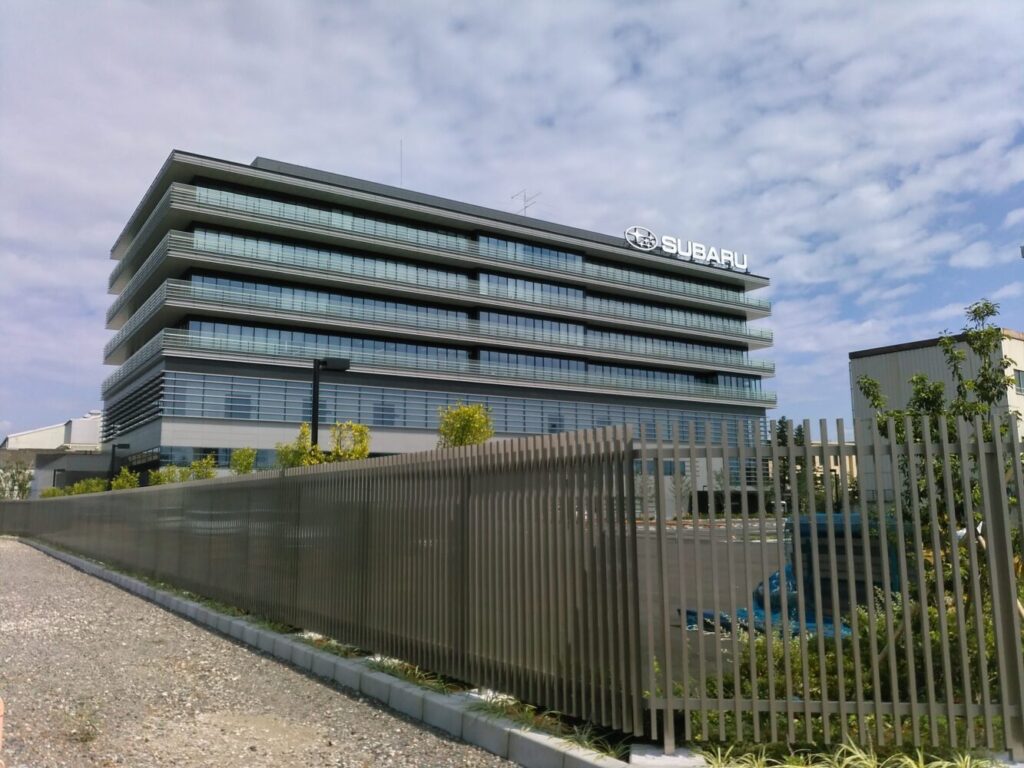
This single facility produces every GR86 and BRZ, using Subaru’s production system and workforce.
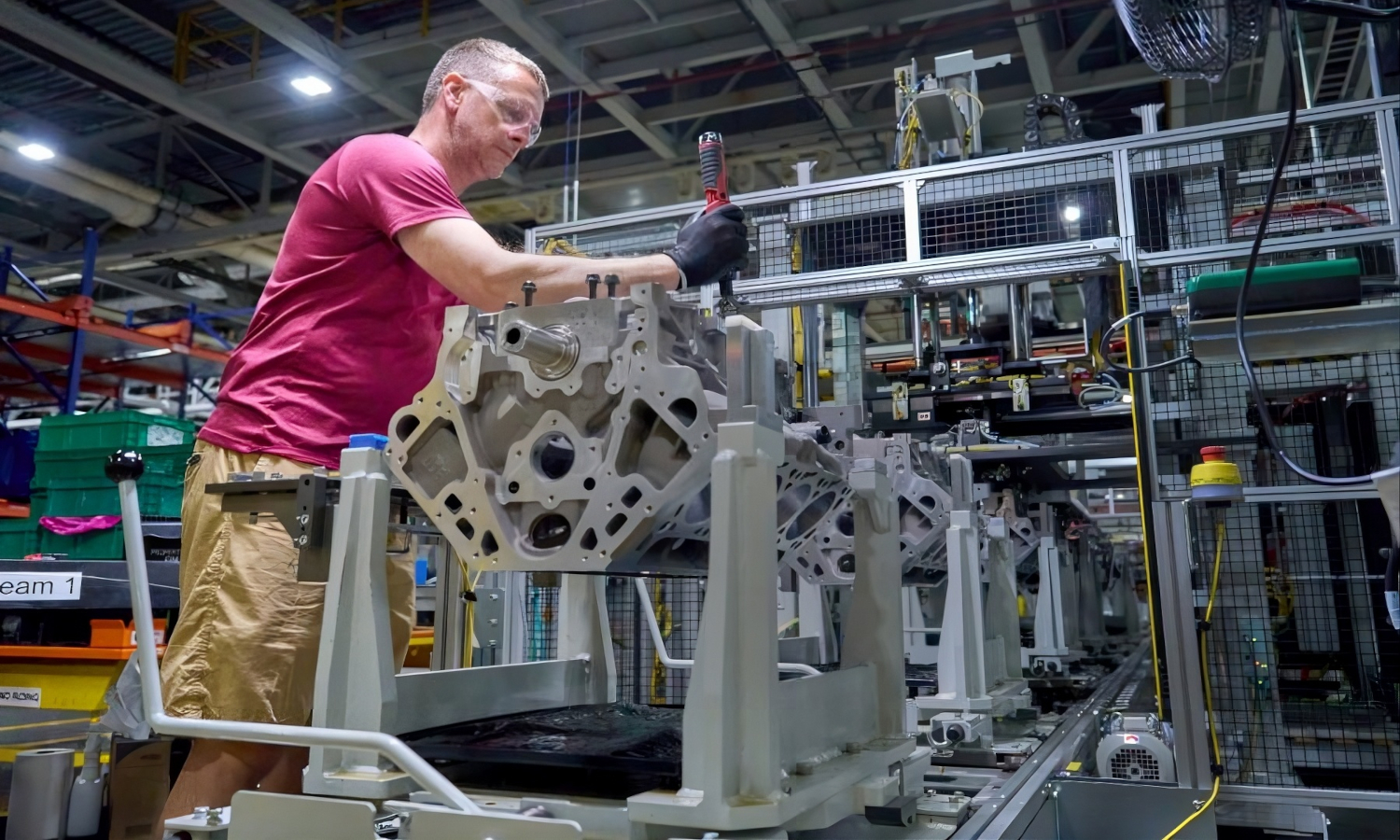
The Subaru Gunma Main Plant is the singular crucible where every example of both the GR86 and BRZ is meticulously assembled. This plant uses Subaru’s proprietary production system and workforce. The precise panel gaps and consistent quality reflect that control, even with Toyota sending its own quality control inspectors to oversee the process.
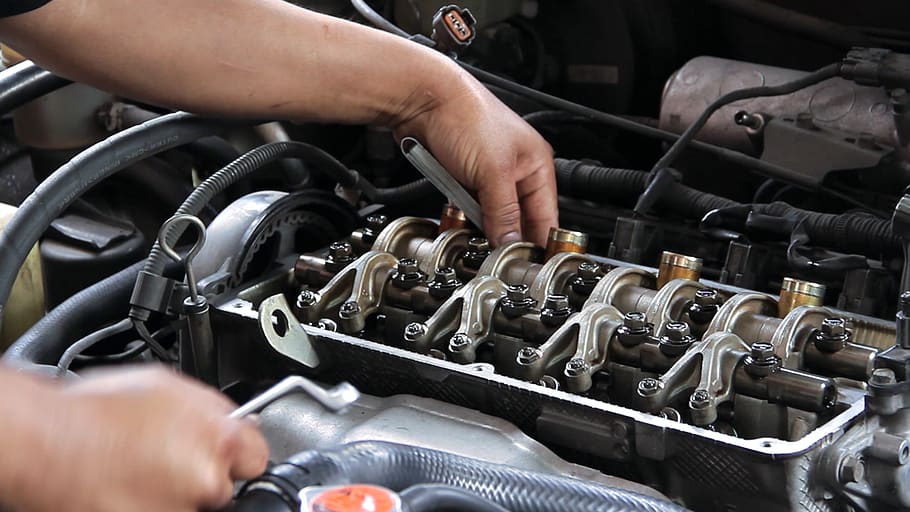
This shared manufacturing bedrock means that while badges differ, the cars share fundamental mechanical DNA. Anyone who drops the clutch feels that shared lineage when the boxer engine snarls, a sound worth recording.
Despite separate suspension tuning, both coupes emerge from the Ōta, Japan plant, ensuring a consistent starting point before their paths diverge slightly for final market presentation.
4. Tetsuya Tada (Toyota Engineer)
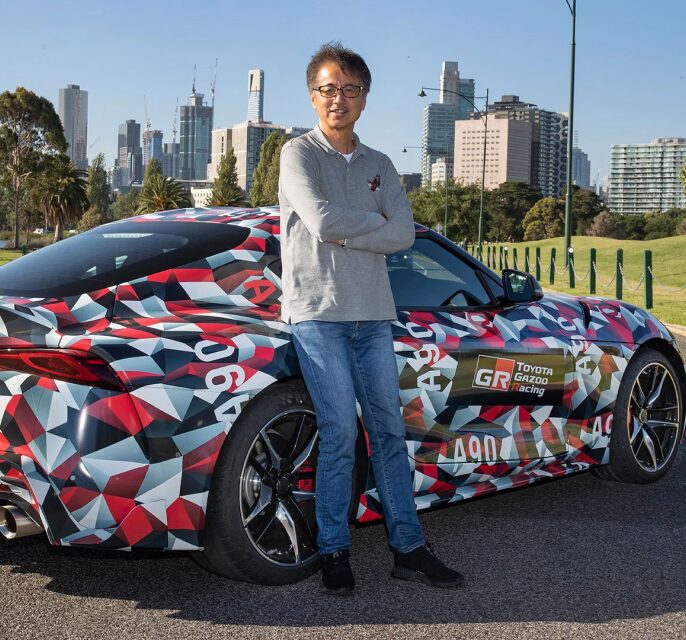
The Toyota engineer’s secret prototype broke through Subaru’s all-wheel-drive orthodoxy to greenlight the partnership.
Toyota’s 2005 acquisition of a 9% stake in Fuji Heavy Industries created a unique partnership. Tetsuya Tada, a Toyota engineer, was tasked to build a ‘no restrictions’ sports car. Subaru, firm in its all-wheel-drive heritage, initially rejected the rear-wheel-drive concept. This clash stalled the project for six months.
Tada secretly built a prototype on a Subaru Legacy platform, then handed the keys to skeptical Subaru engineers. The test drive served as undeniable proof, swaying their perspective and igniting the collaboration for the 86/BRZ. Tada’s persistence cemented his legacy.
5. Toyota 86 / Scion FR-S (First Generation)
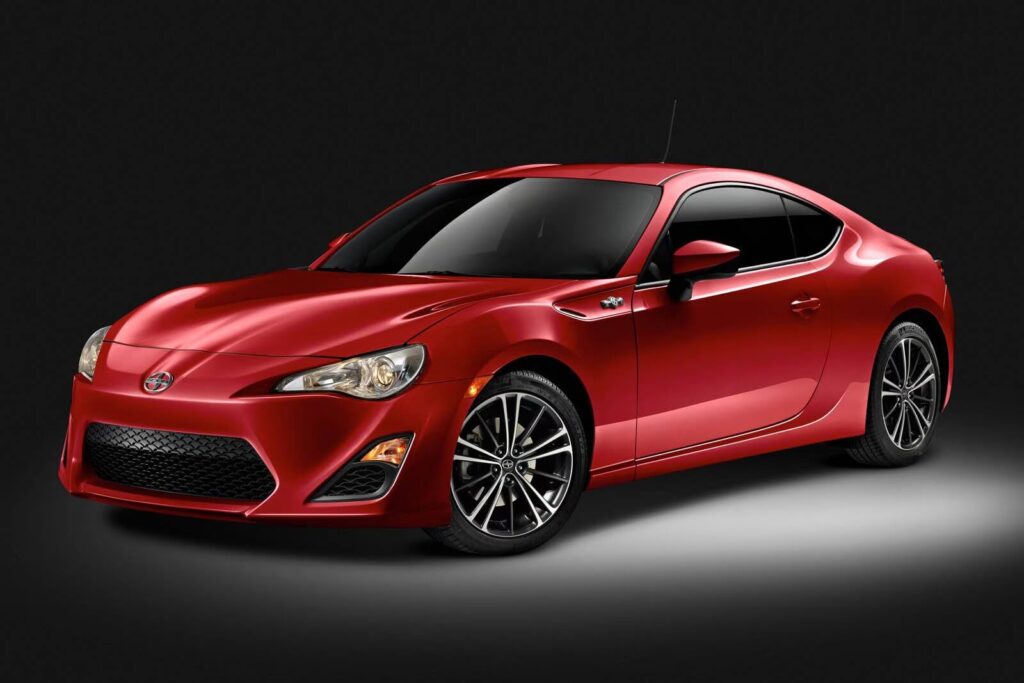
The 2012 launch used three badges and strategic supply allocation to target different demographics across markets.
The initial launch of this platform in 2012 saw it bearing three distinct badges: the Scion FR-S in the U.S., the Toyota 86 in Japan, and the Subaru BRZ elsewhere. The Scion FR-S, aimed at a younger demographic, hit the market with an attractive $24,200 price tag.
The FR-S moved over 17,000 units against fewer than 8,000 BRZs, largely reflecting a strategic supply decision rather than demand issues. Then, in 2016, the FR-S seamlessly transitioned to the Toyota 86 as Scion phased out, and its price jumped to $26,255—a nearly 4% increase overnight for what was essentially a badge swap on an identical car.
The first generation’s 2.0-liter engine faced a 2018 valve spring recall affecting over 400,000 units. That fix spiraled into a class-action lawsuit when dealer-applied RTV sealant caused more engine failures than the original defect.
6. FA24 Boxer Engine (Subaru 2.4-liter)

Owner-reported rod knock concerns center on RTV sealant debris and oil-feed design in the 2.4-liter boxer.
Enthusiast communities have documented rod knock concerns in the 2.4-liter FA24 Boxer engine through extensive owner reports. The reported issue involves cured RTV sealant from the oil pan flaking off and clogging the oil pickup screen. This effectively starves critical bearings of lubrication.
Cylinders two and three face particular scrutiny from owners due to a shared oil feed design. Addressing the concern requires an intensive 13-hour dealership job, requiring the front timing cover’s removal.
A community spreadsheet over 50 pages long documents reported engine failures, yet neither Toyota nor Subaru has issued a formal recall as of this writing. Owners navigate a significant concern tied to the shared platform’s architecture.
7. Toyota-Subaru Joint Development Partnership

Toyota handled planning and styling while Subaru engineered and assembled both cars at its Gunma facility.
Toyota acquired a 9% stake in Fuji Heavy Industries, Subaru’s parent company, for $315 million in 2005, growing to 20% by 2020. This financial backing paved the way for the 86/BRZ platform’s development.
Toyota steered product planning and styling, envisioning the coupe’s aesthetic. Subaru provided the core engineering and handled assembly at its Gunma Main Plant in Ōta, Japan.
Despite shared bones, these cars offer different road experiences. Both utilize the 2.4-liter Subaru boxer engine, but each manufacturer implemented unique suspension and throttle tuning. Anyone diving into a tight corner notices how differently each car settles. This collaboration ensures drivers get a choice tailored to personal driving style.