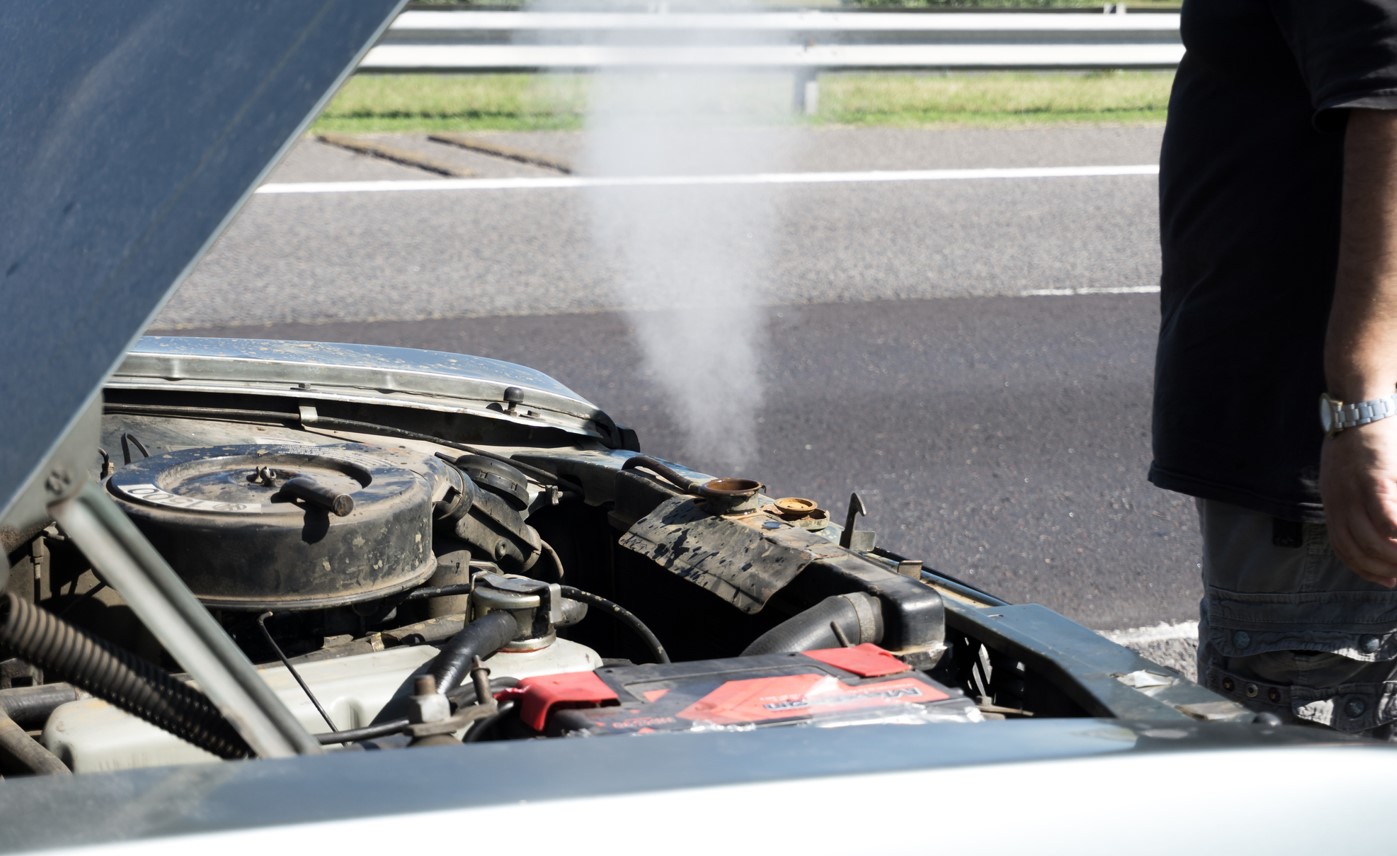


Anyone who’s ever nursed a dying car through its final miles knows the difference between a fixable problem and a full-blown catastrophe. Recognizing critical vehicle warning signs separates a quick repair from a roadside nightmare. These signals protect both wallet and weekend plans, keeping adventures on track instead of stranded on gravel shoulders. Every sound, smell, and visual cue tells a story about what’s happening under the hood. Learning this mechanical language means preserving the freedom only four wheels and an open road can provide.
1. Knocking Sound from the Engine / Rod Knock

Deep knocking from inside the engine demands immediate attention—not next week, not next month.
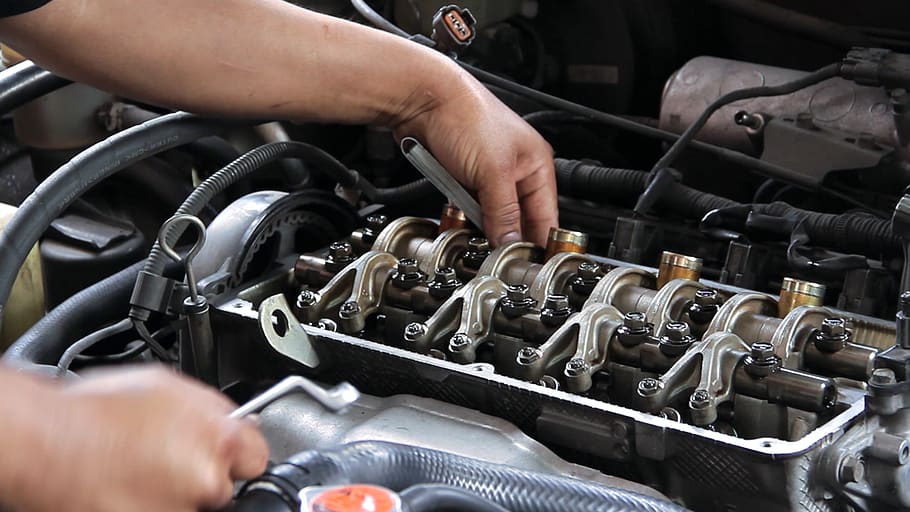
That distinct metallic knocking, known as “rod knock,” signals critical distress from worn or damaged connecting rod bearings deep inside the engine. Skipping oil changes or using the wrong oil type accelerates this internal destruction. The sound resembles an aggressive drumbeat, particularly noticeable when pushing a cold engine or accelerating hard.
This catastrophic mechanical failure requires more than a quick fix. Resolving rod knock almost always demands engine teardown for complete rebuild or, more commonly, full replacement. Continuing to drive only escalates damage, turning a potentially repairable issue into a fully seized block. No roadside patch kit fixes connecting rod bearings. The engine needs surgical intervention, or the next “adventure” ends with a tow truck and blown vacation budget.
2. Brake Squealing / Grinding Brakes

Squealing brakes warn of worn pads; grinding means metal meeting metal.
An initial squeal often signals nothing more than worn brake pads or glazed surfaces. When pads become extremely thin, the backing plate grinds against the rotor. This grinding represents the mechanical equivalent of a piston running without oil—a definite warning that metal contacts metal and trouble is brewing.
Timely intervention for a squeal prevents significant repair bills. Brake pads and rotors rank among the cheapest routine automotive maintenance items. Applying silicone grease to slider pins or ceramic grease to non-contact pad areas often solves noise. Anyone addressing chirping brakes promptly avoids the unsettling shudder of damaged rotors and lost stopping power. This proactive approach maintains road confidence without breaking the bank.
3. Sidewall Bump in a Tire
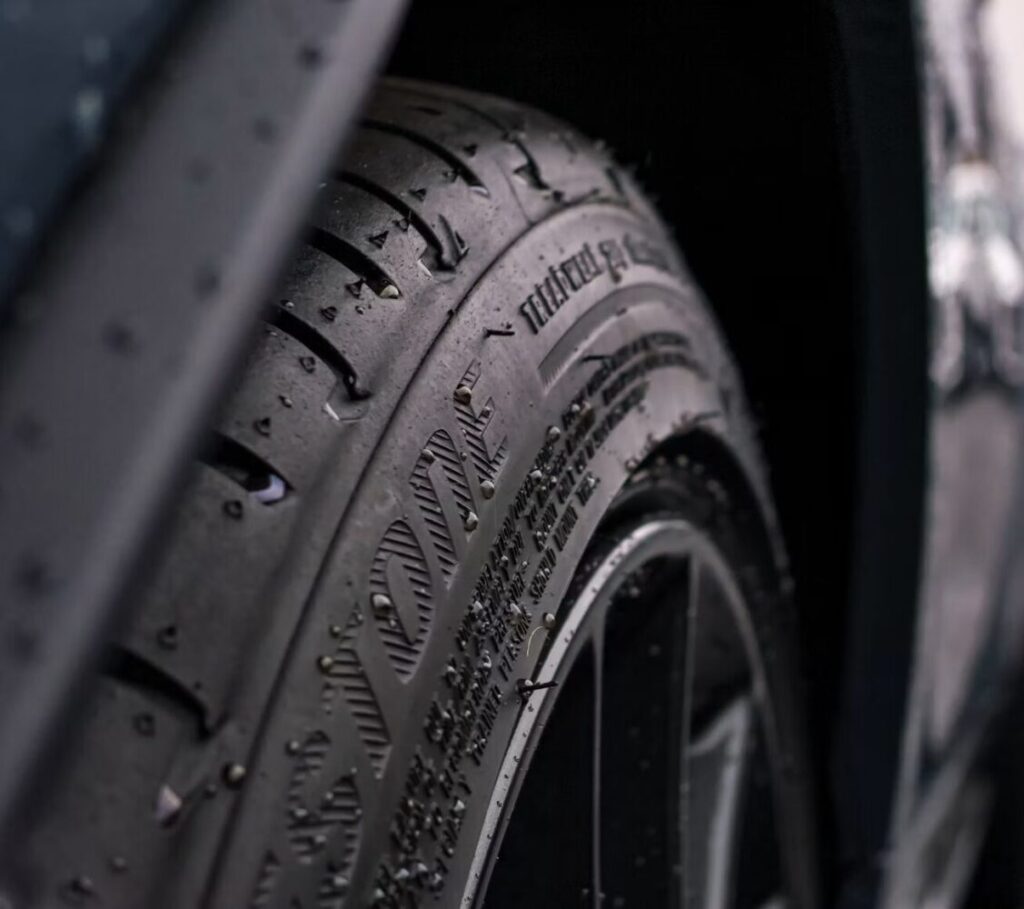
A bulge in the tire sidewall isn’t cosmetic—it’s internal structural failure waiting to explode.
Spotting a small bulge during a pre-trip check reveals critical internal structural damage. This unseen failure significantly raises blowout risk, even if the tire holds air. Impact damage from potholes or curbs causes this vulnerability, sometimes without immediate flat tire symptoms.
Driving on a compromised sidewall invites catastrophe. When a bump appears, immediate tire replacement becomes essential safety protocol. Hesitation risks both vehicle and occupants, especially at highway speeds. Address the issue swiftly, treating it with the same urgency as a loose wheel lug. No amount of air pressure or prayer fixes internal tire damage.
4. Frame Rot
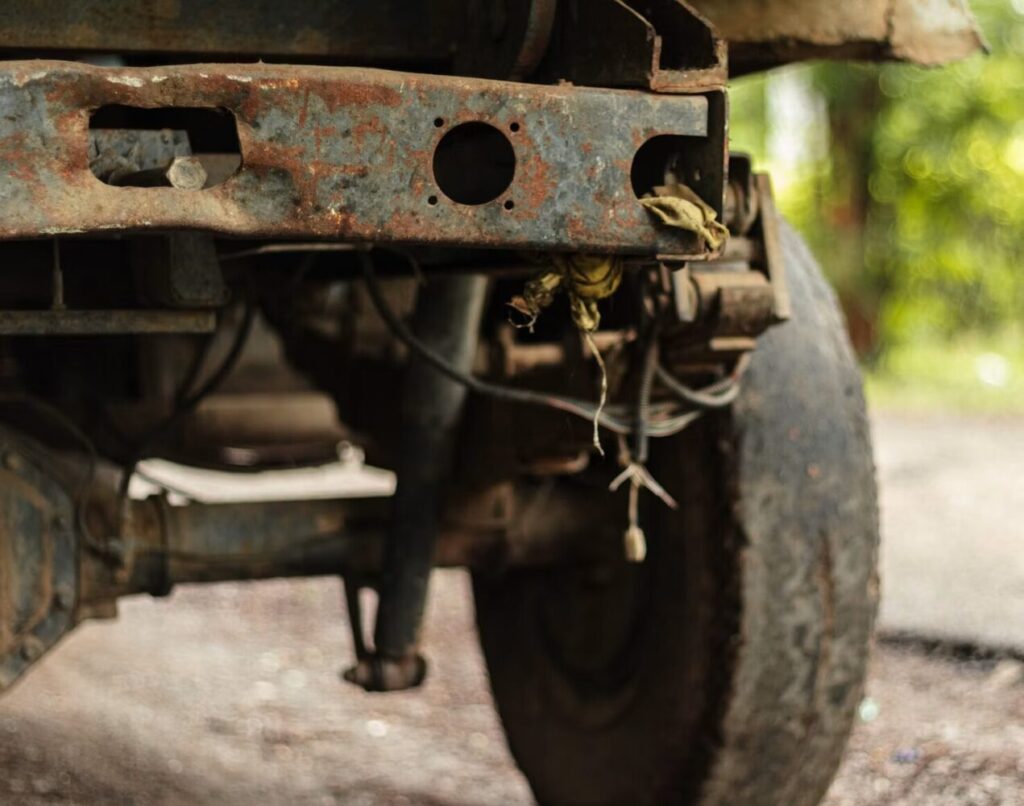
Severe frame corrosion transforms any vehicle into an unsafe, unrepairable shell.
The vehicle’s frame or unibody structure serves as its skeleton—the fundamental structure supporting suspension mounts, crash protection, and overall integrity. When severe corrosion sets in, it compromises safety, throws alignment out of whack, and makes the car nearly impossible to work on. Mechanics often refuse to lift vehicles with compromised structural integrity because the risk is too high.
This decay isn’t cosmetic. Repairing severe structural damage often costs more than the vehicle’s worth, turning a once-reliable ride into nothing more than a parts donor. A car with a compromised frame can’t safely transport anyone anywhere. No backyard welder or YouTube tutorial resurrects a vehicle with advanced frame rot. The road ends here.
5. Belts Squealing

A high-pitched shriek from under the hood means worn or loose belts—ignore at your own peril.
That sharp squeal cutting through the engine’s rumble signals a worn, loose, or glazed accessory belt. These belts power crucial components like the alternator, power steering, and air conditioning. While generally not immediately catastrophic, this condition demands prompt attention.
A quick belt tension check offers only temporary solution. Timing belts, however, often fail without warning. Timing belt failure can instantly destroy an engine, transforming a road trip into an immediate roadside emergency. Accessory belt squeal needs swift repair, but its catastrophic potential pales compared to a timing belt’s silent demise—which turns engines into expensive paperweights overnight.
6. Clunking from the Suspension

Clunking over bumps points to worn suspension components begging for replacement.
That unsettling clunk over speed bumps delivers a direct message about worn sway-bar end links or loose components. Though often straightforward to repair, ignoring this complaint quickly escalates vehicle stress and degrades handling.
Consistent clunking on daily commutes, though not immediately catastrophic, erodes driving confidence. The car feels less like a precision instrument and more like a shopping cart with a rogue wheel. This neglect causes uneven tire wear and compromises long-term vehicle integrity. Address it before a minor annoyance becomes a handling nightmare or damages adjacent components.
7. Misfires

Engine misfires range from fouled spark plugs to catastrophic internal damage—diagnostics separate the two.
An engine misfire triggers a check engine light almost instantly. The best-case scenario involves a fouled spark plug or failing ignition coil—repairs costing less than lunch and taking under an hour. These easy fixes get vehicles back on track quickly.
However, low compression tells a different story. That signals serious internal damage, often demanding full engine rebuild. This misfire represents a true diagnostic coin toss. Proper testing—spark plug inspection, coil testing, compression checks—separates easy fixes from major engine faults. Knowing the difference prevents a minor hiccup from escalating into an engine-out ordeal.
8. White Exhaust Smoke

Light white smoke on startup is normal condensation; persistent white smoke means coolant burning inside the engine.
Brief white puffs when firing up the engine on cool mornings represent normal water vapor—a common combustion byproduct that quickly dissipates. However, excessive or persistent white smoke while driving signals something far more serious.
A sweet, chemical smell from the tailpipe confirms the engine is actively burning coolant. That smell indicates coolant entering combustion chambers, often pointing directly to a blown head gasket. Recognizing this crucial difference early prevents a trivial observation from escalating into major engine repair costing thousands.
9. Blue Exhaust Smoke
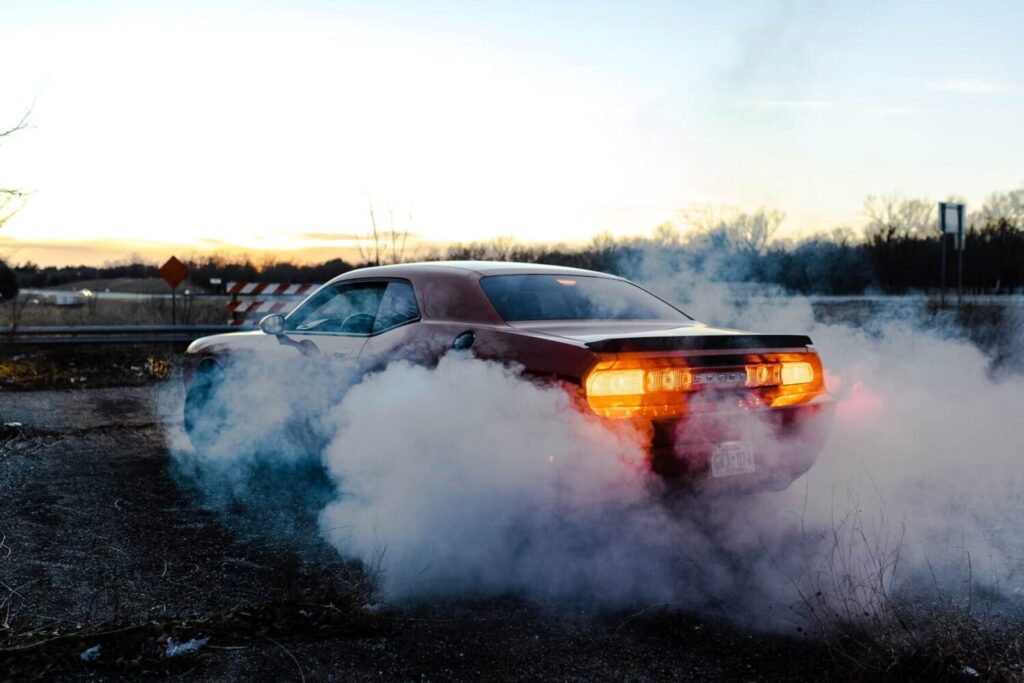
Blue smoke means the engine is burning oil—a serious internal problem demanding major work.
Blue exhaust smoke signals oil seeping past worn piston rings or failing internal seals, entering combustion chambers where only fuel and air belong. The engine is effectively burning its own lifeblood, consuming extra oil every few hundred miles.
Drivers often top off oil relentlessly while the blue plume persists from the tailpipe. This symptom represents serious internal engine problems, frequently necessitating major work or full rebuild. Ignoring it delays an inevitable, costly breakdown. Blue smoke isn’t style—it’s mechanical failure in progress.
10. Humming Noise at High Speeds
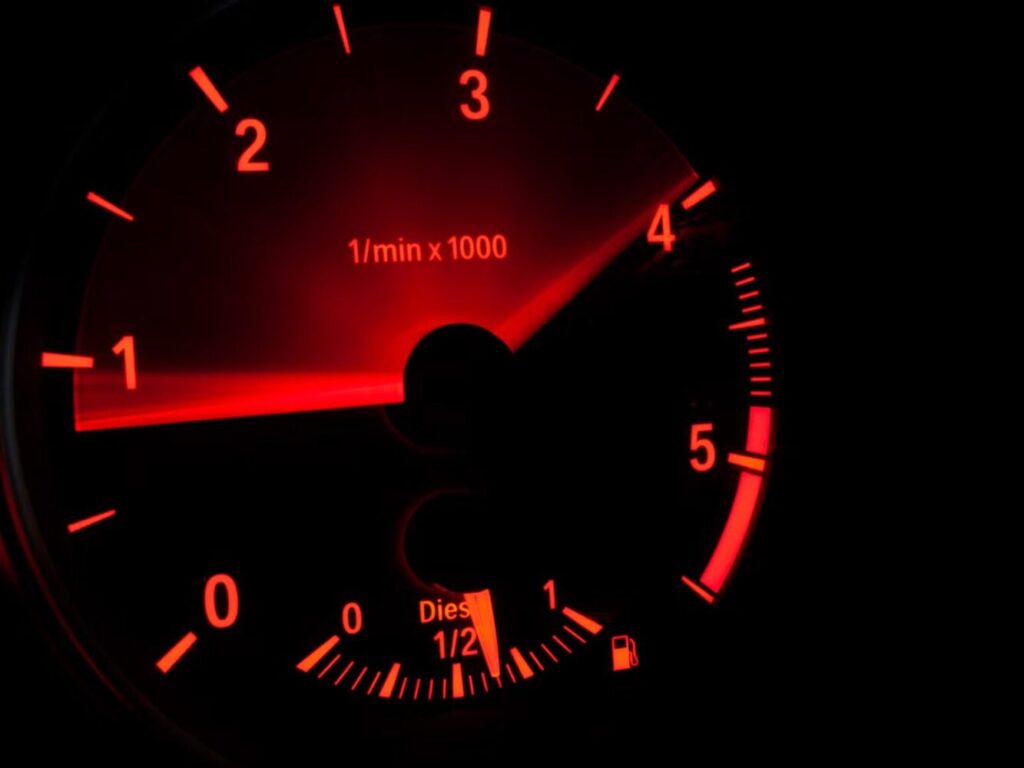
A persistent hum or growl that changes with speed usually means a worn wheel bearing.
That low drone at highway speeds, intensifying with acceleration and persisting when coasting in neutral, likely indicates a faulty wheel bearing. The sound feels vague at first, but the pattern reveals the problem.
Ignoring this sound allows minor wear to damage the hub assembly—a significantly costlier repair. Wheel bearing replacement often costs under two hundred dollars for parts and labor. Any issue with rolling components demands immediate attention. Don’t ask a car to tackle highway miles with compromised running gear. Fix it before minor repair becomes major headache.
11. Louder Exhaust Than Normal / Exhaust Leak
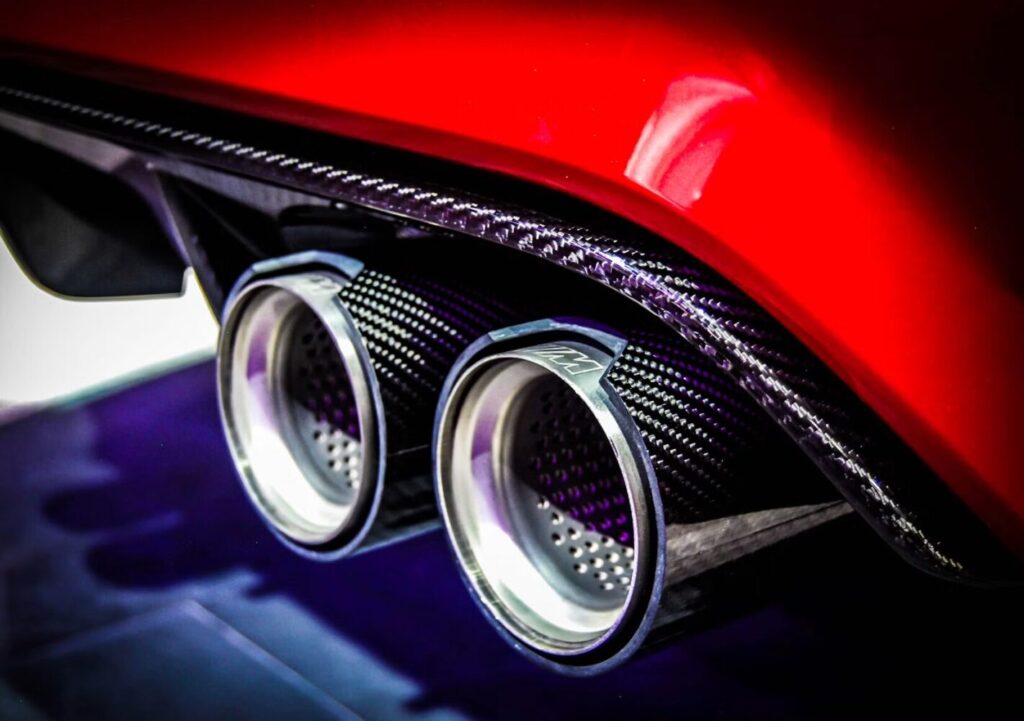
Sudden exhaust volume increases signal holes or cracks—not performance upgrades.
A car suddenly sounding louder than normal often indicates a hole or crack in the exhaust system. This isn’t a badge of honor or free performance modification—it’s structural failure allowing gases to escape before reaching the tailpipe.
While minor leaks can be straightforward repairs, serious breaches allow dangerous exhaust gases into the cabin. That faint, sickening smell serves as a warning about cabin air quality and carbon monoxide risk. Addressing an exhaust leak ensures both safety and proper vehicle operation. The new growl isn’t performance—it’s a problem demanding swift repair.