

Alright, gearheads, let’s address the elephant in the room, or rather, the front-wheel-drive car on the track. Can you actually drift a FWD? The internet is full of conflicting opinions, and frankly, a lot of misinformation. You’ve probably seen videos of questionable “drifts” and wondered if it’s all just smoke and mirrors (pun intended!). Many of you are probably thinking, “Drifting is for RWD, end of story!” But hold your horses (or should I say, hold your torque steer?) because we’re about to dive deep into the physics, techniques, and realities of FWD drifting. We’ll separate the fact from the fiction and give you the straight dope on whether you can truly hang the tail out in your front-driver.
Key Takeaways:
- FWD drifting is possible, but it’s fundamentally different from RWD drifting.
- Techniques like the Scandinavian flick and lift-off oversteer are key to initiating and maintaining a drift.
- Don’t expect to be doing massive, tire-shredding drifts like you see in Formula D. FWD drifting is more about finesse and control.
- Understanding weight transfer and throttle control is crucial for success.
- While fun, FWD drifting puts extra stress on your car’s components, so be prepared for potential maintenance.
Understanding the Basics of FWD “Drifting”
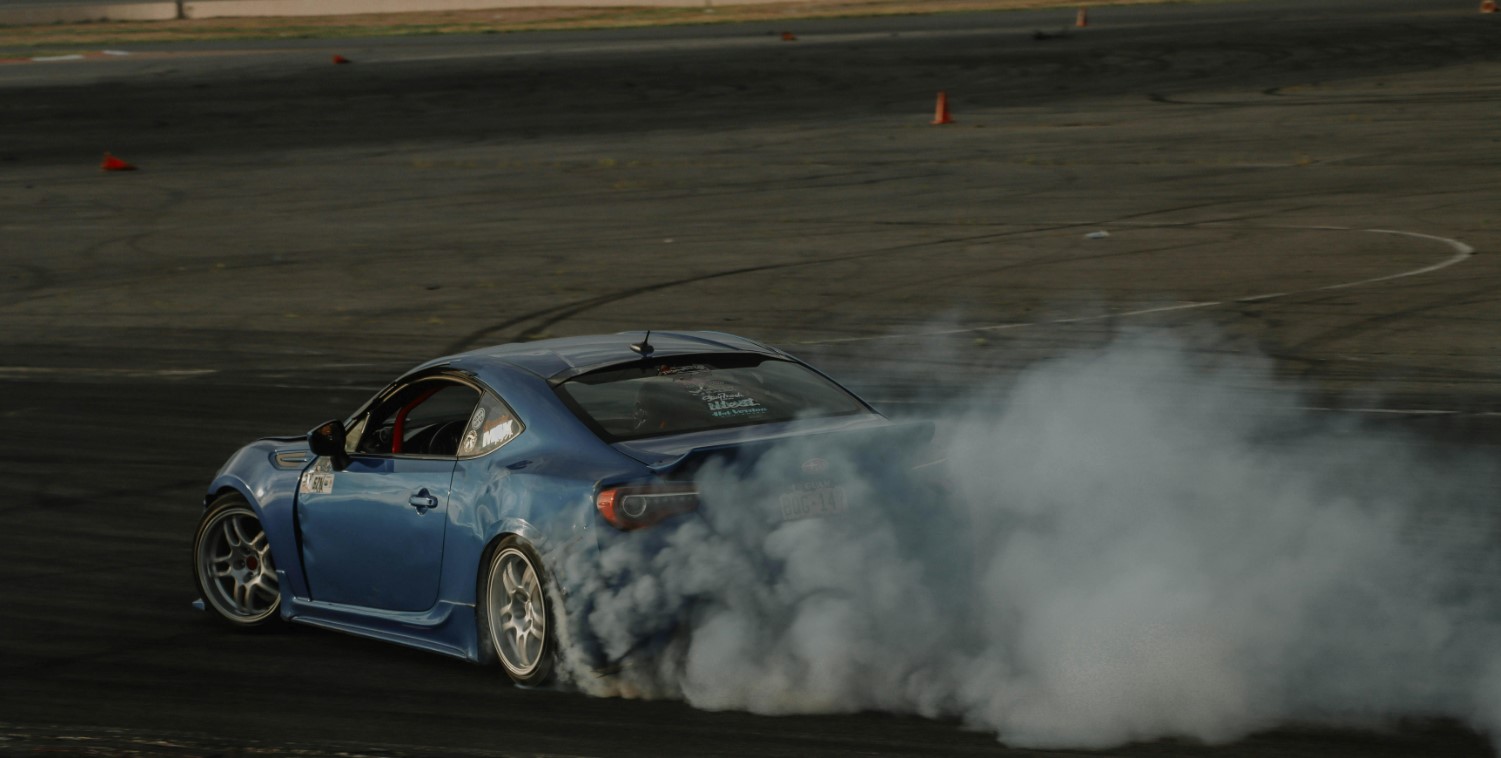
Let’s be clear: what you’re doing in a FWD car isn’t technically drifting in the traditional sense. True drifting, as defined by the cool kids in their RWD machines, involves overpowering the rear tires and maintaining a controlled slide. In a FWD car, you’re fighting against the inherent physics of having the driven wheels also doing the steering. So, what’s really happening? It’s more about inducing oversteer – a condition where the rear of the car loses traction and tries to swing around. Think of it like this: you’re not powering the slide, you’re tricking the car into sliding. Key techniques involve manipulating weight transfer through aggressive steering inputs, braking, and throttle control. A prime example is the Scandinavian flick (also known as the pendulum turn), where you quickly steer in the opposite direction of the intended turn to unsettle the car and then flick it back to initiate the slide. It’s like a controlled wobble that, when done right, can look pretty darn cool.
Importance and Implications
Okay, so why bother trying to drift a FWD car? For some, it’s simply the challenge. It’s about pushing the limits of what’s possible with a less-than-ideal platform. For others, it’s a way to improve car control skills. Mastering the techniques required for FWD drifting – weight transfer, throttle modulation, and precise steering – can make you a better driver in any car, in any situation. Plus, let’s be honest, it’s fun! There’s a certain satisfaction in defying expectations and making a FWD car do something it wasn’t really designed to do. However, there are implications. FWD drifting puts a lot of stress on your car’s front tires, suspension components, and drivetrain. Expect increased wear and tear, and be prepared for potential repairs. Also, remember that FWD drifting is generally slower than RWD drifting. It’s more about style and technique than outright speed.
Practical Applications or Strategies
Ready to give it a shot? Here’s a breakdown of practical strategies:
- Find a Safe Space: This is crucial. A closed course, empty parking lot, or designated drift area is essential. Don’t be a menace on public roads.
- Master the Scandinavian Flick: Practice this technique until it becomes second nature. Start slow and gradually increase your speed.
- Lift-Off Oversteer: Experiment with lifting off the throttle mid-corner to induce oversteer. Be careful, as this can be unpredictable.
- Brake Modulation: Use the brakes to shift weight forward and help initiate the slide. Trail braking (lightly braking while turning) can be particularly effective.
- Throttle Control: Once the slide is initiated, use the throttle to maintain the angle. Smooth, precise inputs are key.
- Tire Pressure: Experiment with different tire pressures to find what works best for your car and driving style. Lowering the rear tire pressure slightly can help induce oversteer.
- Suspension Setup: A stiffer rear suspension can also help promote oversteer. Consider upgrading your rear sway bar.
Common Pitfalls to Avoid:
- Oversteering Too Much: It’s easy to spin out in a FWD car. Be smooth and controlled with your inputs.
- Using the Handbrake Too Much: While the handbrake can be used to initiate a slide, relying on it too much will just slow you down.
- Ignoring Weight Transfer: Weight transfer is the key to FWD drifting. Pay attention to how your car is reacting to your inputs.
- Driving Beyond Your Skill Level: Start slow and gradually increase your speed as you become more comfortable.
Expert Insights or Case Studies
While dedicated FWD drifting competitions are rare, many rally drivers utilize similar techniques to rotate their cars through tight corners. Rallying legend Sébastien Loeb, known for his incredible car control, often uses lift-off oversteer and Scandinavian flicks to navigate challenging stages in his Citroën and Peugeot FWD rally cars. These techniques, while not exactly drifting in the traditional sense, demonstrate the effectiveness of manipulating weight transfer to control a FWD car at the limit. Furthermore, many autocrossers use similar methods to maximize rotation in tight, technical courses. The focus is on minimizing understeer and maximizing corner exit speed, even if it means inducing a bit of controlled oversteer.
The Importance of a Limited-Slip Differential (LSD)
While not strictly required, a limited-slip differential (LSD) is a game-changer for FWD drifting. A standard open differential allows power to be sent to the wheel with the least amount of traction, which is the opposite of what you want when trying to drift. An LSD, on the other hand, helps distribute power more evenly between the front wheels, allowing you to maintain traction and control during a slide. This makes it much easier to initiate and sustain a drift, and it also reduces the risk of spinning out. If you’re serious about FWD drifting, an LSD is one of the best upgrades you can make.
Conclusion:
So, can you drift a FWD car? The answer is a qualified yes. It’s not the same as RWD drifting, but it’s a unique and challenging driving style that can be incredibly rewarding. By understanding the physics involved, mastering the techniques, and practicing in a safe environment, you can push the limits of your front-driver and impress your gearhead friends. Just remember to be prepared for increased wear and tear, and always prioritize safety. Now get out there and start sliding (responsibly, of course!).
Frequently Asked Questions:
What is can you drift a fwd?
FWD drifting is the act of intentionally inducing oversteer in a front-wheel-drive vehicle to initiate and maintain a controlled slide.
Why is can you drift a fwd important for Tuners, gearheads, speed freaks?
It’s a challenging driving technique that improves car control skills, offers a unique driving experience, and allows you to push the limits of a FWD vehicle.
How can I apply the concepts of can you drift a fwd in my context?
Practice weight transfer techniques, master the Scandinavian flick, and experiment with lift-off oversteer and brake modulation in a safe environment.
Where can I learn more about can you drift a fwd?
Search online forums, watch videos of rally drivers and autocrossers, and consider taking a performance driving course to learn advanced car control techniques.