

So, you’re ready to strap your pride and joy onto the dyno and unleash its full potential? Excellent! But before you do, let’s talk about avoiding some common pitfalls that can turn a promising tuning session into a costly disaster. Whether you’re a seasoned tuner, a weekend gearhead, or a speed-obsessed enthusiast, understanding these mistakes is crucial for achieving optimal performance and ensuring the longevity of your engine. Ever wondered why your dyno numbers don’t translate to real-world performance? Or why your engine started knocking after a “perfect” tune? We’re here to shed light on these issues and guide you toward dyno tuning success.
Key Takeaways:
- Proper Preparation is Paramount: A well-prepared car is less likely to suffer catastrophic failures on the dyno.
- Data Logging is Your Best Friend: Don’t just chase numbers; understand what the data is telling you.
- Know Your Limits: Pushing components beyond their safe operating range is a recipe for disaster.
- Consistency is Key: Ensure repeatable results by controlling variables and using proper techniques.
- Don’t Neglect the Fundamentals: Air/fuel ratio, timing, and boost control are still king.
Understanding the Basics of Dyno Tuning
Dyno tuning, at its core, is about optimizing your engine’s performance by making precise adjustments to its control systems while measuring the results in real-time. Think of it like a doctor using a stethoscope and blood pressure cuff to diagnose a patient. The dyno is our diagnostic tool, measuring horsepower, torque, and other vital signs. The engine control unit (ECU) is the patient, and we, the tuners, are the doctors, making adjustments to fuel delivery, ignition timing, and other parameters to achieve the desired outcome.
There are two main types of dynos: chassis dynos and engine dynos. Chassis dynos measure power at the wheels, accounting for drivetrain losses. Engine dynos measure power directly at the crankshaft, providing a more accurate representation of the engine’s output. For most street and track cars, a chassis dyno is the more practical choice.
Key terminology includes:
- Air/Fuel Ratio (AFR): The ratio of air to fuel entering the engine. Crucial for combustion efficiency and preventing engine damage.
- Ignition Timing: The point at which the spark plug fires in relation to the piston’s position. Affects power, torque, and engine knock.
- Boost: The amount of pressure created by a turbocharger or supercharger. More boost generally means more power, but also more stress on the engine.
- Knock: Abnormal combustion that can damage pistons, rods, and bearings. A tuner’s worst nightmare.
- Duty Cycle: The percentage of time an injector is open. High duty cycles can indicate insufficient fuel delivery.
Importance and Implications
Why bother with dyno tuning? Because it’s the most effective way to unlock your engine’s full potential safely and reliably. A proper dyno tune can result in significant gains in horsepower and torque, improved fuel economy, and a smoother, more responsive driving experience. More importantly, it can prevent catastrophic engine failures caused by running lean, excessive knock, or other issues.
The implications of a bad dyno tune can be severe. Overheating, detonation, and component failure are all potential consequences. A poorly tuned engine can also suffer from reduced fuel economy and increased emissions. In extreme cases, a bad tune can even lead to a complete engine rebuild.
For tuners, mastering dyno tuning is essential for building a successful business and earning a reputation for quality work. A skilled tuner can diagnose and resolve complex engine problems, optimize performance for specific applications, and provide customers with peace of mind knowing their engine is running at its best.
Practical Applications or Strategies
Here are some practical tips and strategies to avoid common dyno tuning fails:
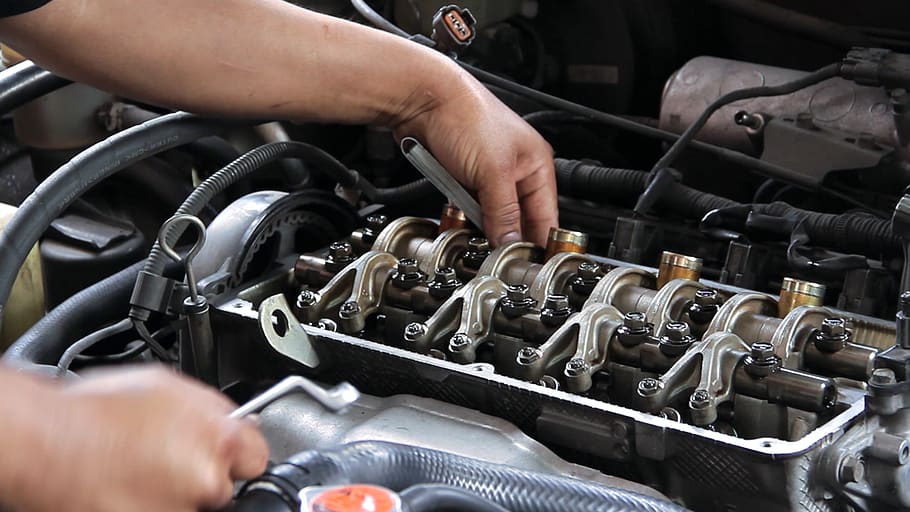
- Pre-Dyno Inspection: Before strapping your car to the dyno, perform a thorough inspection. Check for leaks, loose connections, worn belts, and any other potential issues. Ensure your engine is in good mechanical condition before attempting to tune it.
- Fuel System Check: Verify that your fuel pump, injectors, and fuel lines are capable of delivering the required amount of fuel. High injector duty cycles are a red flag.
- Data Logging: Use a data logger to monitor critical engine parameters such as AFR, ignition timing, boost pressure, and knock. Analyze the data carefully to identify potential problems.
- Start Conservative: Begin with a conservative tune and gradually increase boost and timing as needed. Don’t try to squeeze every last horsepower out of the engine on the first run.
- Listen to the Engine: Pay attention to any unusual noises or vibrations. Knocking, pinging, or other abnormal sounds can indicate serious problems.
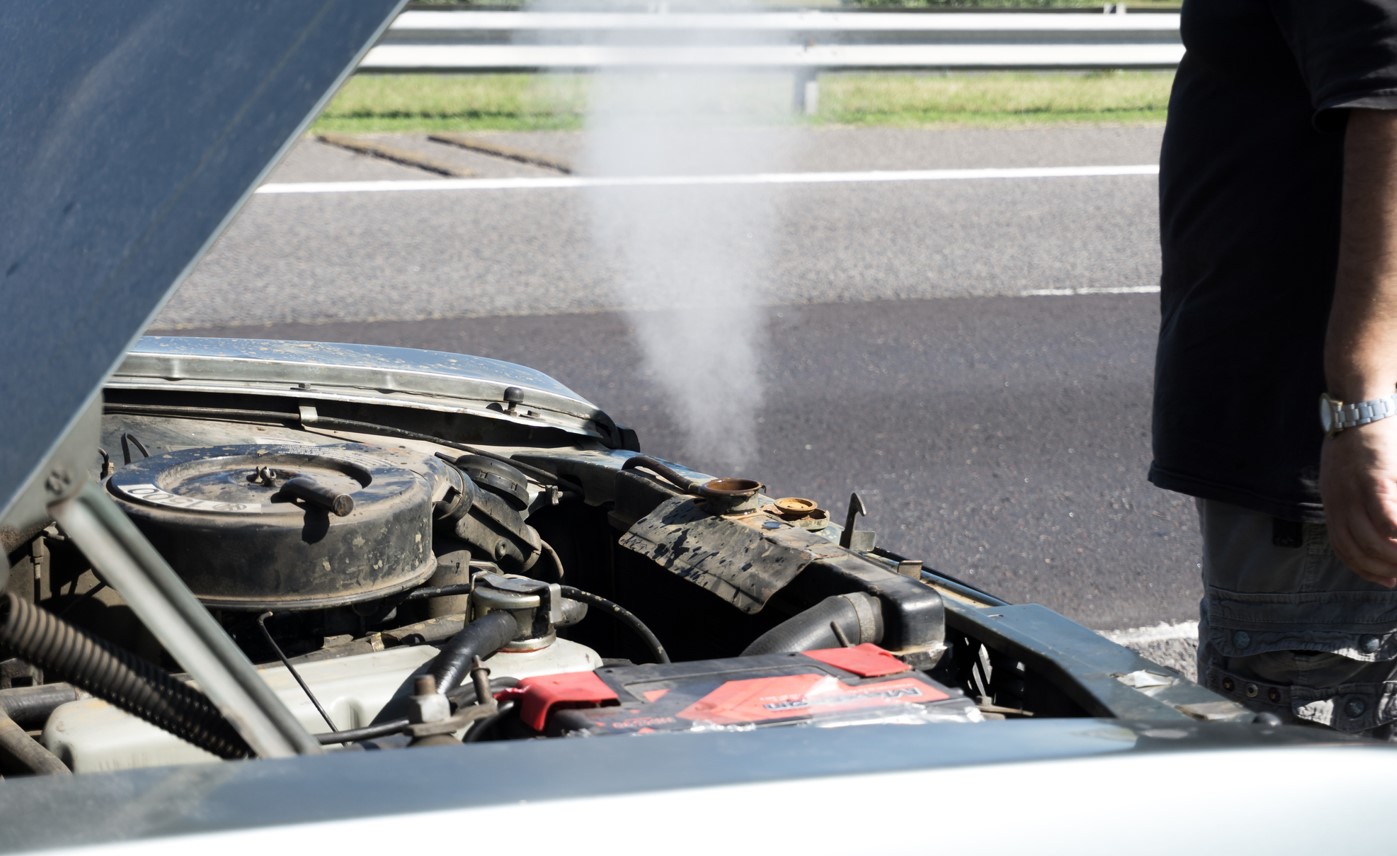
- Monitor Temperatures: Keep an eye on coolant and oil temperatures. Overheating can damage the engine.
- Use Quality Components: Don’t cheap out on critical components such as fuel injectors, spark plugs, and sensors. Quality parts are more reliable and provide more accurate data.
- Understand Your Limits: Know the limitations of your engine and its components. Don’t push them beyond their safe operating range.
- Repeatability: Ensure your dyno runs are repeatable. Consistent results are crucial for making accurate adjustments.
- Seek Expert Advice: If you’re unsure about something, don’t hesitate to seek advice from experienced tuners or engine builders.
Expert Insights or Case Studies
Expert Insight: “One of the biggest mistakes I see is tuners chasing numbers without understanding the underlying mechanics,” says John Smith, a renowned engine builder with over 30 years of experience. “They crank up the boost and timing until the engine starts knocking, then back it off slightly and call it a day. That’s a recipe for disaster. You need to understand why the engine is knocking and address the root cause of the problem.”
Case Study: A customer brought in a turbocharged Honda Civic that had been “tuned” by another shop. The car made impressive power on the dyno, but it suffered from severe knock and poor drivability. After a thorough inspection, it was discovered that the fuel injectors were undersized and the ignition timing was too aggressive. The engine was running dangerously lean, especially at high RPM. By installing larger injectors and retarding the timing, the engine was able to run safely and reliably, while still making respectable power.
The Importance of a Wideband O2 Sensor
A wideband O2 sensor is an indispensable tool for dyno tuning. Unlike the narrow band O2 sensors found in most factory vehicles, a wideband sensor can accurately measure AFR across a wide range of values. This allows tuners to precisely monitor and adjust the fuel mixture, ensuring optimal combustion efficiency and preventing lean conditions that can lead to engine damage. Investing in a quality wideband O2 sensor and learning how to interpret its readings is essential for any serious tuner.
Tuning for Different Fuels
The type of fuel you use can have a significant impact on your engine’s performance and reliability. Higher octane fuels, such as racing gasoline or E85, are more resistant to knock and allow for more aggressive ignition timing. However, tuning for different fuels requires careful consideration of fuel system capacity, injector sizing, and other factors. It’s crucial to consult with an experienced tuner to determine the optimal fuel for your engine and application.
Conclusion:
Avoiding common dyno tuning fails is crucial for maximizing your engine’s potential and ensuring its longevity. By understanding the basics of dyno tuning, following best practices, and seeking expert advice when needed, you can achieve optimal performance and avoid costly mistakes. Remember, a well-tuned engine is a happy engine!
Frequently Asked Questions:
What is Dyno Tuning?
Dyno tuning is the process of optimizing an engine’s performance by making precise adjustments to its control systems while measuring the results on a dynamometer.
Why is Dyno Tuning Important for Tuners, Gearheads, Speed Freaks?
It allows for safe and reliable power gains, improved fuel economy, and prevents engine damage.
How Can I Apply the Concepts of Dyno Tuning in My Context?
Start with a pre-dyno inspection, monitor data logs, and seek expert advice when needed.
Where Can I Learn More About Dyno Tuning?
Online forums, tuning workshops, and books on engine management systems are great resources.