

Carrera GT Shaves 16 Seconds at the 'Ring With Just Rubber
A 20-year-old Porsche just embarrassed its younger self. No engine mods. No suspension tweaks. Just tires.
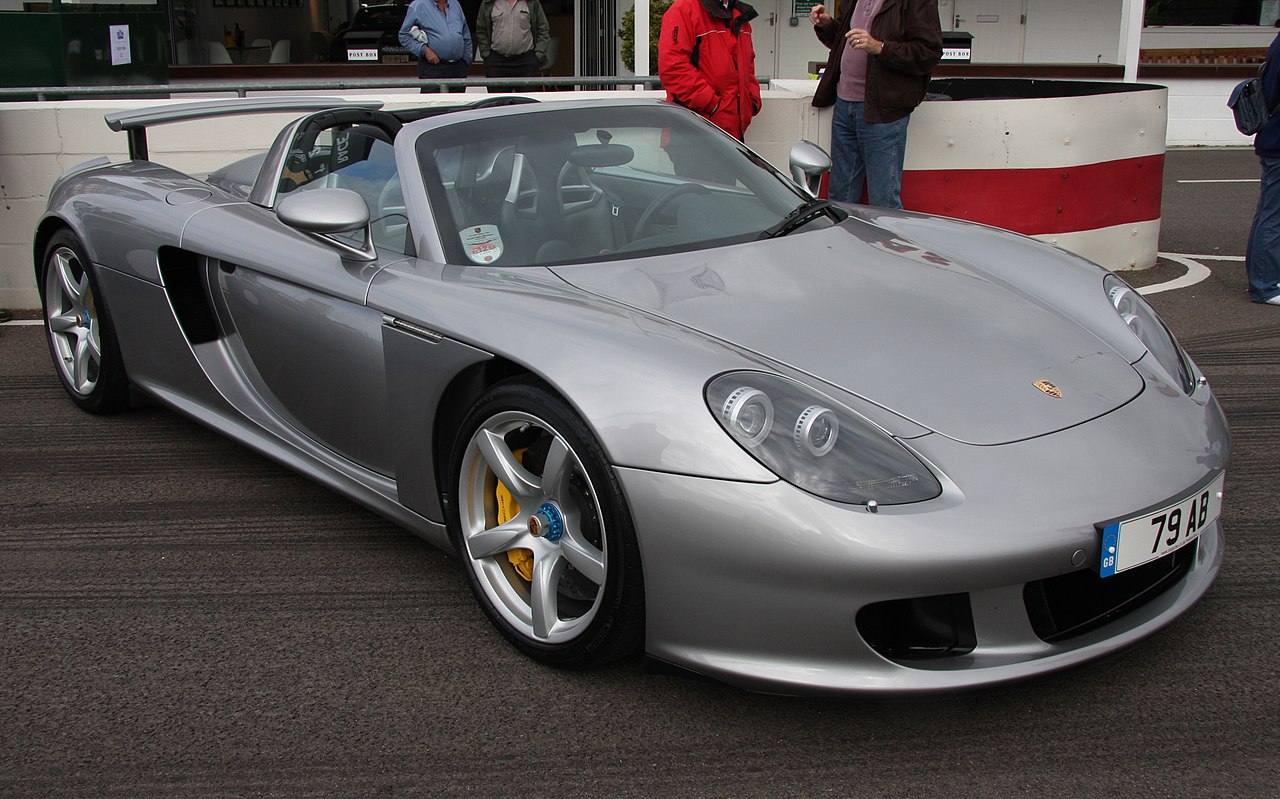
The Carrera GT—Porsche's V10 masterpiece—just lapped the Nürburgring in 7:12.69 with racing driver Jörg Bergmeister at the wheel.
Rubber Revolution
Walter Röhrl set the original benchmark back in 2004, hustling the carbon-fiber monster around the Green Hell in 7:28.
Two decades later, Bergmeister obliterated that time by nearly 16 seconds while driving a mechanically identical car.
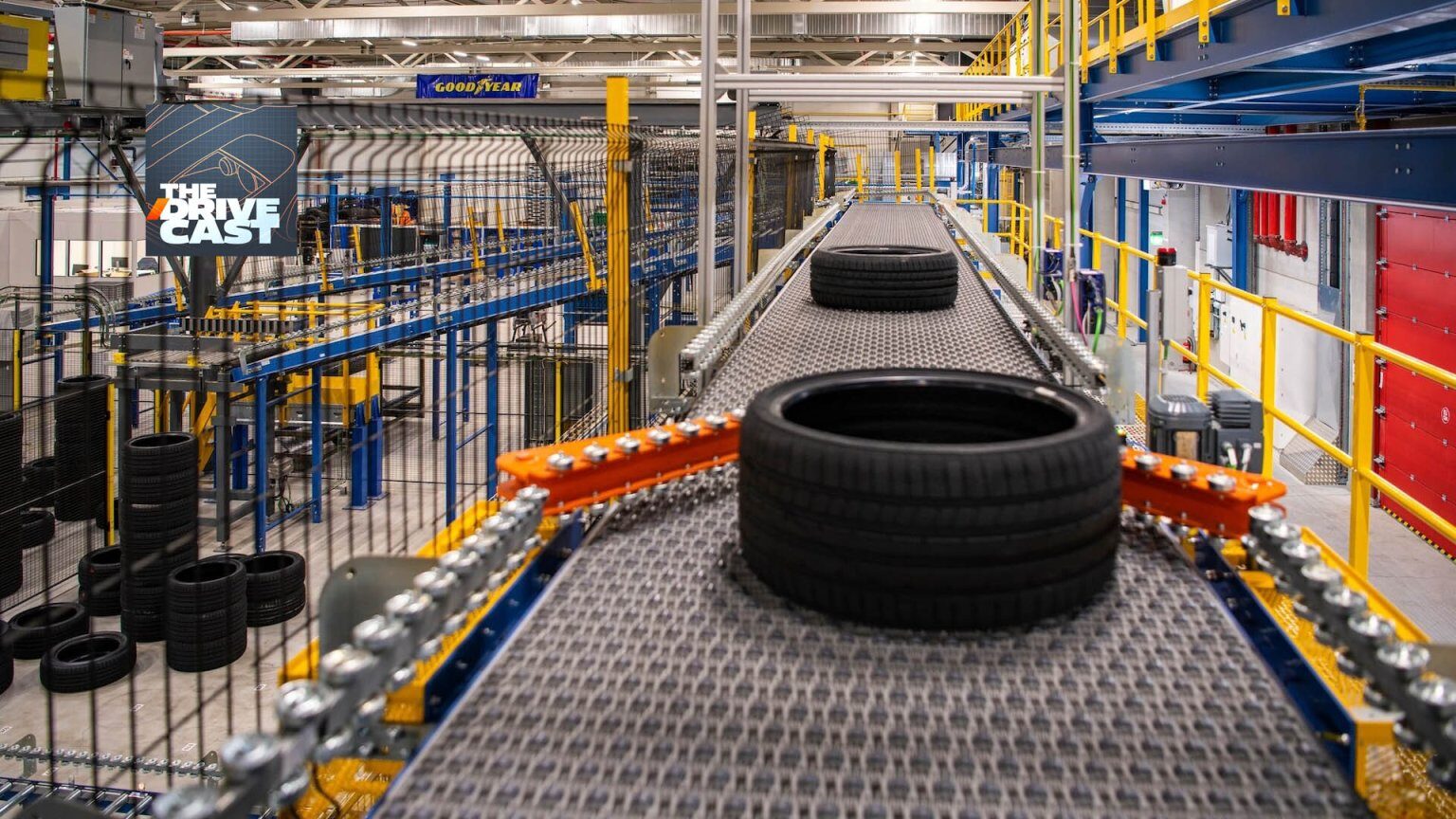
The sole difference? Modern Michelin Pilot Sport Cup 2 tires replacing the original Pilot Sport PS2s.
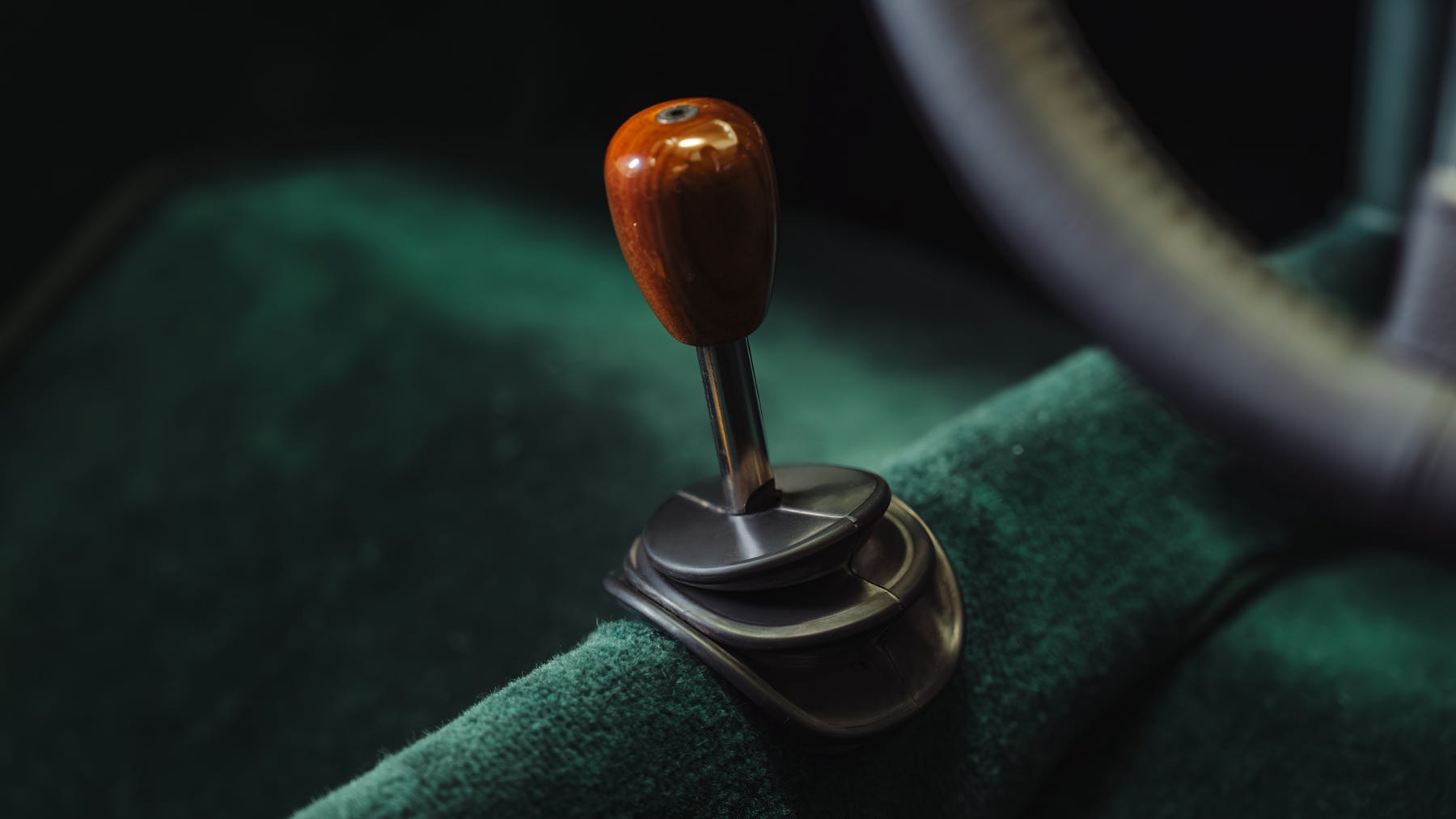
Same 603 horsepower. Same 435 lb-ft of torque. Same 3,042-pound curb weight. Same six-speed manual transmission with that iconic wooden shifter.
Different contact patches.
What Modern Rubber Delivers
The performance gap demonstrates how dramatically tire technology has evolved since the mid-2000s. The Carrera GT's improvement comes from:
- Greater mechanical grip allowing higher cornering speeds
- Enhanced compound stability under extreme heat
- Improved tread patterns optimized for dry performance
The Michelin Cup 2s aren't even the company's most aggressive current offering—that would be the Cup 2 Rs. Imagine what those might do.
Legacy Rewritten
This lap time doesn't just validate the Carrera GT's enduring engineering excellence—it proves modern supercars owe much of their performance to tire technology.
The mid-2000s hypercar trinity—Carrera GT, Ferrari Enzo, Mercedes SLR McLaren—were all limited by the rubber available at their birth.
Today's Carrera GT would hunt down many modern performance cars despite its analog nature and lack of electronic nannies.
No stability control. No launch control. No dual-clutch transmission.
Just a naturally-aspirated V10, a manual gearbox, and tires that finally match its potential.
The Carrera GT was always ahead of its time. Now its lap times finally caught up.