

The classic car market just hit the brakes harder than a teenager learning stick shift. While everyone’s freaking out about declining values, seasoned collectors are quietly scooping up deals that seemed impossible just two years ago. The smart money isn’t running scared—they’re running toward opportunity.
Market panic creates the best buying windows, and right now you’re staring at one. Those overpriced garage queens that sat untouched at $100,000 are suddenly moving at rational prices. The correction everyone feared? It’s separating real collectors from weekend warriors who bought hype instead of metal.
8. 1969-1970 Mustang (Exterior)
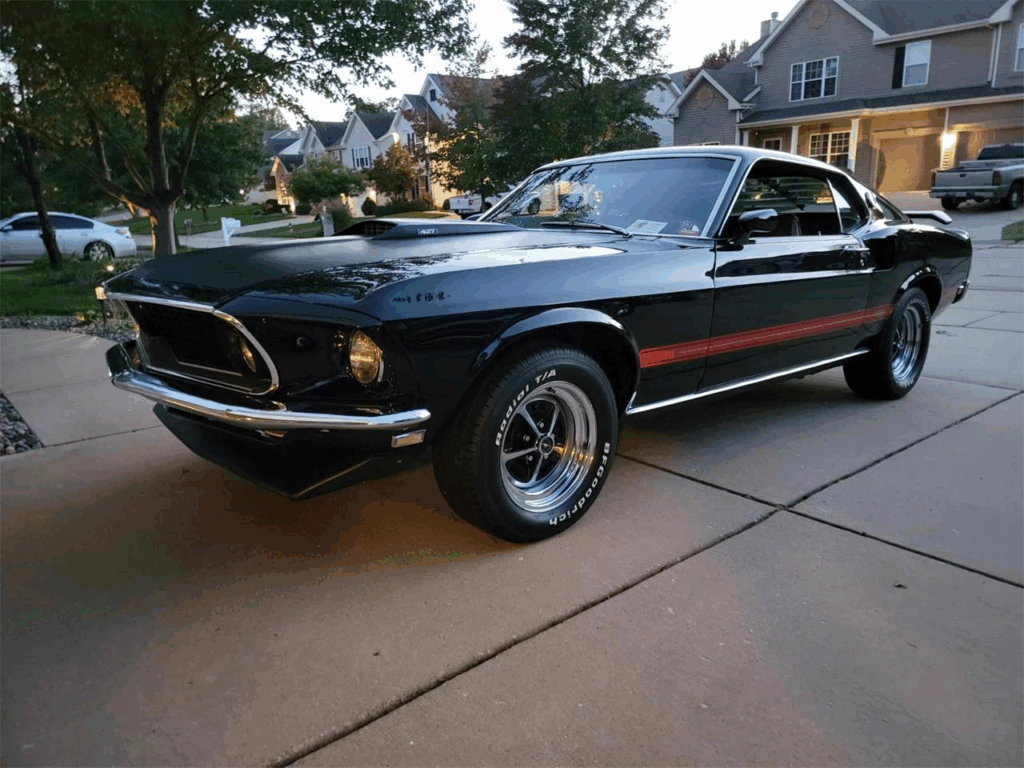
The 1969-1970 Mustang delivers iconic muscle car style with a $15,000 price drop that makes ownership realistic again. These fastbacks, coupes, and convertibles pack a serious visual punch with their aggressive front ends and flowing lines.
Boss 302 and Boss 429 models command top dollar, but even base V8 cars turn heads at every stoplight. The design hits that sweet spot between classic proportions and modern aggression that still looks fresh 55 years later. You’ll find excellent examples between $30,000-$60,000, down from recent peaks that priced out most enthusiasts.
1969-1970 Mustang (Interior)
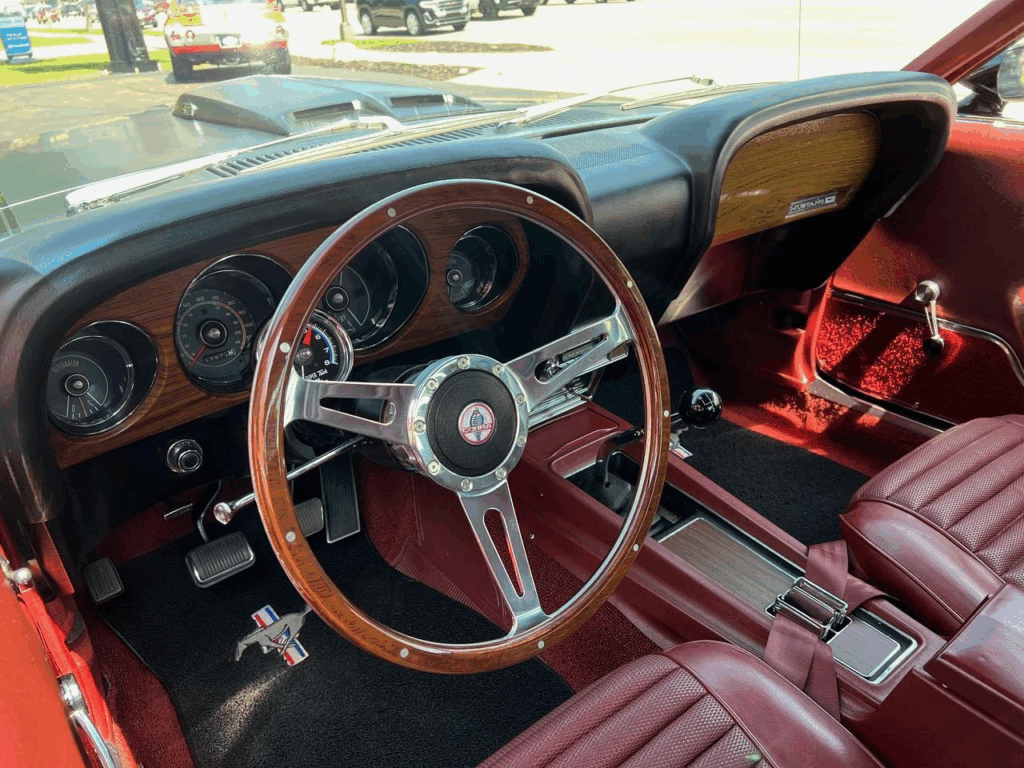
Step inside and you’ll find surprisingly spacious cockpits with period-correct gauges and comfortable bucket seats. The dashboard layout puts everything within easy reach, while optional features like center consoles and tachometers add function and style.
Original interiors often need attention—expect to budget for seat recovery and dash restoration. High-trim models came with woodgrain accents and upgraded materials that age gracefully when properly maintained. Modern restorations often add period-appropriate upgrades like better sound systems while keeping the classic look intact. With extensive aftermarket support, these represent some of the most affordable restomods you can start working on
7. C10 Trucks (1967-1972) (Exterior)

These trucks went from $8,000 scrapyard refugees to $35,000 collectibles faster than gas prices spike during summer driving season. The clean lines and simple styling provide the perfect canvas for everything from patina survivors to full custom builds. Short and long bed versions both have strong followings, while stepside beds add visual interest that collectors pay premiums for.
SEMA show trucks regularly break $100,000, proving that the right build can compete with exotic cars for attention. The aftermarket support rivals anything Detroit ever built, making parts and upgrades easily available.
C10 Trucks (1967-1972) (Interior)

Image: Bring a Trailer
Basic but functional cabins offer surprising comfort and plenty of room for modern upgrades without losing the classic truck feel. Original bench seats work well for three passengers, while bucket seat conversions add sportiness to custom builds.
The simple dashboard layout accommodates modern gauges and electronics without major modifications. Air conditioning retrofits work well in these trucks, making them practical for year-round driving in warm climates. Restored examples often feature upgraded materials and colors while keeping the straightforward design that makes these trucks so appealing.
6. Mopar B-Bodies (Charger, Coronet) (Exterior)
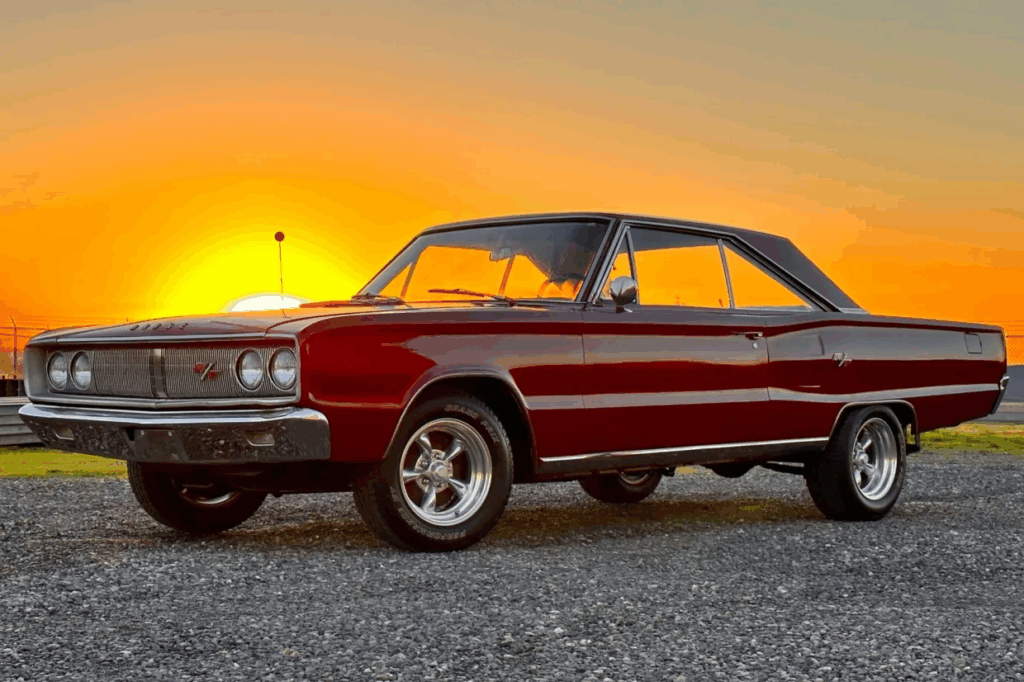
Lower production numbers make these Dodge legends rarer than their GM and Ford rivals, driving values up even during market downturns. The Charger’s fastback roofline and hidden headlights create one of the most distinctive muscle car profiles ever built. Coronet models share the aggressive front-end treatment while offering more practical four-door options for families.
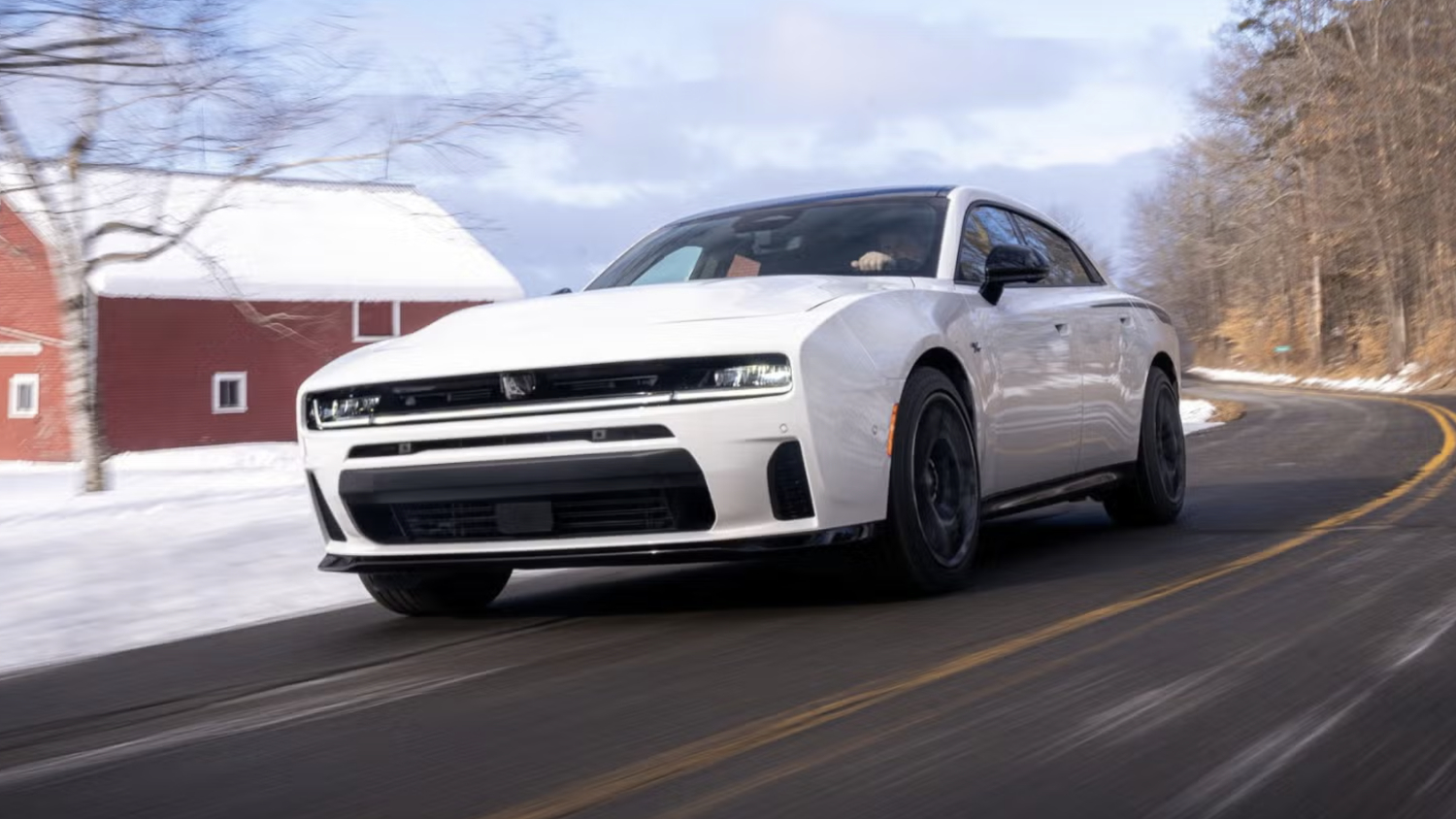
Both models benefit from Mopar’s bold design language that emphasized power and presence over subtlety. Charger values jumped $60,000 over five years, proving that scarcity trumps market trends when collectors want something special. Dodge on the other hand wants to build a sports car for under $30,000.
Mopar B-Bodies (Charger, Coronet) (Interior)
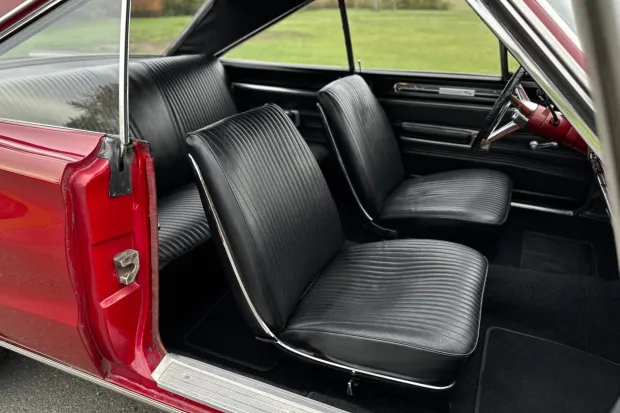
These Mopar cockpits put drivers in command with purposeful layouts and performance-oriented details throughout. High-trim models featured premium vinyl or optional leather seating that holds up better than cloth alternatives.
The instrument clusters display vital information, while center consoles house shifters and additional gauges. R/T and other performance packages often include unique interior trim pieces that add value to documented examples. Restoration parts availability has improved dramatically, making quality interior rebuilds more affordable than they were a decade ago.
5. Square Body Trucks (1973-1980s) (Exterior)

Square Body trucks balance affordability with the classic truck appeal that made their C10 predecessors so valuable. The boxy styling defines 1970s truck design, with clean lines that photograph well and age gracefully.
Single-cab, crew-cab, and dually versions offer options for every use case, from street rods to working trucks. These trucks handle modern wheel and tire combinations perfectly, while the simple body lines take custom paint and graphics without looking overdone. Values trail C10 models but catch up fast, as collectors discover their potential and availability shrinks.
Square Body Trucks (1973-1980s) (Interior)
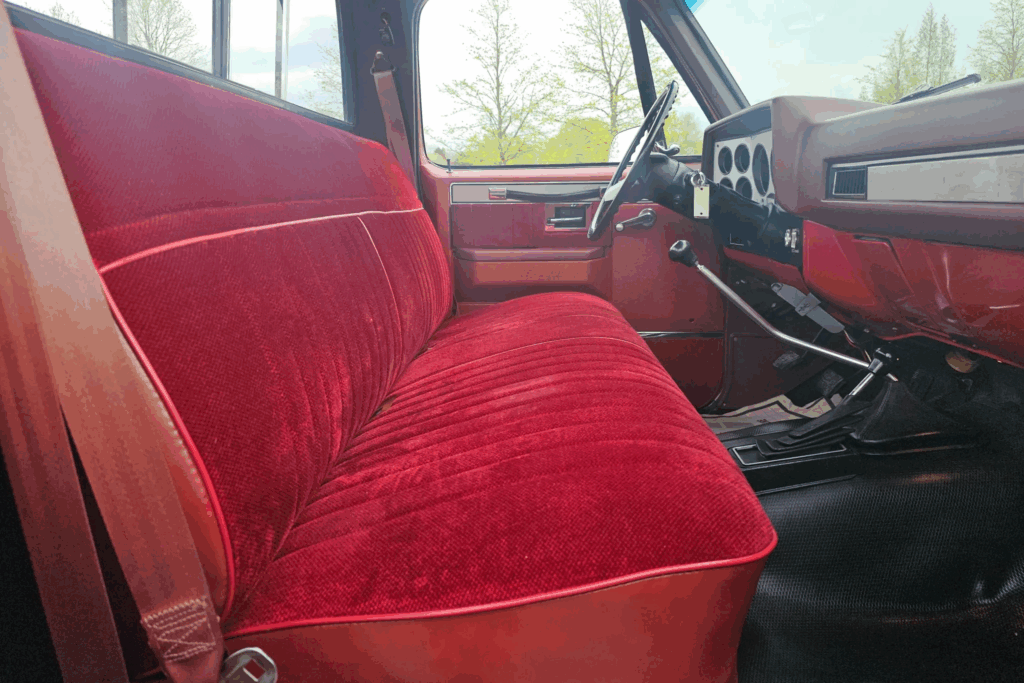
Improved ergonomics and more comfortable seating make these trucks better daily drivers than their earlier siblings. The dashboard layouts became more modern while keeping the straightforward controls that truck buyers expected. Crew cab models offer rear seating that works for adults, expanding their appeal beyond single drivers.
Factory air conditioning became more common, while power steering and automatic transmissions improved comfort significantly. Rust around the floors and cab corners requires attention, but solid examples provide excellent foundations for restoration or modification projects.
4. Convertibles and Big Body Cars (Exterior)

Classic convertibles deliver timeless open-air appeal that transcends market trends, while big body cars offer spacious comfort that modern vehicles can’t match. Mustang, Camaro, and luxury convertibles provide top-down motoring with style that never goes out of fashion.
Full-size cars like Impalas and Cadillacs showcase Detroit’s peak styling periods with chrome, curves, and presence that commands respect. These vehicles excel at cruise nights and weekend tours where comfort matters more than lap times. Values remain stable during market downturns because their appeal crosses generational lines.
Convertibles and Big Body Cars (Interior)
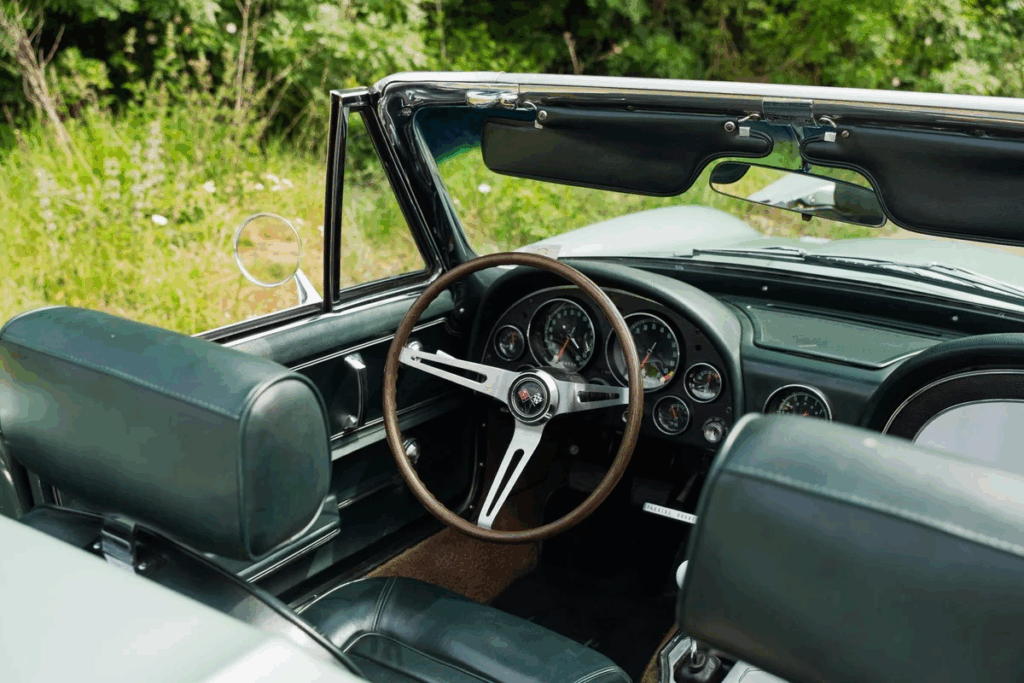
Spacious cabins with bench seating accommodate six passengers comfortably, while convertible models add the complexity of power-operated soft tops. Big body cars feature premium materials, power accessories, and ride quality that rivals modern luxury vehicles.
Convertible roof mechanisms require regular maintenance and occasional rebuilds, but proper care keeps them operating smoothly for decades. Air conditioning systems work well in these large cars, making summer driving comfortable with the top up. These interiors represent the peak of American automotive luxury and comfort from Detroit’s golden age.
3. 1980s and 1990s Muscle Cars (Monte Carlo, Grand National) (Exterior)
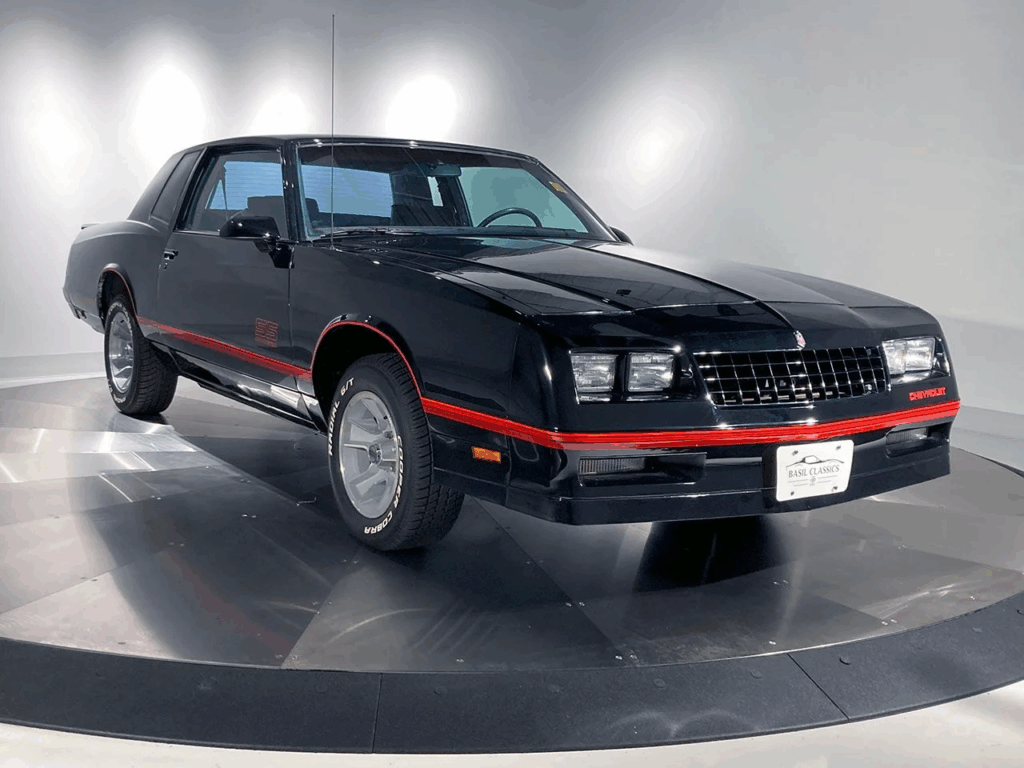
Gen X and Millennial collectors drive demand for these modern classics that defined performance in the electronic fuel injection era. The Monte Carlo SS wears understated styling that aged better than its flashier contemporaries, while the Grand National’s menacing black paint scheme still intimidates modern supercars.
These cars bridge the gap between classic muscle and modern performance with fuel injection, turbocharging, and electronic controls. Pop culture appearances like Kendrick Lamar’s Super Bowl performance keep these cars relevant to younger buyers. Values climb steadily as these generations gain buying power.
1980s and 1990s Muscle Cars (Monte Carlo, Grand National) (Interior)

Modern amenities like digital dashboards, power accessories, and improved ergonomics make these cars practical choices for regular driving. Grand National interiors feature distinctive treatments that emphasize the car’s performance mission, while Monte Carlo SS cabins balance comfort with sportiness.
Electronic fuel injection eliminates cold-start issues that plague carbureted classics, while modern alternators and charging systems support contemporary electronics. T-top models add open-air appeal, but watch for water leaks that can damage interiors. These cars offer classic muscle car attitude with reliability that works.
2. Ultra-Rare Muscle Cars (Exterior)

Limited production runs and factory oddities create the ultimate hedge against market volatility—these cars retain value when everything else crashes. COPO Camaros, Hemi Cudas, and one-off factory specials command six-figure prices because you can’t make more of them.
Pristine examples with matching numbers and proper documentation set auction records regularly. These cars wear their rarity in subtle details that separate them from regular muscle cars—special paint codes, unique trim pieces, and performance packages that few buyers ordered new. Auction prices continue rising even as the broader market flattens.
Ultra-Rare Muscle Cars (Interior)
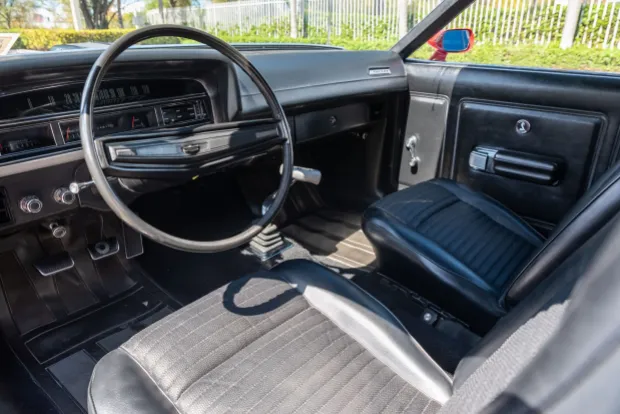
Step inside these factory unicorns and you’ll find interiors that match their exclusive exterior treatments with special trim and options. Many ultra-rare models came with unique interior codes, special seat patterns, or performance-oriented details not available on regular production cars.
Documentation becomes critical at this level—original build sheets, dealer invoices, and ownership history can add or subtract tens of thousands from values. Restoration costs often exceed $50,000 for concours-quality work, but the right examples justify every dollar spent. These interiors tell the story of automotive history’s most special moments.
1. Camaro, Chevelle, GTO (Exterior)
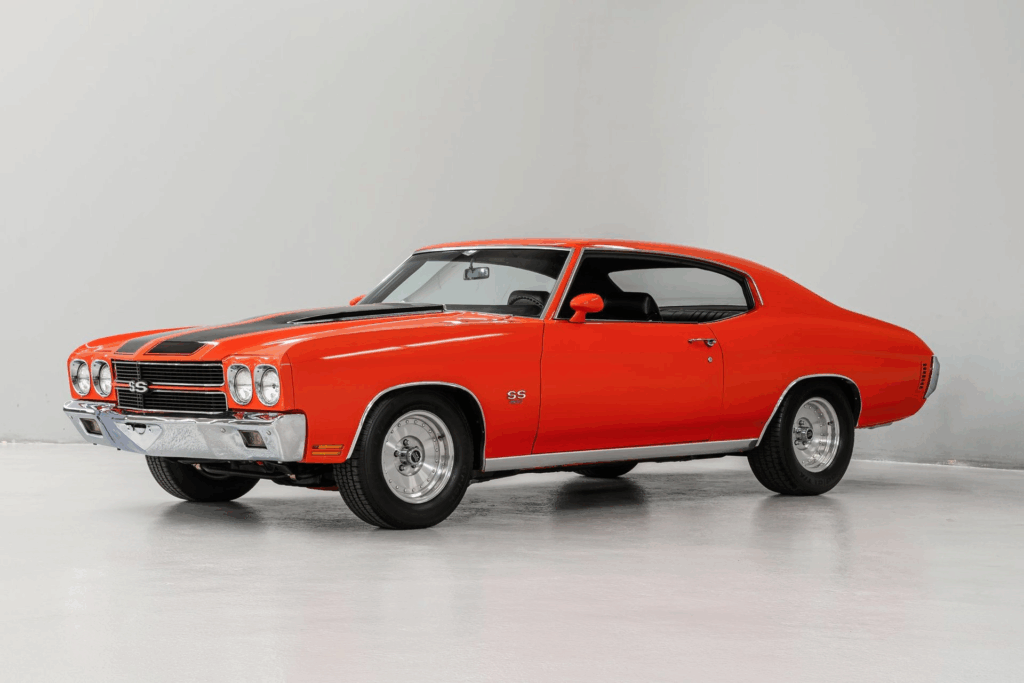
Market corrections just made these GM muscle legends affordable for the first time in years, with prices dropping enough to matter. The Camaro’s aggressive nose and hidden headlights scream performance, while the Chevelle SS wears clean lines that age better than bell-bottom jeans.
GTO models pioneered the muscle car template with bold styling that still intimidates modern supercars. Z/28, SS, and Judge trim levels pack the most visual impact with stripes, scoops, and stance that announces serious horsepower. The recent 10% market downturn creates buying opportunities that disappeared during the crazy pricing of 2021-2022.
Camaro, Chevelle, GTO (Interior)

These GM muscle cars offer surprisingly comfortable cabins with supportive bucket seats and driver-focused layouts. Original interiors featured optional gauges, center consoles, and premium materials that reflected each car’s performance mission.
Chevelle SS models often included SS-specific steering wheels and trim pieces that add authenticity to restored examples. Watch for tribute cars masquerading as real SS or Z/28 models—documentation matters when you’re talking serious money. Quality restorations preserve original designs while upgrading comfort and reliability for regular driving.