

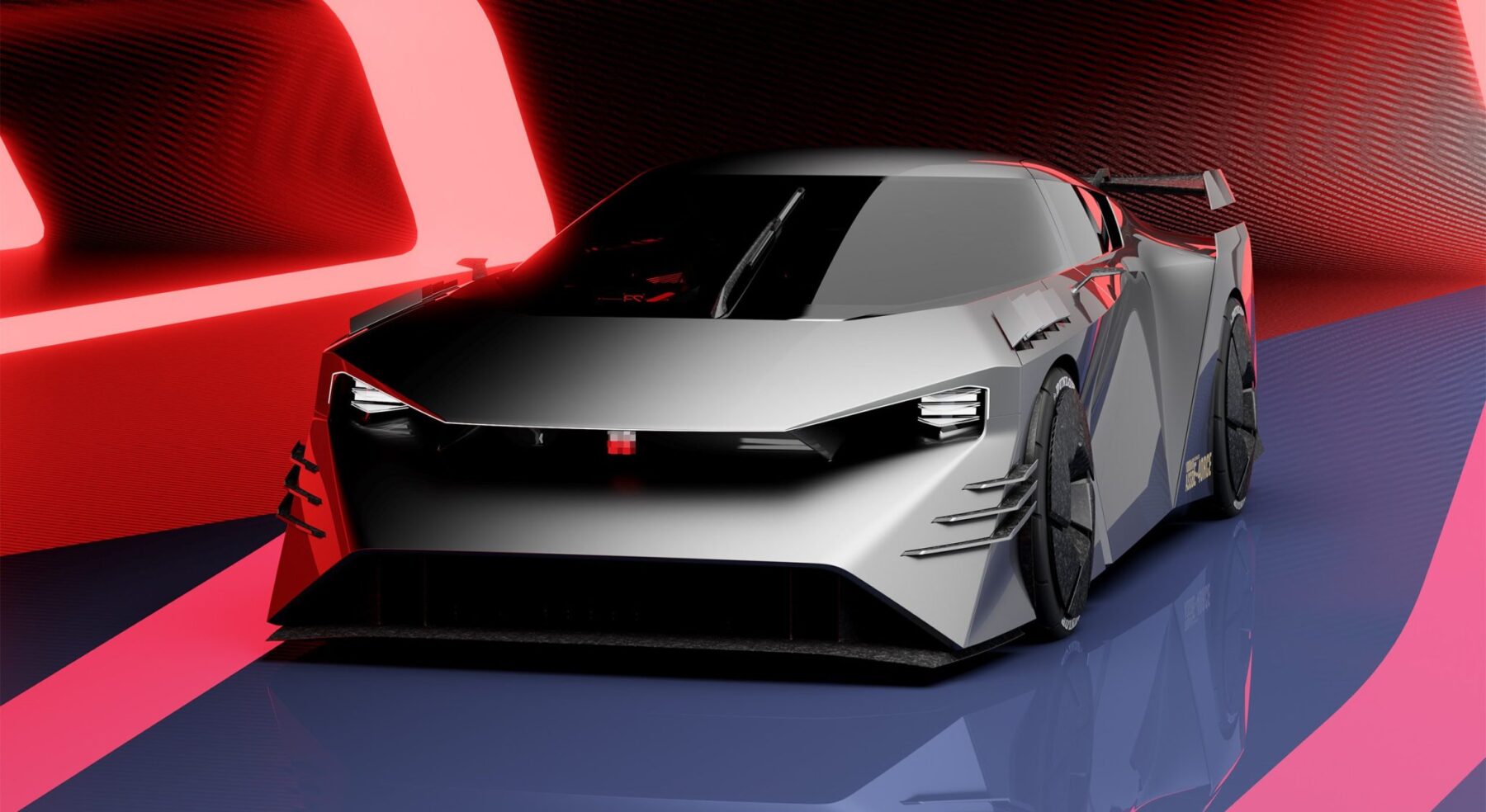
Political chaos in Washington isn’t just affecting healthcare and taxes—it’s delaying one of Japan’s most legendary supercars. The next-generation Nissan GT-R sits in development purgatory while engineers wait for clarity on U.S. emissions regulations that won’t be settled until after 2028.
Think of it like Netflix keeping your favorite series in production limbo because they can’t predict subscriber trends.
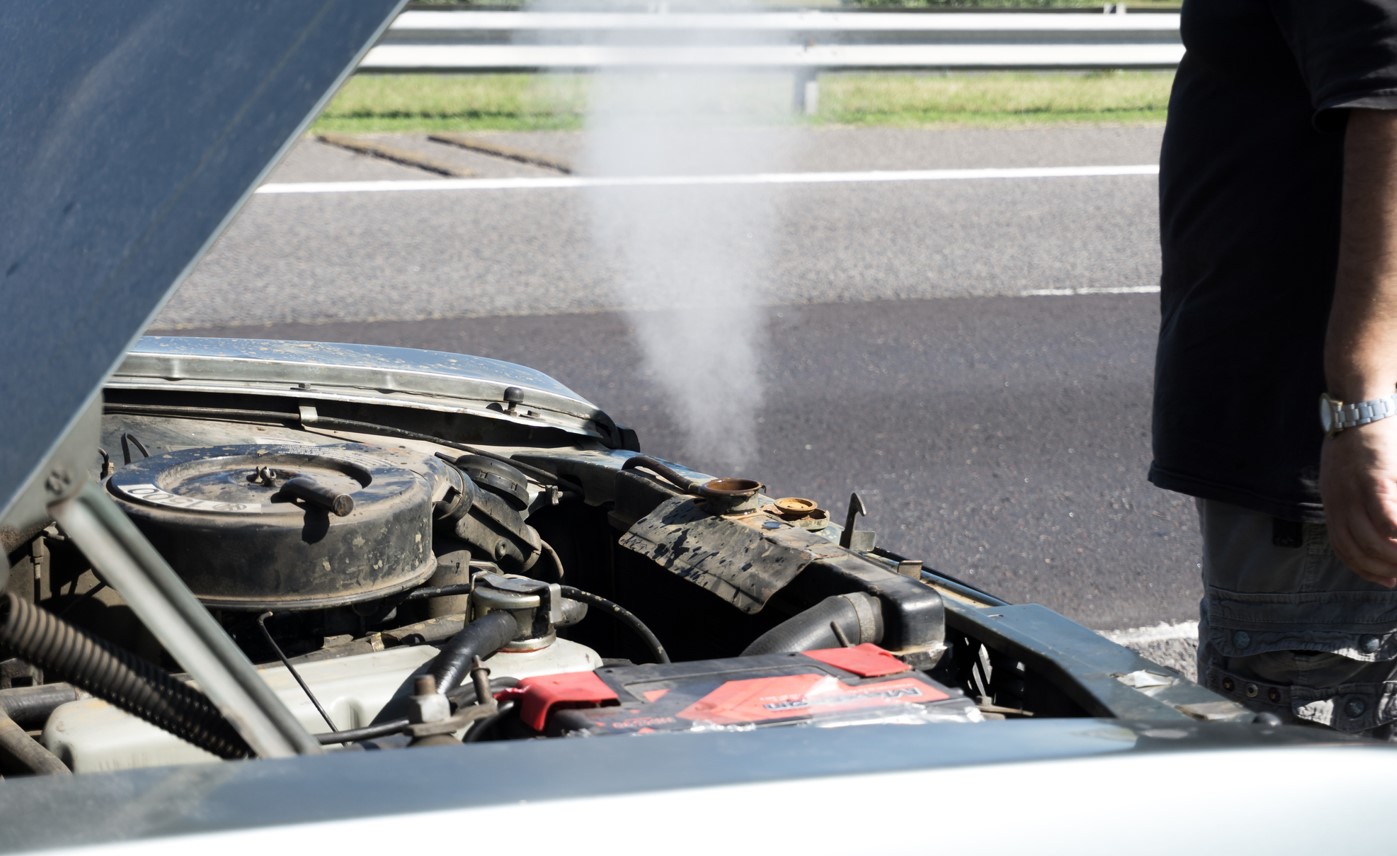
Emissions Compliance Kills Current Godzilla
The R35’s 18-year run ends as modern standards prove too tough for the aging platform.
Nissan Senior VP Ponz Pandikuthira confirmed in Yokohama that regulatory uncertainty is forcing delays on the R36 GT-R project. The current R35 generation couldn’t meet today’s emissions standards, ending production after nearly two decades of terrorizing racetracks worldwide.
The replacement demands hybrid technology—not full electric, since track warriors need power that doesn’t require 20-minute charging breaks mid-Nürburgring session.
Key Development Details:
- Hybrid powertrain retaining the beloved VR38 engine block
- 3-5 year timeline dependent on regulatory clarity
- Concrete announcements expected by 2028
- Dedicated Japanese enthusiast team actively working despite delays
Engineering Passion Meets Political Reality
Nissan’s sports car commitment faces Washington’s regulatory unpredictability.
CEO Ivan Espinosa confirmed that a devoted Japanese engineering team continues GT-R development regardless of political headwinds. The project represents more than profit margins—it’s central to Nissan’s brand identity during a broader corporate turnaround that’s culling underperforming models while doubling down on enthusiast favorites.
Nissan says, “The GT-R has become synonymous with excitement and high performance, reflecting its focus on delivering a pure driving experience.” This philosophy explains why engineers chose hybrid over full electric, prioritizing track capability over regulatory convenience. For enthusiasts wondering about other cars coming from manufacturers worldwide, performance priorities remain paramount.
The delays reflect broader automotive industry challenges where manufacturers must engineer vehicles for regulations that don’t yet exist, influenced by political administrations that change every four years.
When Icons Wait for Politicians
GT-R delays highlight how regulatory uncertainty affects global automotive development.
The GT-R situation illustrates how American political uncertainty ripples through international automotive development. Japanese engineers who perfected the art of extracting maximum performance now wait for Washington to decide emission standards, creating an unusual intersection of horsepower and politics. The GT-R’s legacy among JDM cars continues inspiring enthusiasts while bureaucracy stalls its successor.