

So, you’re staring at your trusty automatic transmission vehicle, maybe it’s broken down, maybe you’re moving, and the question pops into your head: “Can I tow this thing?” It’s a question that’s launched a thousand forum threads and caused countless roadside headaches. The answer, unfortunately, isn’t a simple yes or no. Towing an automatic car requires understanding the nuances of how these transmissions work and the potential damage that can occur if you get it wrong. This article will cut through the confusion, providing you with the knowledge you need to tow your automatic vehicle safely (or know when to call a professional).
Key Takeaways:
- Automatic transmissions are different: Unlike manuals, they rely on fluid pressure to lubricate and operate. Towing incorrectly can starve them of this lubrication.
- Flat towing (all four wheels on the ground) is generally a no-no: Unless specific conditions are met (and often, they aren’t).
- Dollies and flatbeds are your friends: These methods lift the drive wheels off the ground, preventing transmission damage.
- Read your owner’s manual: Seriously, it’s the bible for your specific vehicle. It will have the definitive answer for your make and model.
- When in doubt, call a professional: A tow truck is cheaper than a new transmission.
Understanding the Basics of Towing an Automatic Car
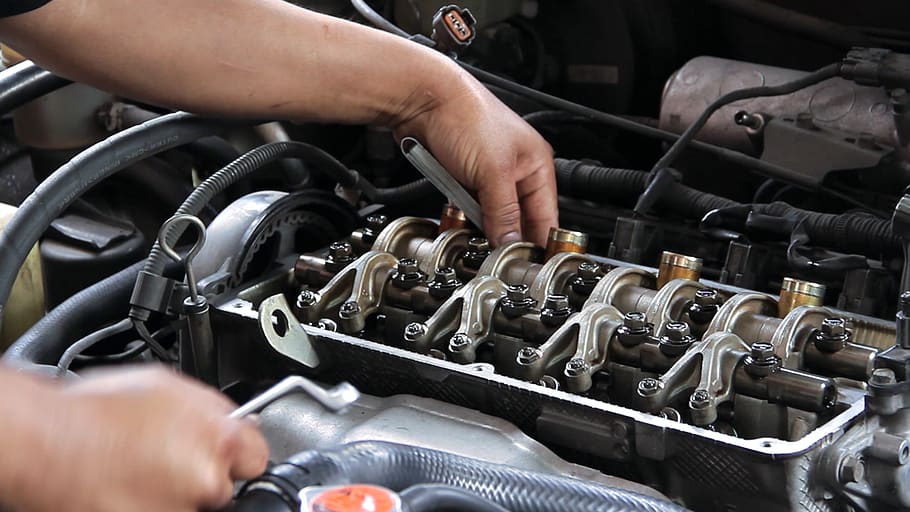
Let’s break down why towing an automatic car is more complicated than towing a manual. Automatic transmissions use a torque converter, a fluid coupling, to transfer power from the engine to the wheels. When the engine isn’t running, the transmission’s internal pump isn’t circulating fluid. This means that if the drive wheels are turning (as they would be in a flat tow), the internal components are spinning without proper lubrication. Think of it like running an engine without oil – not good!
Imagine your transmission as a complex clock. All those gears and intricate parts need oil to keep ticking smoothly. Towing without lubrication is like throwing sand into the gears. It creates friction, generates heat, and leads to premature wear and, ultimately, failure. The severity of the damage depends on the distance towed and the speed.
Importance and Implications
Why does this matter to you? Well, a new transmission is expensive. Really expensive. We’re talking thousands of dollars in parts and labor. Even a used transmission can set you back a significant amount. Avoiding transmission damage is crucial for maintaining the value and reliability of your vehicle.
Beyond the financial implications, there’s the safety aspect. A damaged transmission can fail unexpectedly, potentially leading to a loss of control while driving. This is especially dangerous if you’re towing another vehicle. Proper towing procedures are not just about protecting your car; they’re about protecting yourself and others on the road.
Practical Applications and Strategies
So, how can you tow an automatic car safely? Here are your options:
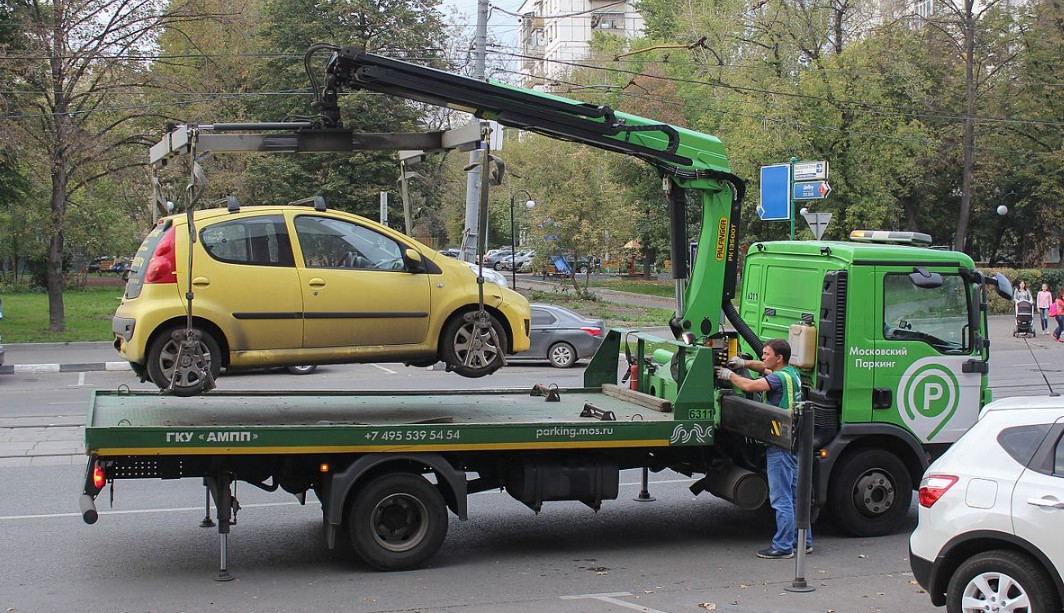
- Flatbed Tow Truck: This is the safest method. The entire vehicle is lifted onto the truck, eliminating any stress on the transmission.
- Tow Dolly: A tow dolly lifts only the front wheels off the ground. This is a viable option for front-wheel-drive vehicles. Ensure the drive wheels are the ones lifted.
- Flat Towing (with specific conditions): Some automatic vehicles can be flat towed, but only under very specific circumstances. These usually involve a neutral tow mode that disengages the transmission. Consult your owner’s manual! Even then, there may be speed and distance limitations.
Tips and Best Practices:
- Always consult your owner’s manual: This is the most important step. It will provide specific instructions for your vehicle.
- Disconnect the driveshaft (if possible): On some rear-wheel-drive vehicles, you can disconnect the driveshaft to prevent the transmission from turning. This is a more involved process and should only be done by someone with mechanical experience.
- Keep the speed low: If flat towing is unavoidable (and permitted), keep your speed below 35 mph.
- Limit the distance: The shorter the distance, the better. Ideally, keep it under 50 miles.
- Check the transmission fluid: After towing, check the transmission fluid level and condition. If it’s low or smells burnt, have it inspected by a mechanic.
Common Pitfalls to Avoid:
- Ignoring the owner’s manual: This is the biggest mistake people make.
- Assuming all automatics are the same: Towing procedures vary from vehicle to vehicle.
- Towing too fast or too far: This will almost certainly damage the transmission.
- Not securing the vehicle properly: Ensure the towed vehicle is securely attached to the tow vehicle.
Expert Insights
I spoke with Bob, a seasoned mechanic with over 30 years of experience, about this topic. “I’ve seen countless transmissions ruined by improper towing,” he said. “People think they can get away with it, but it’s just not worth the risk. A tow truck is always the best option, especially for automatics.” He emphasized the importance of reading the owner’s manual and following the manufacturer’s recommendations.
Conclusion:
Towing an automatic car requires careful consideration and adherence to specific guidelines. While it’s possible in some cases, it’s often best to err on the side of caution and opt for a flatbed tow truck. Remember, a little preventative action can save you a lot of money and headaches down the road. Always consult your owner’s manual, follow the recommended procedures, and when in doubt, call a professional.
Frequently Asked Questions:
What is towing an automatic car?
Towing an automatic car refers to the process of pulling a vehicle with an automatic transmission behind another vehicle, either with all four wheels on the ground (flat towing) or with some wheels lifted.
Why is towing an automatic car important for Everyone?
Understanding the proper towing procedures for automatic cars is crucial to prevent costly transmission damage and ensure safety on the road. Improper towing can lead to expensive repairs and potentially dangerous situations.
How can I apply the concepts of towing an automatic car in my context?
Always consult your vehicle’s owner’s manual for specific towing instructions. If flat towing is necessary, follow the recommended speed and distance limitations. Consider using a tow dolly or flatbed tow truck for safer transport.
Where can I learn more about towing an automatic car?
Your vehicle’s owner’s manual is the best resource. You can also consult with a qualified mechanic or search online for reputable automotive websites and forums.