

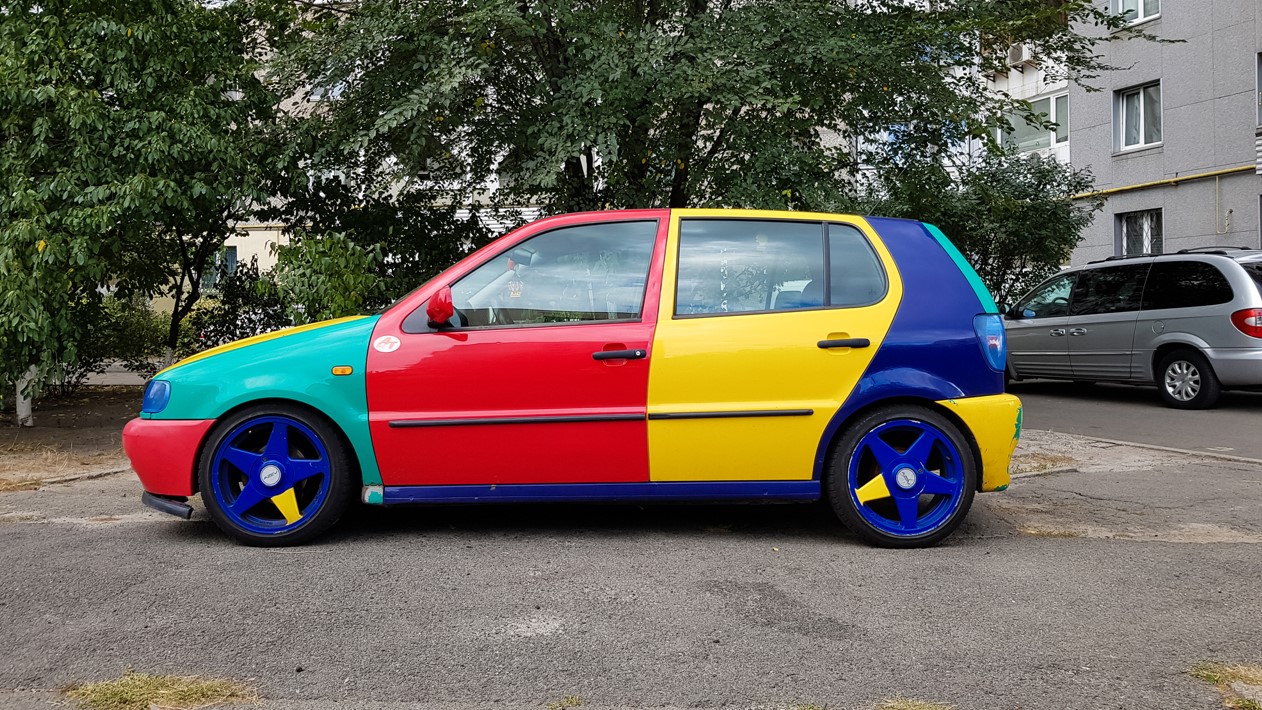
So, you’re a tuner, a gearhead, a speed freak. You live and breathe horsepower, torque curves, and the sweet symphony of a perfectly tuned engine. You’ve got a vision for your ride, a masterpiece in metal and rubber. But hold on a second, before you go full send on that turbo kit and neon underglow, let’s talk about something that might make your inner accountant weep: resale value. We’ve all seen those heavily modified cars languishing on classifieds, priced lower than a base model with twice the mileage. Why? Because over-modding can absolutely destroy your car’s resale value. This article will delve into the hows and whys, offering insights to help you build a beast without breaking the bank (when you eventually decide to sell).
Key Takeaways:
- Understand the Line: There’s a sweet spot between tasteful upgrades and irreversible modifications.
- Consider the Buyer: Not everyone shares your specific taste. Modifications that appeal to a niche audience can limit your potential buyers.
- Document Everything: Keep meticulous records of all modifications, parts used, and professional installations. This adds credibility and transparency.
- Think Long-Term: Before making any modification, consider its potential impact on the car’s future value.
- OEM is Your Friend: Retain original parts whenever possible. They can be reinstalled to restore the car to a more stock configuration.
Understanding the Basics of Why Over-Modding Can Destroy Resale Value
Let’s face it, your car is an investment, even if it feels like a toy. And like any investment, its value fluctuates. Over-modding, in this context, refers to alterations that deviate significantly from the original factory specifications, often catering to a very specific taste or performance goal. Think of it like this: a chef adding too much spice to a dish. A little chili can enhance the flavor, but a whole jar can ruin it. Similarly, a well-chosen exhaust system can improve performance and sound, but a full-blown engine swap with questionable wiring and a custom body kit might scare off potential buyers.
Why? Because most buyers are looking for a reliable, predictable vehicle. They don’t want to inherit someone else’s project, especially one that might be riddled with hidden problems. Modifications often introduce complexity and potential points of failure. A potential buyer might see your heavily modified car as a ticking time bomb, a money pit waiting to happen.
Importance and Implications
Why should you, a dedicated tuner, care about resale value? Several reasons:
- Funding Future Projects: Selling your current car can provide the capital for your next build. A higher resale value means more money to play with.
- Financial Responsibility: Even if you plan to keep your car forever (we’ve all said that, right?), life happens. Unexpected expenses can force you to sell, and a higher resale value provides a financial safety net.
- Avoiding a Loss: Nobody wants to sell their car for pennies on the dollar. Over-modding can significantly reduce the pool of interested buyers, forcing you to accept a lower price.
The implications are clear: thoughtful modifications can enhance your driving experience and potentially increase value, while reckless over-modding can lead to a significant financial loss.
Practical Applications or Strategies
So, how do you strike the right balance? Here are some practical tips:
- Focus on Performance Enhancements: Upgrades that improve performance without drastically altering the car’s appearance (e.g., ECU tuning, suspension upgrades, brake improvements) are generally more appealing to a wider audience.
- Choose Reputable Brands: Stick with well-known and respected brands. Quality parts are more likely to be seen as an asset rather than a liability.
- Keep it Reversible: Whenever possible, choose modifications that can be easily reversed. This allows you to restore the car to its original condition if necessary.
- Document Everything: Maintain a detailed record of all modifications, including receipts, installation dates, and any relevant maintenance information. This demonstrates transparency and builds trust with potential buyers.
- Consider the Target Market: Think about who might be interested in buying your car in the future. A track-focused build might appeal to a niche audience, while a more subtle upgrade package might attract a wider range of buyers.
Common Pitfalls to Avoid:
- Cutting Corners: Using cheap or unreliable parts can backfire, leading to performance issues and reduced resale value.
- Ignoring Safety Standards: Modifications that compromise safety (e.g., poorly installed roll cages, unsafe wiring) are a major turnoff for buyers.
- Neglecting Maintenance: Regular maintenance is crucial, especially for modified vehicles. Neglecting maintenance can lead to costly repairs and further reduce resale value.
Expert Insights or Case Studies
I’ve seen countless examples of over-modded cars struggling to find buyers. One that sticks out is a late-model Subaru WRX STI. The owner had installed a massive turbocharger, a complex standalone engine management system, and a custom exhaust that sounded like a jet engine taking off. While the car was undoubtedly fast, it was also incredibly temperamental and difficult to drive on the street. When he tried to sell it, he received very few offers, and those that came in were significantly below market value. Potential buyers were scared off by the complexity and potential reliability issues.
On the other hand, I’ve also seen examples of tastefully modified cars that sold for a premium. These cars typically featured high-quality parts, professional installation, and a focus on overall performance and reliability. The key is to enhance the car’s strengths without compromising its usability or reliability.
The Importance of Professional Installation
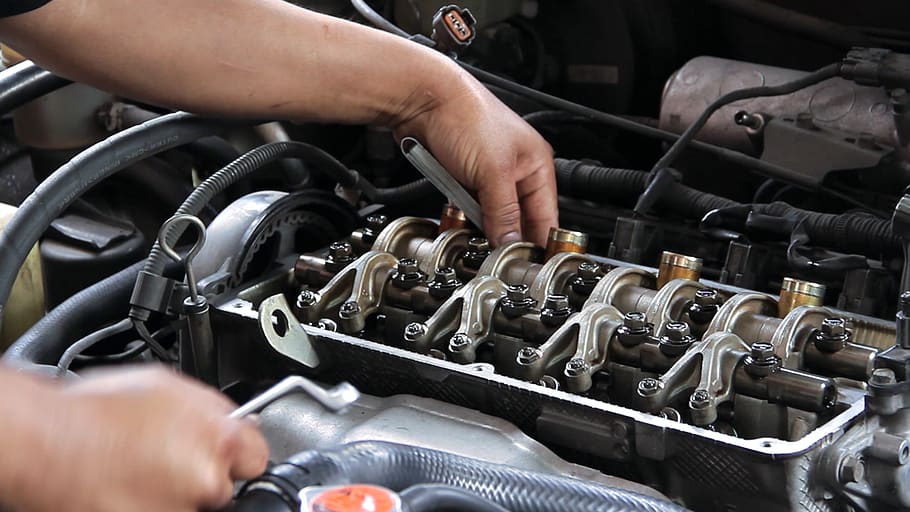
Even the best parts can be rendered useless (or even dangerous) if installed incorrectly. Professional installation ensures that modifications are performed to the highest standards, minimizing the risk of problems and maximizing performance. A certified mechanic can also provide valuable advice on choosing the right parts and ensuring compatibility.
Furthermore, professional installation adds credibility to your modifications. Potential buyers are more likely to trust modifications that have been performed by a qualified technician.
Conclusion:
Over-modding can be a costly mistake. By understanding the principles outlined in this article, you can make informed decisions about your modifications, enhancing your driving experience without sacrificing your car’s resale value. Remember to focus on quality, reliability, and reversibility, and always document your modifications thoroughly. Happy tuning!
Frequently Asked Questions:
What is Why Over-Modding Can Destroy Resale Value?
It’s the phenomenon where excessive or poorly executed modifications to a vehicle significantly reduce its market value compared to a similar, unmodified vehicle.
Why is Why Over-Modding Can Destroy Resale Value important for Tuners, gearheads, speed freaks?
Because it directly impacts their ability to recoup their investment in modifications when they eventually sell their car. It’s about balancing personal enjoyment with financial responsibility.
How can I apply the concepts of Why Over-Modding Can Destroy Resale Value in my context?
By carefully planning your modifications, choosing quality parts, documenting everything, and considering the potential impact on future buyers.
Where can I learn more about Why Over-Modding Can Destroy Resale Value?
Online forums dedicated to your specific car model, automotive enthusiast websites, and discussions with experienced mechanics or tuners are great resources.