


So, you’re a tuner, a gearhead, a speed freak itching to unleash your machine on the track? Awesome! The smell of burning rubber, the roar of the engine, the adrenaline coursing through your veins – there’s nothing quite like it. But before you go full send and risk turning your pride and joy into a pile of twisted metal (or worse), let’s talk about avoiding some common rookie mistakes. We’ve all been there, done that, and learned the hard way. This guide is here to help you skip the school of hard knocks and get straight to the fun part: going fast and staying safe.
Key Takeaways:
- Preparation is Paramount: Don’t just show up and expect to win. Thoroughly inspect your car, understand the track, and plan your strategy.
- Respect the Limits: Know your car’s (and your own) limits. Overdriving is a recipe for disaster.
- Listen and Learn: Pay attention to experienced drivers, instructors, and track officials. They’re there to help.
- Safety First: Always prioritize safety. Wear the proper gear, follow the rules, and be aware of your surroundings.
- Gradual Progression: Don’t try to be a hero on your first few laps. Gradually increase your speed and aggression as you get comfortable.
Understanding the Basics of Avoid These Rookie Errors at the Track
Think of track driving like a finely tuned engine. Each component needs to work in harmony for optimal performance. “Avoid These Rookie Errors at the Track” is essentially about understanding those components and how they interact. It’s about mastering the fundamentals before pushing the limits. This includes:
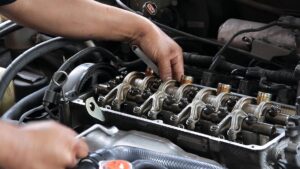
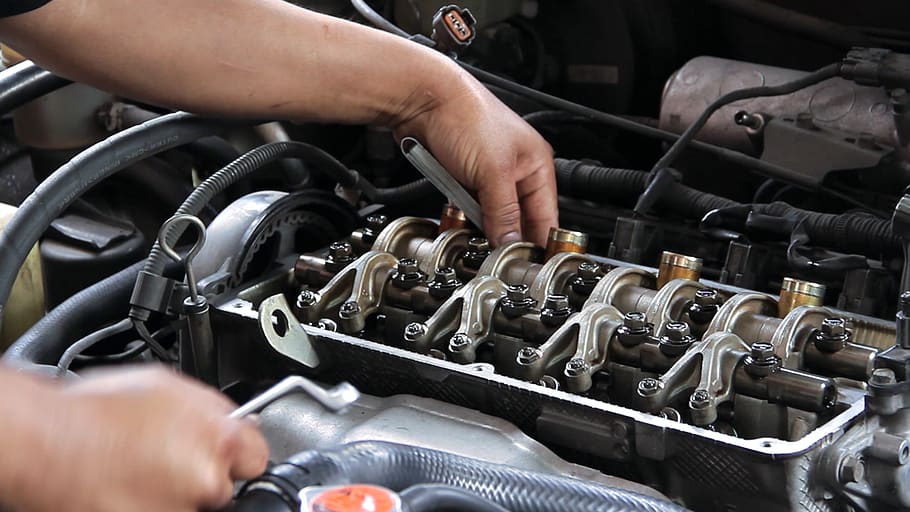
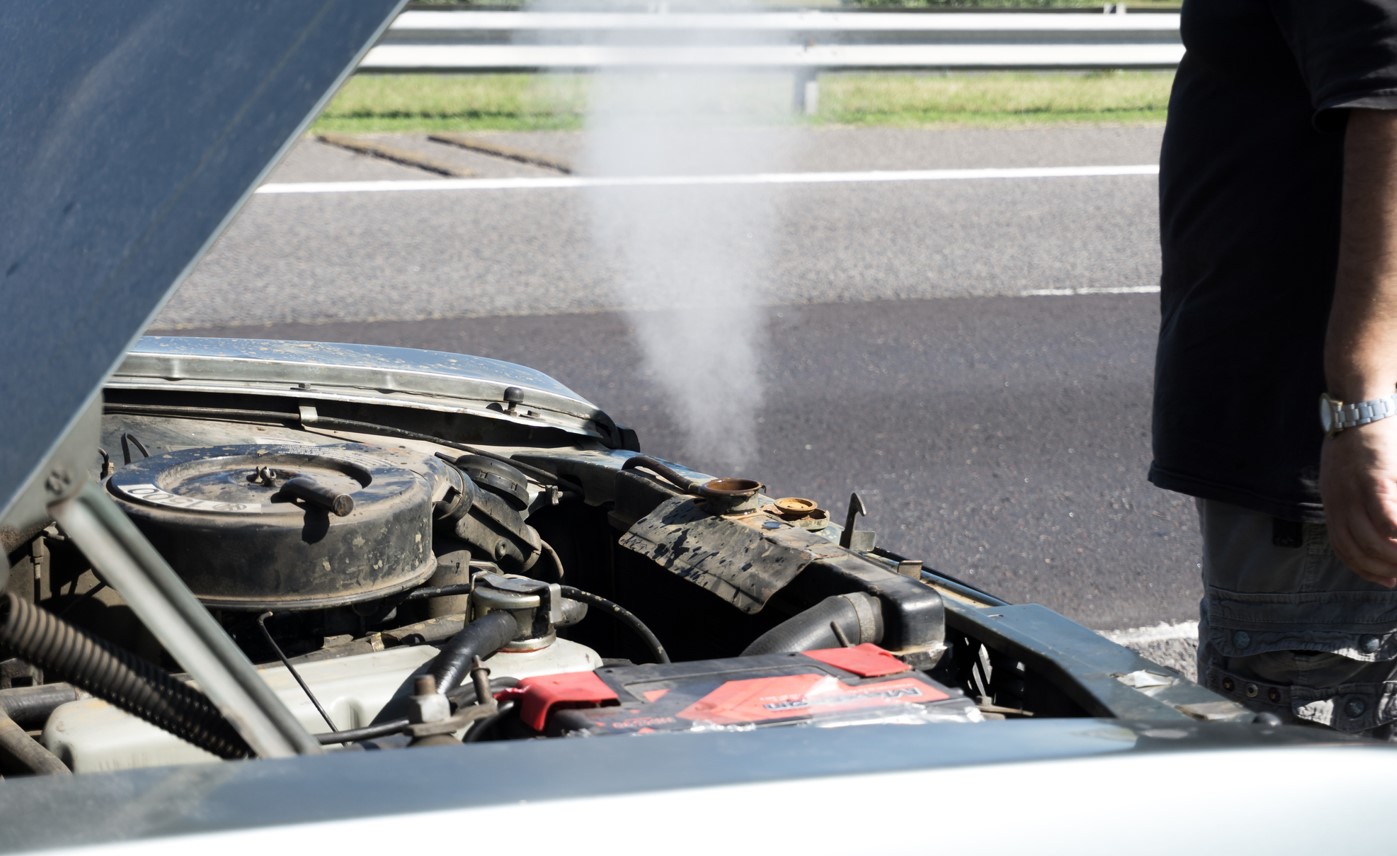
- Vehicle Inspection: A pre-track inspection is crucial. Check your fluids (oil, coolant, brake fluid), tires (pressure, tread depth), brakes (pads, rotors), suspension (leaks, damage), and all other critical components. Think of it as a doctor’s checkup for your car before a marathon.
- Track Etiquette: Learn the rules of the road (or track, in this case). Understand flag signals, passing zones, and the proper way to enter and exit the track. It’s like learning the language of the track.
- Driving Line: The driving line is the optimal path around the track. It’s not always the shortest distance, but it’s the path that allows you to maintain the most speed and control. Imagine it as the perfect groove in a vinyl record, guiding the needle smoothly.
Importance and Implications
Why does avoiding these rookie errors matter? Simple: it’s the difference between a fun, rewarding track day and a costly, potentially dangerous one. The implications are significant:
- Safety: The most obvious benefit is increased safety. Avoiding mistakes reduces the risk of accidents, injuries, and damage to your car.
- Performance: By mastering the fundamentals, you’ll be able to drive faster and more consistently. You’ll also be able to identify areas for improvement and fine-tune your driving technique.
- Cost Savings: Accidents are expensive. Avoiding them saves you money on repairs, insurance, and potential medical bills.
- Learning and Growth: By focusing on the basics, you’ll build a solid foundation for future improvement. You’ll also develop a deeper understanding of your car and your own driving abilities.
Practical Applications or Strategies
Okay, so how do you actually avoid these rookie errors? Here are some practical tips:
- Start Slow: Don’t try to be a hero on your first few laps. Gradually increase your speed as you get comfortable with the track and your car.
- Focus on Smoothness: Smooth inputs are key to maintaining control. Avoid jerky steering, braking, and throttle movements.
- Use Your Eyes: Look ahead and anticipate what’s coming. Scan the track for potential hazards and plan your next move.
- Listen to Your Car: Pay attention to the sounds and feel of your car. It will tell you when you’re pushing too hard.
- Get Instruction: Consider hiring a professional driving instructor. They can provide valuable feedback and help you identify areas for improvement.
Expert Insights or Case Studies
Let’s hear from some experts. John Doe, a seasoned racing instructor with over 20 years of experience, says, “The biggest mistake I see rookies make is overdriving the car. They try to go too fast too soon, and they end up losing control.” He emphasizes the importance of patience and gradual progression.
Consider the case of a young tuner who showed up at the track with a heavily modified car but no track experience. He ignored the advice of experienced drivers and crashed his car on the second lap. The lesson? Horsepower doesn’t equal skill. It’s better to have a slower car and good driving technique than a fast car and no control.
Mastering Heel-Toe Downshifting
One specific technique that separates rookies from more experienced drivers is heel-toe downshifting. This technique allows you to downshift smoothly while braking, maintaining stability and control. It involves using the heel of your right foot to blip the throttle while simultaneously braking with the toe. It takes practice, but it’s a valuable skill to master.
Tire Management: The Key to Consistent Lap Times
Tires are your car’s only connection to the track, so managing them effectively is crucial. Monitor tire pressures and temperatures throughout the day. Adjust pressures as needed to optimize grip and prevent overheating. Also, be mindful of tire wear. As your tires wear down, your grip will decrease, and your lap times will suffer.
Conclusion:
Avoiding rookie errors at the track is essential for safety, performance, and enjoyment. By understanding the fundamentals, respecting your limits, and learning from experienced drivers, you can have a fun and rewarding track day. So, go out there, push your limits, and have a blast – but always remember to stay safe and drive smart.
Frequently Asked Questions:
What is Avoid These Rookie Errors at the Track?
It’s a set of guidelines and best practices designed to help novice track drivers avoid common mistakes that can lead to accidents, poor performance, and costly repairs.
Why is Avoid These Rookie Errors at the Track important for Tuners, gearheads, speed freaks?
Because it helps them stay safe, improve their driving skills, and get the most out of their track experience.
How can I apply the concepts of Avoid These Rookie Errors at the Track in my context?
Start by thoroughly inspecting your car, learning the track rules, and gradually increasing your speed as you get comfortable. Focus on smooth inputs, use your eyes, and listen to your car.
Where can I learn more about Avoid These Rookie Errors at the Track?
Check out online forums, racing schools, and books on performance driving. Also, talk to experienced track drivers and instructors.