

The Ninth Circuit Court of Appeals delivered the verdict every gearhead has been waiting for. After decades of legal warfare, Eleanor—the legendary Mustang from Gone in 60 Seconds—can’t be copyrighted.
This isn’t just some boring legal footnote. For years, Denice Halicki’s Eleanor Licensing LLC has been the automotive equivalent of copyright police, shutting down custom builds and seizing completed cars. Builders can finally create Eleanor tributes without lawyers breathing down their necks.
The court’s reasoning cuts straight to the heart of the matter. Eleanor “lacks anthropomorphic qualities” and doesn’t have the character traits necessary for copyright protection. Unlike the Batmobile, which has a distinct personality and consistent design across films, Eleanor is another sports car in a car-centric action movie.
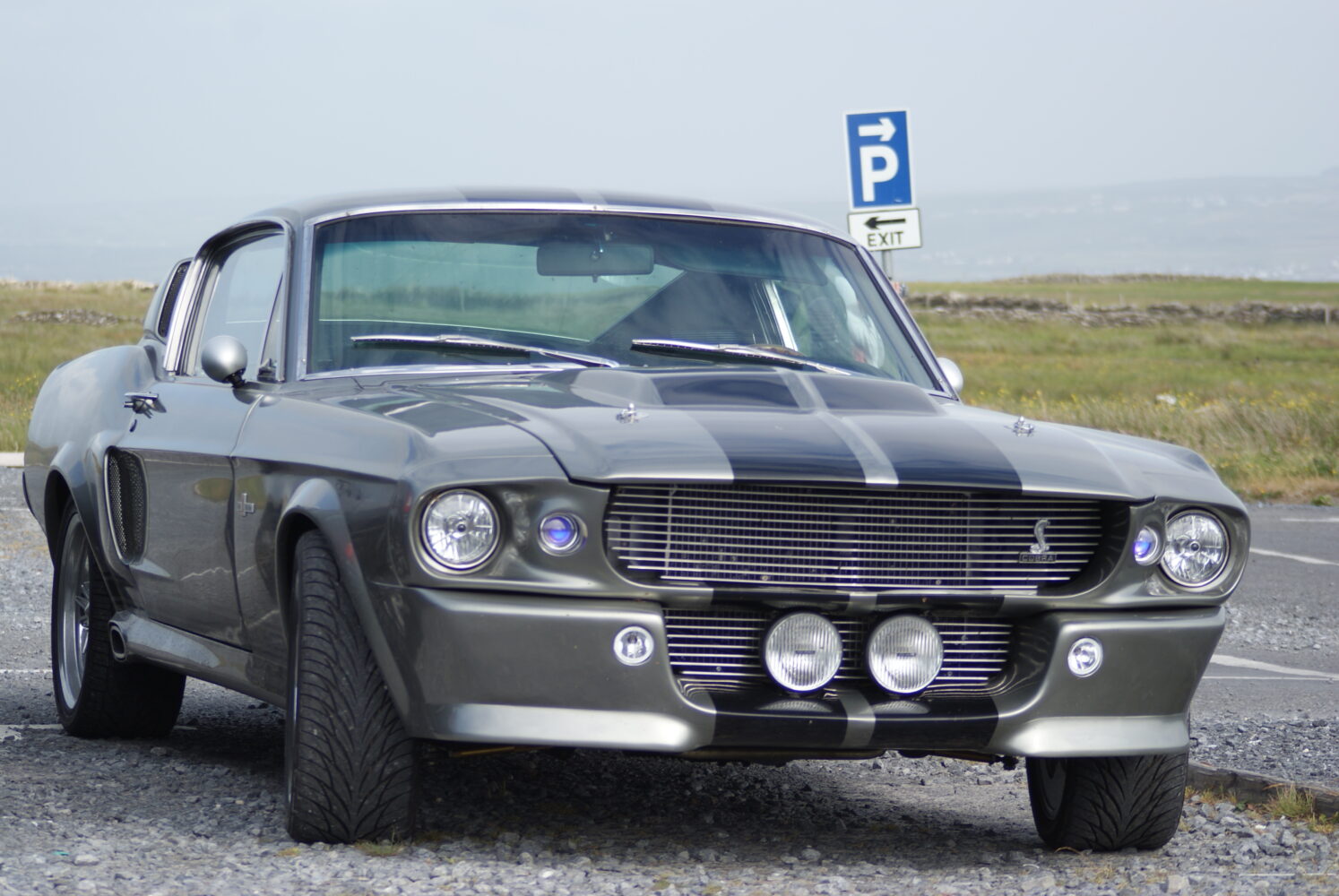
The technical differences between the original 1974 Eleanor and the 2000 remake helped kill the copyright claims. The ’74 version used a modified 1971 Mustang painted pale yellow, while the Nicolas Cage film featured a completely different 1967 GT500 in metallic pepper grey with black stripes.
These weren’t variations of the same design—they were entirely different vehicles that happened to share a name. The court recognized this, noting that Eleanor lacks “consistent traits across the films” and is “more akin to a prop” than a character.
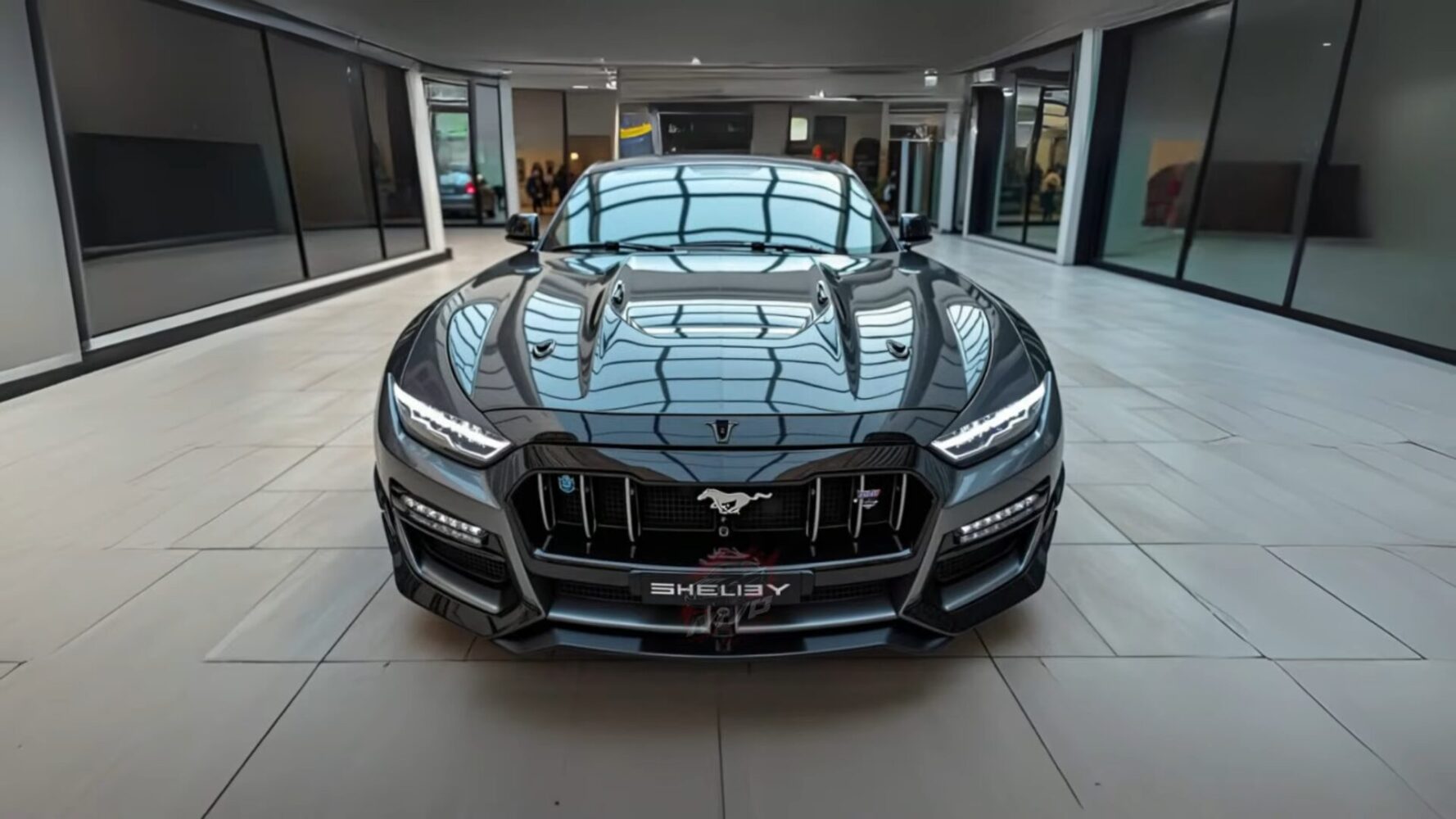
The 2009 settlement agreement that previously restricted Shelby’s ability to replicate Eleanor features like the distinctive hood and inset lighting is now largely moot. Custom shops that had shelved Eleanor projects for fear of legal action can dust off those plans. Companies like Cinema Vehicle Services, which produced the original movie car body kits, no longer face the threat of cease-and-desist letters for selling Eleanor-inspired components.
For Carroll Shelby’s company, this victory validates their approach to building continuation GT500s. Shelby American can now produce Eleanor-inspired vehicles under its branding without worrying about settlement violations or copyright infringement claims. The ruling permits builders to capture Eleanor’s spirit without getting trapped in legal quicksand.
Today’s Eleanor builds showcase technology that the movie cars never dreamed of. Modern tributes pack Roush 427 V8s producing 546 horsepower, Tremec 5-speed transmissions, and Detroit Speed suspension systems. These aren’t just pretty replicas—they’re legitimate performance machines that deliver the driving experience the movie promised.
The Eleanor copyright saga demonstrates how intellectual property law struggles with automotive culture. Cars aren’t characters, despite what Hollywood wants us to believe. They’re machines that inspire passion, creativity, and innovation—qualities that shouldn’t be locked behind licensing agreements.
This decision sets a crucial precedent for future automotive intellectual property disputes. The ruling could influence how other celebrity-owned movie cars like Paul Walker’s personal Nova are treated under copyright law, ensuring that automotive icons remain accessible to enthusiasts rather than locked away by licensing restrictions. Movie cars need genuine character traits to earn copyright protection, not just distinctive styling or cultural significance. For builders, manufacturers, and enthusiasts, that’s exactly the clarity the custom car world needed.