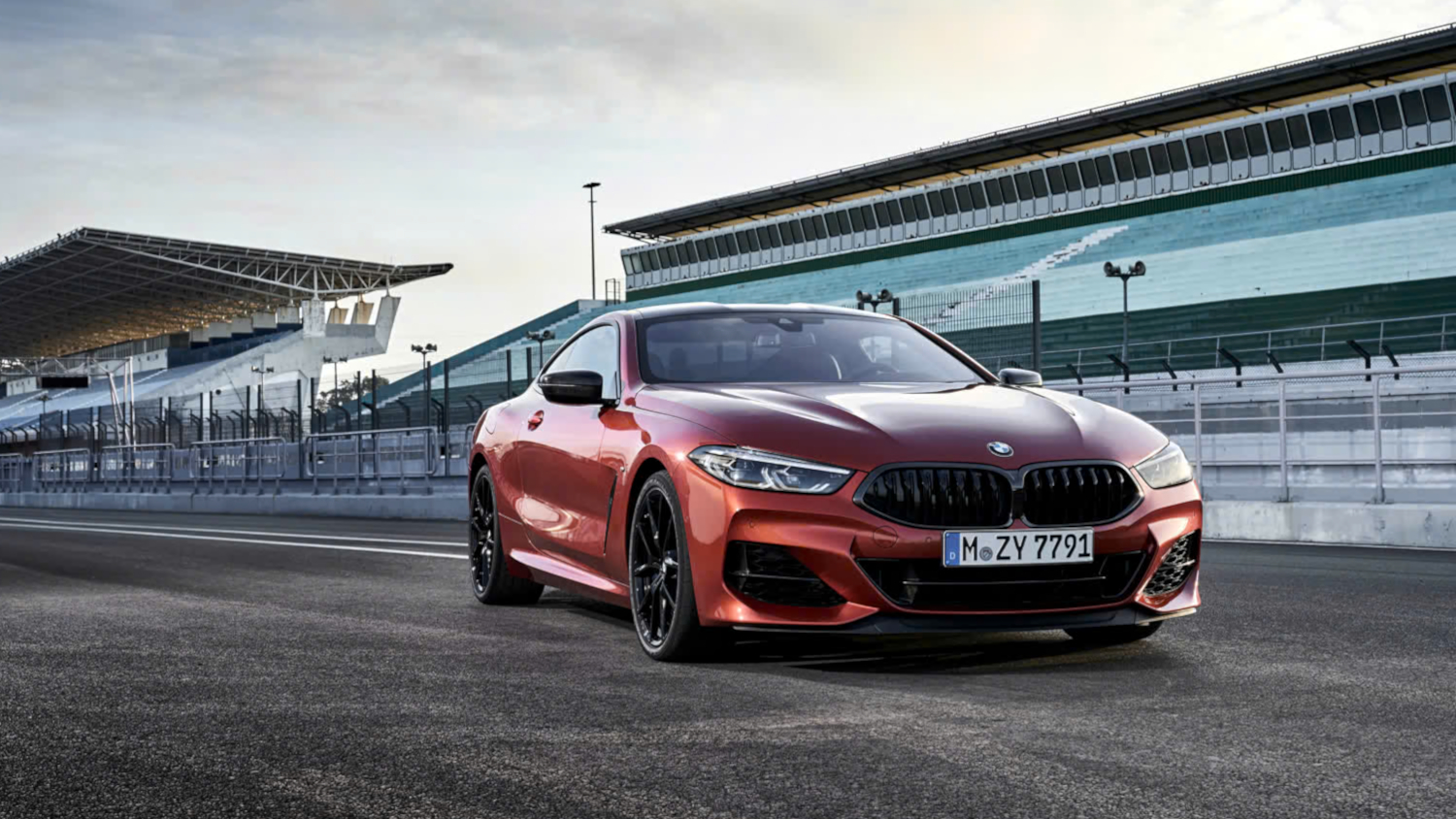



A 717-horsepower sedan can deliver total command on a mountain road, then leave drivers oddly defeated at a stoplight, fumbling through menus just to adjust the cabin temperature. That’s the 2027 BMW M5 in a sentence. It weighs approximately 5,390 pounds — a figure that varies by configuration — packs a plug-in hybrid system alongside its twin-turbo V8, and buries its controls behind capacitive, pressure-sensitive panels that demand both skin contact and deliberate force. Those glossy surfaces collect fingerprints like a crime scene. Impressive machine. Exhausting daily companion.
Glass Cabins, Real Frustrations
Screen-centered interiors can deliver extraordinary technology while introducing entirely ordinary friction.
The Volvo EX60 Ultra makes the same trade differently. Its credentials are legitimate: 503 horsepower, a 95-kWh battery, 800-volt architecture, and an estimated 16-minute charge from 10 to 80 percent at a 400-kW station for the P10 AWD configuration, according to Volvo’s specifications. The claimed range reaches up to 400 miles in the upcoming P12 AWD variant — a preliminary figure subject to EPA certification, with real-world results varying by weather, speed, and temperature. But adjusting your mirrors requires navigating the touchscreen. The included card-key drew criticism in Autoblog’s review for being less intuitive than a standard proximity fob. The tech is extraordinary. The friction is real.
Functions that many drivers may prefer to operate physically, based on the reviewed vehicles:
- Climate temperature and fan speed
- Audio volume
- Mirror adjustment
- Defrost activation
- Hazard lights
None of these are complex. All of them benefit from being findable without looking.
What to Actually Test Before You Buy
The Mazda CX-90’s deliberately tactile interior offers a useful benchmark for what usable simplicity actually feels like.
The Mazda CX-90 makes the counterargument quietly. Its physical control knob, dedicated climate buttons, and separate audio controls drew specific praise for tactile quality in Autoblog’s review — not because knobs are nostalgic, but because they work without demanding attention. The Turbo S produces 340 horsepower and 369 pound-feet of torque, paired with a rear-biased all-wheel-drive system. It doesn’t need to apologize for its interior.
Reliability data reinforces the point. According to the 2026 J.D. Power Vehicle Dependability Study — figures that should be verified against the original J.D. Power release before publication — Honda recorded 211 problems per 100 vehicles versus Toyota’s 185 and Nissan’s 194. Autoblog’s reporting on the study indicates Honda’s complaints were concentrated in infotainment, driver-assist systems, and cabin electronics rather than powertrain failures, though the underlying data should be checked before treating that as a definitive breakdown. The same study reportedly found battery-electric vehicles averaging 237 problems per 100, hybrids 213, and gasoline vehicles 198 — study-specific observations tied to a defined methodology, not universal verdicts on powertrain reliability.
Reliability now includes software. A car that never blows a head gasket but drops its Bluetooth connection every week still fails its owner in ways that show up in satisfaction scores.
Before the spec sheet seduces you, sit in the driver’s seat and adjust the mirrors, turn up the heat, and change the drive mode. Treat it as a personal test of usability. If routine tasks require multiple touchscreen steps, that’s the ownership experience — every single day.