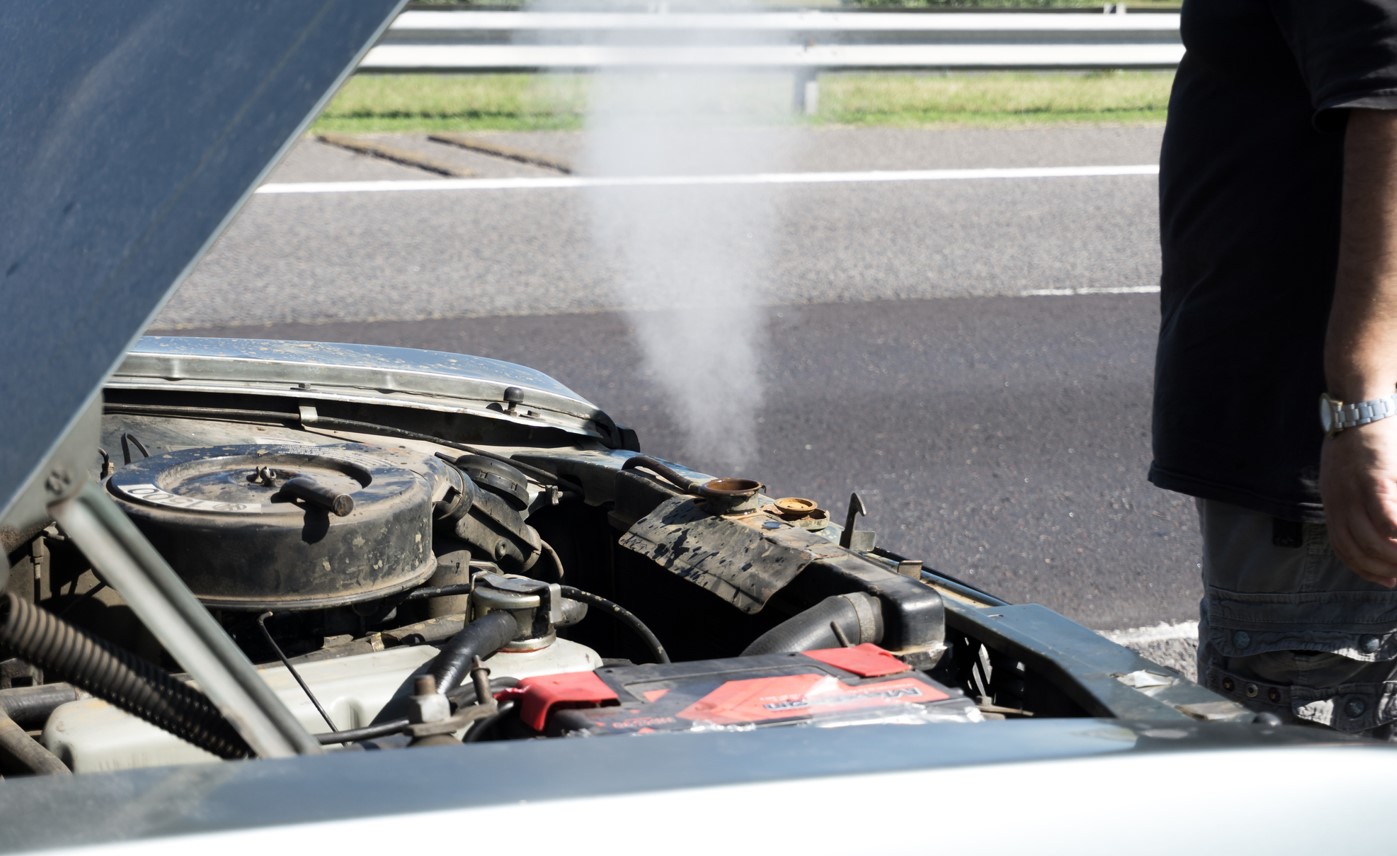


Ever caught a whiff of something sweet and slightly acrid coming from your car, a smell that vaguely reminds you of sugary cereal but with an unsettling chemical edge? If so, you’ve likely encountered the dreaded antifreeze smell. This isn’t just an unpleasant odor; it’s a potential warning sign your car is trying to tell you something important. Many drivers dismiss it, thinking it’s just a fleeting thing, but ignoring it can lead to serious engine damage and a hefty repair bill. This guide will break down everything you need to know about that telltale antifreeze smell, from the basics of what it is to practical steps you can take to address it. We’ll tackle common questions and equip you with the knowledge to diagnose the problem and keep your ride running smoothly.
Key Takeaways:
- Antifreeze Smell = Potential Problem: Don’t ignore it! It indicates a leak in your cooling system.
- Identify the Source: Learn how to pinpoint where the smell is coming from to narrow down the issue.
- Safety First: Antifreeze is toxic. Handle it with care and clean up any spills immediately.
- Regular Maintenance is Key: Prevent future leaks with routine cooling system checks.
- Know When to Call a Pro: Some repairs are best left to the experts.
Understanding the Basics of Why Do I Smell Antifreeze in My Car
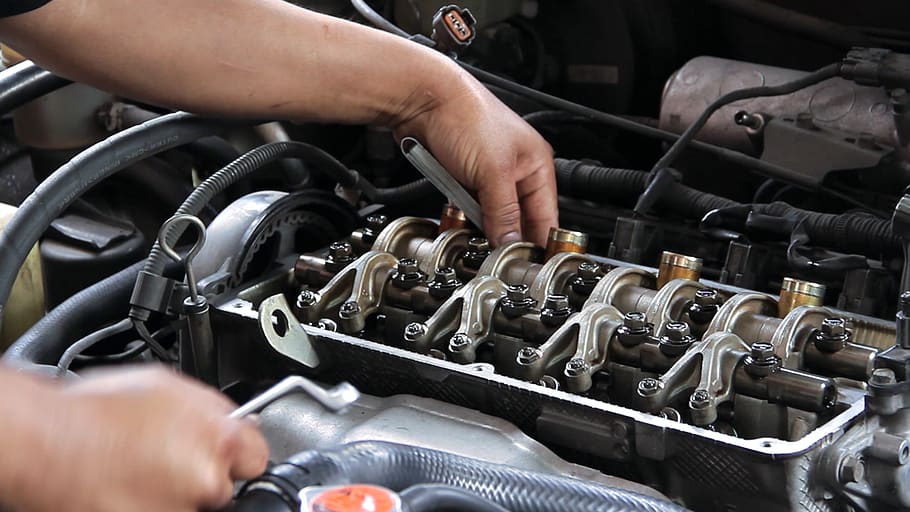
Let’s start with the fundamentals. That sweet smell you’re detecting is likely ethylene glycol, the primary ingredient in most antifreeze coolants. Its job is crucial: to regulate your engine’s temperature, preventing it from overheating in the summer and freezing in the winter. Think of it as the circulatory system for your car’s engine, constantly flowing to maintain optimal operating conditions. The cooling system consists of several key components: the radiator, water pump, hoses, thermostat, and, of course, the coolant itself. When this system is sealed and functioning correctly, you shouldn’t smell anything. However, when a leak develops, that sweet-smelling coolant escapes, often vaporizing on hot engine parts, creating the distinctive odor. Imagine a pressure cooker with a tiny leak – that’s essentially what’s happening in your cooling system.
Importance and Implications
Why is that antifreeze smell a big deal? Because it signifies a leak, and a leak means your engine isn’t getting the cooling it needs. Overheating can lead to catastrophic engine damage, including warped cylinder heads, blown head gaskets, and even a seized engine. These repairs can cost thousands of dollars. Beyond the financial implications, a coolant leak is also an environmental hazard. Antifreeze is toxic to humans and animals, so it’s crucial to address leaks promptly and clean up any spills thoroughly. Furthermore, a loss of coolant can leave you stranded on the side of the road, which is never a pleasant experience. Think of it this way: ignoring the antifreeze smell is like ignoring a persistent cough – it might seem minor at first, but it could be a symptom of a much larger problem.
Practical Applications or Strategies
Okay, you’ve identified the smell. Now what? Here’s a step-by-step approach:
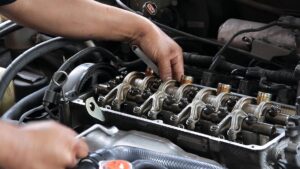
- Visual Inspection: Pop the hood and carefully inspect the engine bay. Look for any signs of coolant leaks – puddles, stains, or wet spots – around hoses, the radiator, water pump, and thermostat housing. A flashlight can be helpful.
- Check the Coolant Level: Locate the coolant reservoir (usually a translucent plastic tank) and check the coolant level. If it’s significantly lower than the