

TESLA CROWNED AMERICA’S DEADLIEST CAR BRAND
Tesla just earned a title Elon won’t be tweeting about.
The EV maker tops the list of America’s deadliest car brands with 5.6 fatal accidents per billion miles traveled, according to a comprehensive analysis of NHTSA data by iSeeCars.
Kia follows closely at 5.5 fatalities per billion miles, with Buick, Dodge, and Hyundai rounding out the top five most lethal brands on American roads.
DEATH BY THE NUMBERS
The fatality rates reveal a stark reality about which vehicles are most frequently involved in fatal crashes:
- The Hyundai Venue tops individual models with a fatal accident rate nearly five times the average
- The Chevrolet Corvette proves speed kills, landing second on the deadliest vehicles list
- Tesla’s Model Y makes a disturbing appearance high in the individual model rankings
Safety ratings and crash test scores tell only part of the story. These fatality statistics measure real-world outcomes – the cold, hard data of who’s dying in what.
DRIVER BEHAVIOR VS. VEHICLE DESIGN
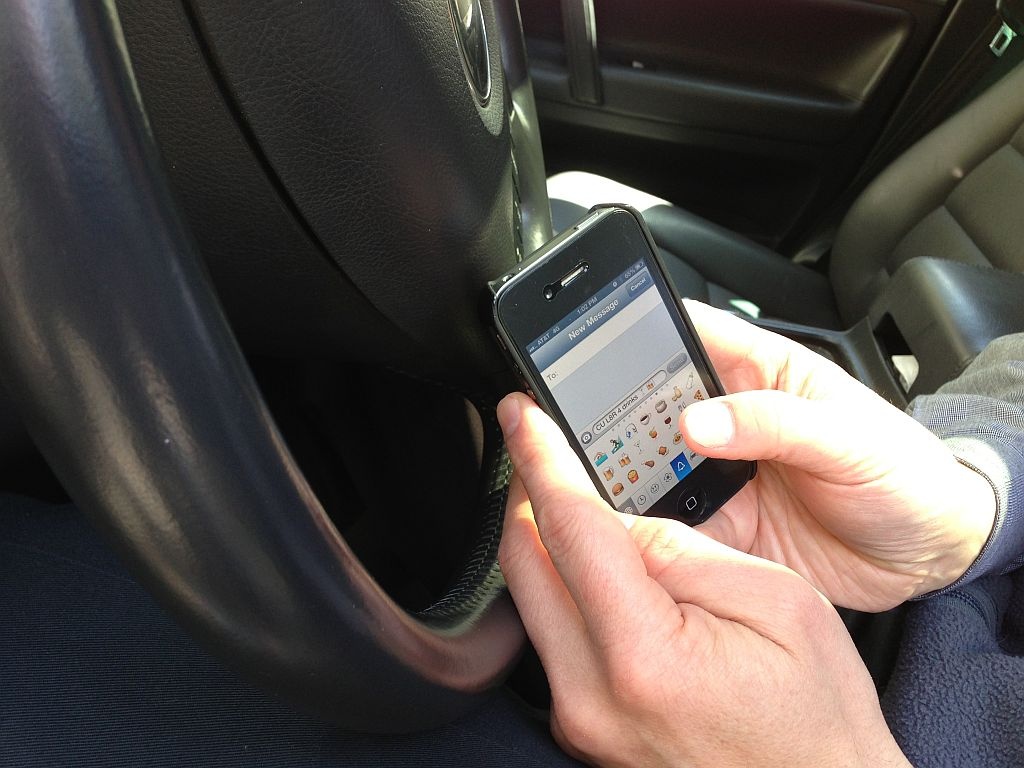
Karl Brauer, iSeeCars Executive Analyst, offers a sobering perspective: “A focused, alert driver is the most likely to arrive safely regardless of the vehicle they’re driving.”
The data doesn’t distinguish between deaths caused by vehicle design flaws versus driver behavior.
Tesla’s position is particularly interesting. The brand markets itself on safety innovations and autonomous capabilities, yet delivers the highest death rate per mile.
THE SAFEST BETS
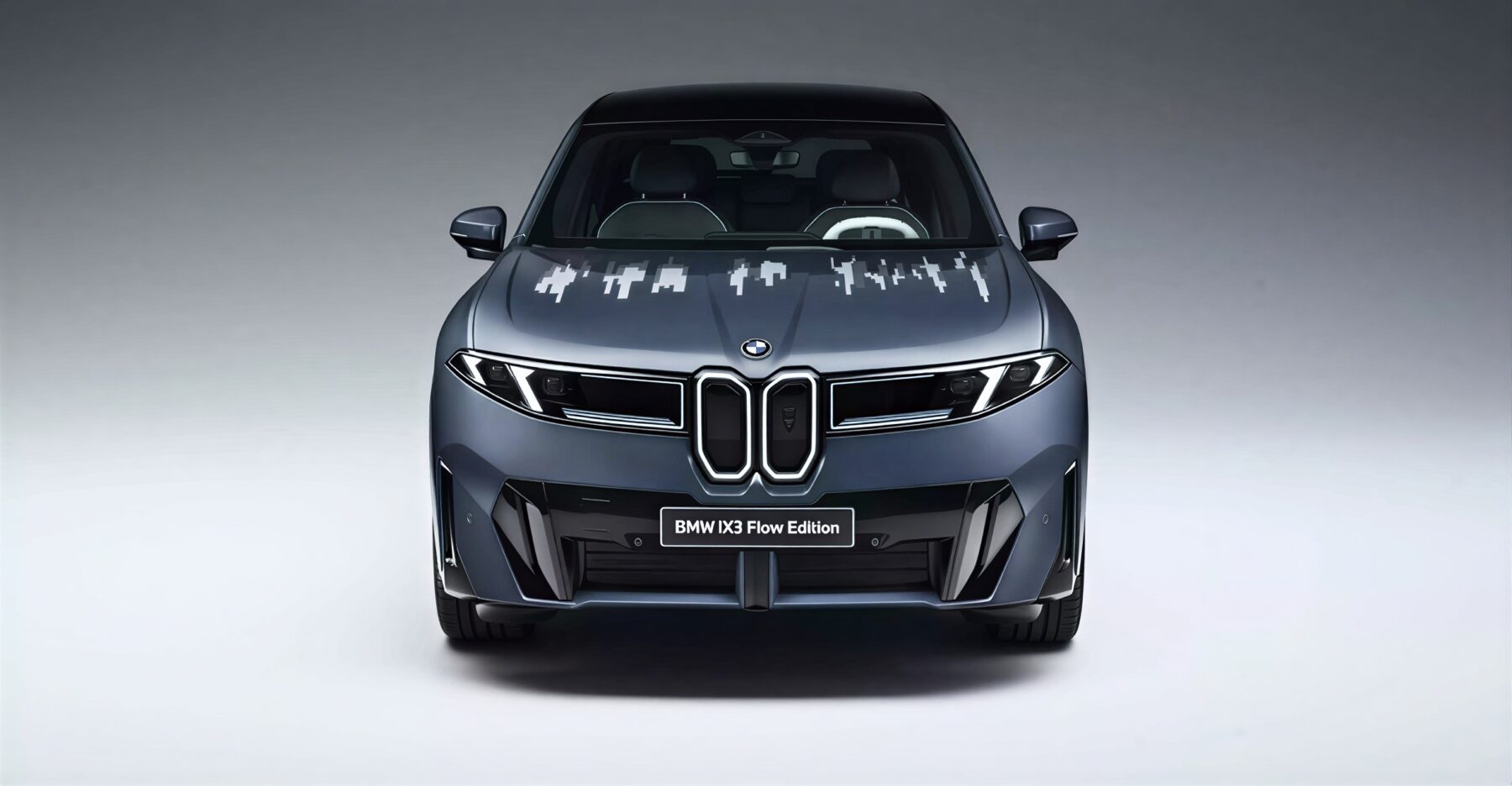
For those prioritizing survival over status, the statistics offer guidance. Toyota, Volkswagen, and BMW all show substantially lower fatality rates than the industry average.
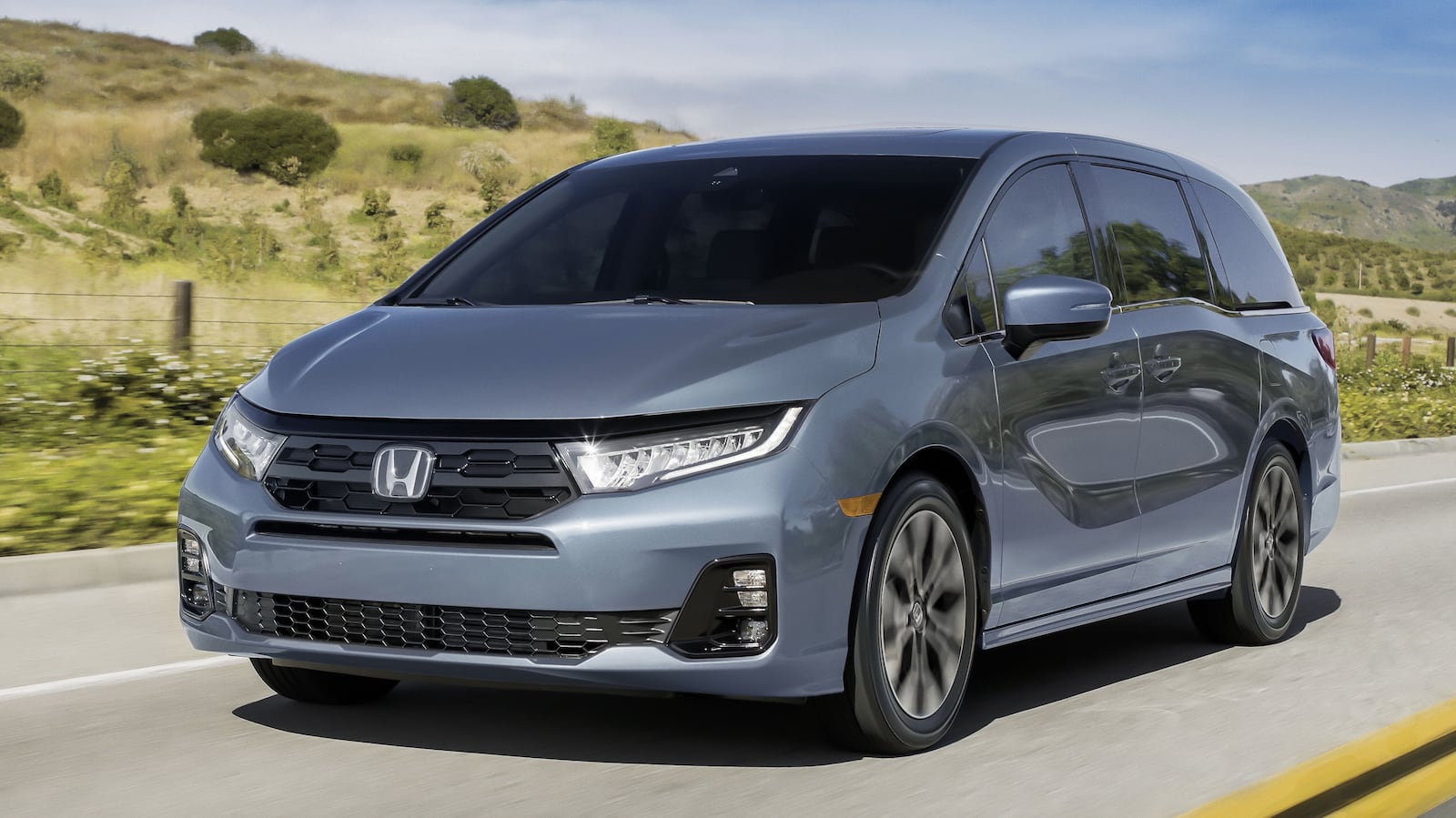
The Honda Odyssey minivan and Acura RDX SUV rank among the safest individual models with fatality rates approaching zero.
Driving enthusiasts face a stark choice: accept the risks that come with performance or opt for vehicles engineered to keep occupants alive when physics takes over.
Either way, the numbers don’t lie. And they’re written in blood.