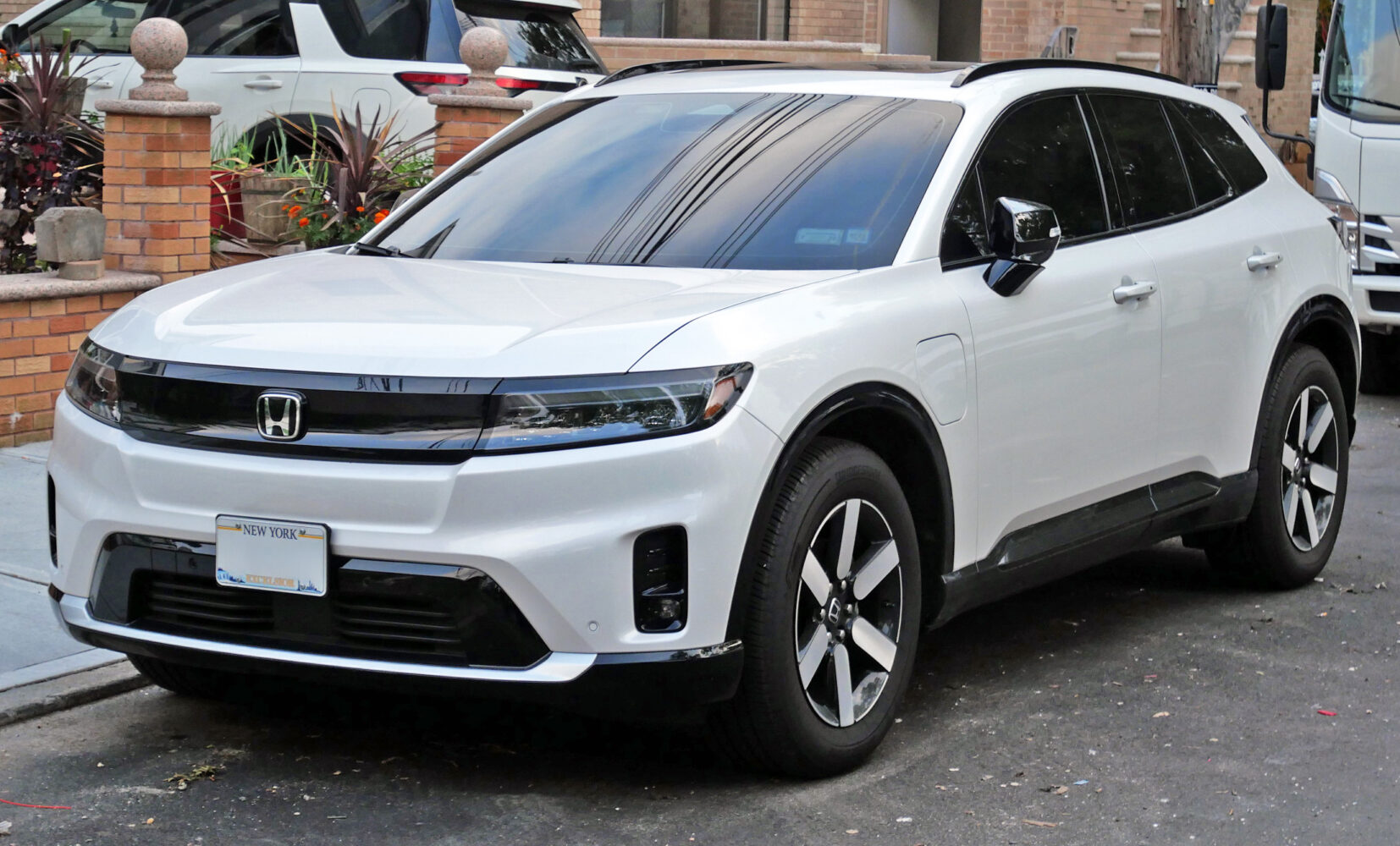


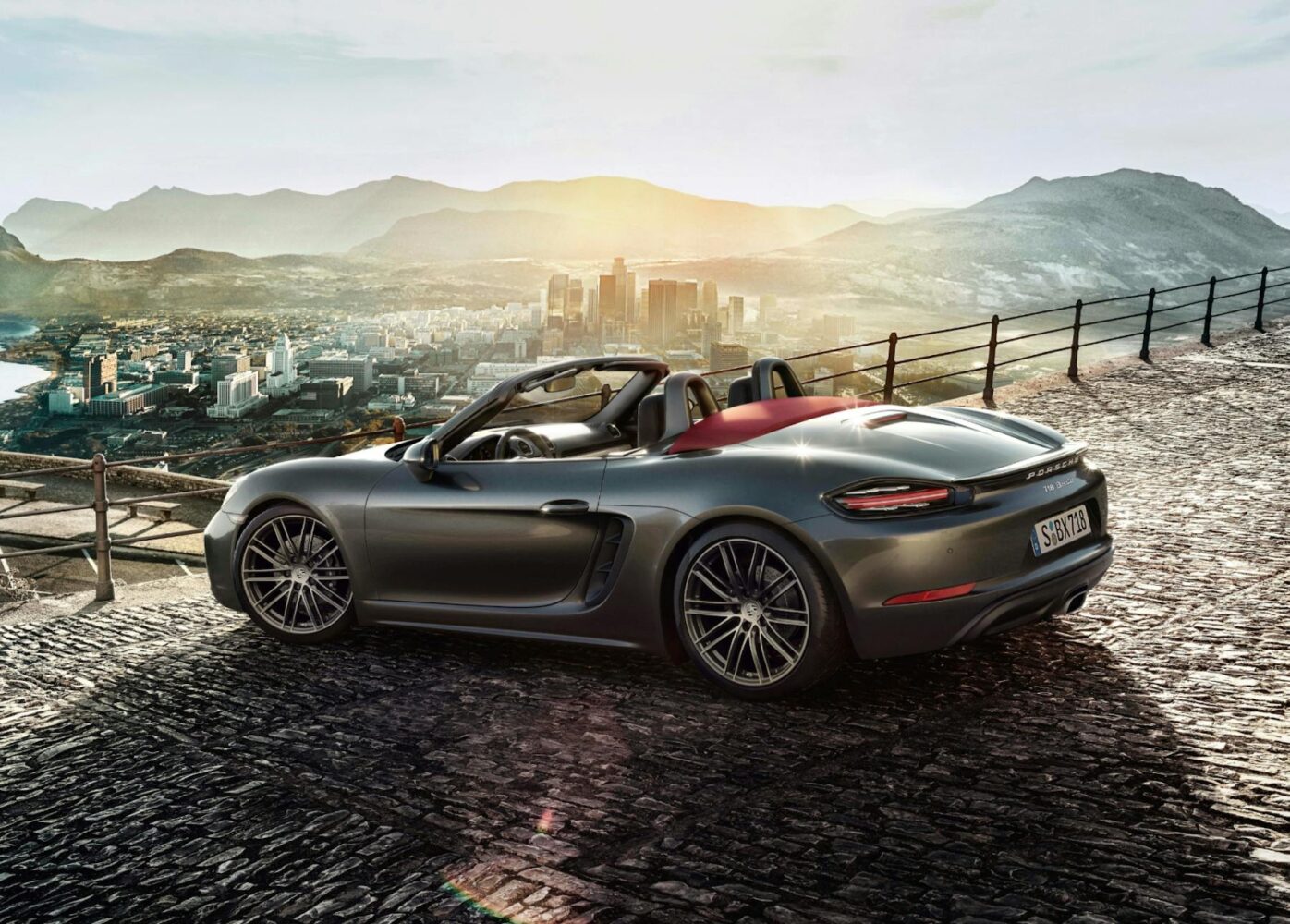
October 2025 will mark the end of an automotive dynasty. Porsche officially confirmed that production of the gas-powered 718 Boxster and Cayman will cease, closing the book on what many consider the finest entry-level sports cars ever built. While the brand continues to innovate with models like the 2025 Porsche Macan EV-Crossover, the departure of the 718 signals a shift in Porsche’s approach to accessible performance.
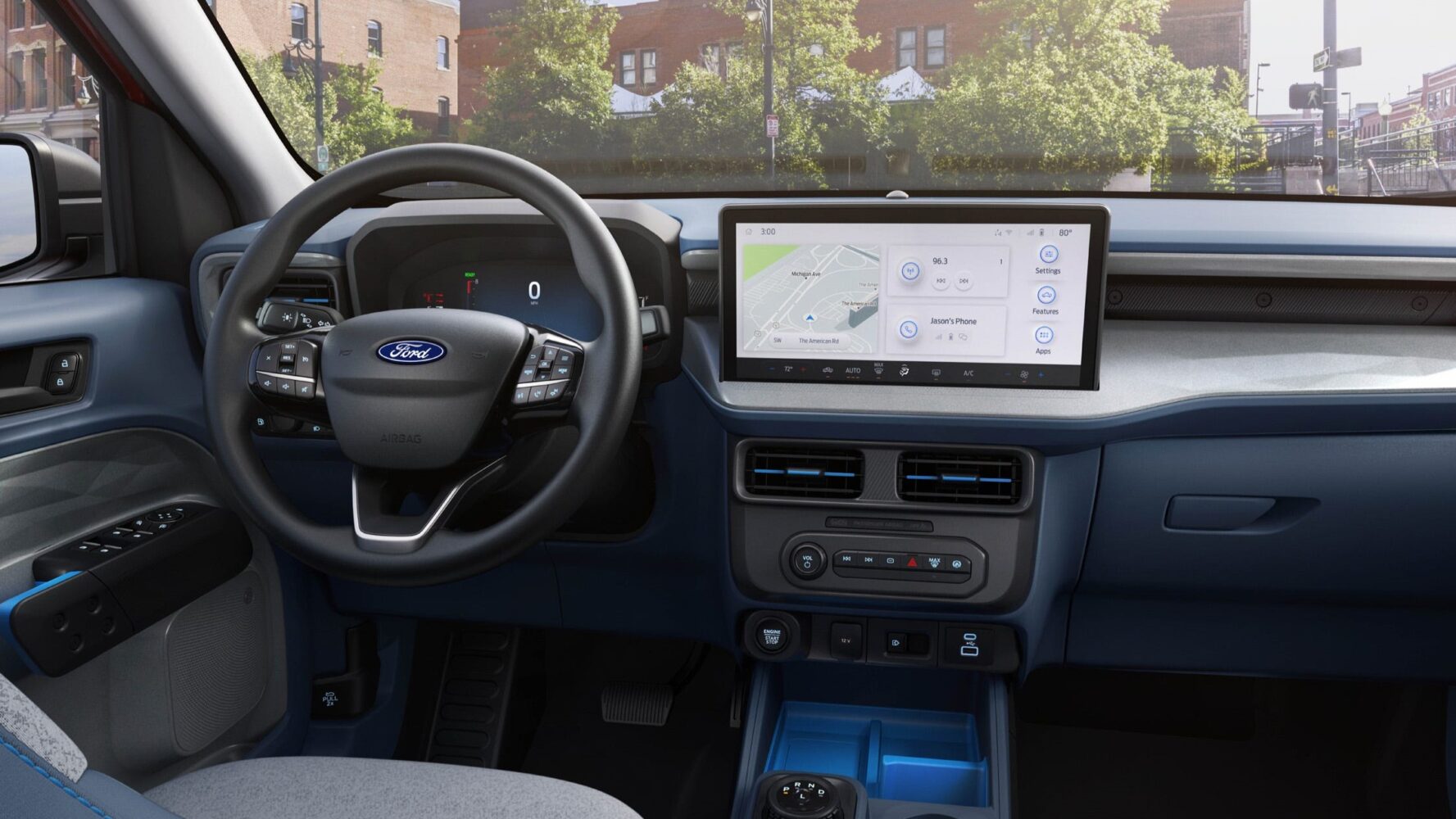
The writing was on the wall when Porsche pulled these models from European markets due to cybersecurity regulations. Rather than update aging platforms for compliance, Porsche decided to fast-track its electric future, and is even upgrading infotainment for 2026 models to reflect the brand’s digital transformation.
But here’s the kicker: those electric replacements won’t show up until 2027, at the earliest. That’s longer than most TikTok trends last, and infinitely more painful for driving enthusiasts.
The Last Dance for Driving Purists
The 718 series earned its reputation through relentless focus on driver engagement. Unlike supercars that prioritize straight-line theater, these Porsches mastered the art of balance.
Mid-engine placement delivered surgical precision through corners. The chassis responded to inputs like an extension of your nervous system.
Weight distribution sat at a near-perfect 45:55 front-to-rear. This wasn’t marketing fluff—you felt it in every steering input, every brake application, every throttle blip.
The naturally aspirated 4.0-liter flat-six in GT4 variants delivered 414 horsepower of pure mechanical symphony. No turbos, no hybridization, no electronic interference between your right foot and the rear wheels.
That visceral connection is exactly what made losing these cars so painful for enthusiasts.
What You’re Actually Losing
Twenty-eight years of refinement doesn’t happen overnight. The Boxster debuted in 1996 as Porsche’s financial savior, proving that accessible sports cars could maintain the brand’s DNA.
The Cayman arrived in 2005, adding fixed-roof rigidity to the winning formula. Both models consistently topped comparison tests against competitors costing twice as much.
Car and Driver awarded the 718 duo their 10 Best designation for 20 consecutive years . That’s not brand loyalty—that’s earned respect through repeated excellence.
Production numbers tell the real story: 23,670 units sold in 2024 alone , proving these weren’t niche vehicles but legitimate volume sellers.
The Electric Question Mark
Porsche promises their electric 718 successors will be “more dynamic and powerful” than current models. That’s a bold claim for cars already considered benchmarks.
The delay stems from battery supplier Northvolt’s bankruptcy and broader EV market cooling. Porsche initially targeted 80% electric sales by 2030—now they’re hedging those bets.
Here’s the uncomfortable truth: electric sports cars face physics problems that marketing can’t solve. Battery weight, charging infrastructure, and the intangible qualities that make sports cars special remain significant challenges.
Will an electric 718 deliver the same emotional connection as a naturally aspirated flat-six screaming to 7,800 RPM? That’s like expecting your Spotify playlist to hit the same way when it’s buffering on hotel WiFi—technically possible, but the magic gets lost in translation.
The gap between October 2025 and 2027 leaves Porsche without their most accessible sports cars. Smart money says values for well-maintained 718s, especially manual GT4 variants will appreciate significantly .
When production stops on genuinely excellent sports cars, collectors take notice. If you’ve been considering a 718, the clock is ticking harder than a GT4’s limited-slip differential.