

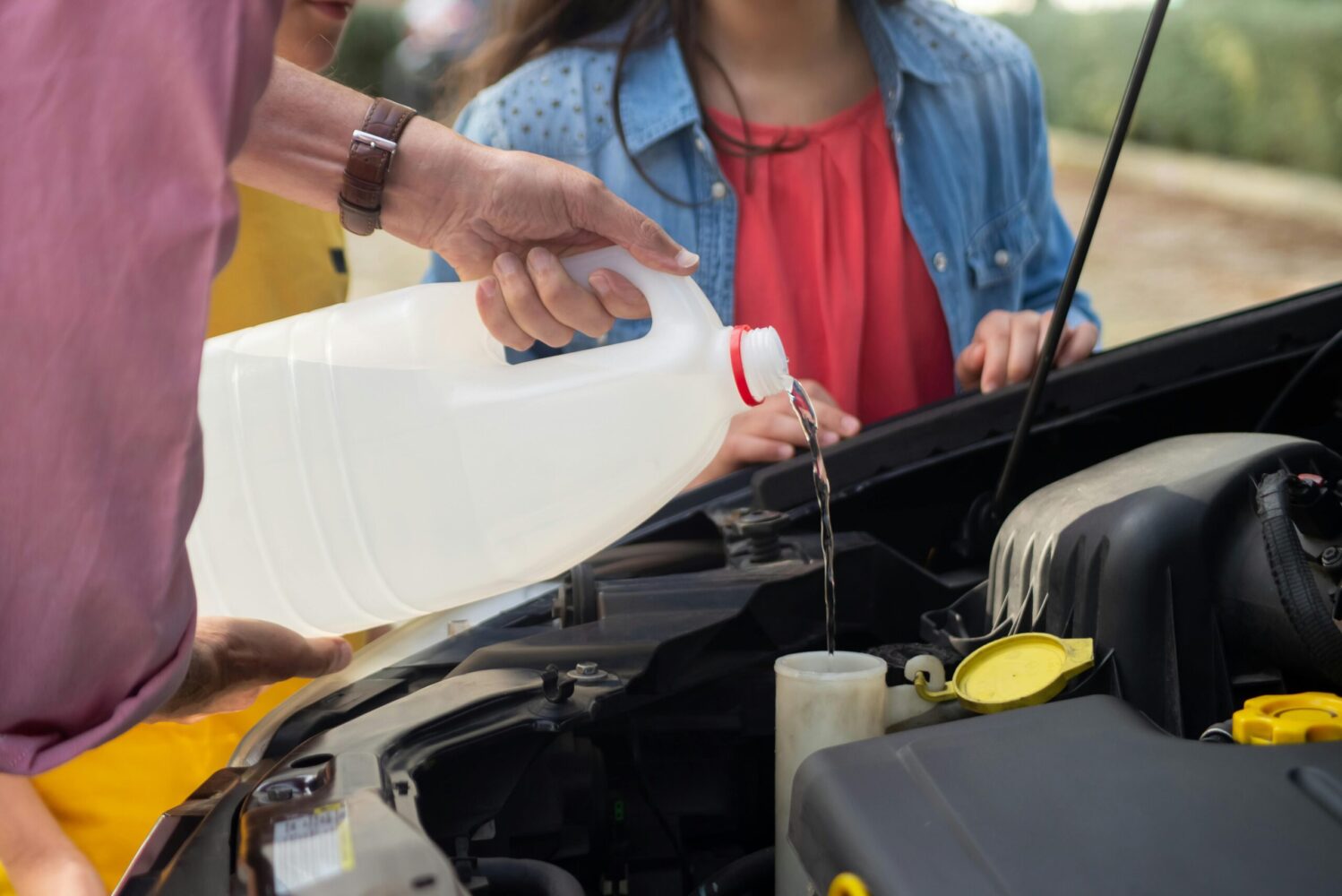
Ever stared into your engine bay, contemplating that translucent plastic tank labeled “Coolant Reservoir,” and wondered, “What if I just topped it off… a little too much?” You’re not alone. Overfilling your coolant reservoir is a common mistake, and while it might seem harmless, it can lead to some real headaches. This article will break down the basics of coolant reservoirs, explain why overfilling is a no-no, and give you practical tips to keep your cooling system happy. We’ll even throw in some expert insights to keep you from making costly mistakes.
Key Takeaways:
- Overfilling your coolant reservoir can lead to coolant loss, reduced cooling efficiency, and even engine damage.
- Understanding the function of your coolant reservoir is crucial for proper maintenance.
- Knowing the correct coolant level and how to check it will save you time, money, and potential breakdowns.
Understanding the Basics of Coolant Reservoirs
Think of your coolant reservoir as the overflow tank for your engine’s cooling system. As your engine heats up, the coolant expands. This extra coolant needs somewhere to go, and that’s where the reservoir comes in. When the engine cools down, the coolant contracts, and the vacuum created pulls coolant back from the reservoir into the radiator. It’s a closed-loop system designed to maintain optimal coolant levels.
Imagine it like this: your radiator is the main swimming pool, and the reservoir is the kiddie pool next to it. When the main pool gets too full (engine heats up), the extra water spills into the kiddie pool. When the main pool level drops (engine cools down), water gets sucked back from the kiddie pool. Simple, right?
Key components include:
- The Reservoir: Usually a translucent plastic tank with “MIN” and “MAX” fill lines.
- The Radiator Cap: Pressurizes the system and allows coolant to flow to the reservoir when pressure exceeds a certain point.
- Hoses: Connect the radiator to the reservoir, allowing coolant to flow back and forth.
Importance and Implications
So, why does overfilling matter? Here’s the deal:
- Coolant Expansion: Coolant expands significantly when heated. An overfilled reservoir leaves no room for this expansion.
- Coolant Loss: The excess coolant will be forced out of the system, usually through the reservoir’s overflow tube. This makes a mess and wastes coolant.
- Reduced Cooling Efficiency: Losing coolant reduces the overall cooling capacity of the system, potentially leading to overheating, especially under heavy load or in hot weather.
- Potential Engine Damage: Overheating can cause serious engine damage, including warped cylinder heads, blown head gaskets, and even complete engine failure. Replacing an engine is far more expensive than a bottle of coolant!
Think of it like this: imagine trying to run a marathon with shoes that are too tight. You might be able to start, but eventually, the discomfort will slow you down, and you might even injure yourself. Overfilling your coolant reservoir is like wearing those too-tight shoes – it puts unnecessary stress on the system and can lead to problems down the road.
Practical Applications and Strategies
Here’s how to keep your coolant reservoir happy:
- Check the Coolant Level Regularly: Do this when the engine is cold. The coolant level should be between the “MIN” and “MAX” lines.
- Use the Correct Coolant Type: Different vehicles require different types of coolant. Using the wrong type can cause corrosion and other problems. Consult your owner’s manual.
- Don’t Overfill: Add coolant slowly and carefully, stopping when the level reaches the “MAX” line. It’s better to be slightly underfilled than overfilled.
- Inspect the System: Check for leaks in the hoses, radiator, and reservoir. Address any leaks promptly.
- Pressure Test: If you suspect a leak but can’t find it, a cooling system pressure test can help pinpoint the source.
Common Pitfalls to Avoid:
- Adding Coolant to a Hot Engine: This can cause burns and damage to the engine.
- Using Tap Water: Tap water contains minerals that can corrode the cooling system. Always use distilled water or a pre-mixed coolant solution.
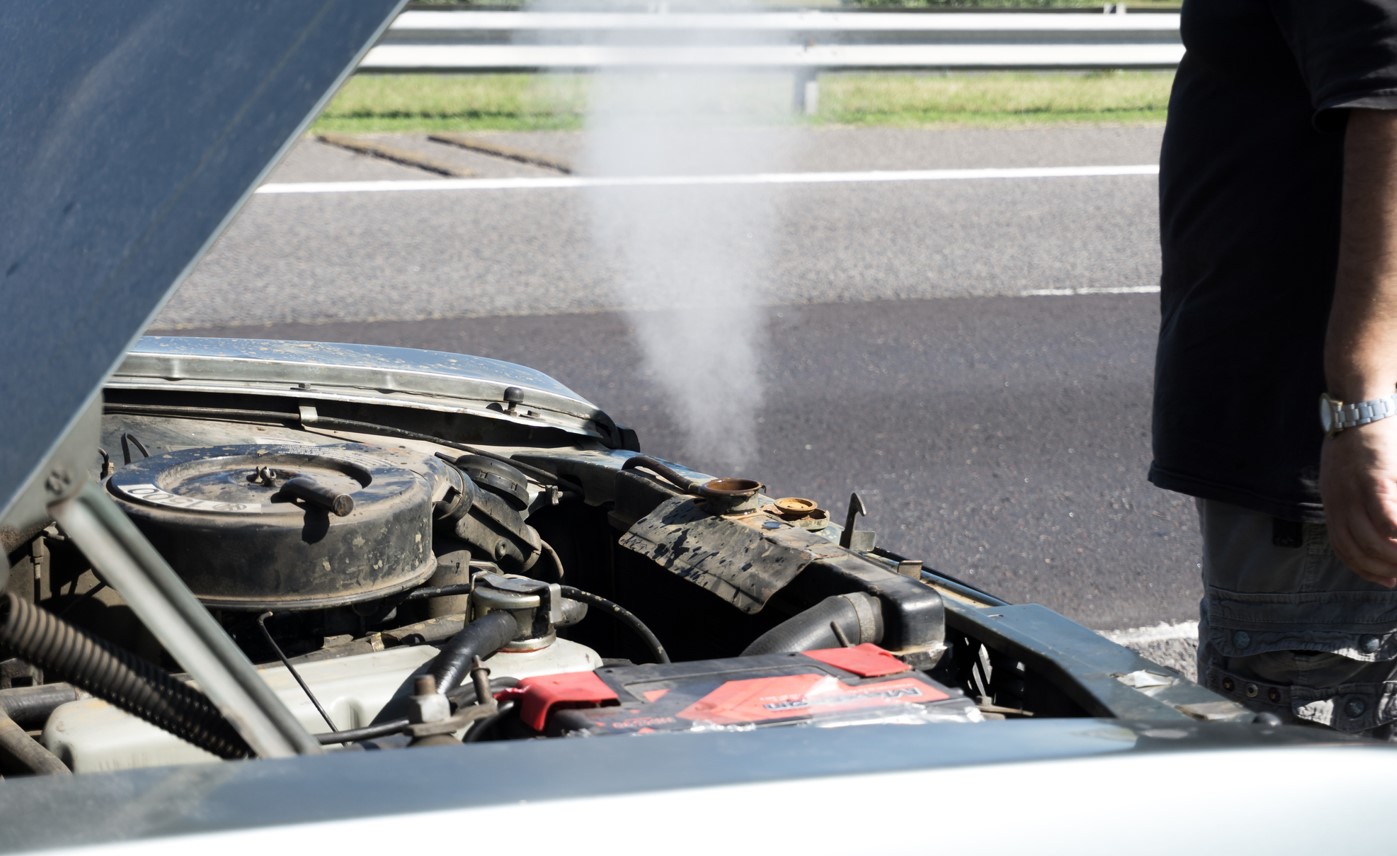
- Ignoring Low Coolant Levels: Low coolant levels can lead to overheating just as easily as overfilling can.
Expert Insights and Case Studies
Expert Insight: “Many people mistakenly believe that topping off the coolant reservoir to the very top is a good thing,” says veteran mechanic and automotive engineer, Bob Johnson. “However, this leaves no room for expansion, leading to coolant loss and potential problems. Always adhere to the ‘MIN’ and ‘MAX’ fill lines.”
Case Study: A local delivery company experienced a series of engine failures in their fleet vehicles. After investigation, it was discovered that the drivers were routinely overfilling the coolant reservoirs. The excess coolant was being forced out, leading to reduced cooling efficiency and, ultimately, engine damage. After implementing a training program on proper coolant maintenance, the company saw a significant reduction in engine failures.
Coolant Types and Compatibility
Navigating the world of coolant types can be confusing. The most common types include:
- Green Coolant (IAT – Inorganic Additive Technology): Older technology, typically used in older vehicles.
- Orange Coolant (OAT – Organic Acid Technology): Longer-lasting, often used in GM vehicles.
- Yellow/Pink/Blue Coolant (HOAT – Hybrid Organic Acid Technology): A hybrid of OAT and IAT, used by many manufacturers.
Important: Mixing different types of coolant can lead to chemical reactions that create sludge and corrosion. Always use the coolant type specified in your owner’s manual. If you’re unsure, consult a qualified mechanic.
Conclusion:
Overfilling your coolant reservoir might seem like a minor issue, but it can have significant consequences. By understanding the basics of your cooling system, following proper maintenance procedures, and avoiding common pitfalls, you can keep your engine running cool and prevent costly repairs. Remember, a little knowledge goes a long way in the world of automotive maintenance.
Frequently Asked Questions:
What is overfilling coolant reservoir?
Overfilling the coolant reservoir means adding too much coolant, exceeding the “MAX” fill line. This leaves no room for coolant expansion when the engine heats up.
Why is overfilling coolant reservoir important for Everyone?
Overfilling can lead to coolant loss, reduced cooling efficiency, and potential engine damage, affecting vehicle reliability and longevity.
How can I apply the concepts of overfilling coolant reservoir in my context?
Check your coolant level regularly, use the correct coolant type, and avoid overfilling. Consult your owner’s manual for specific recommendations.
Where can I learn more about overfilling coolant reservoir?
Your owner’s manual is a great resource. You can also find helpful information online from reputable automotive websites and forums. Consulting a qualified mechanic is always a good idea.