

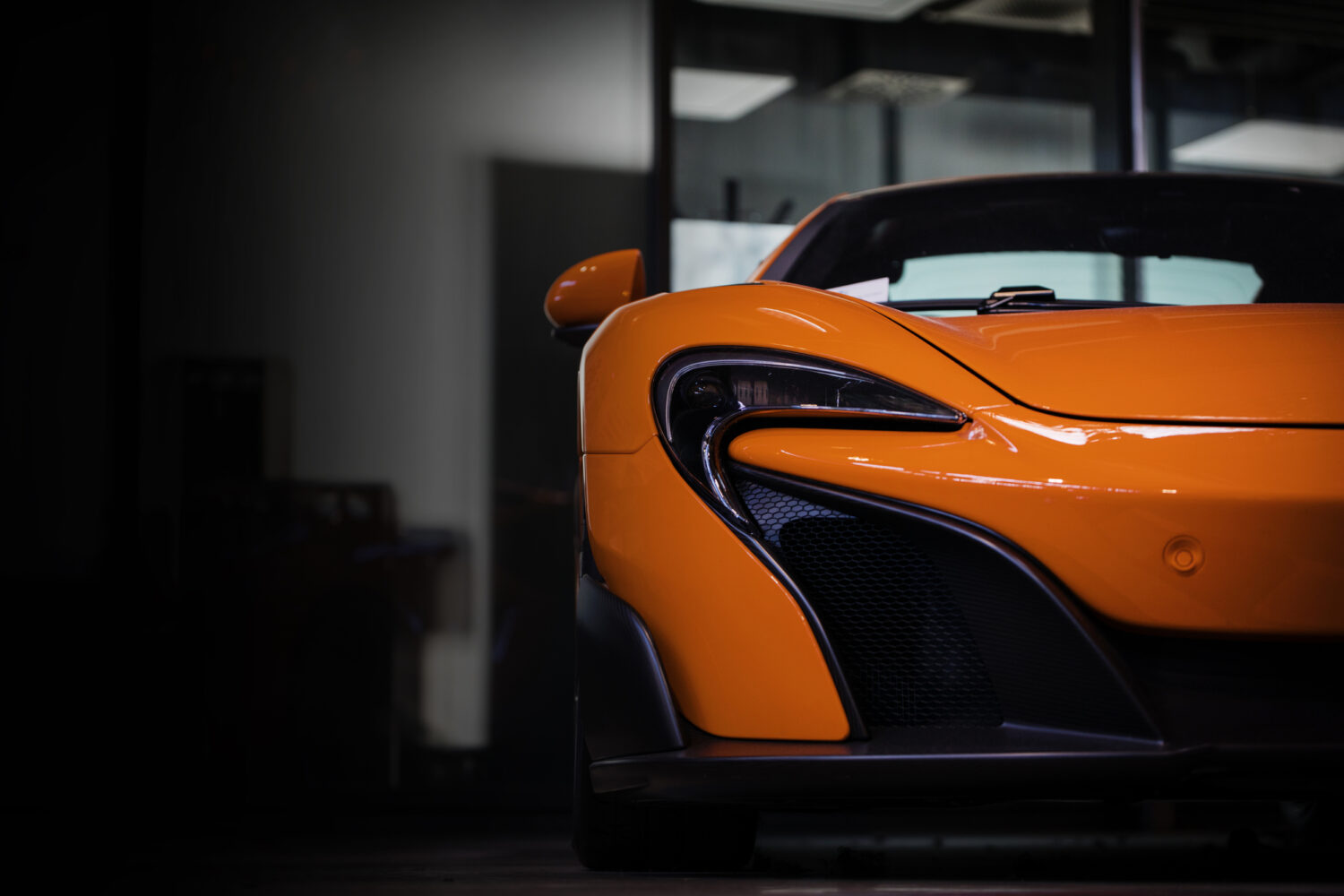
McLaren's W1 hypercar just proved it doesn't fear Jack Frost.
The British manufacturer's fastest-ever road car recently completed extensive Arctic Circle testing, subjecting its 1,275PS hybrid powertrain to the kind of conditions that would make lesser machines beg for mercy.
Frozen Assets
McLaren engineers didn't book a winter retreat to sip hot cocoa. They hammered prototype W1s across ice-covered landscapes to validate the hypercar's capability in the most unforgiving environments on earth.
Sub-zero temperatures stress-tested every system while providing the perfect playground for calibrating the car's electronic nannies on surfaces with virtually zero grip.
The W1 isn't just fast on paper. It's designed to deliver its 1,340Nm of torque without transforming into an expensive toboggan when conditions turn treacherous.
Technical Tundra
Extreme cold weather testing pushed several critical systems to their limits:
- Chassis calibration across compacted snow and ice surfaces
- Electronic stability program optimization for ultra-low grip conditions
- Torque vectoring systems tuned for predictable power delivery
Each slide, correction, and recovery informed McLaren's engineers how to make the W1 exploitable even when physics suggests otherwise.
Arctic Performance
The W1 represents McLaren's most extreme performance envelope yet.
Its hybrid V8 powertrain makes it the fastest-accelerating and fastest-lapping road-legal car in the company's history.
But straight-line speed means nothing if you can't control it.
McLaren's decision to validate the W1 in Arctic conditions demonstrates a commitment to performance that transcends ideal circumstances.
Any hypercar can deliver thrills on a warm, dry track day.
The truly exceptional ones maintain composure when conditions deteriorate.
McLaren's Arctic testing program ensures the W1 will deliver its full performance potential regardless of what Mother Nature throws at it.
The cooling system faced particular scrutiny during the frigid evaluation, ensuring optimal thermal management despite temperature extremes that would cripple lesser engineering.
When a car packs this much firepower, controlling its delivery becomes as crucial as generating it in the first place.
The W1 doesn't just survive in the cold—it thrives.