

If you’re driving a 2024 or 2025 Miata, your dashboard might stay silent when traction breaks loose. Mazda just recalled 12,244 MX-5s because a software glitch in the Bosch stability control system fails to light up your dashboard when traction breaks loose. Think of it like your phone’s low battery warning going silent right before it dies.
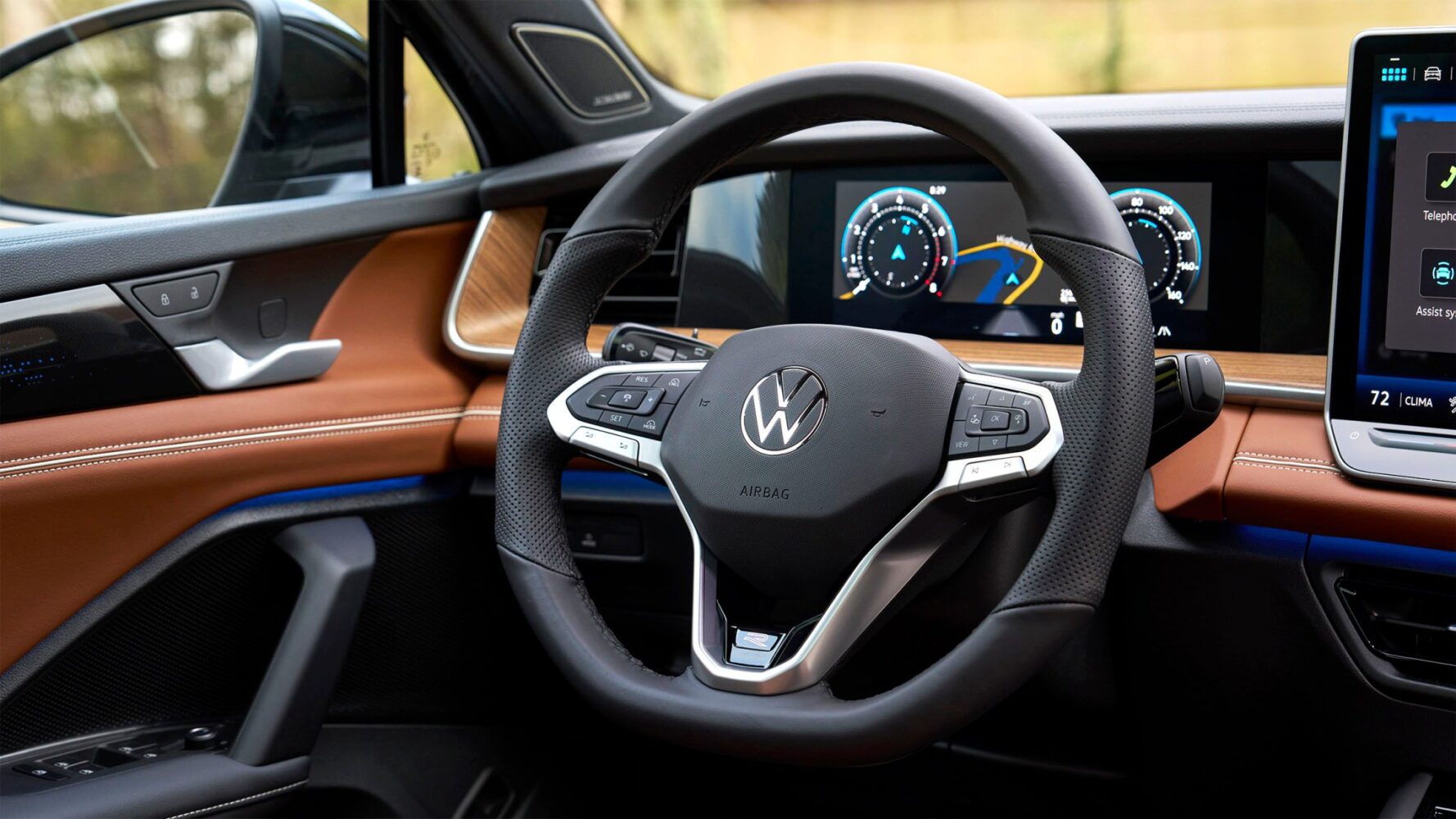
The problem sits in the Dynamic Stability Control unit, where faulty software prevents critical alerts from reaching your dashboard. This isn’t some theoretical engineering concern—it’s a real safety issue that could leave you pushing limits without knowing your car’s electronic safety nets are working overtime. Just like Ford’s recent recall involving over a million vehicles, small glitches can occur when safety systems go dark.
The malfunction occurs when your rear end starts stepping out or the front wheels lose grip during spirited driving. Instead of the familiar amber glow warning you that physics is taking over, your dashboard stays dark. You’re essentially driving without knowing your safety systems have kicked in to keep you pointed straight.
This recall affects the actual notification system, not the stability controls themselves. Your Miata will still try to keep you out of trouble when grip disappears on wet roads or tight corners. But without that dashboard warning, you won’t realize when the computers are frantically working behind the scenes. It’s like having a guardian angel who forgot to speak up. The Bosch DSC unit’s yaw-rate software calibration fails to trigger the TCS/DSC indicator light during abnormal conditions, leaving drivers unaware of potentially dangerous situations.
Mazda discovered the fault in February 2025 after investigating shipping delays and filed with NHTSA by May. The company acted quickly once it identified the scope of the problem. No accidents have been reported yet, and you can keep driving your Miata while waiting for the repair. Even ultra-low-volume manufacturers aren’t immune—Pagani’s hypercar recall of eight cars shows that regardless of price or exclusivity, safety defects demand swift action.
The fix requires swapping out the entire DSC control unit with updated software. Parts production started March 6, 2025, so newer Miatas already have the corrected hardware. Here’s the reality check: replacement parts won’t reach all affected vehicles until Q2 2026 due to manufacturing constraints.
Check your VIN on the NHTSA website to confirm recall status. Mazda will mail notifications by July 21, 2025, but don’t wait around if you want peace of mind. Schedule your service appointment now, especially if you track your car or attack back roads regularly. This recall proves that even the most analog-feeling sports cars still depend on complex electronics to keep you safe when enthusiasm exceeds available grip.