

So, you’ve got a turbocharger bolted onto your engine, and you’re itching to unleash its full potential. But let’s be real, turning your daily driver into a fire-breathing track monster isn’t always the smartest move. You want power, yes, but you also need reliability, decent fuel economy (relatively speaking!), and the ability to navigate rush hour without grenading your engine. This is where the art of tuning a turbocharged engine for daily driving comes in. We’ll tackle the common questions: How much boost is too much? What about fuel management? And can I really have fun without sacrificing my commute? Buckle up, gearheads, because we’re about to dive deep into the world of responsible turbo tuning.
Key Takeaways:
- Balance is Key: Tuning for daily driving is about finding the sweet spot between performance and reliability.
- Understand Your Engine: Knowing your engine’s limitations is crucial to avoid catastrophic failures.
- Fuel Management is Paramount: Proper fueling is essential for preventing detonation and ensuring engine longevity.
- Monitor, Monitor, Monitor: Keep a close eye on your engine’s vitals with gauges and data logging.
- Start Small, Iterate Often: Make gradual changes and test thoroughly before pushing the limits.
Understanding the Basics of How to Tune a Turbocharged Engine for Daily Driving
Let’s break down the fundamentals. A turbocharger forces more air into your engine, allowing it to burn more fuel and produce more power. But simply cranking up the boost isn’t the answer. You need to consider the entire system. Think of it like this: your engine is a finely tuned orchestra. The turbocharger is like adding a whole brass section – exciting, but if not properly integrated, it’ll sound like a cacophony. Key terms to understand include:
- Boost: The amount of pressure the turbocharger is generating, measured in PSI or Bar.
- Air-Fuel Ratio (AFR): The ratio of air to fuel entering the engine. Crucial for combustion efficiency and preventing knock.
- Timing: The point at which the spark plug ignites the air-fuel mixture. Advancing timing can increase power, but too much can cause detonation.
- Knock/Detonation: Uncontrolled combustion that can severely damage your engine. The enemy of all things boosted.
- Wastegate: A valve that regulates the amount of exhaust gas flowing through the turbocharger, controlling boost levels.
- Blow-Off Valve (BOV)/Diverter Valve: Releases excess pressure when the throttle closes, preventing compressor surge and extending turbocharger life.
Importance and Implications
Why does all this matter? Because a poorly tuned turbocharged engine is a ticking time bomb. Overboosting can lead to blown head gaskets, melted pistons, and shattered dreams. Running lean (too much air, not enough fuel) can cause detonation, which is like tiny explosions inside your cylinders. On the other hand, a well-tuned turbo engine offers a significant performance boost without sacrificing reliability. You’ll enjoy improved acceleration, increased horsepower, and a more engaging driving experience. Plus, you’ll avoid the embarrassment (and expense) of being stranded on the side of the road with a smoking engine.
Practical Applications or Strategies
Okay, let’s get practical. Here’s a step-by-step approach to tuning your turbo engine for daily driving:
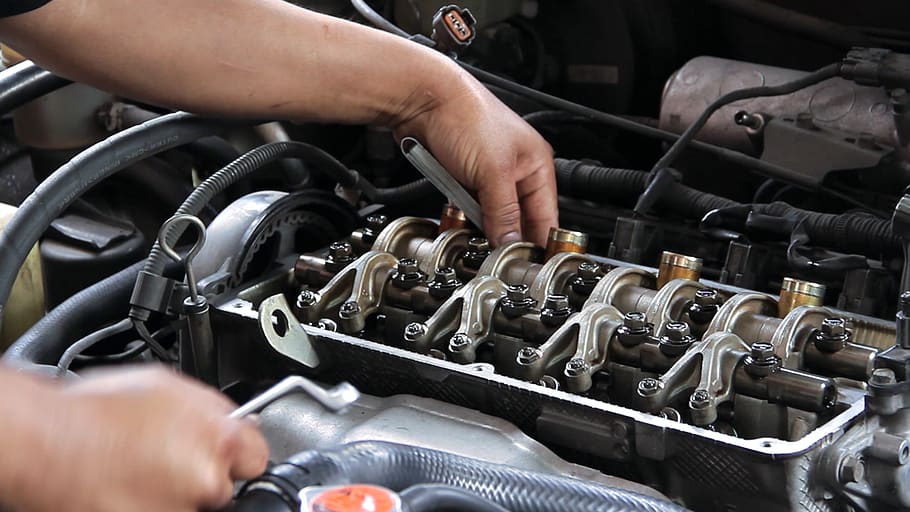
- Start with a Solid Foundation: Ensure your engine is healthy and well-maintained. Address any existing issues before adding boost.
- Upgrade Fuel System: Depending on your boost goals, you may need larger fuel injectors and a higher-flowing fuel pump to provide adequate fuel.
- Install a Boost Controller: Allows you to precisely control boost levels. Electronic boost controllers offer more advanced features like boost-by-gear.
- Get a Wideband O2 Sensor: Essential for monitoring AFR. Allows you to make accurate adjustments to fuel maps.
- Data Logging is Your Friend: Use a data logger to record engine parameters like boost, AFR, timing, and knock. This data will help you identify potential problems.
- Tune Gradually: Make small changes to your fuel and timing maps, and then test thoroughly. Don’t try to add 100 horsepower overnight.
- Listen to Your Engine: Pay attention to any unusual noises or vibrations. These could be signs of trouble.
- Consider a Professional Tune: If you’re not comfortable tuning yourself, seek the help of a qualified tuner. They have the experience and equipment to safely maximize your engine’s potential.
Common Pitfalls to Avoid:
- Ignoring AFR: Running lean is a recipe for disaster.
- Overboosting: Exceeding your engine’s limits will lead to failure.
- Ignoring Knock: Knock is a serious problem that needs to be addressed immediately.
- Using Cheap Parts: Invest in quality components that can withstand the stresses of forced induction.
Expert Insights or Case Studies
I once worked on a project car, a classic Subaru WRX, where the owner was chasing big horsepower numbers. He cranked up the boost without upgrading the fuel system, and within a week, he had melted a piston. The lesson? Don’t get greedy. A well-respected tuner once told me, “It’s better to have a reliable 300 horsepower than an unreliable 400 horsepower.” That advice has stuck with me ever since. Another example is a local shop that specializes in tuning Honda Civics. They focus on optimizing the entire system, from the intake to the exhaust, and they consistently produce reliable, high-performing engines.
Monitoring and Gauges: Your Engine’s Lifeline
Investing in a good set of gauges is crucial for monitoring your engine’s health. Key gauges to consider include:
- Boost Gauge: Shows the amount of boost pressure.
- Air-Fuel Ratio (AFR) Gauge: Displays the AFR in real-time.
- Oil Pressure Gauge: Monitors oil pressure, which is critical for lubrication.
- Exhaust Gas Temperature (EGT) Gauge: Measures the temperature of the exhaust gases, which can indicate potential problems.
These gauges provide valuable information about your engine’s performance and can help you identify potential problems before they become catastrophic.
Conclusion:
Tuning a turbocharged engine for daily driving is a delicate balance between performance and reliability. By understanding the fundamentals, following a systematic approach, and monitoring your engine’s vitals, you can unlock its full potential without sacrificing its longevity. Remember, it’s not about chasing the highest horsepower numbers; it’s about creating a fun, reliable, and engaging driving experience. So, go forth, tune responsibly, and enjoy the boost!
Frequently Asked Questions:
What is How to Tune a Turbocharged Engine for Daily Driving?
It’s the process of optimizing the performance of a turbocharged engine for everyday use, balancing power gains with reliability and drivability.
Why is How to Tune a Turbocharged Engine for Daily Driving important for Tuners, gearheads, speed freaks?
It allows them to enjoy increased performance without compromising the engine’s longevity or practicality for daily use.
How can I apply the concepts of How to Tune a Turbocharged Engine for Daily Driving in my context?
Start by understanding your engine’s limitations, upgrading necessary components, and tuning gradually while monitoring key parameters like AFR and boost.
Where can I learn more about How to Tune a Turbocharged Engine for Daily Driving?
Online forums, tuning workshops, and books on engine management systems are great resources. Consider seeking guidance from experienced tuners or automotive professionals.