

So, you’ve got a classic car, a vintage beauty, or maybe just an older daily driver that you love. But there’s a catch: emissions testing. The bane of many a gearhead’s existence! How do you keep your beloved machine running smoothly and legally without sacrificing its character or breaking the bank? That’s the million-dollar question, isn’t it? This guide is for you – the everyday driver, the vintage car lover – who wants to navigate the world of emissions testing with an older build. We’ll tackle the challenges head-on and provide the insights you need to keep your ride on the road.
Key Takeaways:
- Understand the fundamental principles of emissions testing and how they apply to older vehicles.
- Learn practical strategies to optimize your engine’s performance and reduce emissions.
- Discover common pitfalls to avoid and best practices for maintaining your older build.
- Explore expert insights and real-world examples to guide your approach.
Understanding the Basics of How to Pass Emissions With an Older Build
Let’s break it down. Emissions testing is essentially a check-up for your car’s exhaust. It measures the levels of pollutants like hydrocarbons (HC), carbon monoxide (CO), and nitrogen oxides (NOx). Older vehicles, especially those built before the widespread adoption of catalytic converters and advanced engine management systems, tend to produce higher levels of these pollutants. Think of it like this: a modern car is like a finely tuned orchestra, while an older car is more like a rock and roll band – a bit rougher around the edges, but full of character. The challenge is to get that rock and roll band to play in tune, at least for the duration of the emissions test.
Key terms to know:
- Hydrocarbons (HC): Unburned fuel in the exhaust.
- Carbon Monoxide (CO): A poisonous gas produced by incomplete combustion.
- Nitrogen Oxides (NOx): Formed at high temperatures during combustion.
- Catalytic Converter: A device that reduces pollutants in the exhaust.
- Oxygen Sensor (O2 Sensor): Measures the oxygen content in the exhaust, helping the engine control fuel mixture.
Importance and Implications
Why does all this matter? Well, for starters, it’s the law in many areas. Failing an emissions test can mean you can’t register your vehicle, which means you can’t drive it legally. Beyond that, reducing emissions is good for the environment and can even improve your car’s performance and fuel economy. A well-tuned engine is a happy engine, and a happy engine produces fewer pollutants. Think of it as a win-win situation: you keep your car on the road, and you do your part to keep the air clean.
Practical Applications or Strategies
Okay, let’s get down to brass tacks. Here are some practical steps you can take to improve your chances of passing emissions with an older build:
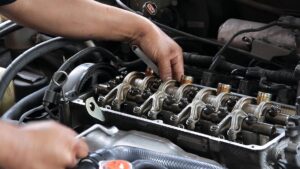
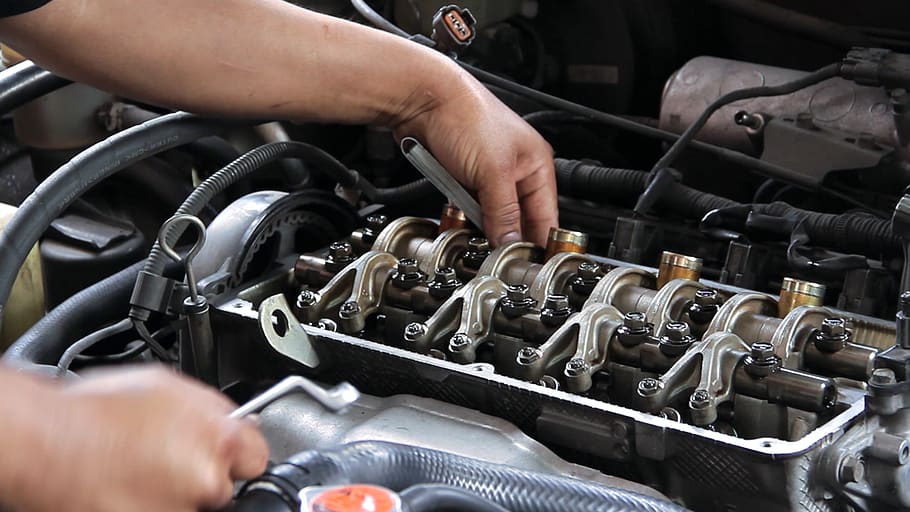
- Tune-Up Time: A proper tune-up is the first and most crucial step. Replace spark plugs, check ignition timing, and ensure your air filter is clean. A well-maintained engine is more efficient and produces fewer emissions.
- Check for Vacuum Leaks: Vacuum leaks can throw off the air-fuel mixture and cause increased emissions. Inspect all vacuum hoses and connections for cracks or leaks.
- Clean or Replace the Oxygen Sensor: The O2 sensor plays a vital role in regulating the air-fuel mixture. If it’s old or faulty, it can lead to increased emissions. Consider cleaning or replacing it.
- Use a Fuel Additive: Some fuel additives can help clean fuel injectors and reduce carbon deposits, improving combustion efficiency.
- Get the Engine Hot: Before taking your car for an emissions test, make sure the engine is fully warmed up. A hot engine burns fuel more efficiently.
- Check the Catalytic Converter: If your car has a catalytic converter, make sure it’s functioning properly. A faulty catalytic converter can significantly increase emissions.
Common Pitfalls to Avoid:
- Ignoring basic maintenance.
- Using cheap or incorrect parts.
- Neglecting vacuum leaks.
- Driving with a cold engine.
Expert Insights or Case Studies
I once worked on a ’67 Mustang that was failing emissions miserably. After a thorough inspection, I discovered a combination of issues: worn spark plugs, a vacuum leak, and a faulty O2 sensor. After addressing these problems, the Mustang passed emissions with flying colors. This case highlights the importance of a comprehensive approach to emissions testing.
Another example: A local vintage car club brought in a ’50s Chevy truck that was struggling with high HC readings. The owner had tried everything, but nothing seemed to work. After some digging, we found that the carburetor was improperly adjusted, causing the engine to run rich. A simple carburetor adjustment made all the difference.
The Role of Aftermarket Parts
While keeping your classic car original is often the goal, sometimes aftermarket parts can help with emissions. High-flow catalytic converters, for example, can improve exhaust flow and reduce emissions without significantly altering the car’s character. Just be sure to choose parts that are compatible with your vehicle and meet local emissions regulations.
Prepping for the Test: A Last-Minute Checklist
Before heading to the emissions testing station, run through this checklist:
- Check Engine Light: Make sure the check engine light is off. A lit check engine light is an automatic fail in most areas.
- Tire Pressure: Ensure your tires are properly inflated. This can improve fuel economy and reduce emissions.
- Fluid Levels: Check all fluid levels, including oil, coolant, and brake fluid. Low fluid levels can affect engine performance.
- Drive Cycle: Perform a proper drive cycle to ensure all engine systems are ready for testing.
Conclusion:
Passing emissions with an older build can be a challenge, but it’s not impossible. By understanding the basics of emissions testing, implementing practical strategies, and avoiding common pitfalls, you can keep your classic car on the road and enjoy it for years to come. Remember, a well-maintained engine is a happy engine, and a happy engine produces fewer pollutants. So, get out there, get your hands dirty, and keep those classic cars rolling!
Frequently Asked Questions:
What is How to Pass Emissions With an Older Build?
It’s the process of optimizing your older vehicle’s engine and exhaust system to meet emissions standards, ensuring it can legally operate on public roads.
Why is How to Pass Emissions With an Older Build important for Everyday drivers, vintage car lovers?
It allows them to continue enjoying their classic or older vehicles without facing legal issues or compromising environmental responsibility.
How can I apply the concepts of How to Pass Emissions With an Older Build in my context?
Start with a thorough tune-up, check for vacuum leaks, consider fuel additives, and ensure your engine is properly warmed up before testing.
Where can I learn more about How to Pass Emissions With an Older Build?
Online forums dedicated to classic cars, automotive repair manuals, and local car clubs are excellent resources. Also, consult with a trusted mechanic specializing in older vehicles.