

Ever wondered if you’re doing more harm than good by letting your car idle? It’s a question that plagues many drivers, especially during those frosty winter mornings or sweltering summer afternoons. Is it really necessary to warm up your engine for 10 minutes? Are you just burning money and polluting the air? This article dives deep into the world of idling, separating fact from fiction and providing you with the knowledge to make informed decisions. We’ll tackle the environmental impact, the mechanical implications, and even the legal considerations. Buckle up, because we’re about to unravel the mysteries of idling!
Key Takeaways:
- Excessive idling wastes fuel and money.
- Modern engines don’t require extended warm-up periods.
- Idling contributes to air pollution and can damage your engine over time.
- There are often local regulations regarding idling.
- Knowing when and how long to idle can save you money and reduce your environmental footprint.
Understanding the Basics of How Long Can You Leave Your Car Running
Let’s start with the fundamentals. Idling, in its simplest form, is running your car’s engine while the vehicle is stationary. Think of it like a marathon runner jogging in place – they’re expending energy without covering any distance. In a car, this means burning fuel without actually moving. The engine is still working, powering the accessories (like the radio or air conditioning), but it’s not propelling you forward.
Now, why do we idle? Historically, it was believed that older carbureted engines needed a significant warm-up period to function efficiently. These engines relied on a precise air-fuel mixture, and cold temperatures could disrupt this balance. However, modern engines are fuel-injected and computer-controlled. They use sensors to monitor engine temperature and adjust the fuel mixture accordingly, making extended warm-ups largely unnecessary. Think of it like this: a carbureted engine is like a finicky old record player, while a fuel-injected engine is like a modern digital music player – much more adaptable and efficient.
Importance and Implications
Why should you care about how long you leave your car running? The implications are far-reaching, impacting your wallet, the environment, and even the longevity of your vehicle.
- Financial Impact: Idling burns fuel, plain and simple. While the amount of fuel consumed per minute might seem insignificant, it adds up over time. Imagine idling for just 10 minutes a day – that’s over an hour a week, translating to gallons of wasted fuel and a significant dent in your budget over the course of a year.
- Environmental Impact: The exhaust fumes produced during idling contribute to air pollution, releasing harmful pollutants like carbon monoxide, nitrogen oxides, and particulate matter. These pollutants can exacerbate respiratory problems, contribute to smog, and even contribute to climate change. It’s like leaving a tap running – seemingly insignificant on its own, but collectively contributing to a larger problem.
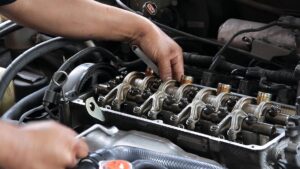
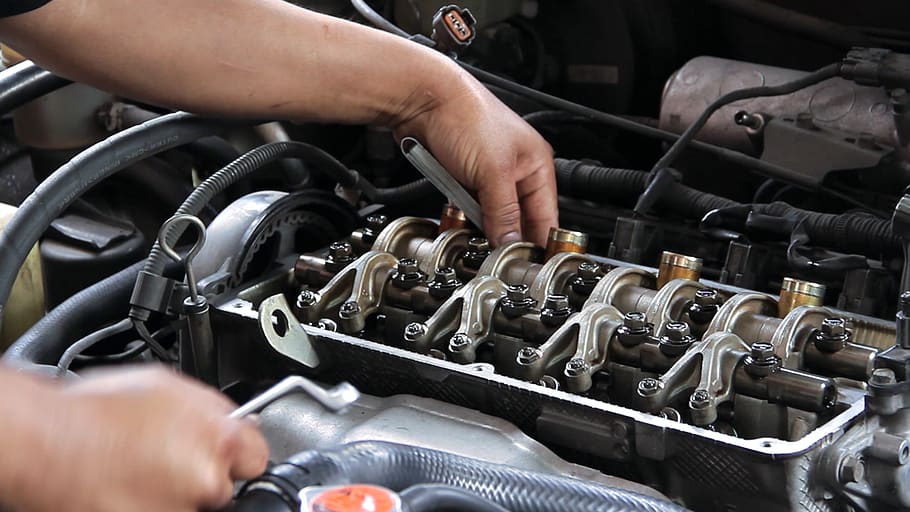
- Mechanical Impact: While modern engines are more resilient, prolonged idling can still cause engine wear. The engine operates at a lower temperature during idling, which can lead to incomplete combustion and the buildup of carbon deposits. These deposits can foul spark plugs, clog fuel injectors, and even damage catalytic converters. Think of it as slowly gumming up the works.
Practical Applications or Strategies
So, what can you do to minimize unnecessary idling? Here are some practical strategies:
- Minimize Warm-Up Time: For modern vehicles, 30 seconds is generally sufficient to allow the oil to circulate and lubricate the engine. Unless you’re in extremely cold conditions (well below freezing), there’s no need to let your car idle for more than a minute or two.
- Avoid Idling in Traffic: If you’re stuck in a traffic jam that’s not moving, consider turning off your engine. Restarting your car uses less fuel than idling for extended periods.
- Use Remote Start Wisely: Remote start is convenient, but don’t use it excessively. Only use it when necessary to pre-heat or pre-cool the cabin.
- Be Mindful of Drive-Thrus: Consider parking and going inside instead of idling in the drive-thru line. It’s a small change that can make a big difference.
- Check Local Regulations: Many municipalities have anti-idling laws. Familiarize yourself with the regulations in your area to avoid fines.
Expert Insights or Case Studies
Let’s hear from the experts. Automotive engineers consistently emphasize the reduced need for extended warm-up periods in modern vehicles. Studies have shown that driving gently after a brief warm-up is actually more efficient and less harmful to the engine than prolonged idling. Furthermore, fleet management companies that have implemented anti-idling policies have reported significant fuel savings and reduced maintenance costs.
Consider the case of a large delivery company that equipped its vehicles with telematics systems to monitor idling time. After analyzing the data, they discovered that drivers were idling for an average of 30 minutes per day. By implementing a driver education program and incentivizing reduced idling, they were able to cut idling time by 50%, resulting in substantial fuel savings and a reduction in emissions.
Idling and Your Car’s Warranty
While excessive idling itself might not explicitly void your car’s warranty, the damage it can cause could lead to issues that aren’t covered. For example, if carbon buildup from prolonged idling damages your catalytic converter, the repair might not be covered if the manufacturer determines that the damage was caused by improper use or maintenance. Always consult your owner’s manual and your dealership for specific warranty information.
Conclusion:
Understanding how long you can leave your car running is crucial for saving money, protecting the environment, and maintaining your vehicle’s health. Modern engines don’t require extended warm-up periods, and excessive idling can lead to fuel waste, pollution, and engine damage. By implementing the practical strategies outlined in this article, you can reduce your idling time and make a positive impact. So, the next time you’re tempted to let your car idle, remember the key takeaways and make an informed decision.
Frequently Asked Questions:
What is how long can you leave your car running?
It refers to the duration you allow your car’s engine to operate while the vehicle is stationary.
Why is how long can you leave your car running important for Everyone?
It impacts fuel consumption, air quality, engine health, and compliance with local regulations.
How can I apply the concepts of how long can you leave my car running in my context?
Minimize warm-up time, avoid idling in traffic, use remote start wisely, and be mindful of drive-thrus.
Where can I learn more about how long can you leave your car running?
Consult your owner’s manual, automotive websites, and environmental protection agencies for more information.