

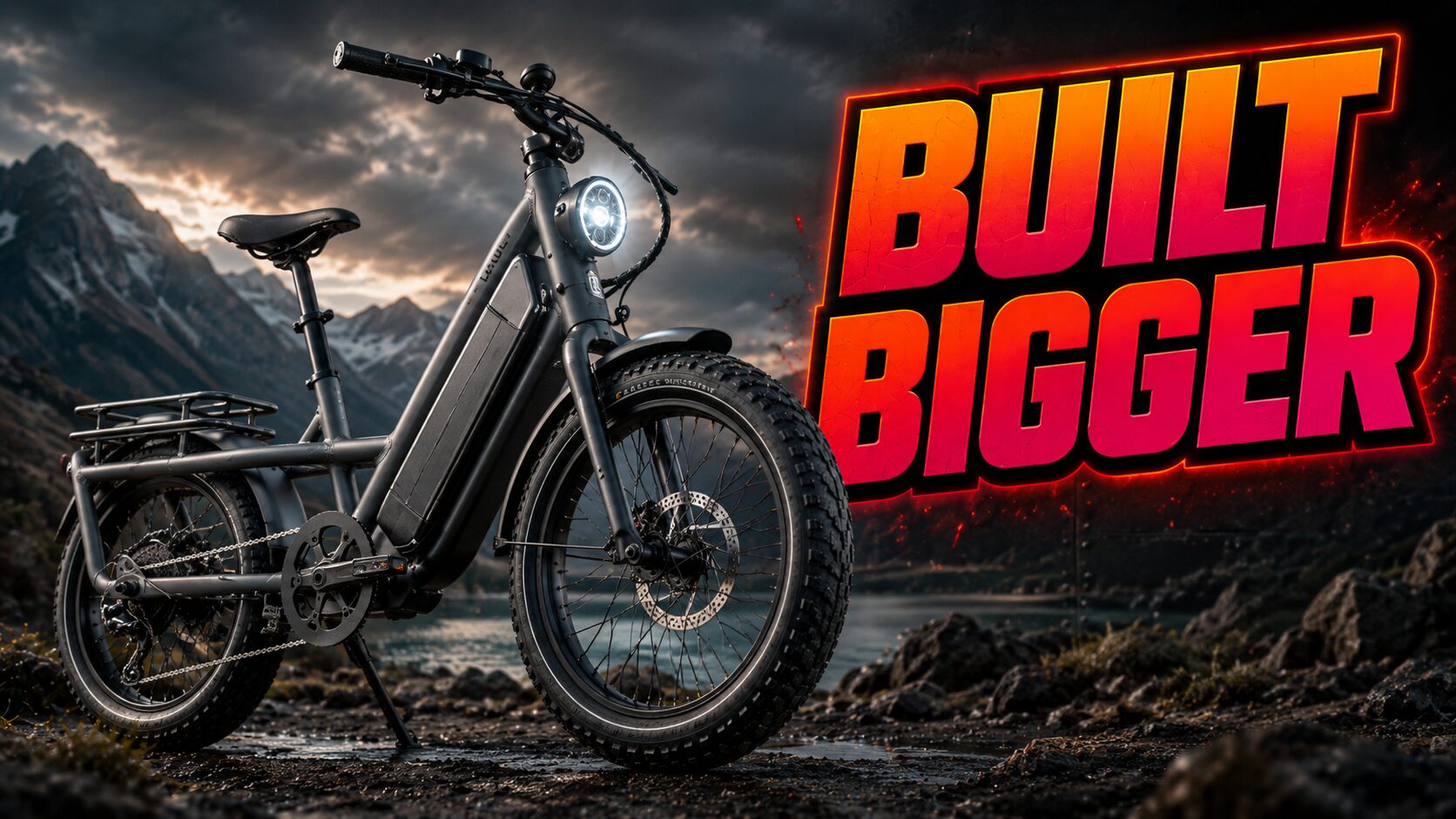
Most e-bikes on the market cap payload at 264 pounds, which excludes a significant portion of riders before they get to evaluate any other specification. For anyone over 200 pounds, the standard market is not just limited — it actively treats weight as an afterthought rather than an engineering variable worth taking seriously. These nine bikes address that directly, with verified payload capacities ranging from 300 to 440 pounds and the structural and mechanical engineering to support them. Check the hottest e-bikes of 2025 for the broader market context if weight capacity is not your primary filter.
9. Vvolt Discover 2
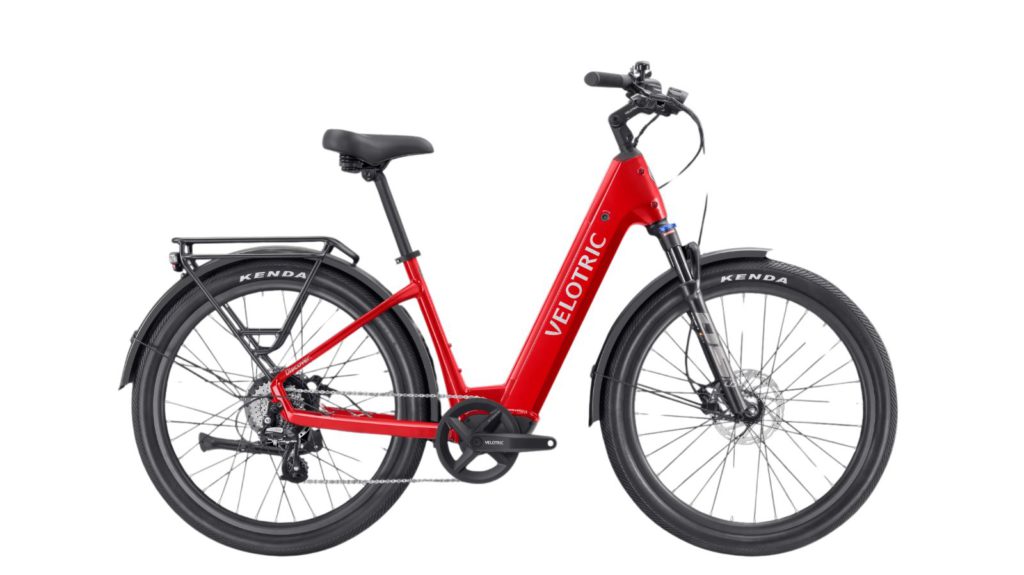
The Discover 2 supports a 440-pound payload — the highest on this list — with a 750W motor producing 75 Nm of torque for sustained hill climbing without strain. Battery range spans 34-86 miles depending on assist level and terrain. The step-through design eliminates the high-mount entry problem that affects heavier riders on conventional frames, and the fit range of 4’11” to 6’4″ accommodates most riders without adjustment compromises. The control interface has more menu layers than necessary, and the integrated lighting prioritizes visibility to other road users over road illumination, but the core riding platform delivers what the payload specification promises.
8. Specialized Globe Haul ST
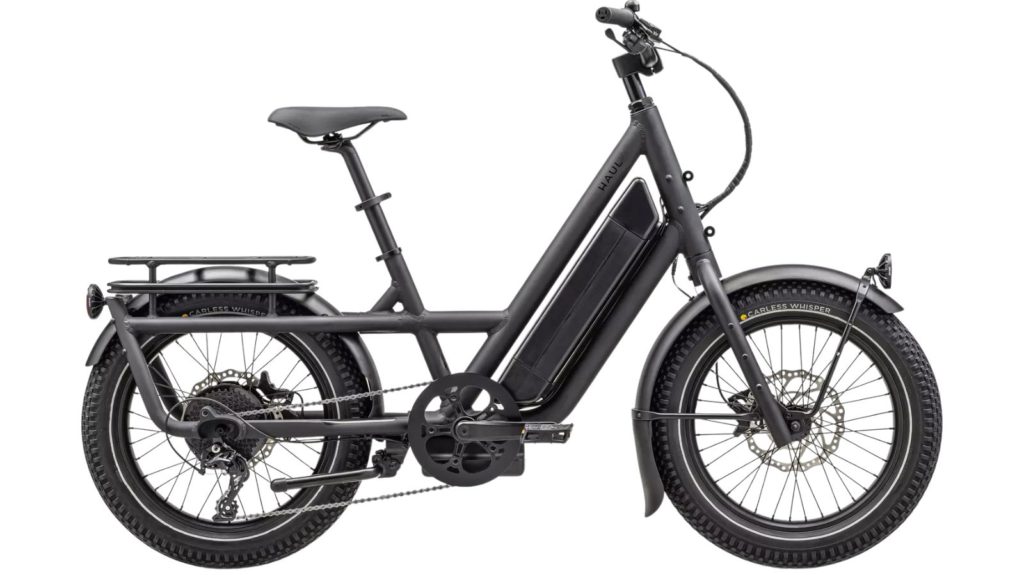
At $2,800, the Globe Haul ST carries a premium price and delivers premium execution. The 700W hub motor handles hills efficiently, and the 772Wh battery provides 38-54 miles of reliable range. Braking performance is a standout in the category. The 419-pound total payload covers riders from 4’5″ to 6’4″ — an unusually broad fit range. Replacement parts carry the Specialized brand premium that makes ongoing maintenance costlier than comparable alternatives, and the entry price requires a significant budget commitment, but the build quality and component integration justify both for buyers who can absorb them.
7. Lectric XP Trike
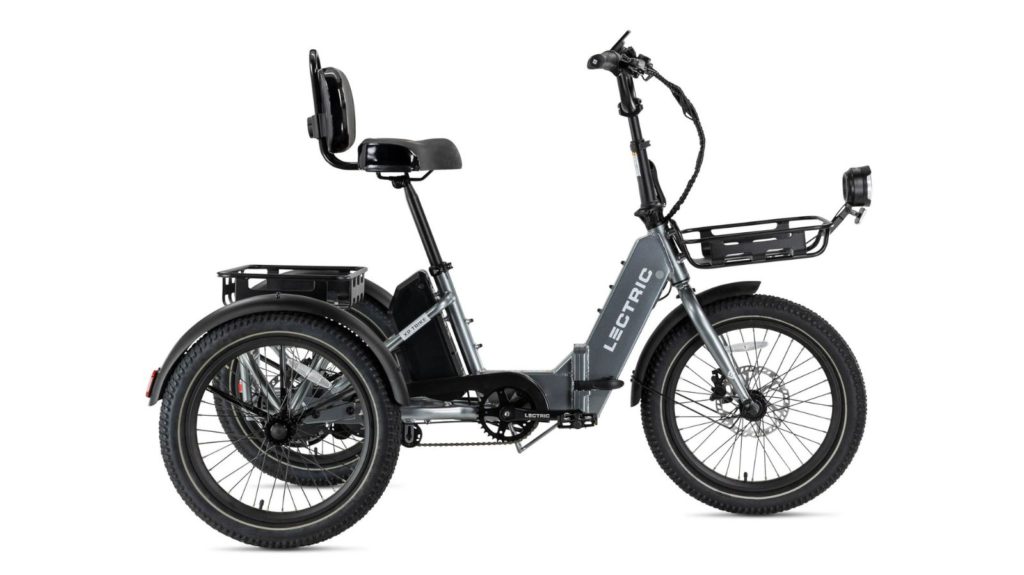
The XP Trike addresses balance rather than speed — its 500W hub motor tops at 13 mph, and the three-wheel configuration provides stability that two-wheel alternatives cannot offer riders with mobility challenges or balance concerns. The 415-pound capacity and 4’10” to 6’4″ fit range cover a wide range of riders. Braking performance is reliable, and the independence the trike provides for riders who might otherwise avoid cycling entirely is the primary value proposition. The turning radius requires more planning than a two-wheel bike, and storage logistics are more complex, but those are predictable trade-offs for the stability the configuration delivers.
6. Himiway D5 Zebra
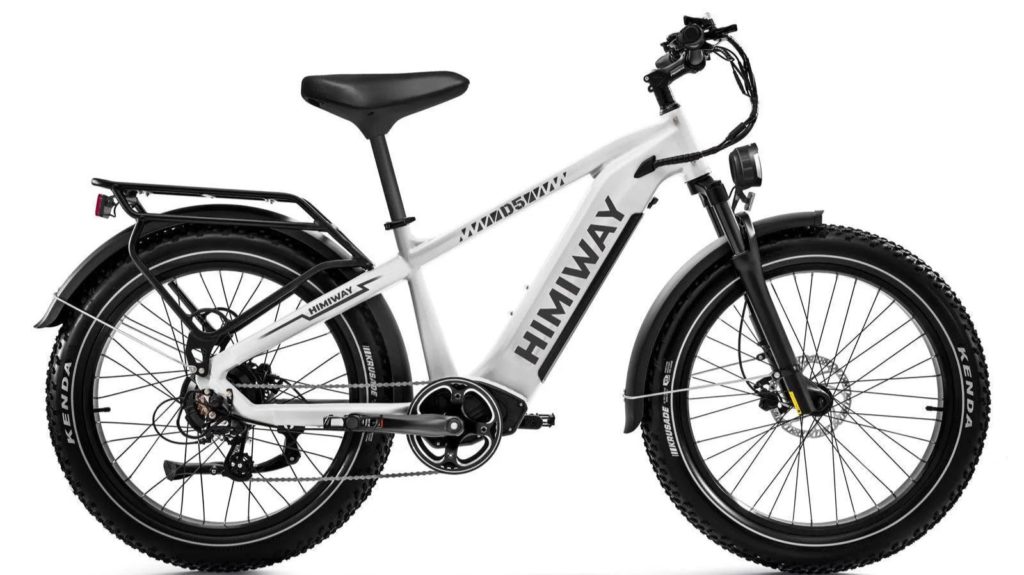
The D5 Zebra is built for range — 54-70 miles from a 750W motor producing 86 Nm of torque. That combination handles terrain variation without performance drop-off. The 400-pound capacity covers riders from 5’1″ to 6’5″, and the option to choose between torque and cadence sensors lets riders calibrate the pedal assist feel to their preference. The bike is heavy enough that portability is not a strength, and charging time is longer than lighter alternatives, but the range figures are the reason to choose it — if extended distance is the priority, the D5 Zebra delivers it consistently.
5. Electric Bike Company Model R
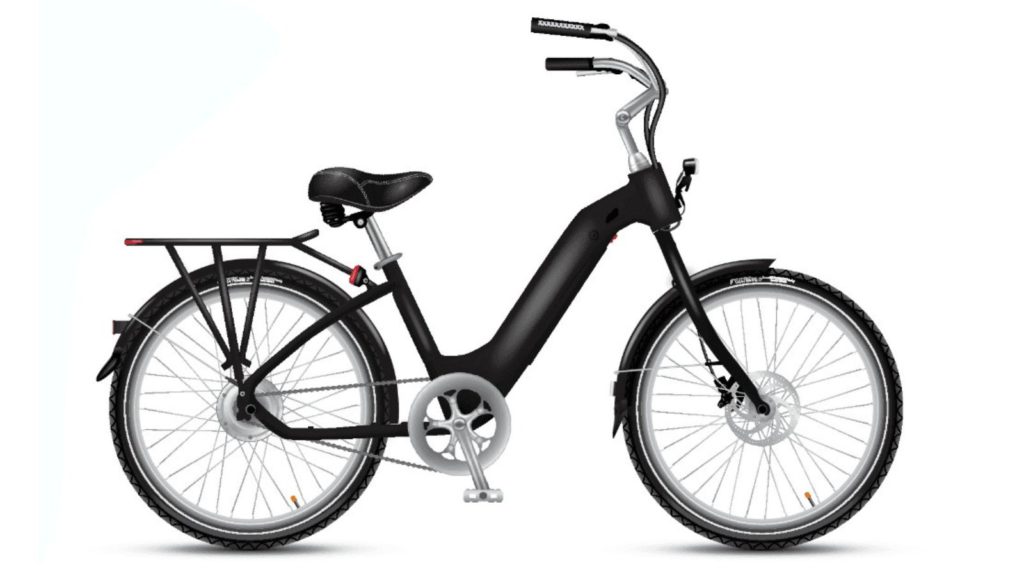
The Model R offers extensive customization — color, accessories, and drivetrain options — around a 750W rear motor delivering 60 Nm of torque. Range varies from 17-41 miles with the standard 576Wh battery, extending with larger battery upgrades. The 420-pound capacity and 5′ to 6’10” fit range are among the most accommodating specifications on this list. Sensor options between cadence and torque let buyers tailor the assist feel. Base prices escalate quickly with add-ons, and assembly requires patience, but the customization depth is genuine and the weight capacity is verified rather than aspirational.
4. Aventon Ramblas
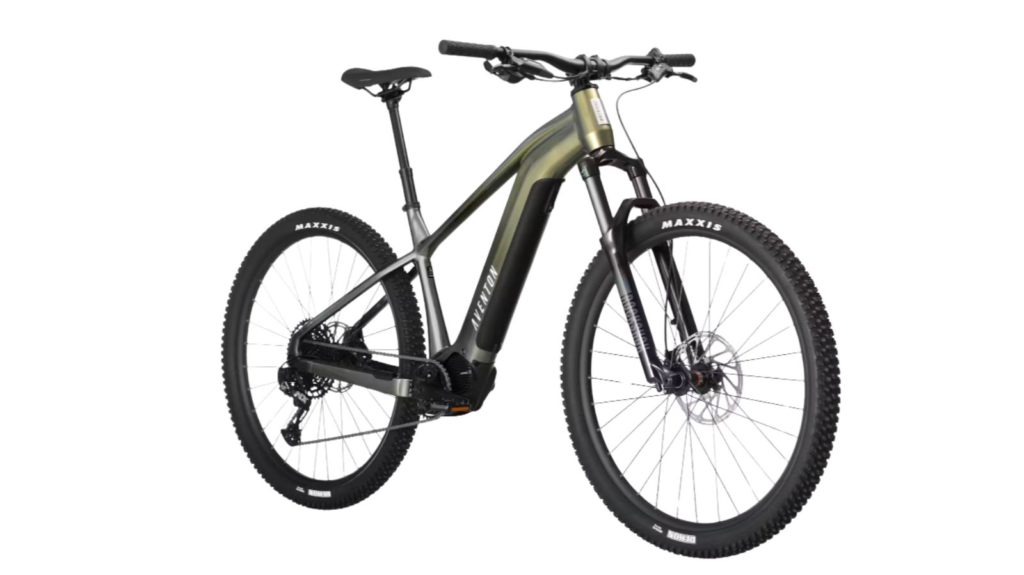
The Ramblas brings genuine eMTB capability to a price point well below most full-suspension trail-focused e-bikes. The 250W mid-drive motor peaks at 750W with 100 Nm of torque — meaningful climbing power on technical grades. The 706Wh battery supports extended trail sessions. With a 300-pound capacity and 5’1″ to 6’5″ fit range, it covers most trail riders. Entry-level suspension components show their limitations on highly technical terrain, and the stock tires are generalists rather than trail specialists — both upgrade targets over time. The performance-to-price ratio is the argument for the Ramblas, and it holds up under actual use.
3. Rad Power Bikes Radster Road
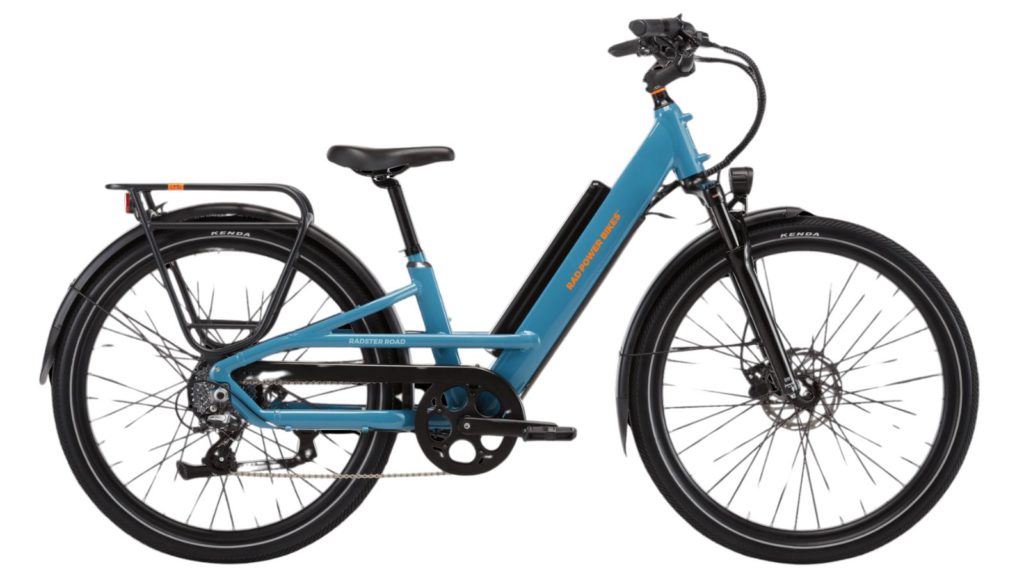
The Radster Road at $1,199.99 is the value case on this list — a 750W hub motor with a 320-pound payload capacity and 720Wh battery delivering 36-62 miles per charge. The 4’11” to 6’4″ fit range covers most commuting riders. The cadence sensor occasionally lags pedaling input response compared to torque sensor alternatives, and the stock saddle is a standard upgrade target, but those are minor corrections on a platform that delivers genuine urban utility at a price point that makes it accessible rather than a stretch purchase.
2. Ride1Up Rev1 FS
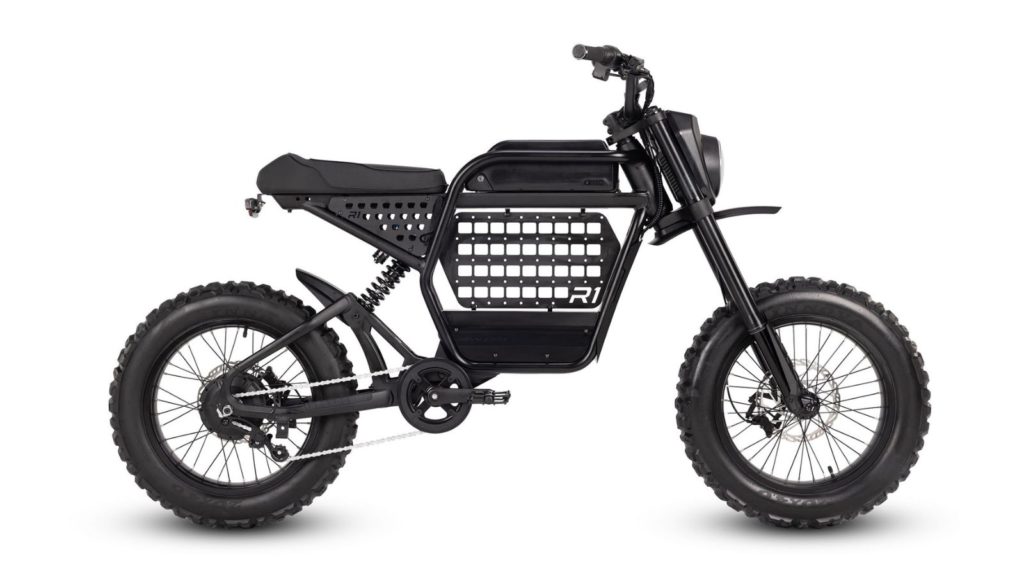
The Rev1 FS is an off-road platform with a 400-pound capacity — a meaningful combination for larger riders who want trail access rather than just commuter use. Full suspension absorbs impact loads that hardtail frames transfer directly to the rider, which matters more at higher payload weights. The 750W motor handles climbs, and the 780Wh battery provides 36-52 miles of range for real trail sessions. At $2,295 for the full suspension version ($1,795 for hardtail), it is a significant investment. The bike is heavy enough that carrying it is not practical, and the settings interface requires time to learn, but the performance on terrain that demands proper suspension is the specific justification for the price. More validated options from electric bikes tested for 2025 provide additional comparison points.
1. Aventon Aventure.2
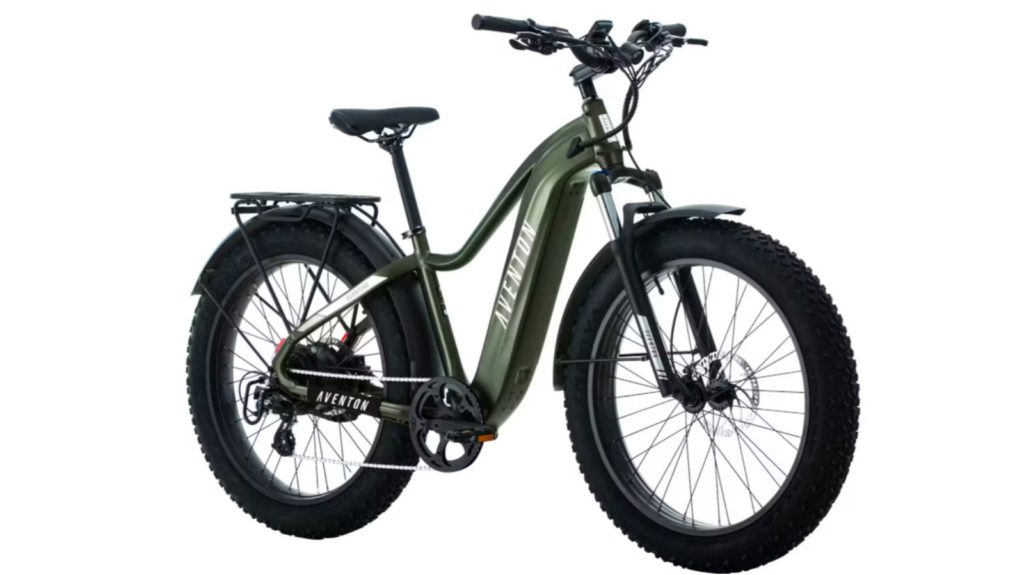
The Aventure.2 supports a tested 400-pound payload with a 750W hub motor and torque sensor that delivers proportional assist rather than the on/off response cadence sensors produce. The 720Wh battery covers 31-59 miles depending on riding intensity, and the frame accommodates riders from 4’11” to 6’4″. What separates it from competitors at this payload level is the braking system — a critical specification when higher rider weight means more momentum to manage on descents and at speed. The display can wash out in direct sunlight, which is a real limitation worth noting. Everything else is calibrated correctly for what larger riders actually need from an e-bike rather than what the standard market assumes they should accept.