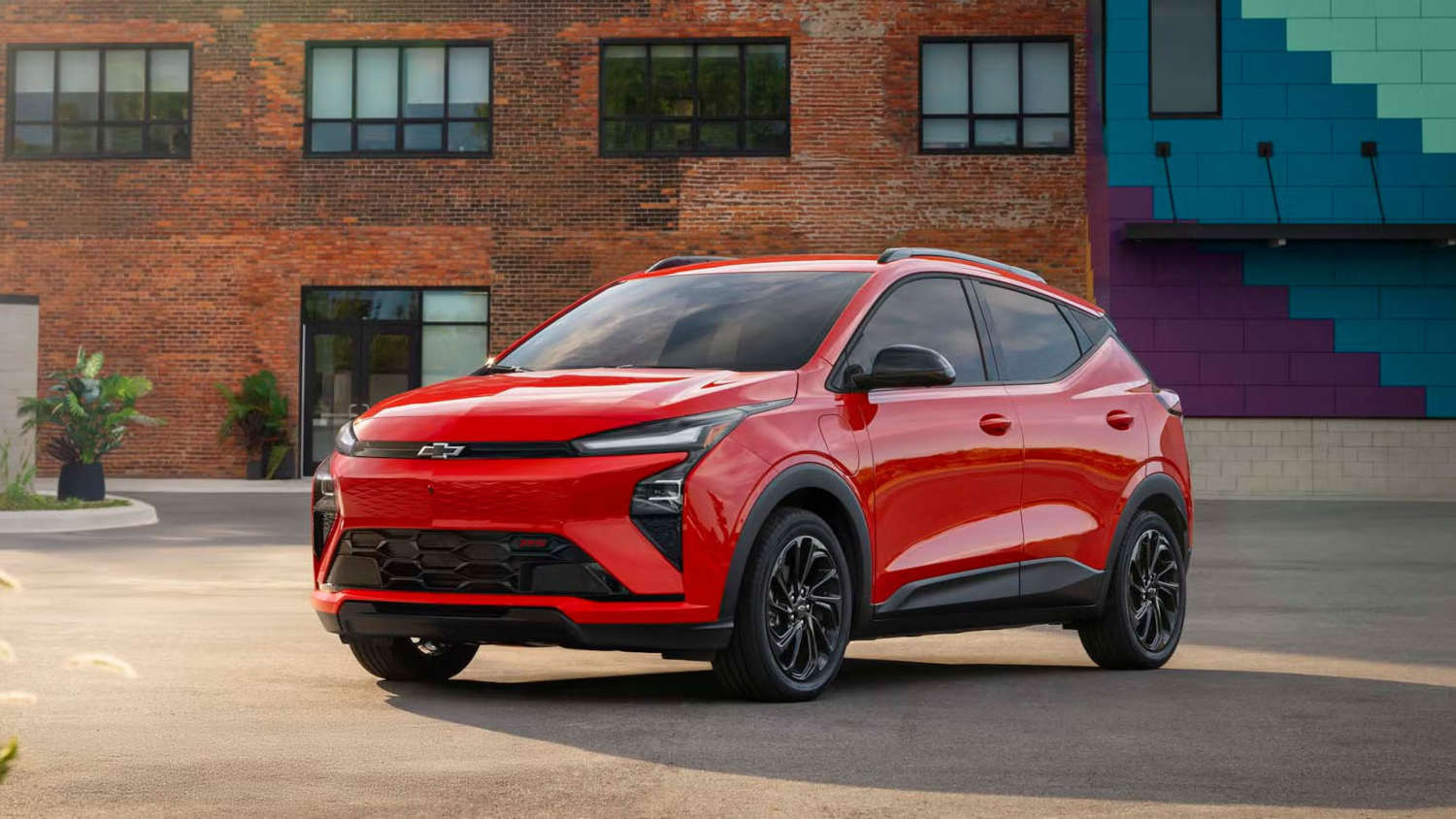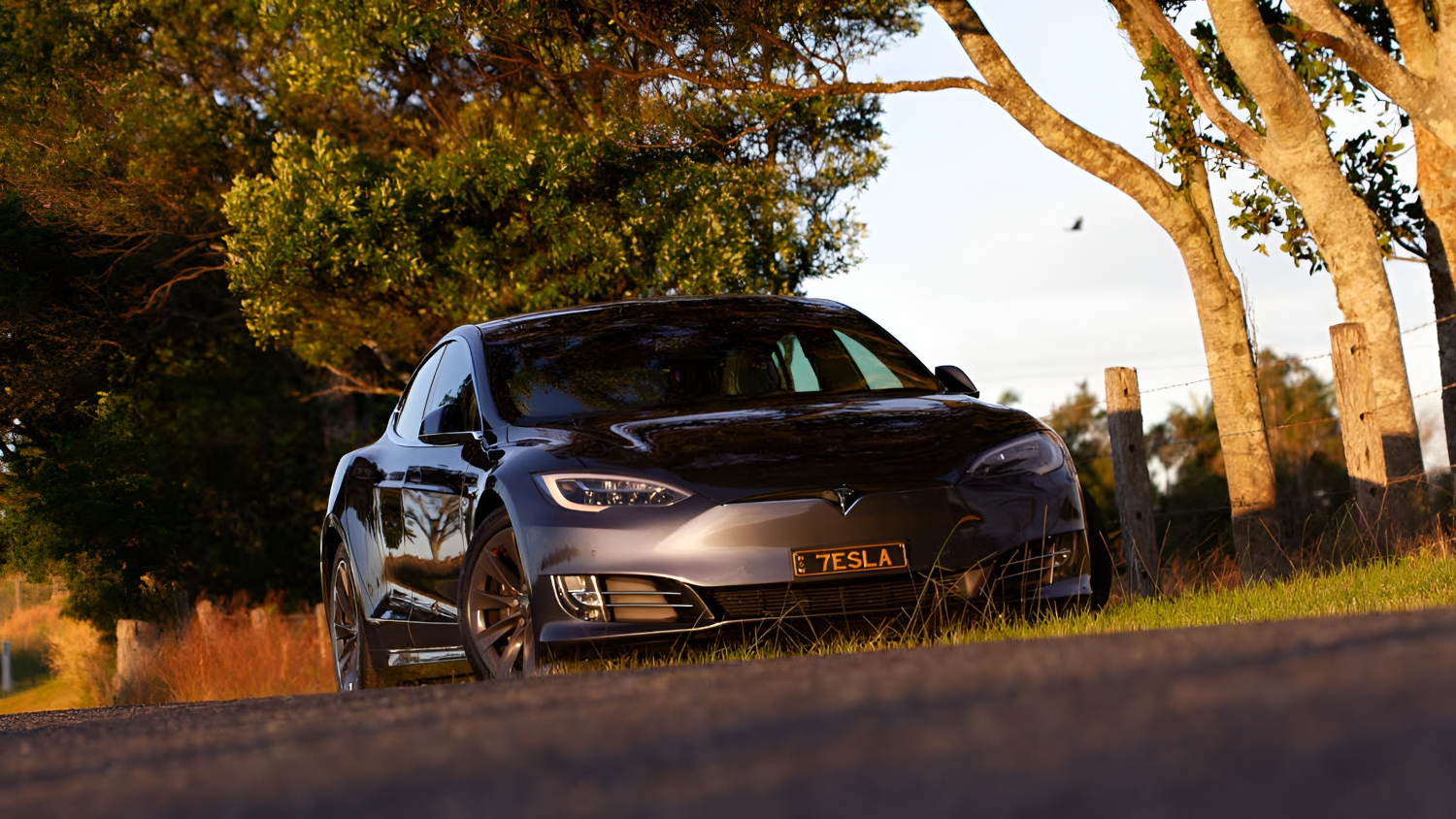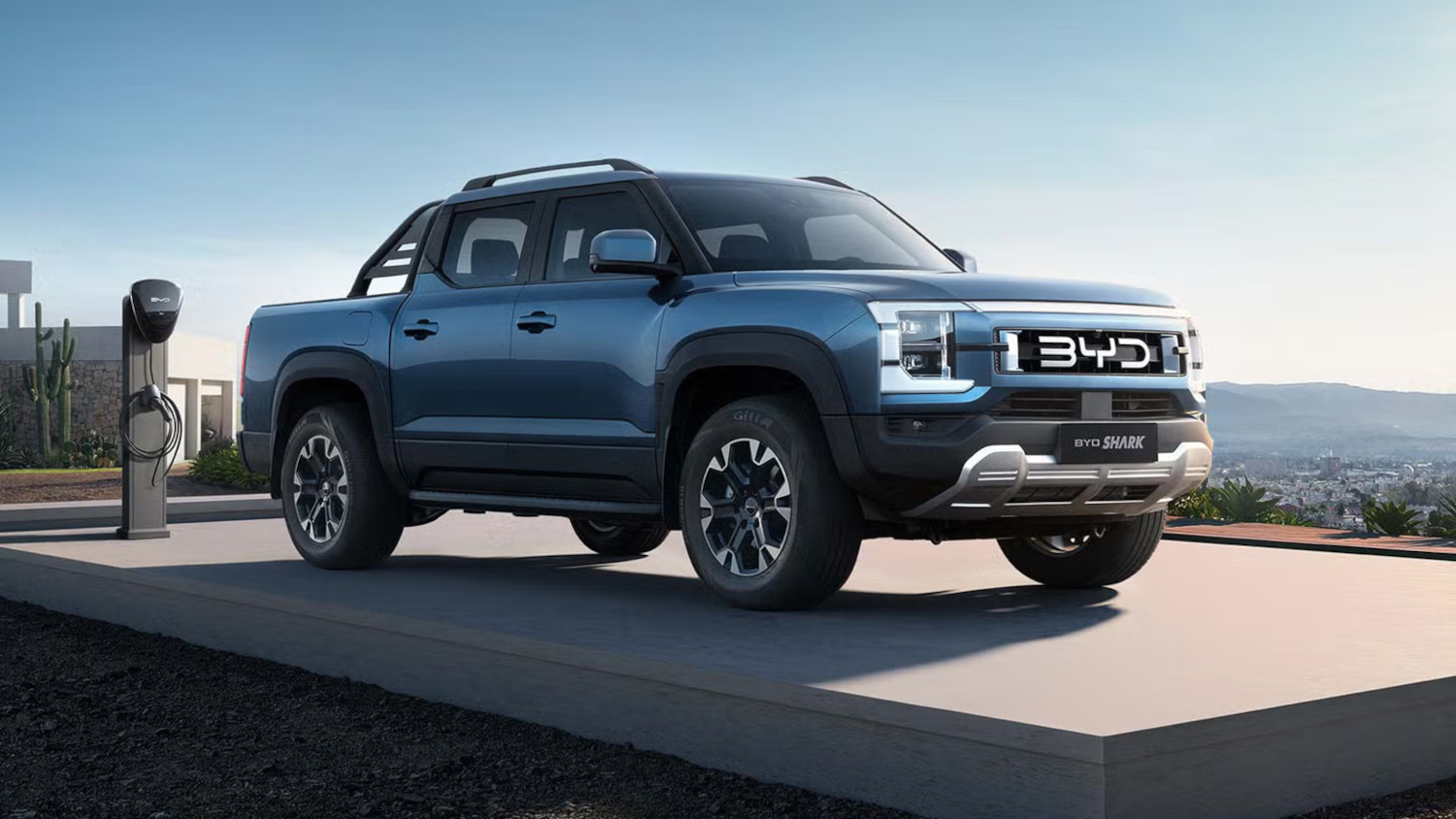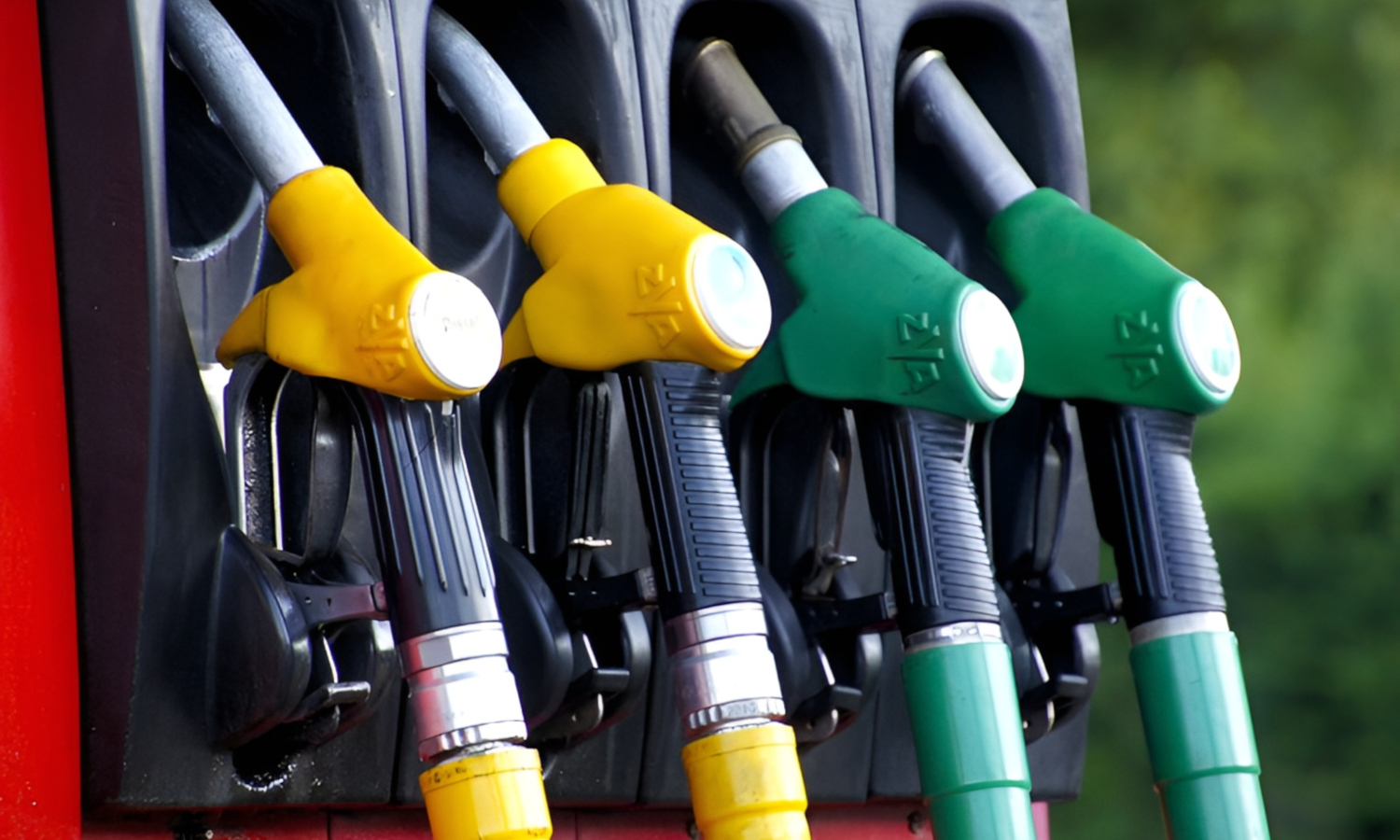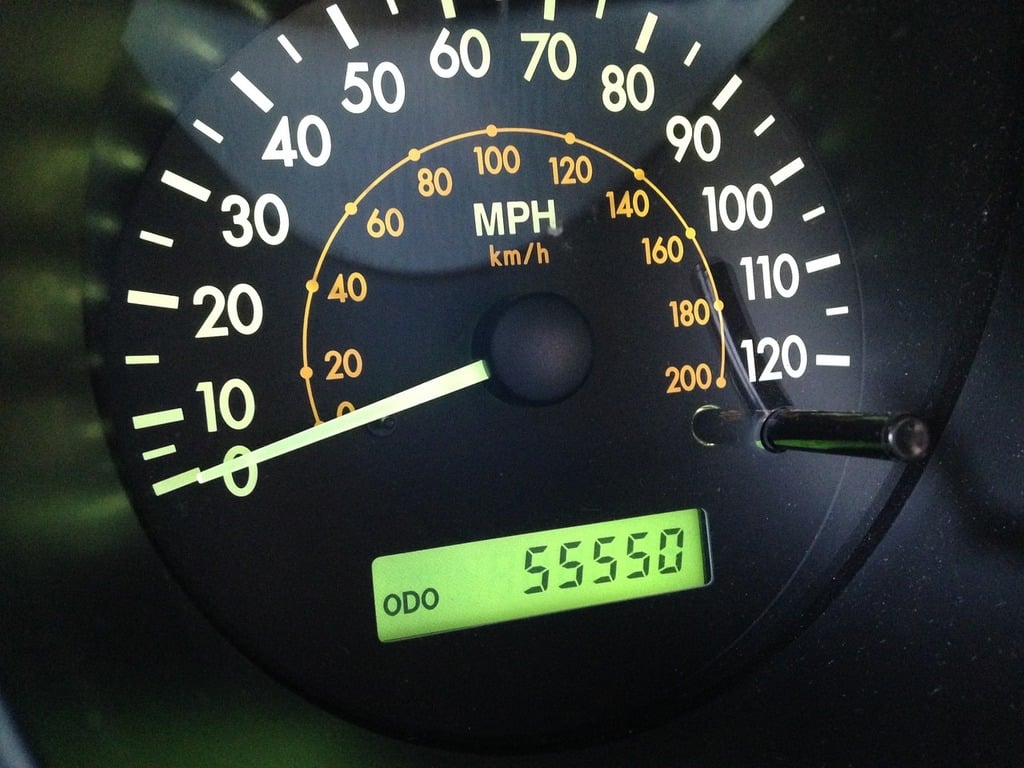


The assumption that a 100,000-mile EV is a financial gamble is widespread — and a new dataset of 47.4 million tests challenges it directly. Researchers at New AutoMotive analyzed MOT tests — Britain’s annual roadworthiness inspection — conducted between July 2024 and July 2026, commissioned by the British Vehicle Rental and Leasing Association. Among three- to eight-year-old vehicles at 90,000 to 120,000 miles, 16.5% of EVs failed their MOT versus 22.1% of petrol cars — roughly 25% less likely to fail on a relative basis. Above 120,000 miles, the gap widened further: 16.0% of EVs failed compared with 23.5% of petrol vehicles.
The divergence is reported from around 60,000 miles. Below that threshold, failure rates are nearly identical — 12.0% for EVs versus 11.7% for petrol cars at 20,000 to 40,000 miles. After 60,000 miles, high-mileage EVs level off near 16% while petrol rates continue rising. The fear of high-mileage EVs, it turns out, may be more reflexive than evidence-based.
The Numbers Worth Knowing
Three specific defect categories reveal where EVs hold an advantage — and where they carry a genuine weakness.
- Suspension: EVs recorded 4.7 defects per 100 tests at 60,000–90,000 miles versus 6.1 for petrol cars. In this mileage band, higher EV weight did not produce the elevated suspension-defect rates some observers predicted.
- Tires: EVs recorded approximately 1.8 times as many tire defects as petrol cars — a pattern researchers associated with earlier EVs built on combustion-car platforms not optimized for EV torque and weight distribution.
- Brakes: Older, low-mileage EVs showed more friction-brake corrosion, which researchers linked to regenerative braking reducing reliance on conventional friction brakes — a pattern that may contribute to caliper corrosion over time. At higher mileages, however, EVs recorded fewer brake defects than petrol cars.
What to Actually Check Before Buying a High-Mileage EV
An MOT pass confirms compliance with inspected roadworthiness requirements at the time of testing — it does not provide a comprehensive assessment of battery condition.
Passing a roadworthiness inspection and having a healthy battery are two entirely separate things. An MOT does not measure battery capacity, degradation, usable range, or charging speed. A vehicle can meet every inspected roadworthiness requirement while delivering significantly reduced real-world range compared with its original specification — making independent battery evaluation essential before any purchase.
Before committing, consider the following:
- Obtain a battery-health report and verify real-world charging behavior across multiple sessions.
- Inspect tires carefully — the 1.8× defect rate is a genuine flag worth taking seriously.
- Check brake condition and review service history for Reliable Cars context on long-term ownership costs.
- Confirm whether any powertrain or battery warranty remains active.
One further caveat: this data is British. The United States has no single national inspection regime equivalent to the MOT; requirements vary by state. Buyers purchasing their first EV should be aware that these findings offer solid evidence about mechanical durability in a British context and should not be treated as a direct American reliability guarantee.
The more useful question when evaluating a used EV is not simply “how many miles?” but “what is the battery actually doing?”