

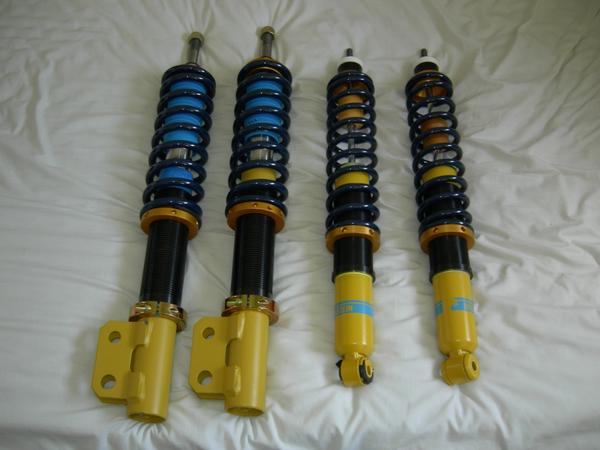
So, you’re thinking about upgrading to coilovers? Excellent choice! Coilovers can transform your car’s handling, giving you that dialed-in feel whether you’re carving canyons or hitting the track. But hold your horses, speed freaks! Slapping on a set of coilovers isn’t always a plug-and-play affair. There are pitfalls aplenty, and ignoring them can lead to a seriously compromised ride, or worse, a safety hazard. Ever wonder why some coilover setups feel amazing while others are a bouncy, ill-handling mess? This article dives into the five most common errors tuners make when upgrading to coilovers, ensuring your upgrade is a success, not a disaster.
Key Takeaways:
- Don’t cheap out: Quality coilovers are an investment. Skimping here can lead to poor performance and premature failure.
- Know your spring rates: Choosing the wrong spring rates can ruin your ride quality and handling. Match them to your car’s weight and intended use.
- Proper installation is key: Incorrect installation can damage your coilovers and compromise your car’s safety. Follow instructions carefully or hire a professional.
- Don’t neglect alignment: After installing coilovers, a proper alignment is crucial for optimal handling and tire wear.
- Adjustability isn’t everything: More adjustments don’t always equal better performance. Understand how each adjustment affects your car’s handling before making changes.
Understanding the Basics of Coilover Upgrades
Let’s break down what coilovers actually are. Simply put, a coilover is a suspension unit that combines a shock absorber and a coil spring into a single assembly. Unlike traditional separate spring and shock setups, coilovers allow for adjustable ride height and, in many cases, adjustable damping (how quickly the shock absorbs impacts). Think of it like this: your stock suspension is like a one-size-fits-all suit. Coilovers, on the other hand, are like a tailored suit, custom-fit to your car and driving style. But just like a poorly tailored suit looks worse than off-the-rack, poorly chosen or installed coilovers can be a downgrade.
Importance and Implications
Why should you, a discerning tuner, care about avoiding these coilover upgrade errors? Because your car’s handling, ride quality, and even safety are on the line! A poorly executed coilover upgrade can lead to:
- Reduced handling performance: Incorrect spring rates or damping settings can make your car feel unstable and unpredictable.
- Poor ride quality: Harsh, bouncy rides are no fun, especially on daily drivers.
- Premature wear and tear: Improper installation or low-quality components can lead to early failure of the coilovers and other suspension components.
- Safety hazards: In extreme cases, a poorly installed or maintained coilover can fail, leading to a loss of control.
Practical Applications and Strategies
Okay, so how do you avoid these pitfalls? Here’s a breakdown of practical steps:
- Research and choose quality coilovers: Don’t just buy the cheapest set you can find. Read reviews, talk to other enthusiasts, and choose a reputable brand with a good track record.
- Select appropriate spring rates: This is crucial! Consider your car’s weight, intended use (street, track, autocross), and driving style. Consult with a suspension specialist if you’re unsure.
- Follow installation instructions carefully: This seems obvious, but many people skip steps or make assumptions. Use a torque wrench and double-check all bolts.
- Get a professional alignment: After installing coilovers, your car’s alignment will be off. A proper alignment is essential for optimal handling and tire wear.
- Understand your adjustments: Don’t just start randomly clicking adjusters. Learn how each adjustment affects your car’s handling and make small, incremental changes.
Expert Insights and Case Studies
I once worked on a project car where the owner insisted on installing the coilovers himself to save money. He skipped a few steps in the instructions, didn’t use a torque wrench, and ended up with a dangerously loose suspension. The car handled terribly, and he eventually had to pay a professional to redo the entire installation. The lesson? Sometimes, saving a few bucks upfront can cost you much more in the long run.
Another common mistake I see is people over-adjusting their coilovers. They think that more adjustments equal better performance, but that’s not always the case. I’ve seen cars with so much damping dialed in that they felt like they were riding on solid steel. The key is to make small, incremental changes and test the car’s handling after each adjustment.
Spring Rate Selection: The Goldilocks Zone
Choosing the right spring rate is like finding the perfect porridge – not too hard, not too soft, but just right. Too stiff, and your car will bounce over every bump, making it uncomfortable for street driving. Too soft, and you’ll experience excessive body roll in corners, compromising handling. Consider your car’s weight distribution, the type of roads you typically drive on, and your desired level of comfort. A good starting point is to research what spring rates other owners with similar cars and driving styles are using.
Conclusion:
Upgrading to coilovers can be a game-changer for your car’s handling and performance. But it’s crucial to avoid these common errors to ensure a successful upgrade. Remember to choose quality components, select appropriate spring rates, follow installation instructions carefully, get a professional alignment, and understand your adjustments. By following these tips, you can transform your car into a finely tuned machine that’s a joy to drive.
Frequently Asked Questions:
What is a coilover?
A coilover is a suspension unit that combines a shock absorber and a coil spring into a single assembly, allowing for adjustable ride height and damping.
Why is upgrading to coilovers important for tuners?
Coilovers offer improved handling, adjustable ride height, and customizable damping, allowing tuners to fine-tune their car’s suspension for optimal performance.
How can I apply the concepts of coilover upgrades in my context?
Research different coilover brands and models, select appropriate spring rates for your car and driving style, follow installation instructions carefully, and get a professional alignment after installation.
Where can I learn more about coilover upgrades?
Online forums, automotive websites, and suspension specialists are great resources for learning more about coilover upgrades.