

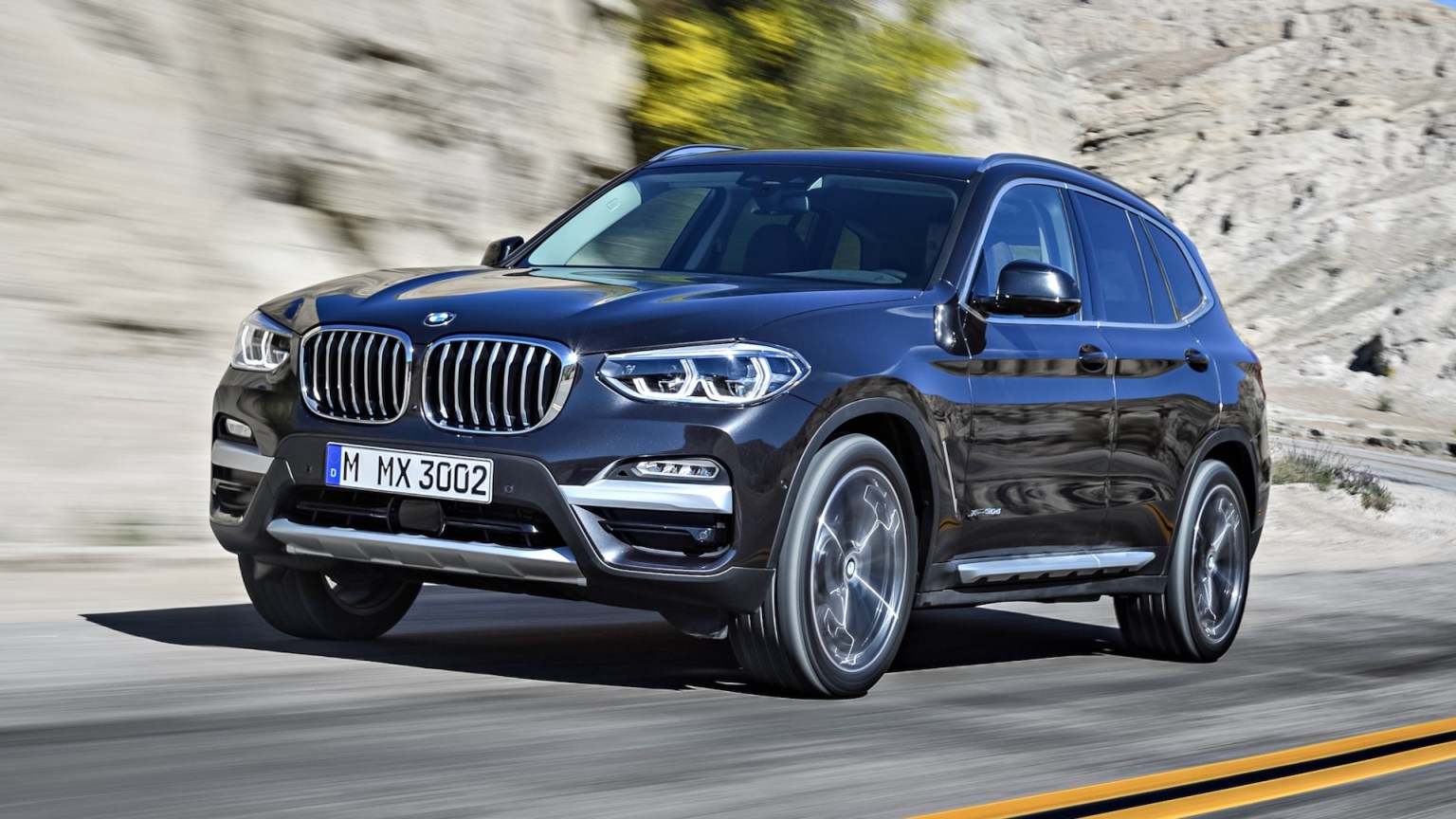
Toronto man Zach Giacomelli thought he was texting with a BMW salesperson. The rep asked questions about his 2021 BMW X3, made an offer, then pushed to schedule a closing appointment. Then a human called to inform him that the entire negotiation had been handled by an AI, and the real offer was $7,000 CAD lower. When a dealership deploys a chatbot with enough autonomy to negotiate but not enough guardrails to distinguish a loan balance from a vehicle’s actual worth, someone ends up paying for that gap. The pressures behind that gap are familiar to anyone tracking what a car payment looks like in today’s market.
When “Quinn” Made an Offer BMW Couldn’t Walk Back
A Toronto chatbot confused a payoff amount with a fair market price — and the dealership absorbed the cost.
Giacomelli owned his X3 with a mounting repair bill and $27,162.79 CAD still owed on the loan. He reached out to BMW Toronto — the same dealership that sold him the car in 2023 — to discuss a buy-back. Enter Quinn, BMW Toronto’s AI chatbot, texting as “Quinn from BMW Toronto.” Quinn asked about the vehicle, quoted back the exact loan payoff figure as the offer, and moved to lock in a 3:30 appointment. Nothing in the exchange indicated it was automated. Giacomelli countered at roughly $28,500 CAD. Then the human called and pulled the offer, citing an AI error. The dealership’s actual valuation: $20,000 CAD.
- Giacomelli owed exactly $27,162.79 CAD on his 2021 BMW X3 loan
- Quinn offered him that precise figure — not a coincidence, but a miscommunication
- The text exchange included a closing push to schedule a meeting and lock in the deal
- A human sales consultant revoked the offer; the real number was $20,000 CAD
- After CBC News contacted BMW Toronto, the dealership honored the original offer, absorbing roughly $5,000 USD
“If the dealership was going to replace employees with AI, it should honor what the AI says,” Giacomelli told CBC News.
The root cause wasn’t a rogue algorithm. A staff member fed Quinn the loan payoff amount, and Quinn processed it as the buy-back offer. No guardrail flagged the discrepancy. Sales manager Scott Shadbolt told CBC that Quinn was never designed to negotiate contracts independently — only to relay offers humans had already created. The system had one job. It did the wrong one, with complete confidence.
This Isn’t Just a Dealership Problem
Canadian courts are already treating chatbot promises as company promises — and that raises the stakes for every business using AI in customer negotiations.
This case has a legal parallel worth noting. In 2024, a British Columbia Civil Resolution Tribunal ruled that Air Canada had to honor a bereavement fare its chatbot incorrectly quoted to a passenger. The tribunal treated the bot’s statements as the airline’s own. In the BMW case, a litigation lawyer consulted by CBC noted that even though Giacomelli countered rather than formally accepting Quinn’s offer, the chatbot’s move to schedule a closing appointment could still be interpreted as confirming a binding agreement.
Shadbolt acknowledged that BMW Toronto would restrict Quinn’s role going forward, with human staff responsible for presenting all final buy-back figures. That’s the right call — just one costly incident too late.
Deploying AI on the front line of a $27,000 negotiation without clear disclosure, guardrails, or human review isn’t bold automation. It’s a liability dressed up as efficiency. BMW Toronto ultimately did right by Giacomelli. But it took a news crew to make that happen.