


Charlie Sheen’s garage spans more ground than most collectors would dare. Thirteen cars ranging from an 83-horsepower Dodge Colt to a 1,001-horsepower Bugatti Veyron sit under one roof. The spread covers vintage American iron, British handcraft, German performance sedans, and a French hypercar that redefined what a production car could be. Nothing about this collection was assembled by accident.
Here are 13 cars from Charlie Sheen’s collection that reveal more about his taste than any interview ever has.
13. Porsche 944: A Classic with a TV Star Connection (Exterior)
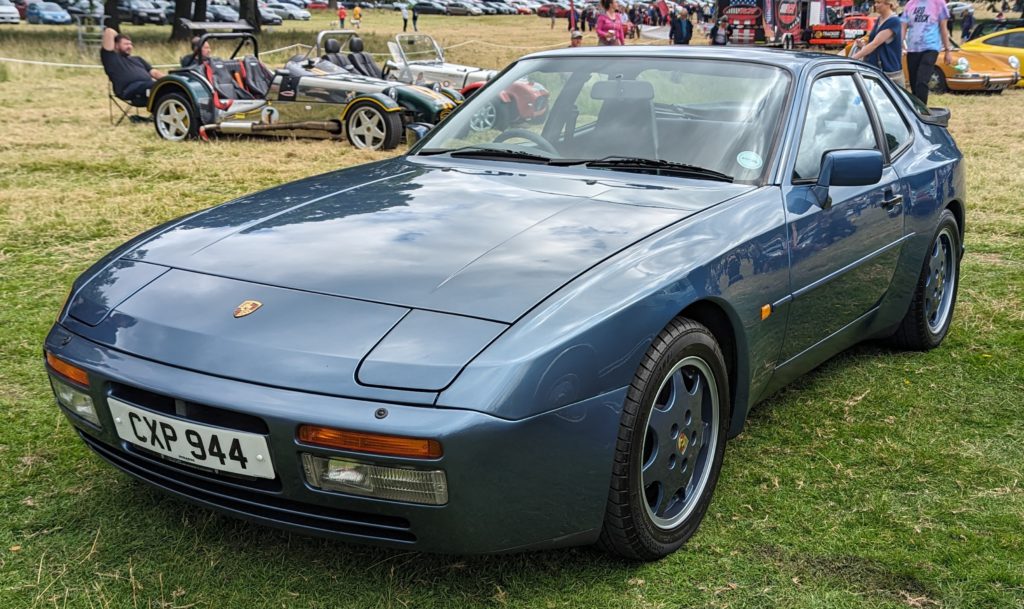
The 1985 Porsche 944 was the entry point that made Porsche ownership realistic for a generation of drivers. The 2.5L inline-4 produces 150 to 165 horsepower and gets to 60 mph in 8.3 seconds, with a 130 mph top speed that still feels brisk on a back road. Rear transaxle layout spreads weight evenly front to back, giving the 944 handling balance the 924 it replaced never had. Built between 1982 and 1991, it delivered genuine sports car credentials without the price premium of a 911. TV fans may recognize this exact model from its appearances in “Two and a Half Men.”
Porsche 944: A Classic with a TV Star Connection (Interior)
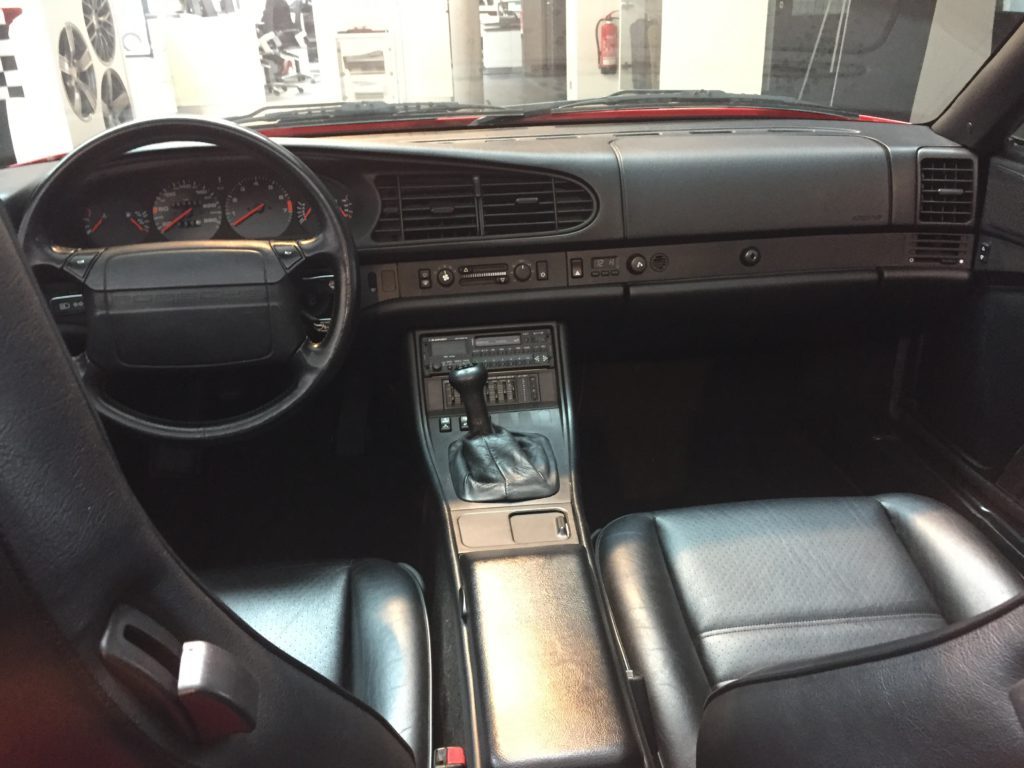
Inside the 944, the cockpit is built around the driver with no apologies for what it leaves out. Essential controls fall directly to hand, the instrument cluster puts vital information straight ahead, and the supportive seats hold position through corners without punishing on the highway. Rear seats exist and add genuine cargo flexibility, which was a practical advantage over pure two-seaters of the era. Luxury was never the point here. The 944’s interior is an honest sports car cabin that gets out of the driver’s way.
12. Porsche Cayenne: Luxury and Performance Combined (Exterior)
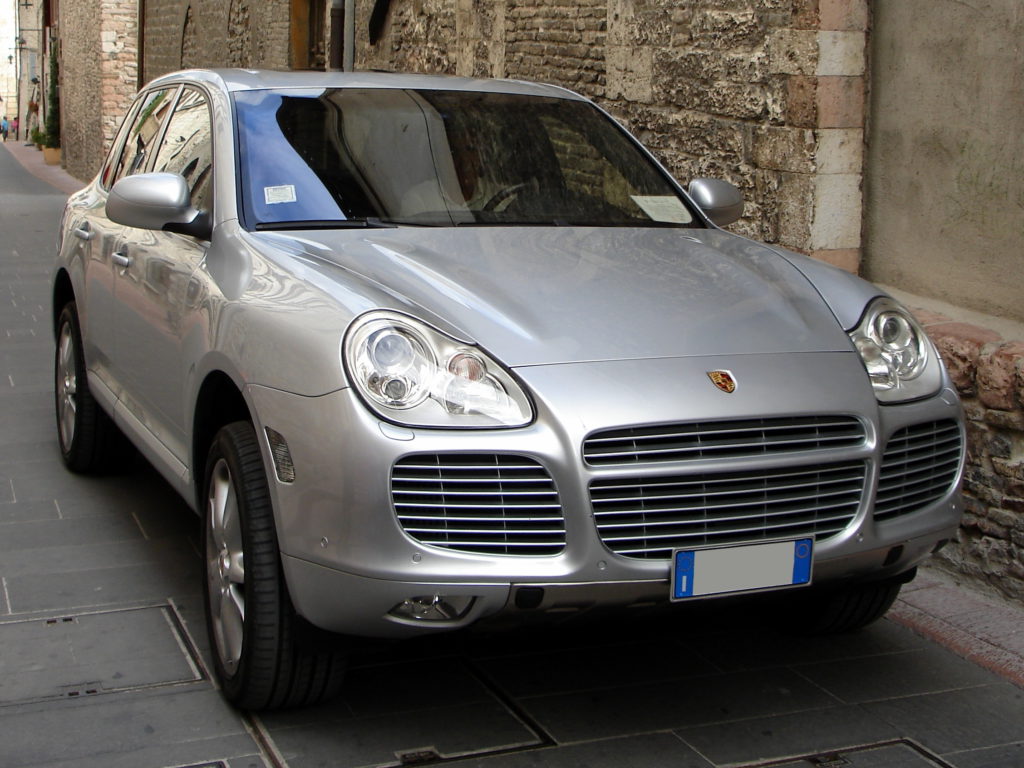
When Porsche launched the Cayenne in 2002, purists complained and customers lined up to buy one. The 3.0L turbocharged V6 makes 335 horsepower, runs to 60 mph in 5.9 seconds, and tops out at 152 mph — numbers that embarrass most dedicated sports cars. Wide fenders, aggressive stance, and unmistakably Porsche headlights communicate the heritage clearly despite the elevated ride height. The advanced all-wheel drive system handles spirited on-road driving and genuine off-road use without hesitation. The Cayenne proved that performance and daily practicality could share the same driveway.
Porsche Cayenne (Interior)
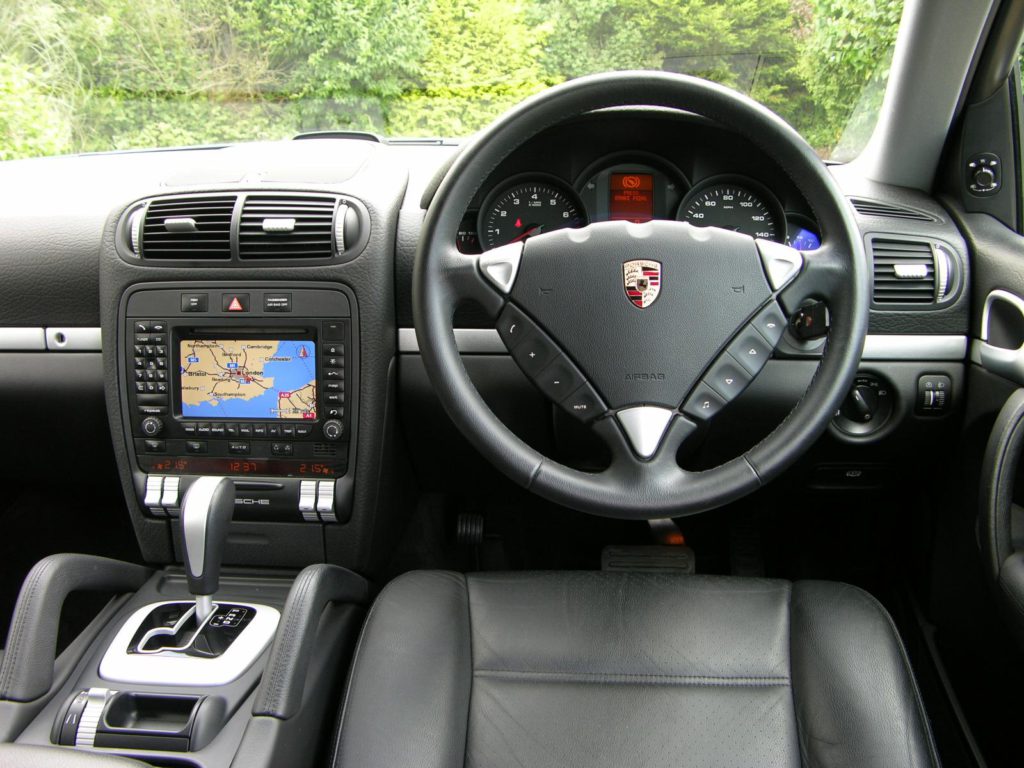
Porsche built the Cayenne’s cabin around the driver first and passengers second, which is exactly the right priority for this kind of vehicle. The 8-speed automatic delivers smooth, decisive gear changes whether cruising a highway or pushing through a mountain pass. Elevated seating gives excellent visibility in traffic, and rear passengers get enough legroom and headroom to cover real distances without complaints. Early models had reliability issues that later generations addressed. The interior makes a clear case that an SUV can feel like a Porsche from the driver’s seat without compromise.
11. Mercedes-Benz AMG SLK 320: A Compact and Powerful Roadster (Exterior)
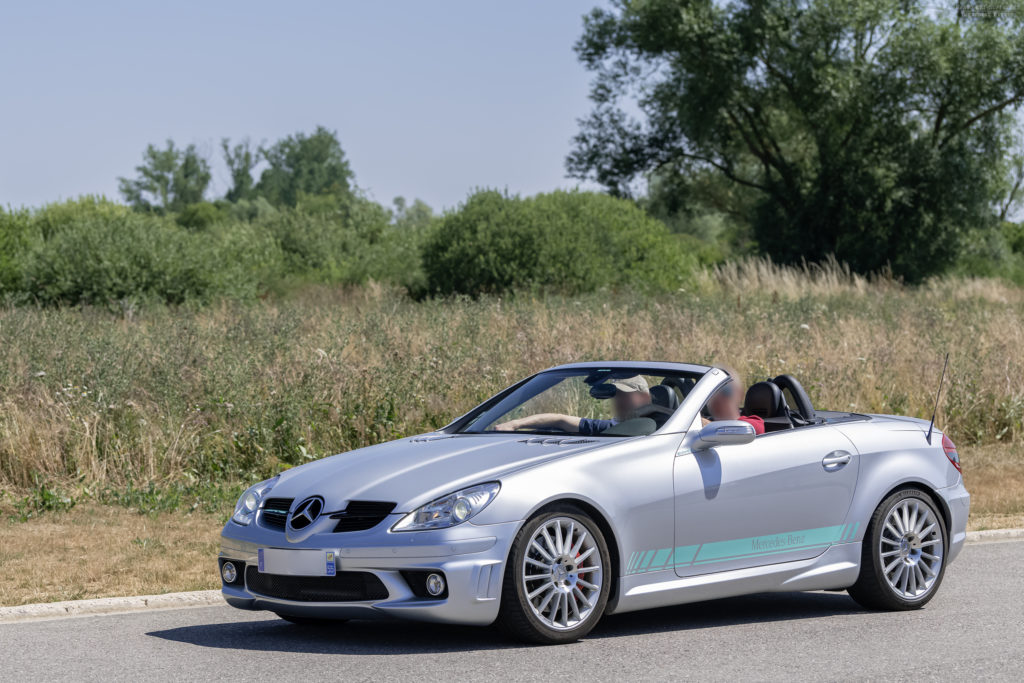
The SLK 320 made history as the first modern production car with a retractable hardtop, and that single engineering decision changed the roadster market permanently. Built across the 1996 to 2004 R170 generation, the compact body houses a 3.2L V6 making 215 horsepower and sprinting to 60 mph in 6.9 seconds. The short wheelbase and precise steering reward winding roads in a way larger roadsters simply cannot replicate. AMG touches add performance-focused details throughout the exterior without announcing themselves loudly. Push a button and a secure coupe becomes an open convertible — that trick still impresses.
Mercedes-Benz AMG SLK 320 (Interior)
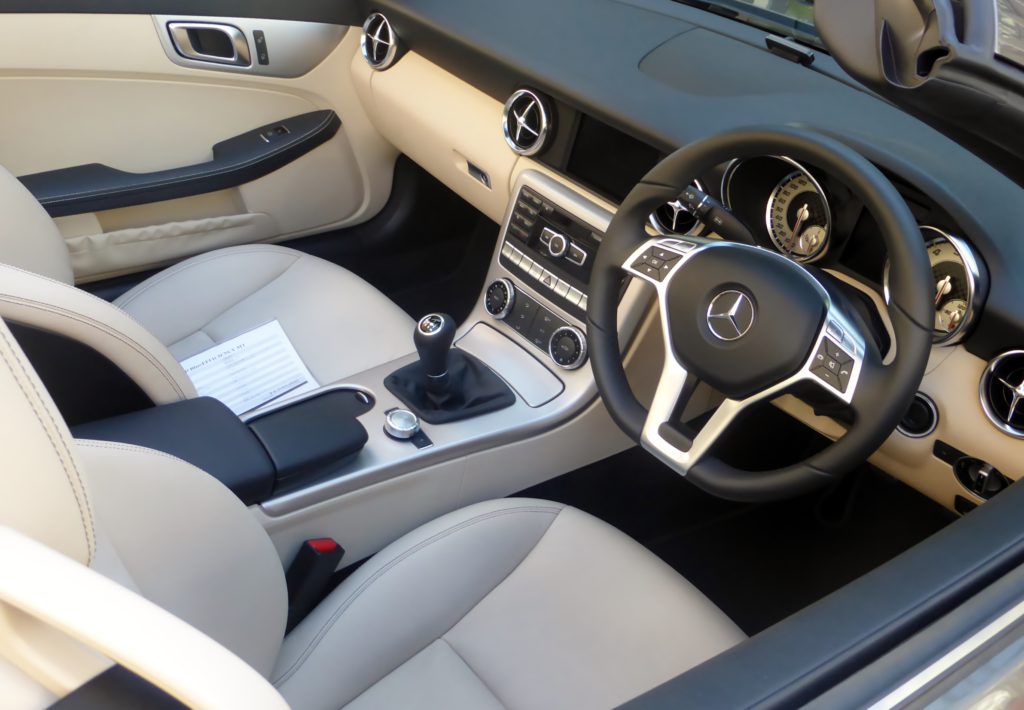
Premium materials wrap the SLK’s compact cabin in a way that reflects Mercedes-AMG’s commitment to quality at every price point. Gauges are clear, controls are logically placed, and the driving position puts everything exactly where a focused driver needs it. The compact dimensions limit storage, and trunk space shrinks further with the hardtop stowed. Weekend trips are manageable with smart packing. Sport meets daily usability in a cabin that never feels like a compromise in either direction.
10. Porsche 911 Carrera S: Sleek Design and Advanced Technology (Exterior)
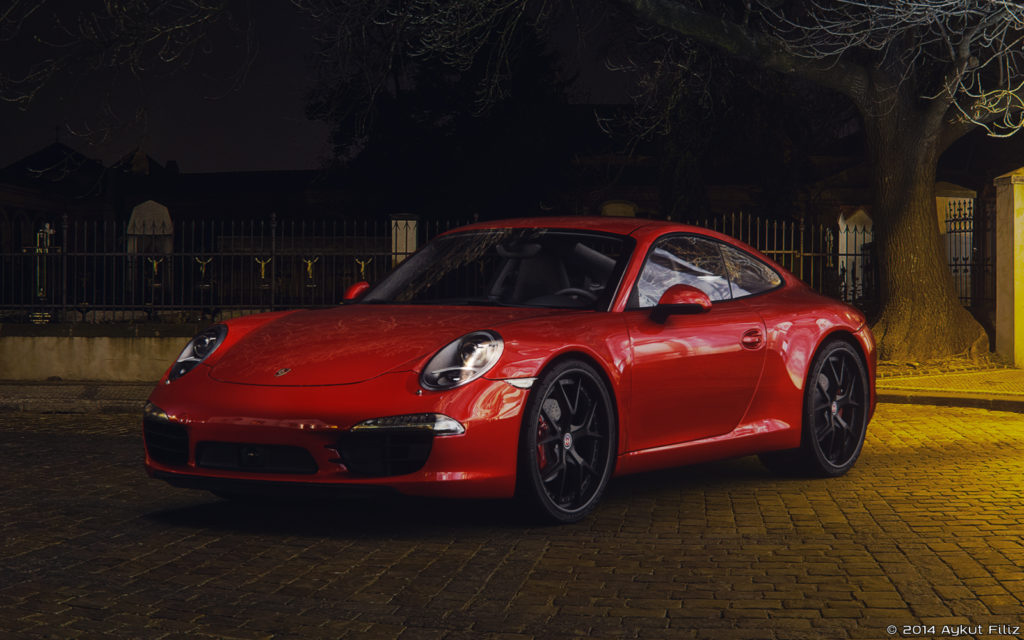
No sports car silhouette on earth is more immediately recognizable than the 911, and the Carrera S justifies every decade of that reputation. The 3.0L twin-turbo flat-6 produces 443 horsepower, and with the Sport Chrono package the car reaches 60 mph in 3.3 seconds on its way to a 191 mph top speed. Porsche Torque Vectoring Plus sharpens cornering response, and Porsche Active Suspension Management reads road conditions and adjusts continuously. The aerodynamics are functional, not decorative. At this level of engineering, the 911 Carrera S remains the benchmark every other sports car gets measured against.
Porsche 911 Carrera S (Interior)
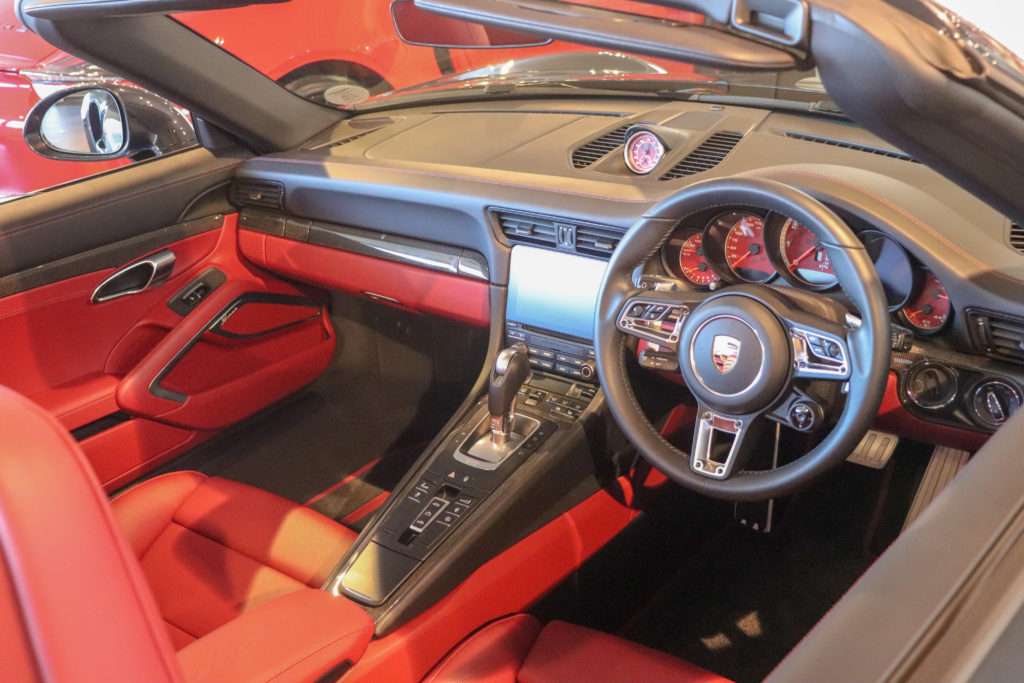
The 911 cabin puts a tachometer front and center in a five-gauge cluster, which tells the driver exactly what Porsche thinks matters most. Leather-wrapped steering wheel, precisely stitched seats, and high-quality materials across every surface establish the quality level without overplaying it. The 2+2 rear seats handle extra cargo or occasional passengers without pretending to be a full four-seater. Technology integrates into the cabin without demanding attention from the driver. Daily usability is real — this is a car that can run airport pickups Monday and track days Saturday.
9. Mercedes-Benz AMG E63s: The Final Chapter of Hot Rod Sedans (Exterior)
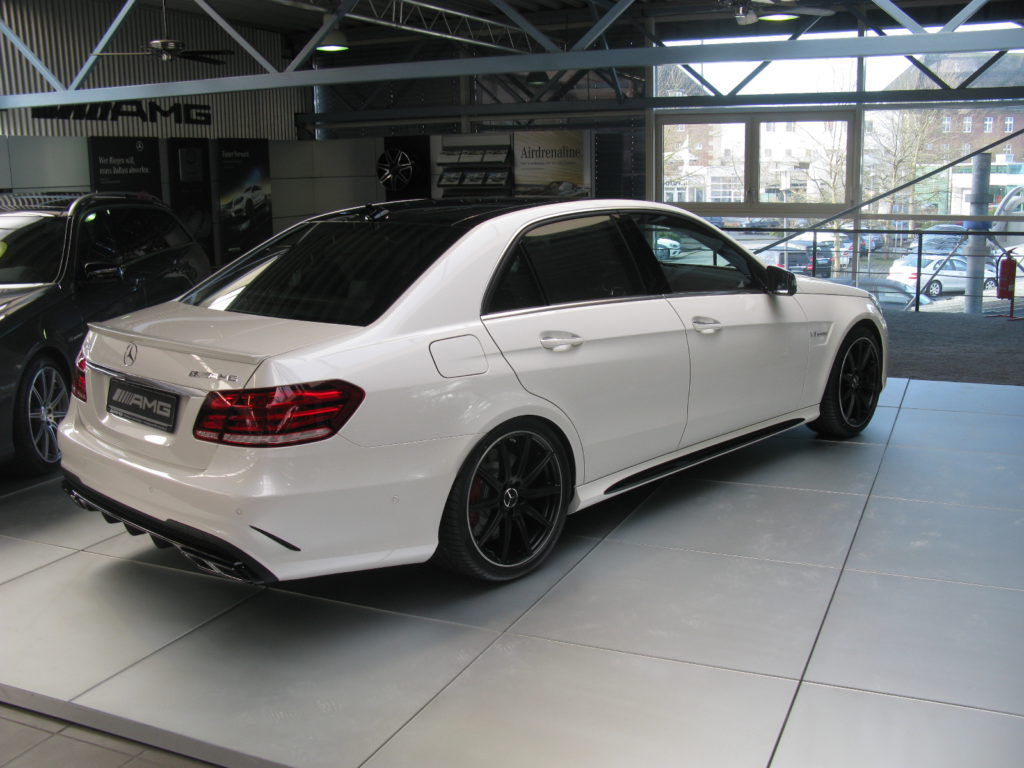
603 horsepower in a family sedan is an idea that takes a moment to process. The AMG E63s runs a twin-turbo 4.0L V8 to 60 mph in 3.3 seconds and covers the quarter-mile in 11.3 seconds — figures that belong in a supercar conversation. The 4MATIC+ all-wheel drive puts that power down in any weather, and a drift mode unlocks for track use when the mood strikes. Wider wheel arches, larger air intakes, and quad exhaust tips hint at what’s underneath without shouting about it. The E63s is the definition of a wolf in sheep’s clothing.
Mercedes-Benz AMG E63s (Interior)
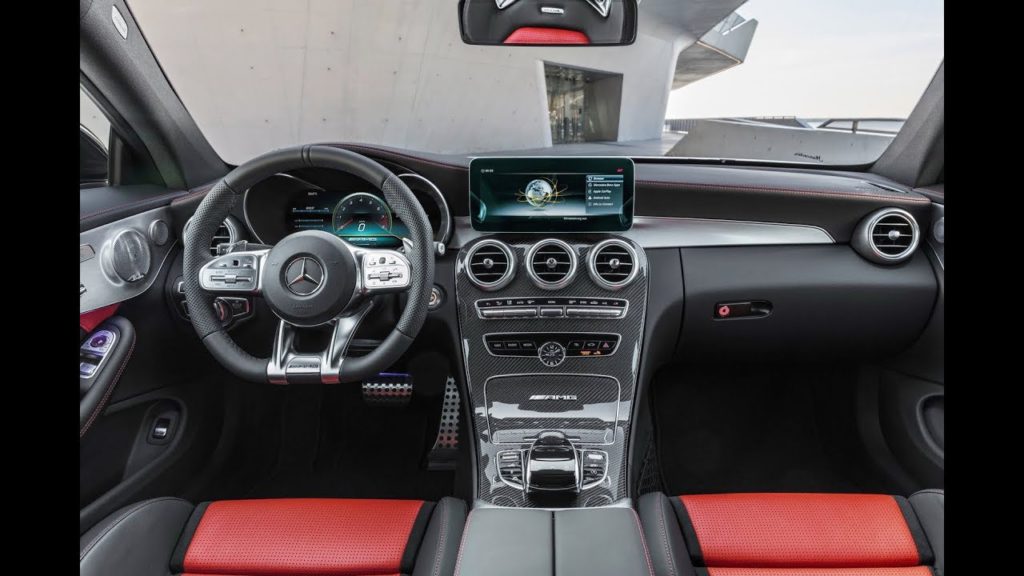
AMG SPEEDSHIFT MCT 9-speed transmission and AMG RIDE CONTROL+ air suspension work together inside the E63s to deliver a cabin that shifts between comfortable cruiser and focused performance tool without drama. Premium materials cover the dashboard and door panels throughout, and the sport seats hold occupants firmly during hard driving without punishing on longer trips. Some drivers find the firm suspension calibration too aggressive for daily use on rough roads. Performance at this level rarely comes packaged with this much genuine luxury. The E63s proves the two don’t have to cancel each other out.
8. Dodge Colt: A Compact Budget Car from the 70s (Exterior)
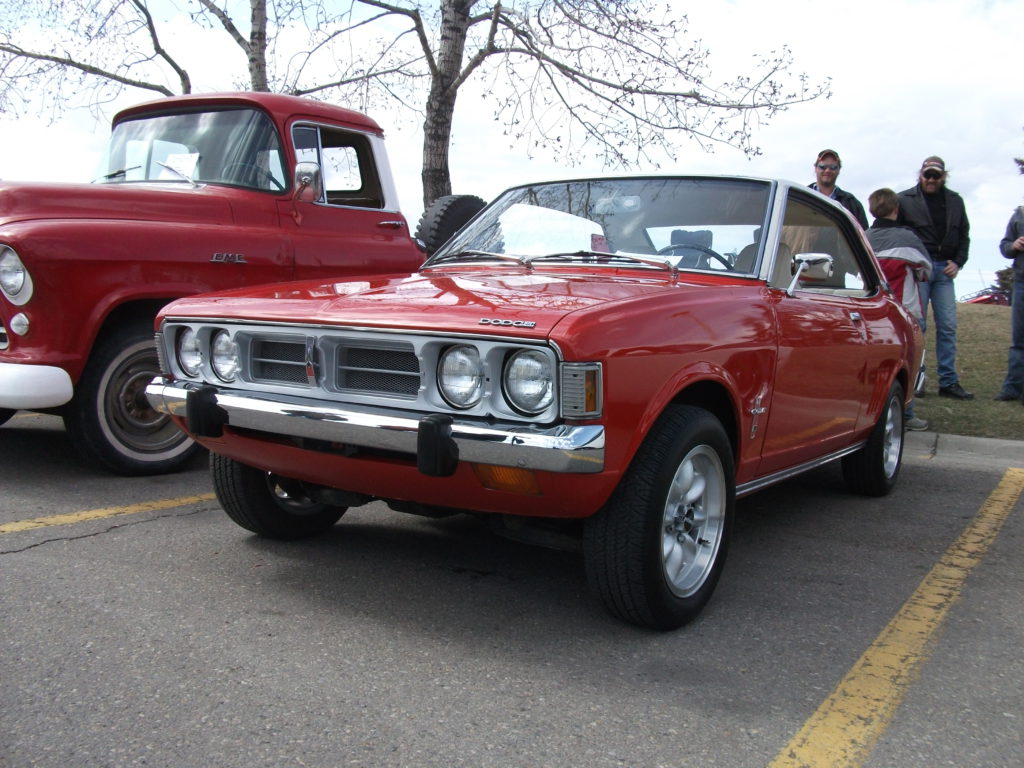
Sitting between a Bugatti Veyron and a Rolls-Royce Phantom, a 1970s Dodge Colt says something deliberate about the collector who kept it. This rebadged Mitsubishi Galant runs a 1.6L inline-4 making 83 horsepower — a number that exists nowhere else in Sheen’s garage. Clean, unfussy lines reflect the straightforward design thinking of 1970s compact cars, built for efficiency and affordability rather than drama. The fuel crises of the decade made the Colt genuinely popular, and its simplicity is exactly what kept many of them on the road. Most didn’t survive to this day due to rust and economy car neglect, which makes a preserved example worth noticing.
Dodge Colt (Interior)
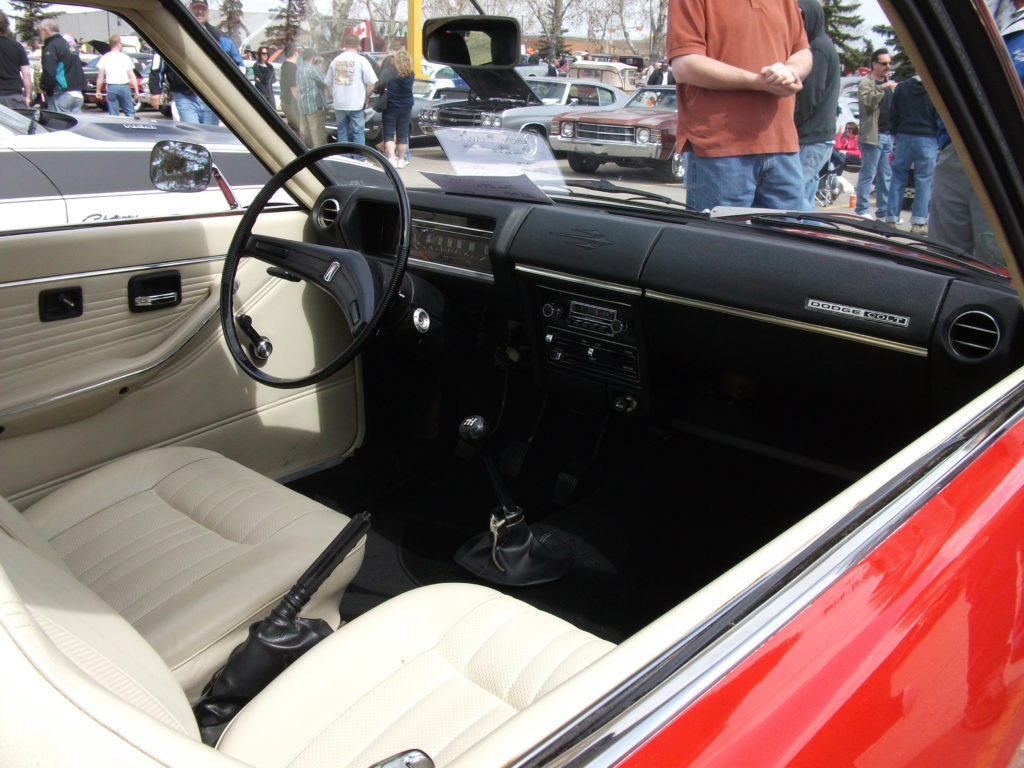
Basic instrumentation, cloth seats, and straightforward controls define the Colt’s cabin with zero pretension. A 3-speed automatic or optional 4-speed manual handled daily driving duties without complication, which was exactly the point of a car like this. Nothing inside competes with the Bentleys or Porsches elsewhere in the collection, and that contrast is the whole story. Collecting means appreciating automotive history, not just chasing horsepower figures. The Colt earns its place in this garage by being the most honest car in it.
7. Bentley Continental GT Coupe: Luxurious Design and High Performance (Exterior)
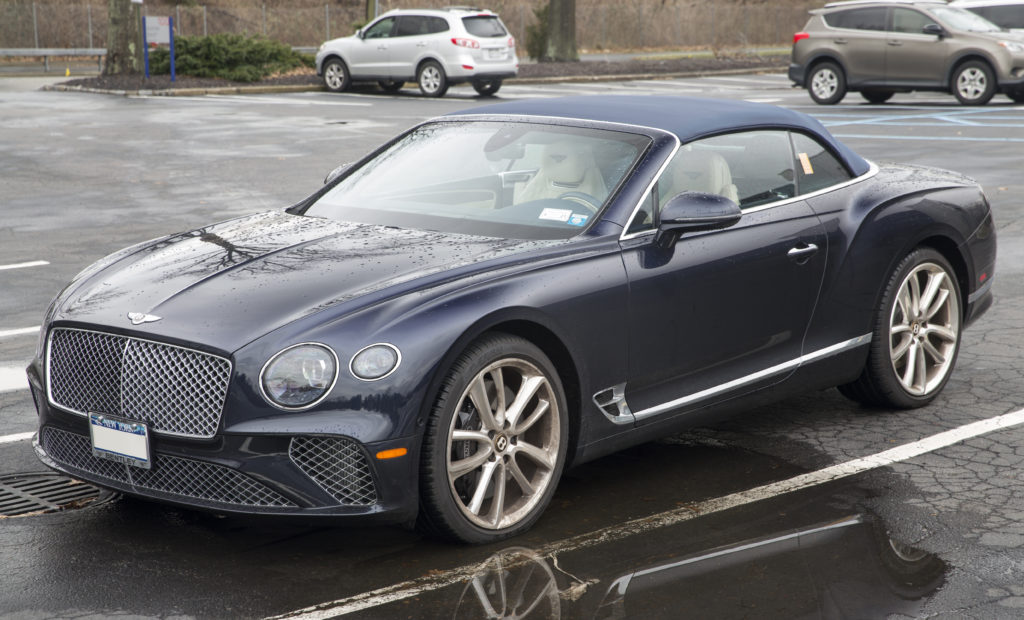
198 mph from a grand tourer that seats four in genuine comfort is an engineering achievement most manufacturers never attempt. The Continental GT’s 4.0L twin-turbo V8 delivers 542 horsepower with 0-60 in 3.9 seconds, and the optional W12 pushes that figure to 626 hp for drivers who find the V8 insufficient. Muscular body styling blends classic Bentley proportions with modern aerodynamic requirements, and all-wheel drive keeps it composed in conditions that would unsettle a lesser car. For those interested in how the Continental GT fits into the broader world of high-performance touring machines, it holds its own among the most capable cars ever built. Arriving in a Continental GT makes a statement that doesn’t require explanation.
Bentley Continental GT Coupe (Interior)
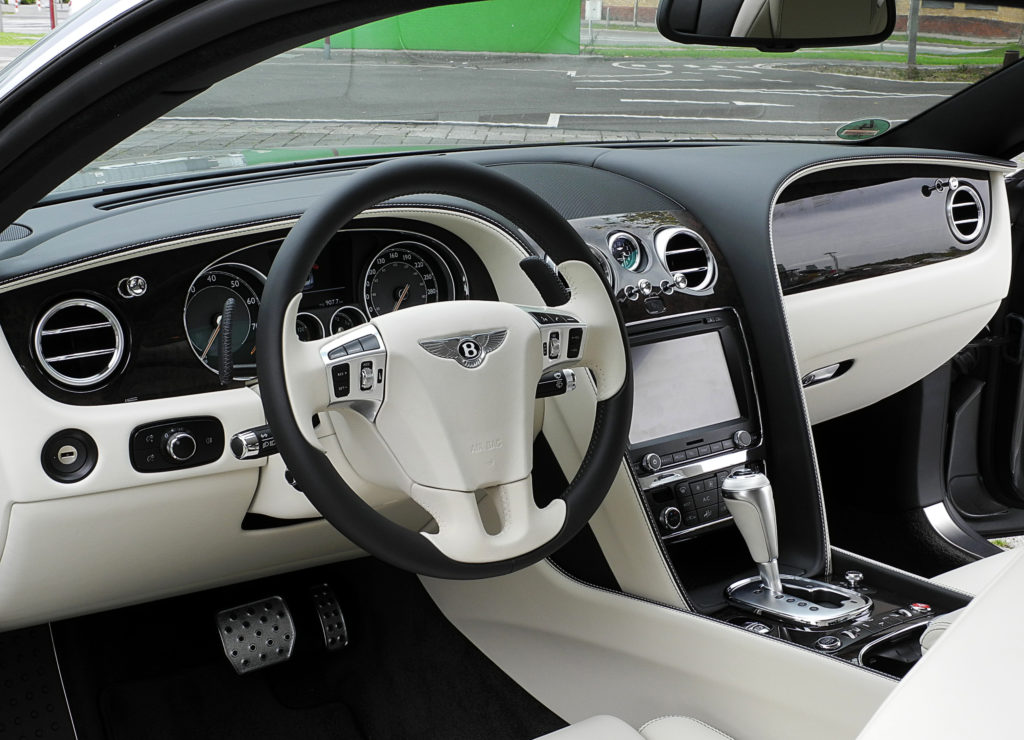
Hand-stitched leather and real wood veneers cover every surface inside the Continental GT, applied by craftspeople rather than assembly line machines. Air suspension with continuous damping control absorbs road imperfections across varied surfaces, keeping long-distance travel genuinely relaxed rather than merely tolerable. Driver and passenger get supremely comfortable seats that hold up across serious mileage. The weight of the car shows in corners, where agility takes a back seat to composure. Initial depreciation hits hard on these, though special editions tend to hold value better than standard builds over time.
6. Bentley Flying Spur: Style, Wealth, and Customization (Exterior)
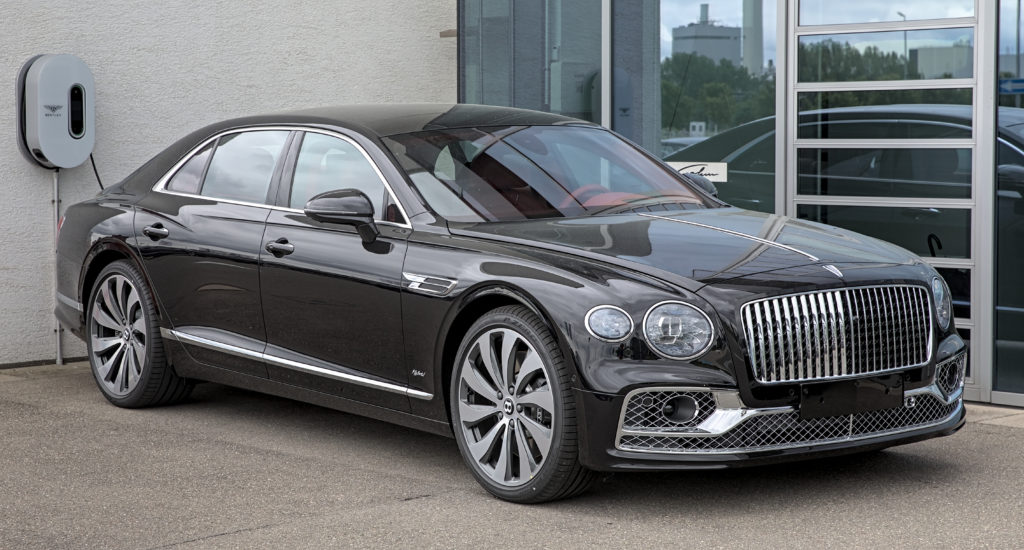
The Flying Spur takes everything the Continental GT does and adds two rear doors without giving up a single performance credential. The twin-turbo 4.0L V8 produces 542 horsepower and launches the sedan to 60 mph in 4.0 seconds flat, with the optional W12 pushing output to 626 hp for those who want it. The imposing grille and muscular fenders project presence from a distance, and closer inspection rewards with subtler details that take time to appreciate. Three-chamber air suspension and 48V electric active anti-roll bars make the ride quality exceptional at any speed. A four-door sedan has rarely arrived this convincingly.
Bentley Flying Spur (Interior)
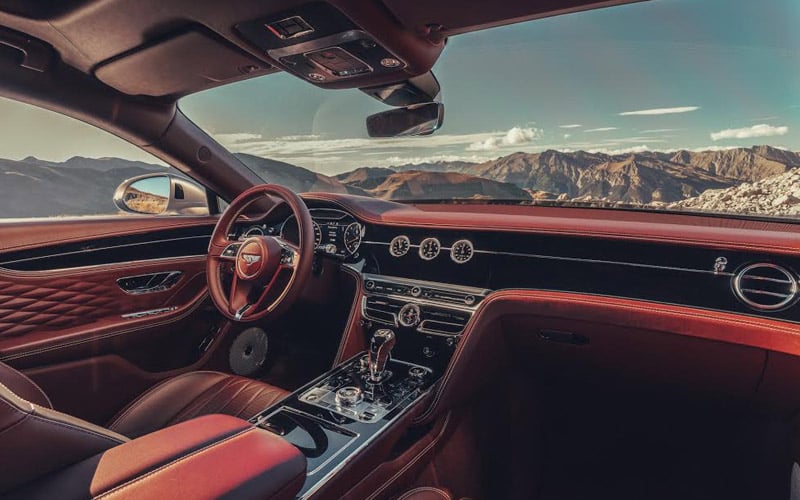
Over 100 hours of handwork go into every Flying Spur interior, from selecting and matching wood veneers to individually stitching leather panels. Rear passengers get limousine-grade legroom with individual climate controls, and a rotating 12.3-inch touchscreen conceals behind traditional materials when not in use. The craft is visible in every surface and seam throughout the cabin. Ultra-luxury vehicles like this depreciate heavily early, though limited production numbers may support future collectibility. No production sedan is built with more deliberate human attention than this one.
5. Chevrolet Corvette (1958): A Classic American Race Car (Exterior)
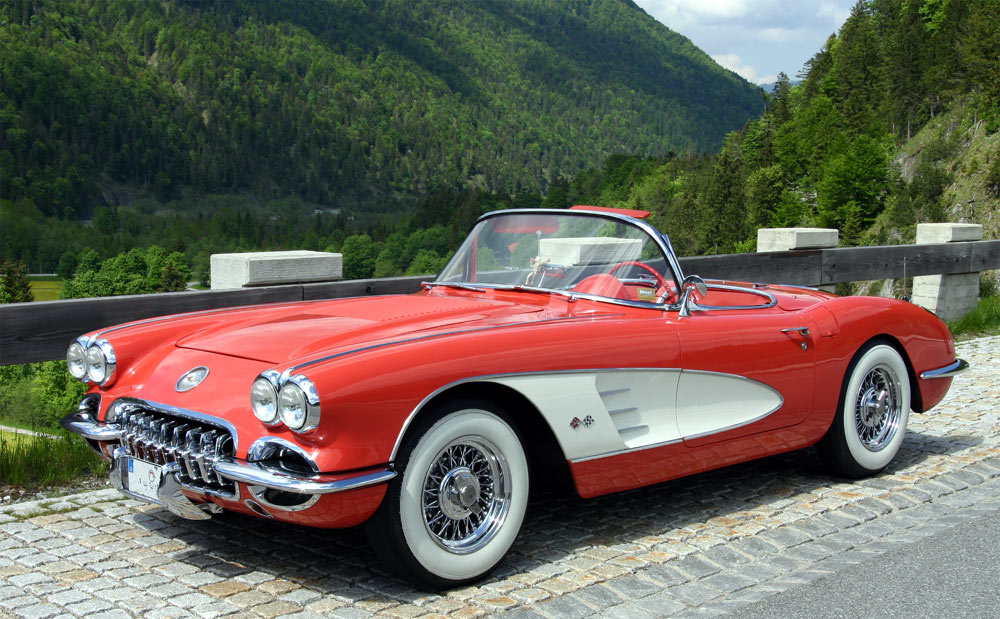
1958 was the year the Corvette grew up visually, introducing dual headlamps and sculpted side coves that defined the C1 generation’s look for years. The 4.6L V8 produces 230 to 290 horsepower depending on configuration, and the fuel injection option gets to 60 mph in 7.0 seconds — genuinely quick for the era. Fiberglass body construction allowed sculptural shapes that steel stamping simply could not produce. This was American automotive optimism in physical form, built during a period when domestic performance was finding its identity. Fuel-injected examples from this year carry high collectibility today, though their tendency toward vapor lock keeps restorers busy.
Chevrolet Corvette (1958) (Interior)
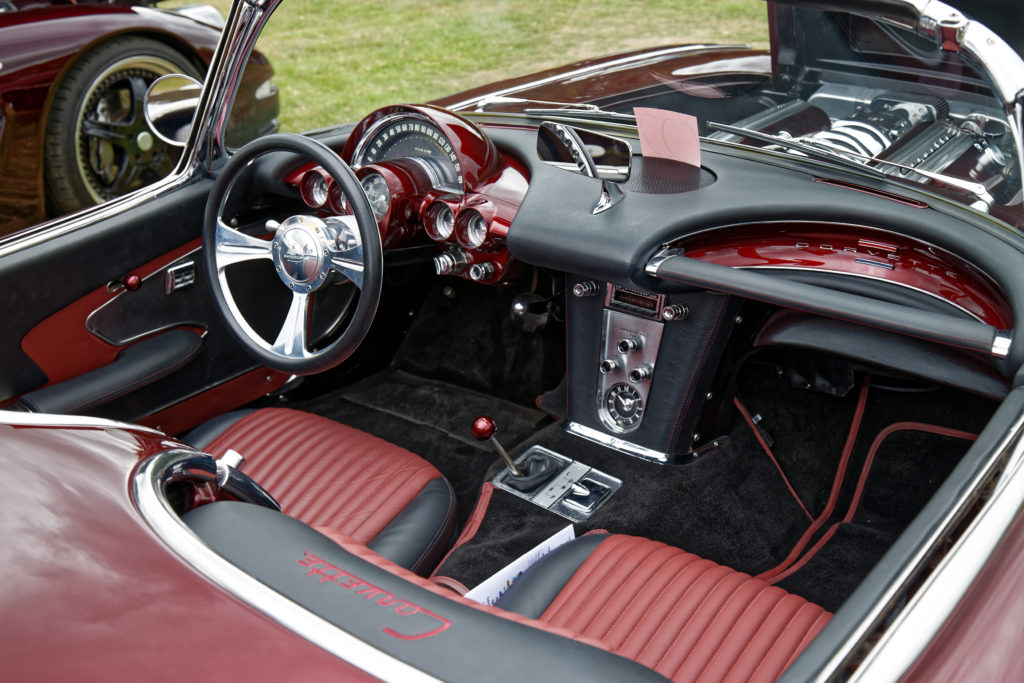
The 1958 Corvette’s interior puts the driver first with a simple gauge layout that conveys exactly what needs conveying and nothing extra. Metal and vinyl materials show their age and wear that history honestly, which is part of what makes a preserved example compelling rather than off-putting. The two-seat configuration leaves no doubt about what this car was built to do. Period-correct minimalism is a design choice, not a limitation. Sitting inside a well-maintained ’58 Corvette is a direct connection to a specific moment in American automotive history that no replica can replicate.
4. Saleen Mustang S281: A High-Performance Beast (Exterior)
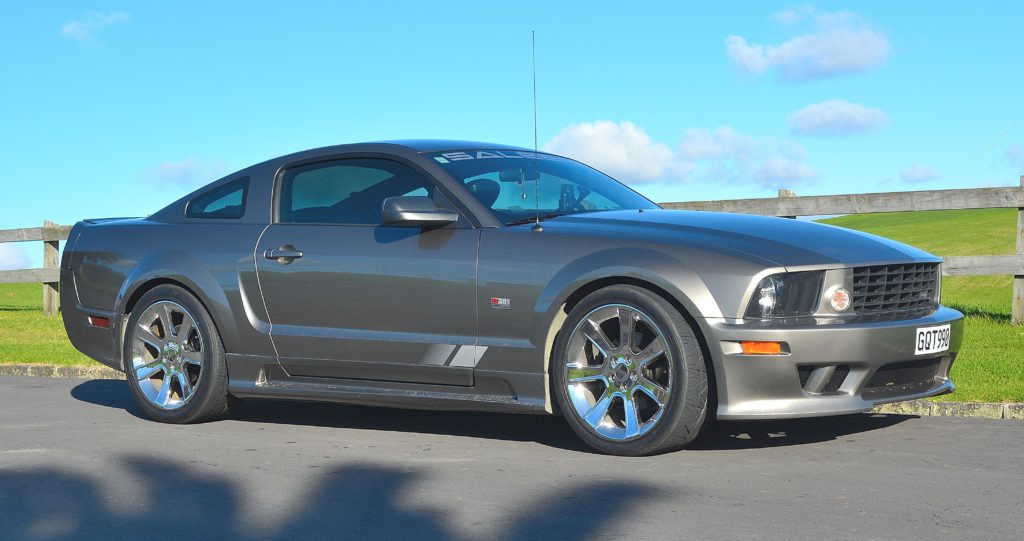
Steve Saleen took a factory Mustang and rebuilt it into something Ford’s engineers never authorized. The supercharged 4.6L V8 produces 365 to 550 horsepower depending on model year and configuration, running to 60 mph in 4.5 to 5.0 seconds. Aerodynamic body modifications, functional air intakes, upgraded suspension, and improved brakes reflect Saleen’s racing background rather than styling department guesswork. Special badging and unique wheels distinguish the S281 from standard Mustangs at a glance. The S281’s success established Saleen as the premier Mustang tuner of its generation, a reputation that stuck.
Saleen Mustang S281 (Interior)
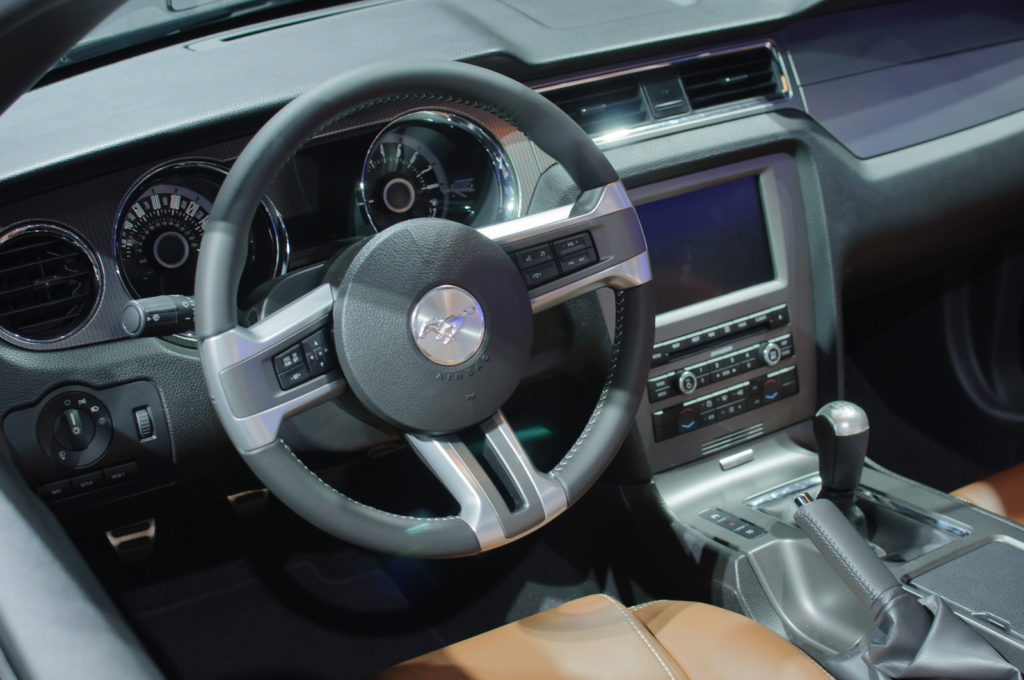
Numbered plaques throughout the S281’s interior confirm what the badging outside already signals — this is not a standard Mustang. Sport seats with extra bolstering hold position during aggressive driving, and specialized gauges improve readability at speed. The performance upgrades translate into a firm ride that some find too stiff for daily commuting. Limited production numbers support stronger long-term value retention compared to standard Mustangs from the same period. The interior tells the same story as the rest of the car: this is a purpose-built performance machine that happens to have road registration.
3. Cadillac Eldorado (1966): Class and Power in a Convertible (Exterior)
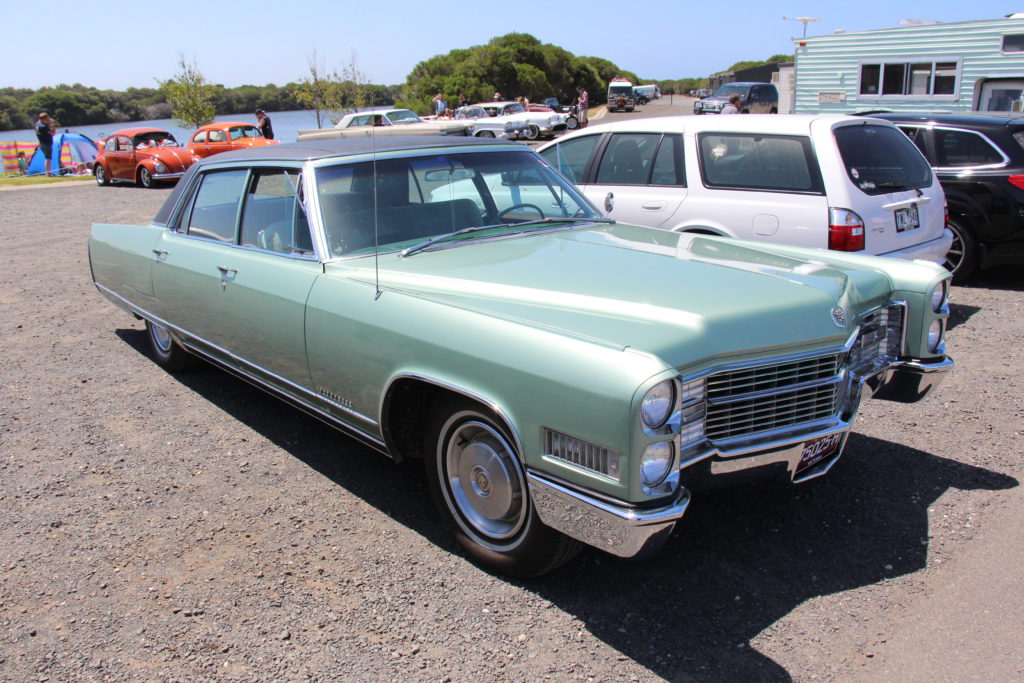
The 1966 Cadillac Eldorado marked the first year for front-wheel drive in the nameplate, making it a genuine piece of American automotive history beyond its looks. The massive 7.0L V8 makes 340 horsepower and gets to 60 mph in 9.5 seconds, which was impressive performance for a full-size luxury convertible of that era. Long hood, short deck, and clean elegant proportions create a silhouette that reads as sophisticated rather than excessive. Nothing about the design feels rushed or overdone. This is peak American personal luxury from a period that has never quite been replicated.
Cadillac Eldorado (1966) (Interior)
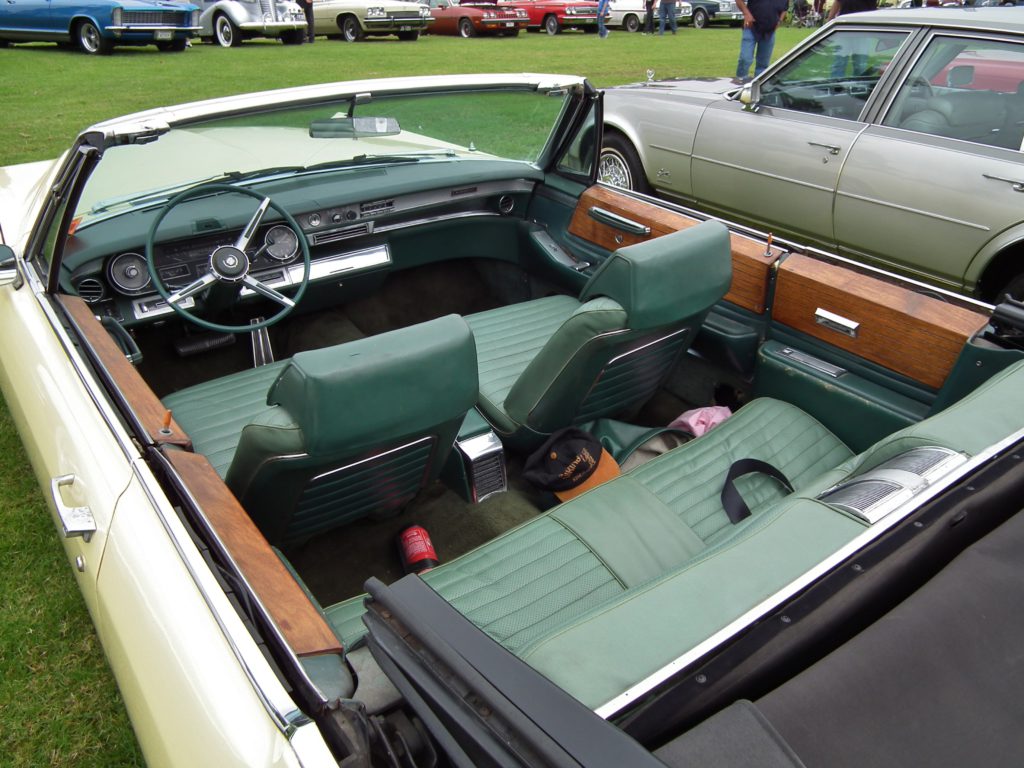
Wide bench seats accommodate six adults comfortably in the Eldorado, which is a dimension no modern luxury car comes close to matching. Power windows, power convertible top, and a horizontal speedometer stretching across the dashboard were advanced features for 1966 and still feel deliberate rather than dated. Tasteful chrome highlights essential controls without covering every surface in it. The massive interior dimensions deliver open-air space on a scale that contemporary convertibles simply cannot replicate. Experiencing the Eldorado top-down on a warm evening makes a strong argument for why this era of American luxury deserves more respect than it gets.
2. Rolls-Royce Phantom: The Epitome of Luxury (Exterior)
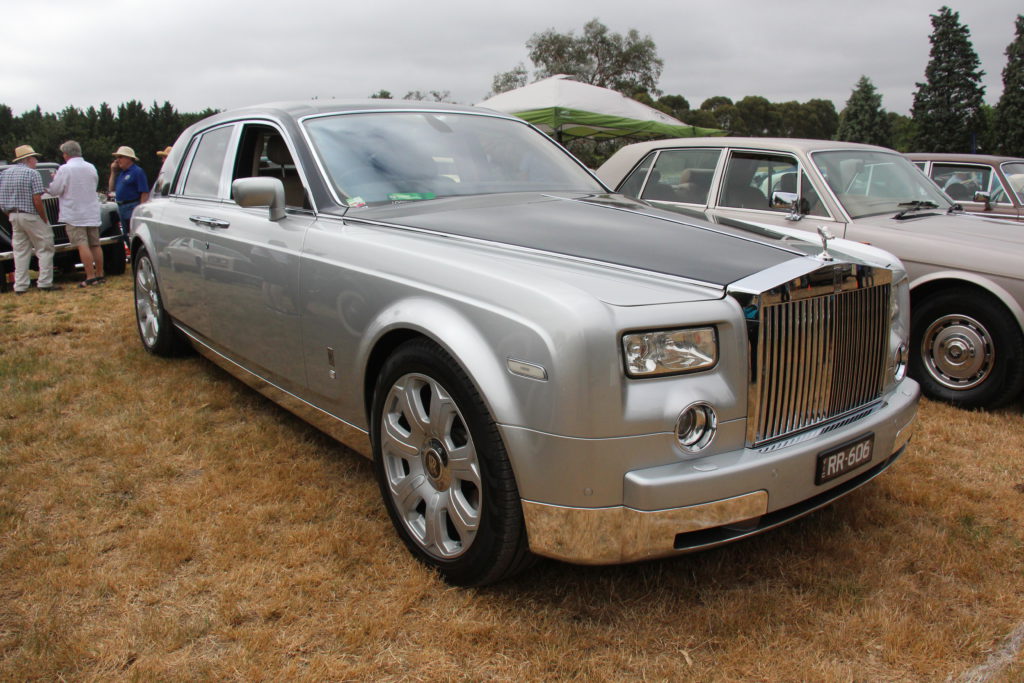
5,644 pounds moving to 60 mph in 5.1 seconds is a physics problem the Phantom’s 6.75L twin-turbo V12 solves with 563 horsepower and no apparent effort. Introduced in 2003 under BMW ownership, the flagship sedan announces itself through an imposing grille and the Spirit of Ecstasy hood ornament before a word is spoken. Coach doors hinged at the rear add ceremony to every passenger entry and exit. Nothing in the luxury segment competes with the Phantom’s commanding physical presence. Every other car in this collection looks ordinary parked beside it.
Rolls-Royce Phantom (Interior)
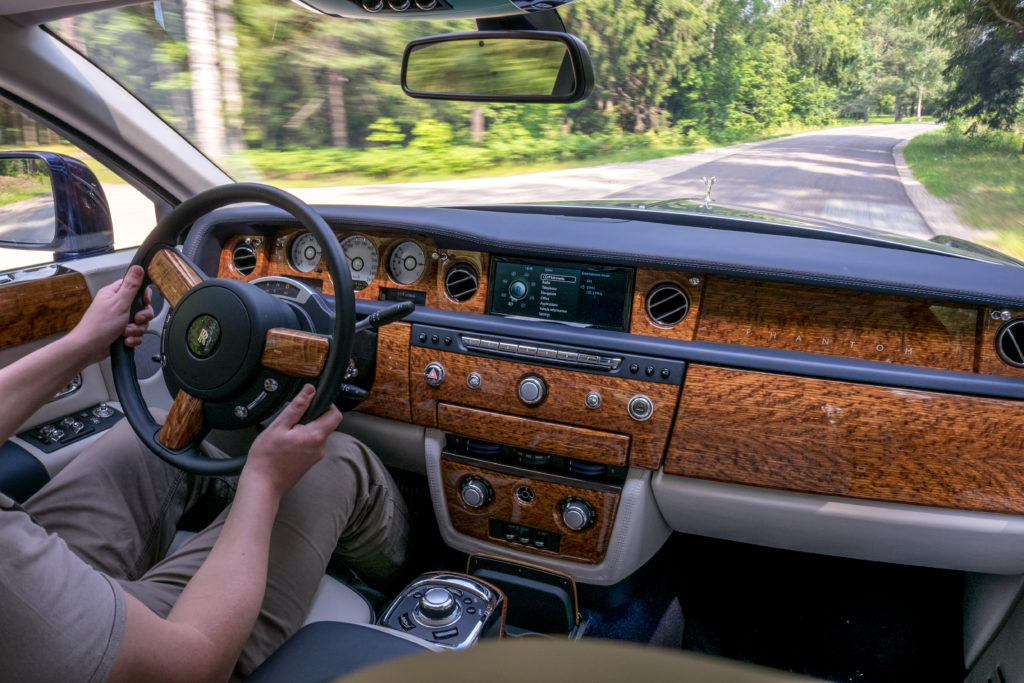
1,340 fiber-optic lights embedded in the Phantom’s roof lining recreate a night sky above rear passengers, which is exactly the kind of detail that separates this cabin from everything below it. The “Magic Carpet Ride” air suspension absorbs road surfaces so completely that noise and vibration essentially disappear from the equation. Fold-down tray tables, individual climate controls, and seats that rival first-class air travel make the rear compartment a destination in itself. Bespoke customization options mean no two Phantoms are identical. The Phantom interior sets the standard that every other luxury car is measured against, and most fall well short.
1. Bugatti Veyron: A Hypercar of Unmatched Speed and Power (Exterior)
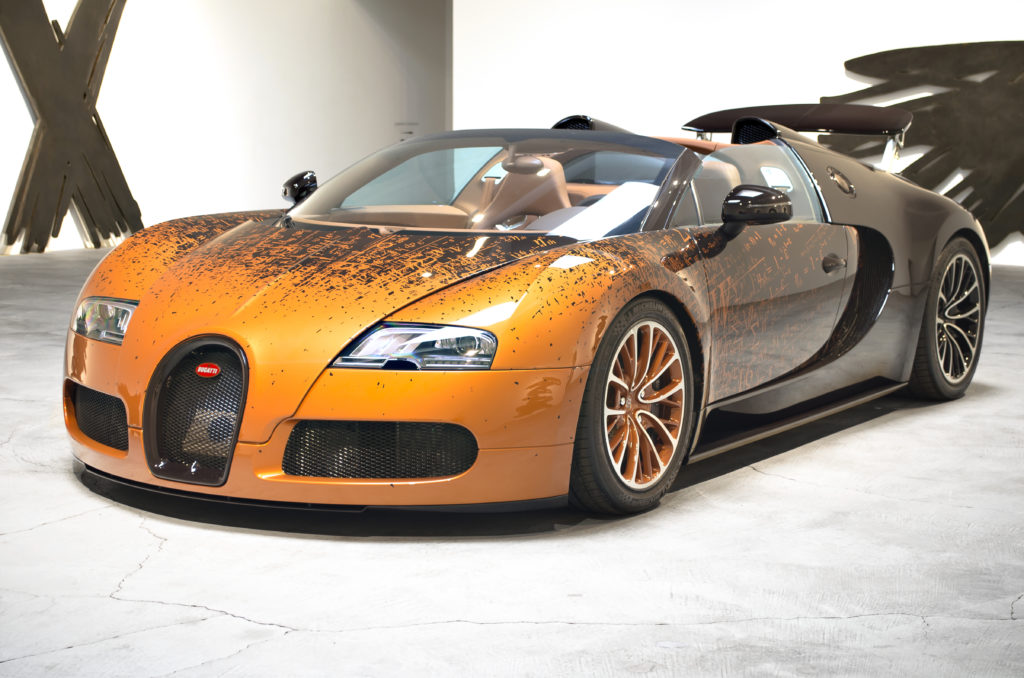
Ten radiators. That’s what it takes to manage heat from the Veyron’s 8.0L quad-turbo W16 engine producing 1,001 horsepower. The car runs to 60 mph in 2.5 seconds and tops out at 253 mph — numbers that earned it Top Gear’s Car of the Decade and redefined what a production car could legally do on public roads. An active rear wing manages aerodynamic stability at extreme speeds, and all-wheel drive keeps the power accessible rather than terrifying. Only 450 total units were produced across all variants. The Veyron is the only car in Sheen’s collection that makes the Rolls-Royce Phantom feel modest by comparison.
Bugatti Veyron (Interior)
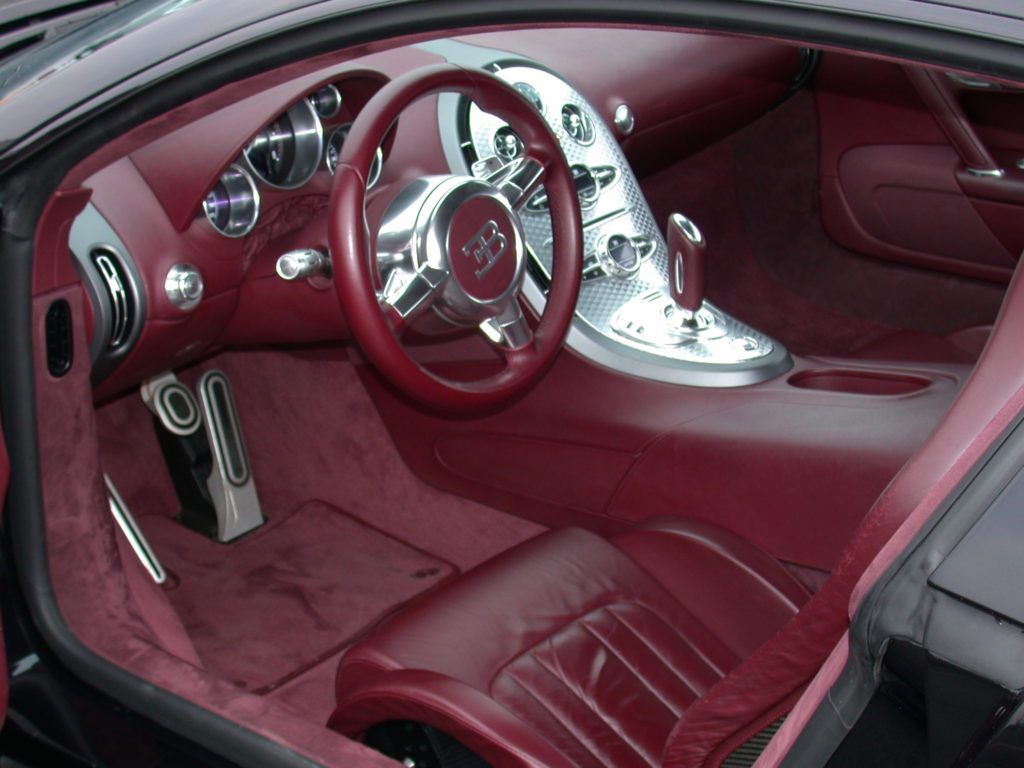
Machined aluminum, carbon fiber, and hand-stitched leather cover every surface inside the Veyron, because a car at this price point cannot afford to cut corners anywhere. The center console keeps controls minimal — climate and audio only — so nothing distracts from managing 1,001 horsepower at speed. All-wheel drive delivers planted stability regardless of what the speedometer reads. Ownership costs are brutal: tires run $42,000 and last only 2,500 miles at high speeds. The Veyron is the most extreme car in one of Hollywood’s most extreme collections, and it earns that position on pure engineering merit alone.