

The automotive landscape of the late 1950s was a wild frontier, defined by chrome and ambition. Many cars from this era promised a utopian future but delivered a mechanical migraine instead. Understanding their flaws prevents anyone from falling for historical hype, showing what true engineering resilience looks like. Anyone sifting through gas-guzzling behemoths and flimsy imports finds cars that genuinely missed the mark, not just by accident but by design. A classic car purchase isn’t always finding buried treasure; sometimes you just unearth a rusty can. Buckle up, because these rides offer less open road joyride and more roadside breakdown, providing valuable lessons about historical duds.
1. 1958–1959 Oldsmobile Dynamic 88
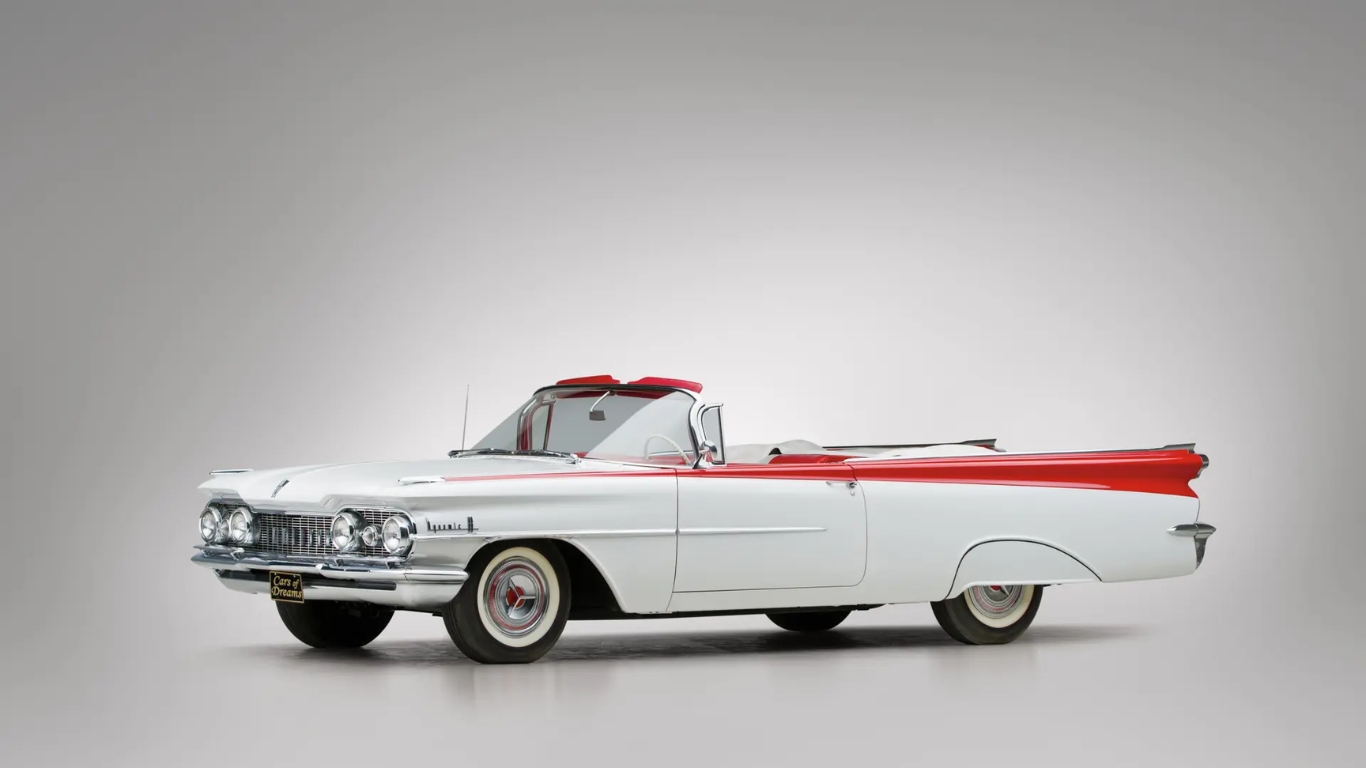
A rushed response to rival designs that emphasized style over substance.
General Motors faced competitive pressure in the late 1950s, and the 1958–1959 Oldsmobile Dynamic 88 emerged as part of that response. This land yacht stretched across a 122.5-inch wheelbase and weighed over 4,000 lb. Its scale was powered by a 371-cubic-inch Rocket V8 engine rated at 265 horsepower as standard, though higher-output versions reached approximately 305 horsepower in other Oldsmobile series.
The optional New-Matic air suspension system proved troublesome. It sagged under use and failed frequently enough that Oldsmobile discontinued it after 1959. Picture taking delivery of this gleaming car, only to have its advanced features fall apart within months. That rapid deterioration overshadowed whatever promise the design initially held, proving that rushed development usually builds a lemon, not a legend.
2. 1959–1960 Chevrolet El Camino
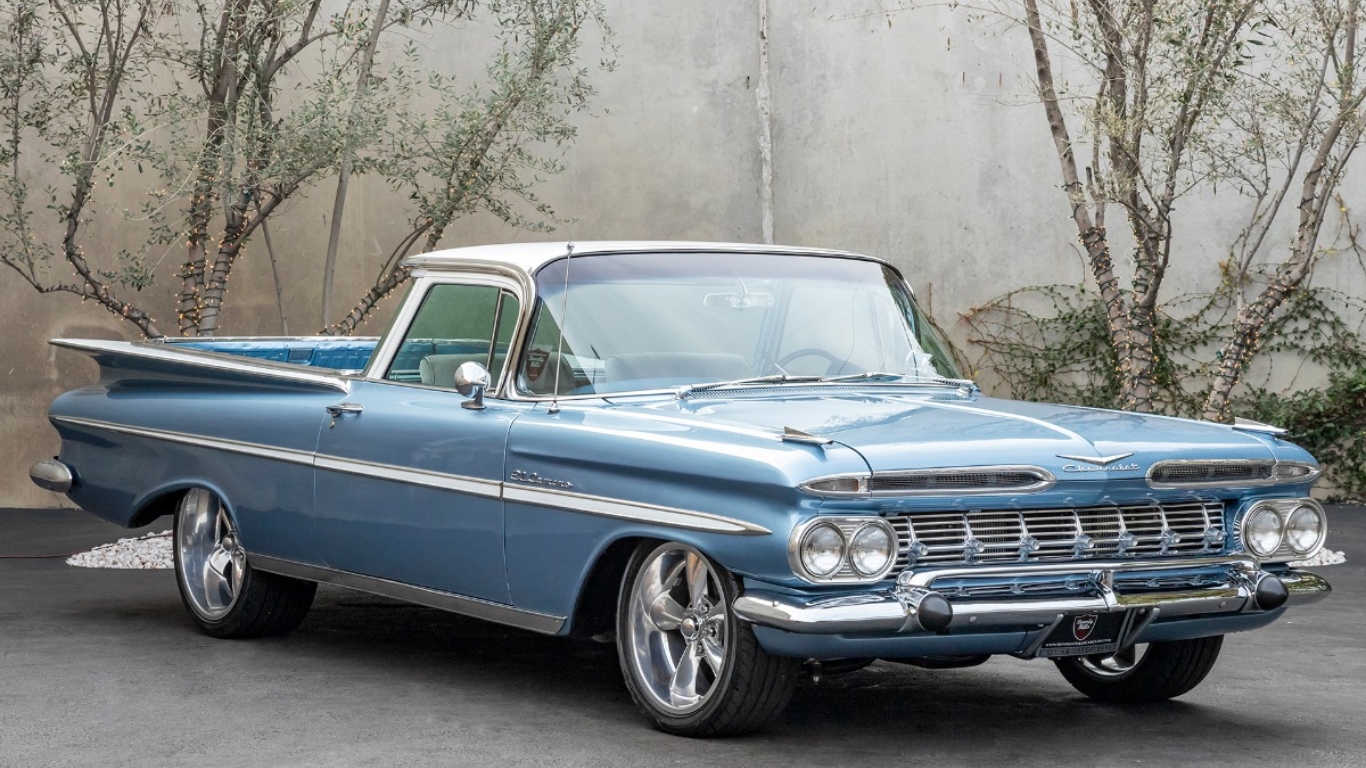
A full-size car-truck hybrid that satisfied neither tradesmen nor commuters.
The 1959–1960 Chevrolet El Camino stretched 210.9 inches long and used Chevrolet’s full-size passenger-car platform. Its 119-inch wheelbase aimed for car comfort with truck capability. Engine choices included a 235-cubic-inch inline-six, a 283-cubic-inch V8, and a 348-cubic-inch V8 capable of up to 335 horsepower in certain 1960 configurations.
The El Camino’s 77-inch cargo bed struggled with standard construction materials despite payload ratings from 650 to 1,150 pounds. Fitting a sheet of plywood became an exercise in frustration. Tradesmen found the Impala’s soft ride ill-suited for hauling, while the bed proved too short for many jobsite needs.
Production totaled 22,246 units in 1959 and just 14,163 in 1960. Chevrolet discontinued the model until its 1964 return on the smaller Chevelle platform. This early El Camino highlighted the compromises inherent in trying to be half car, half truck.
3. 1957–1959 Renault Dauphine
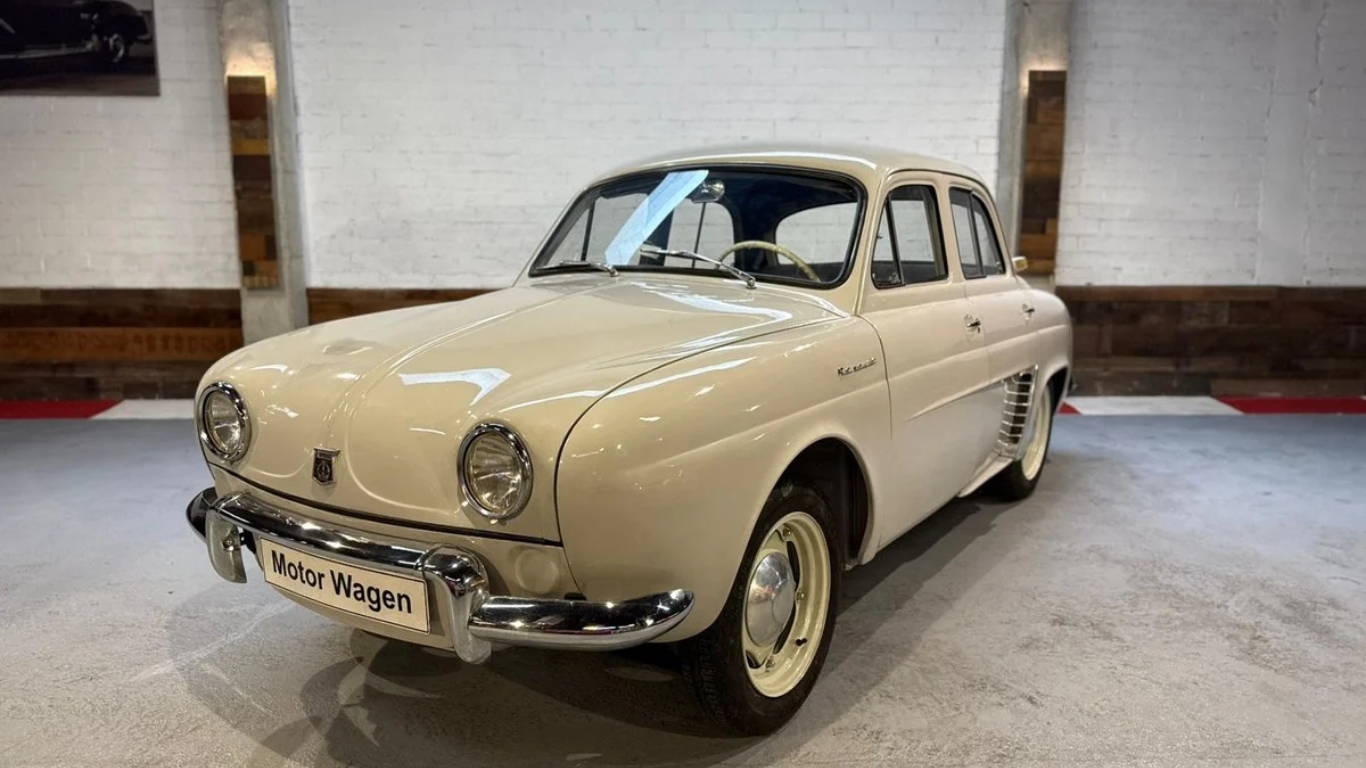
A French economy car whose documented weaknesses damaged Renault’s American reputation.
The Renault Dauphine arrived in the U.S. market with a rear-mounted 845cc inline-four engine producing approximately 27 horsepower. Weighing roughly 1,400 lb on an 89-inch wheelbase, its acceleration left drivers vulnerable when merging onto American highways. Period road tests documented sluggish performance that made highway driving genuinely hazardous.
Known weaknesses included:
- Corrosion susceptibility
- Electrical problems
- Overheating under demanding conditions
- Difficult gear shifting
Merging onto Interstate 95 during rush hour meant coaxing a protesting gearbox while watching the temperature gauge climb. These documented reliability concerns turned many owners into critics. While economical on paper, the Dauphine’s frequent breakdowns eroded any initial cost advantage, proving that cheap seldom delivers actual value.
4. 1957–1959 Pontiac Chieftain
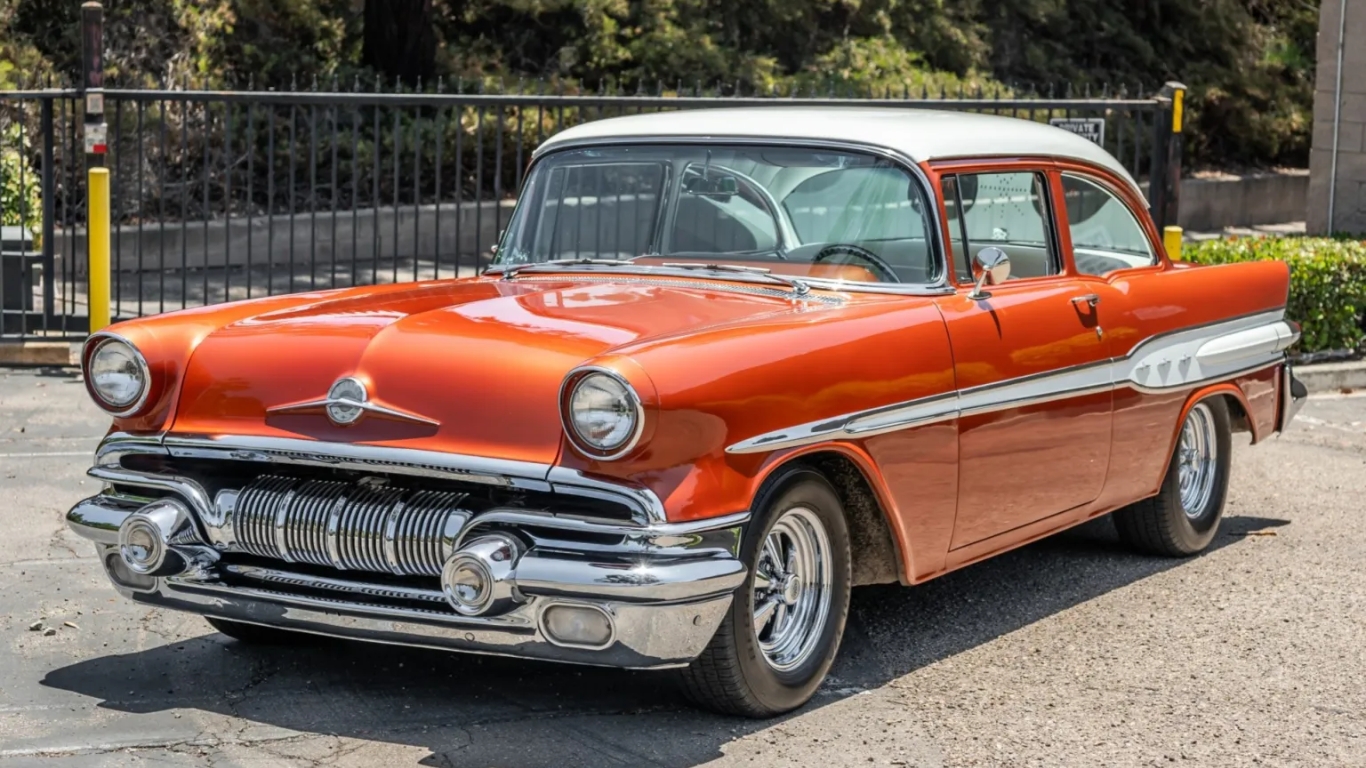
Bold styling undermined by quality-control concerns reported across late-1950s GM products.
Pontiac aimed to redefine its image with aggressive styling and increased power. The 1957 Chieftain featured the 347-cubic-inch Strato-Streak V8 offering approximately 227 to 290 horsepower depending on carburetion and trim. The redesign emphasized lower body lines and performance orientation.
However, the Chieftain shared broader quality-control and corrosion concerns reported across several General Motors divisions during this period. Paint quality, panel alignment, and trim durability varied by factory and production timing. Some owners reported rust appearing within the first year, while electrical issues and inconsistent assembly quality affected satisfaction.
Mechanical concerns included oil leaks and transmission reliability complaints. Chrome trim deteriorated faster than expected, and interior components sometimes loosened. Water intrusion after heavy rain turned commutes into soggy affairs. These pervasive quality issues hampered Pontiac’s desired transformation, leaving a mixed legacy rather than the performance dominance the division sought.
5. 1957–1958 Dodge Custom Royal
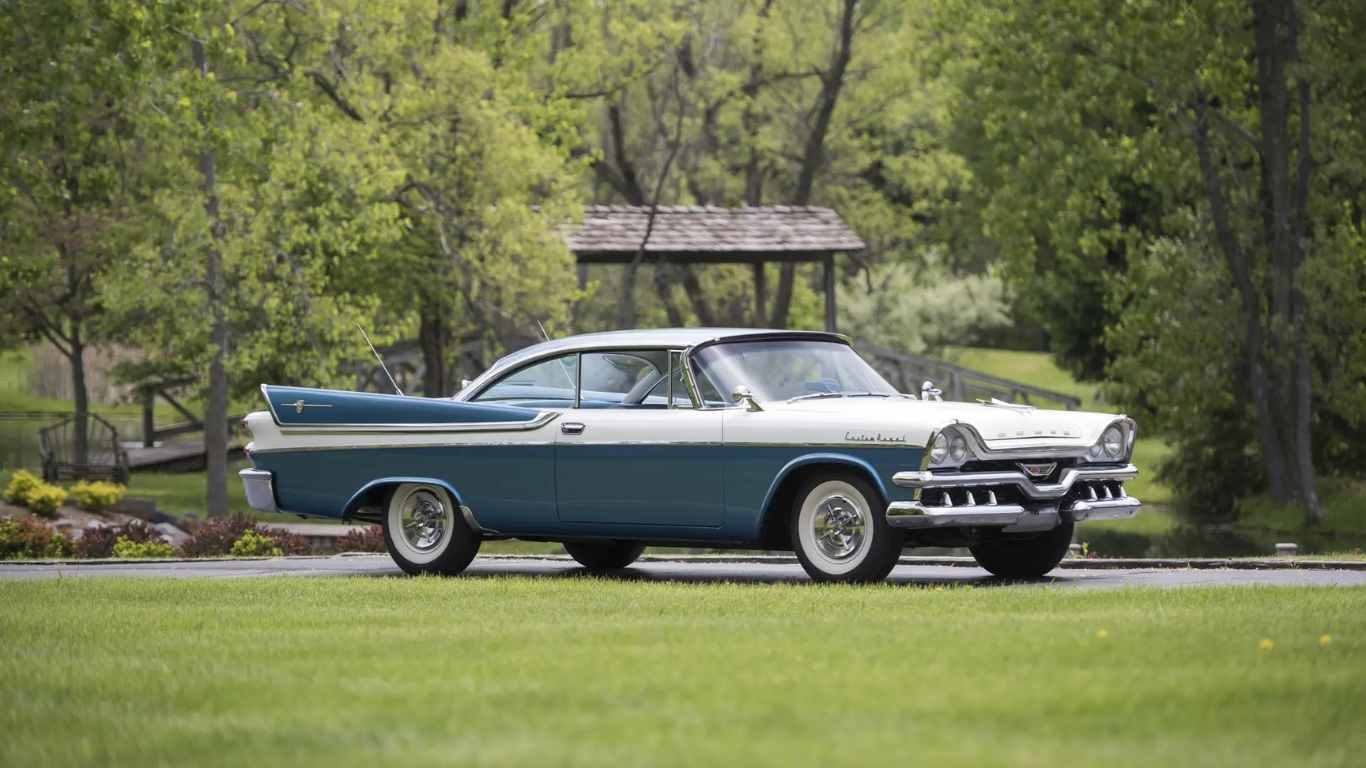
Dramatic fins and aggressive styling couldn’t overcome rushed production and documented build-quality problems.
Dodge’s 1957 redesign looked genuinely futuristic. The Custom Royal featured prominent tailfins and aggressive stance. Riding on a 122-inch wheelbase, it often packed a 325-cubic-inch “Red Ram” V8 delivering up to approximately 310 horsepower in high-output form. An available TorqueFlite automatic transmission suggested modern sophistication.
That gleaming first impression quickly dissolved. The 1957 redesign was visually influential but associated with rushed production. Documented complaints included:
- Corrosion
- Paint-quality failures
- Water leaks
- Trim problems
- Uneven assembly quality
Electrical systems proved troublesome, and loose trim pieces rattled.
The problems contributed to weak resale values and harmed Chrysler’s reputation during a period widely regarded as one of the company’s most problematic quality cycles. Great design means nothing without solid build quality; it’s like discovering a beautifully wrapped gift contains a broken toy.
6. 1957–1959 Plymouth Fury
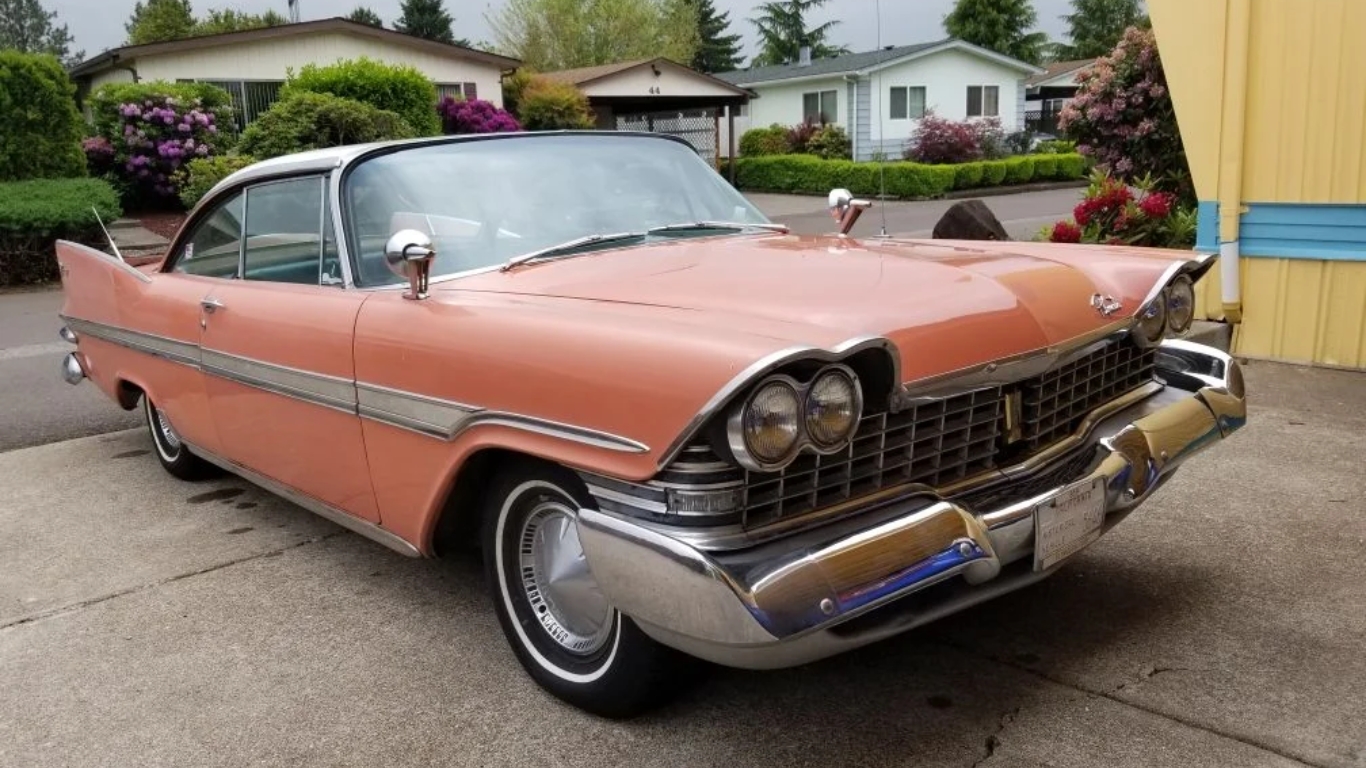
Virgil Exner’s dramatic styling couldn’t compensate for Chrysler’s troubled 1957–1958 production period.
The 1957 Plymouth Fury featured a 318-cubic-inch V8 engine delivering up to approximately 290 horsepower and rode on a 118-inch wheelbase. Virgil Exner’s dramatic styling, complete with prominent fins and a lower, wider body, looked genuinely cutting-edge. The design promised a modern, performance-oriented Plymouth.
The Fury belonged to Chrysler’s troubled 1957–1958 production period, when owners and dealers reported corrosion, paint failures, water leaks, rattles, electrical faults, and inconsistent assembly quality. Paint blistered and flaked; the unibody structure squeaked and rattled from the factory. Water intrusion turned rainstorms into impromptu interior car washes.
This pervasive lack of attention to detail wasn’t just a misstep; it was a reputation killer. The damage done echoed through the industry, a stark reminder that style cannot compensate for shoddy engineering. The 1957 Fury later gained cultural recognition through Stephen King’s Christine, though that fictional portrayal shouldn’t be confused with the car’s documented historical record.
7. 1957–1958 Mercury Turnpike Cruiser
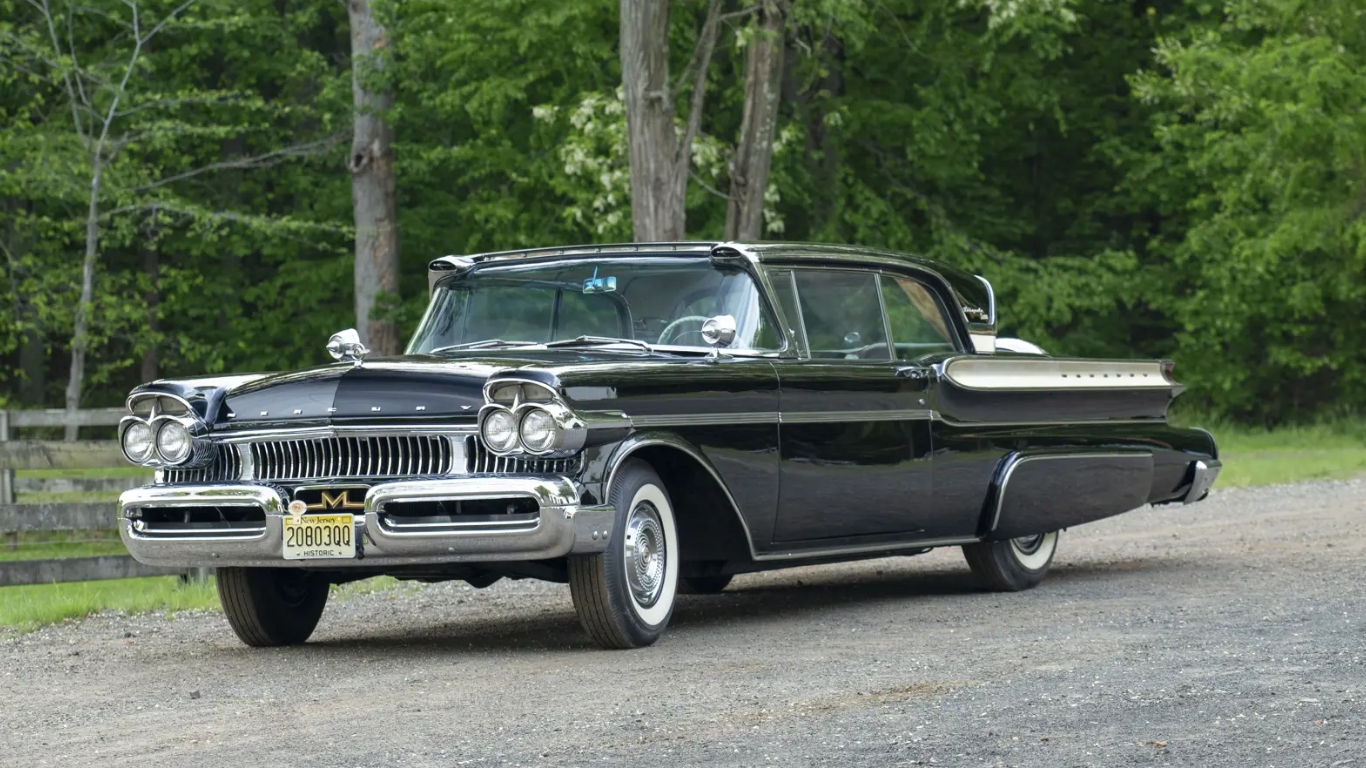
Technological ambition and complex equipment created more opportunities for malfunction than satisfaction.
The 1957–1958 Mercury Turnpike Cruiser was Mercury’s technologically ambitious flagship. A 368-cubic-inch V8 rated at approximately 290 horsepower powered this weighty machine. Riding on a 122-inch wheelbase and weighing over 4,200 lb, it featured distinctive equipment including:
- Power-operated retractable rear window
- “Twin-jet” air intakes integrated into the roofline
- Panoramic windshield
- Push-button transmission controls
The innovations quickly revealed themselves as liabilities. The power-operated rear window mechanism jammed and proved costly to repair. Push-button transmission controls suffered from electrical system failures. Picture hitting “Drive” and getting nothing, stranded like forgotten technology in the streaming age.
The complex equipment increased novelty but also created additional opportunities for malfunction. Heavy weight, high price, unusual styling, and reliability concerns limited market acceptance. Mercury discontinued the Turnpike Cruiser name after 1958, ending an experiment in technological overreach.
8. 1958–1960 Ford Edsel

A product-planning failure that became automotive history’s most famous cautionary tale.
Ford invested heavily in the Edsel, launching it as a new marque for the 1958 model year and naming it after Edsel Ford. The lineup included models such as the Citation, Corsair, Pacer, and Ranger. A 361-cubic-inch V8 delivered approximately 303 horsepower. The innovative Teletouch transmission placed gear-selection buttons in the center of the steering wheel.
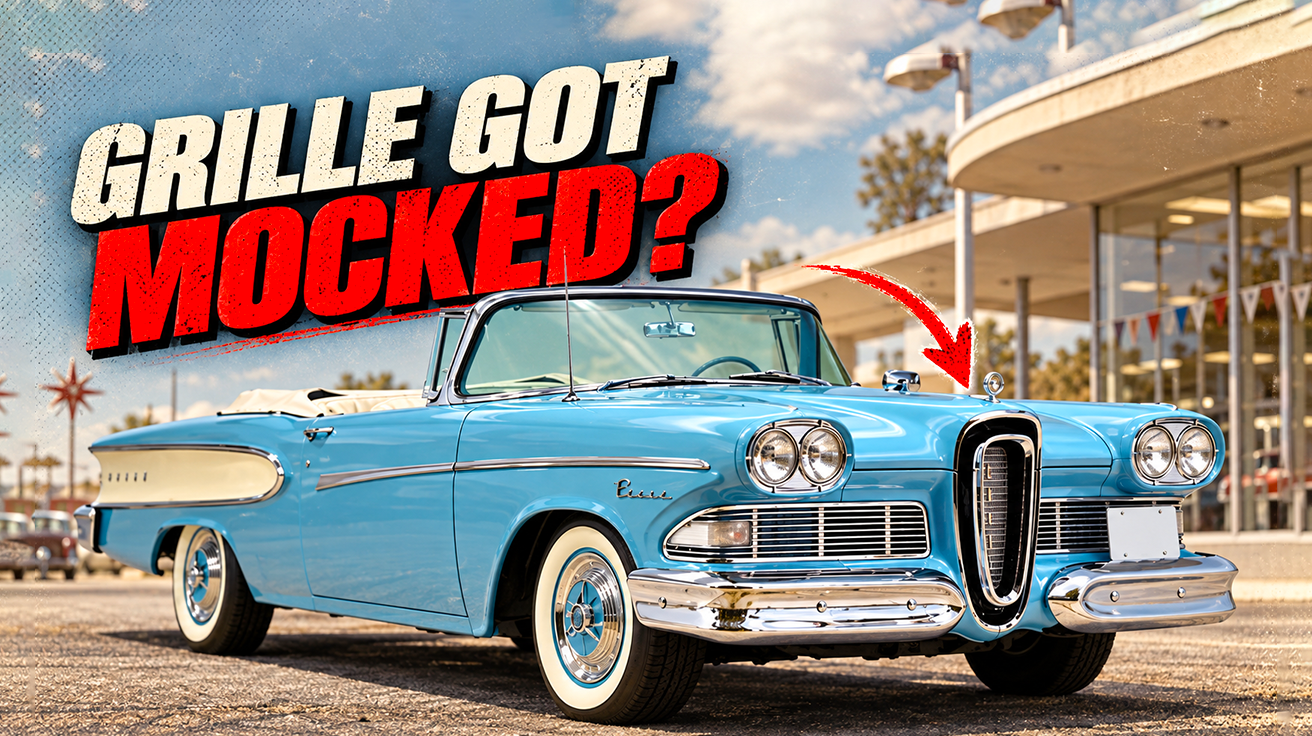
The Edsel’s controversial vertical grille drew national mockery. High development and marketing costs, the 1958 recession, and weak demand caused sales to fall far below Ford’s expectations. Quality complaints included transmission problems, oil leaks, and paint failures. Picture pulling up to the drive-in in a brand-new car, only for its finish to deteriorate rapidly.
Ford ended Edsel production during the 1960 model year, making the marque a lasting example of failed product planning and market positioning. This legendary flop cemented its place as a corporate cautionary tale, a monument to overreach and misjudgment in automotive history.
9. 1957–1958 Packard Clipper
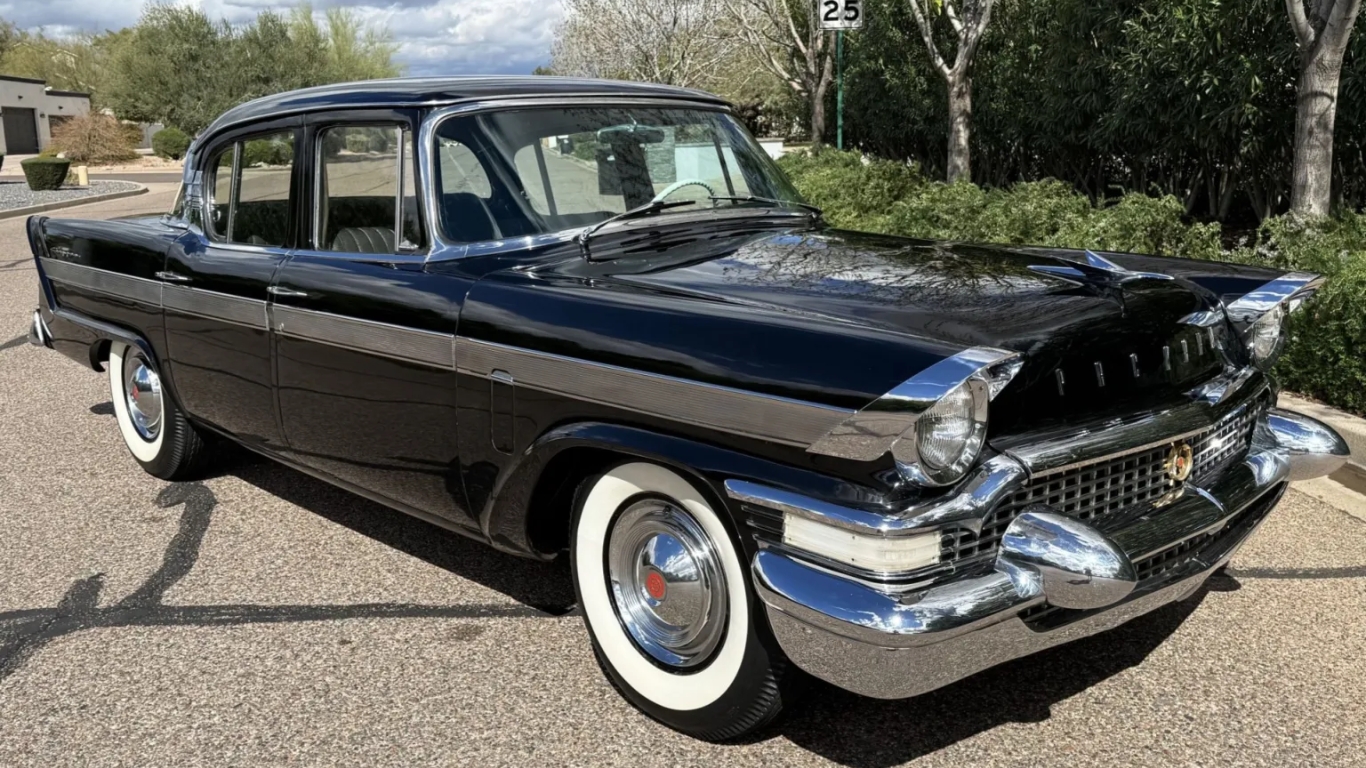
The final automotive chapter of a luxury brand diminished by financial crisis and platform sharing.
Packard once represented the pinnacle of American luxury, a name synonymous with bespoke quality. After its 1954 merger with Studebaker, the company faced severe financial and manufacturing difficulties. For 1957, Packard largely used Studebaker-based cars. The Clipper was closely related to the Studebaker President rather than to traditionally engineered senior Packards.
The Clipper used a 120.5-inch wheelbase, weighed approximately 3,800 lb, and featured a Studebaker 289-cubic-inch V8 producing up to approximately 275 horsepower in higher-performance form. While adequate mechanically, it lacked the bespoke construction, quietness, luxury appointments, and engineering distinction associated with earlier Packards.
Loyal Packard customers criticized the car because it felt like a rebadged Studebaker rather than a genuine Packard. For enthusiasts who remembered the marque’s glory days, the experience felt hollow. Packard automobile production ended after the 1958 model year, marking the slow, sad fade of an American automotive dynasty.