

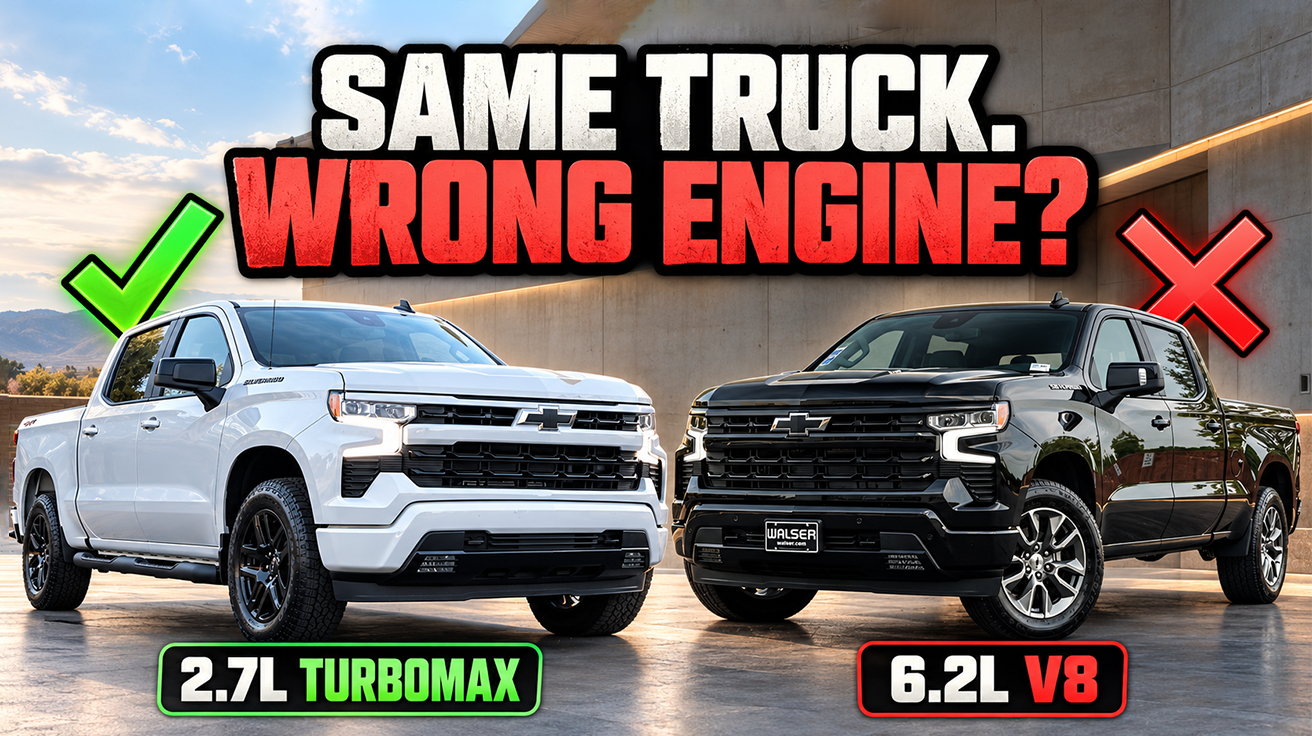
Dealers are stacking 2026 trucks on lots right now, each claiming bulletproof reliability and unbeatable value. Half are telling the truth. The other half are selling overpriced complexity wrapped in warranty fine print. Anyone who’s ever nursed a wounded transmission through the last 10,000 miles of a payment plan knows the difference between marketing promises and mechanical reality. This breakdown cuts through the brochure talk to spotlight the powertrains actually worth buying and the ones demanding a hard pass. Expect specific model callouts, real-world capability numbers, and zero patience for engines that routinely strand owners. Time to separate the workhorses from the garage ornaments.
1. 2026 Chevrolet Silverado 1500: The 2.7L Sweet Spot
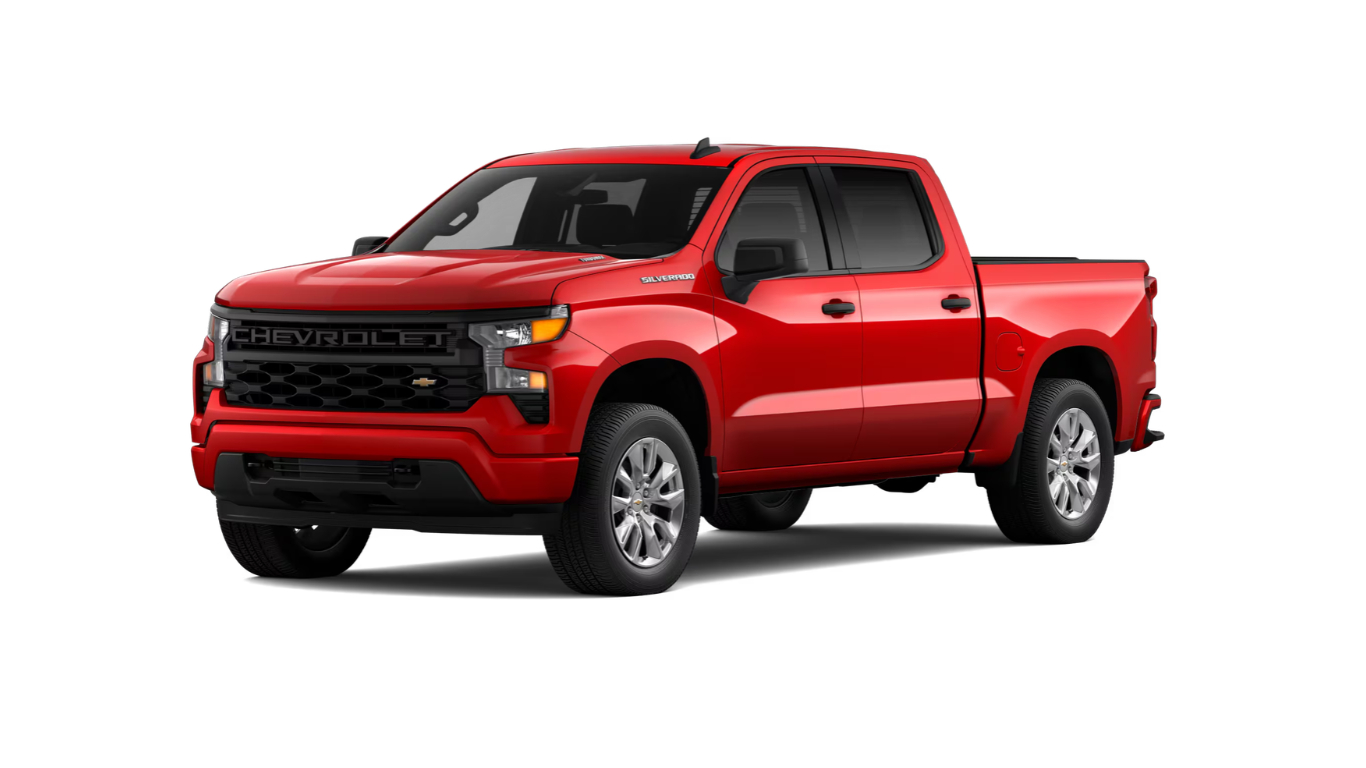
The turbocharged four-cylinder outperforms most V8s where it counts.
Displacement obsession dies hard, but the Silverado 1500’s 2.7-liter TurboMax proves cylinder count means nothing when torque arrives early. This turbocharged four-cylinder delivers 310 horsepower and 430 lb-ft through an eight-speed automatic, handling the truck’s 13,300-pound maximum towing capacity without drama. The setup works because peak torque shows up low in the rev range, exactly where towing and daily driving demand it.
The 5.3-liter V8 remains available, but buyer reports flag the 6.2-liter V8 and 3.0-liter Duramax diesel for alleged engine failures. These concerns lack comprehensive failure-rate data, yet NHTSA complaints and owner forums document enough trouble to warrant caution. General Motors reportedly plans all-new engines for 2027, though no official announcement confirms the timeline. V8 loyalists might consider waiting rather than gambling on current iterations.
2. 2026 Chevrolet Silverado HD: Gas Power Without Diesel Complexity
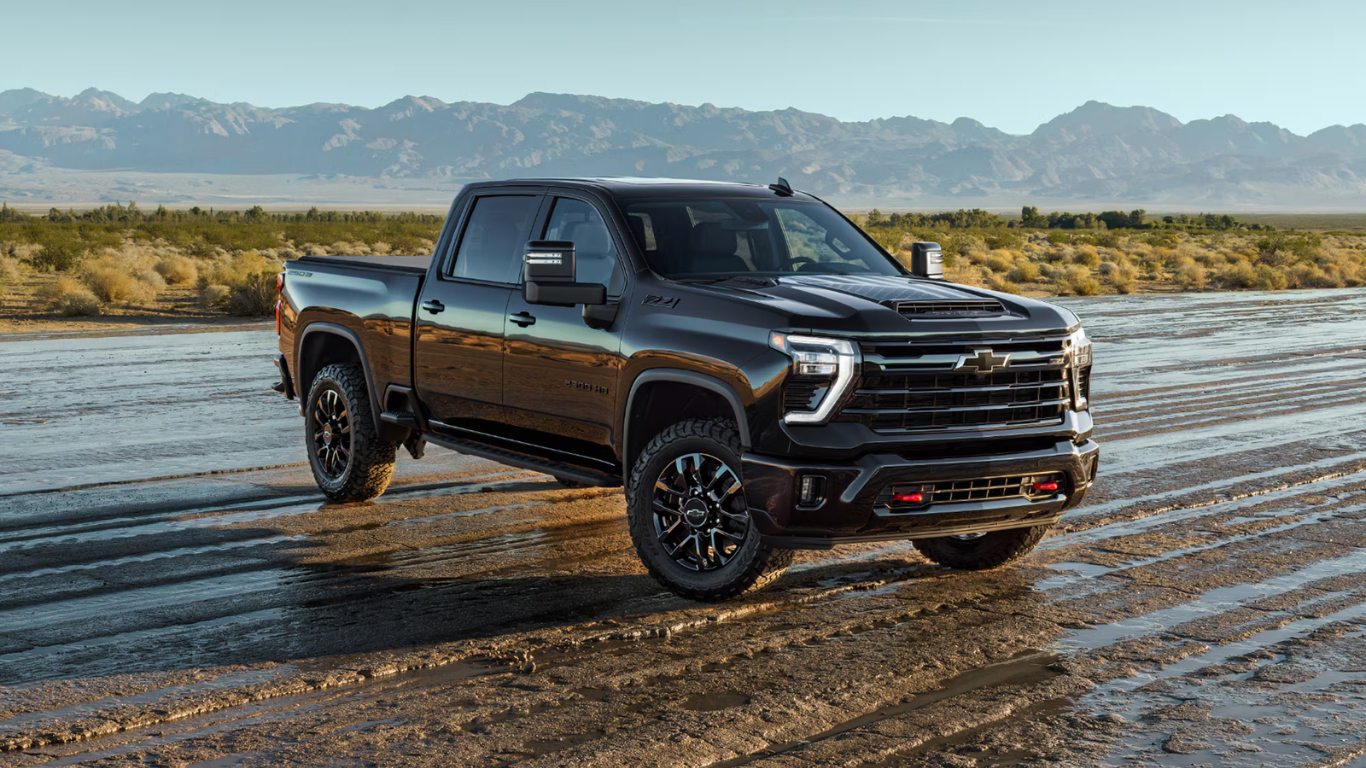
Chevrolet pairs serious torque with accessible pricing in its heavy-duty lineup.
The Silverado HD‘s 6.6-liter gasoline V8 generates 401 horsepower and 464 lb-ft, routed through a 10-speed Allison automatic. This combination handles consistent heavy towing without diesel fuel systems, emissions equipment, or DEF tanks. Some owners report valve-body concerns with the 10-speed; aftermarket upgrade kits exist, though their necessity depends on use case and mileage.
The 6.6-liter Duramax turbodiesel transforms capability entirely: 470 horsepower, 975 lb-ft of torque, and maximum trailering up to 36,000 pounds in properly equipped configurations. That torque figure matters when dragging livestock trailers over mountain passes or positioning fifth-wheel campers on uneven ground. A 2026 Silverado 2500 Custom equipped with the gasoline V8 reportedly starts around $53,000 in select markets, though regional pricing, dealer fees, and available incentives vary. Buyers prioritizing heavy-duty capability without diesel complexity should verify current MSRP and local inventory.
3. 2026 Ram 1500: Warranty Confidence Meets Hurricane Power
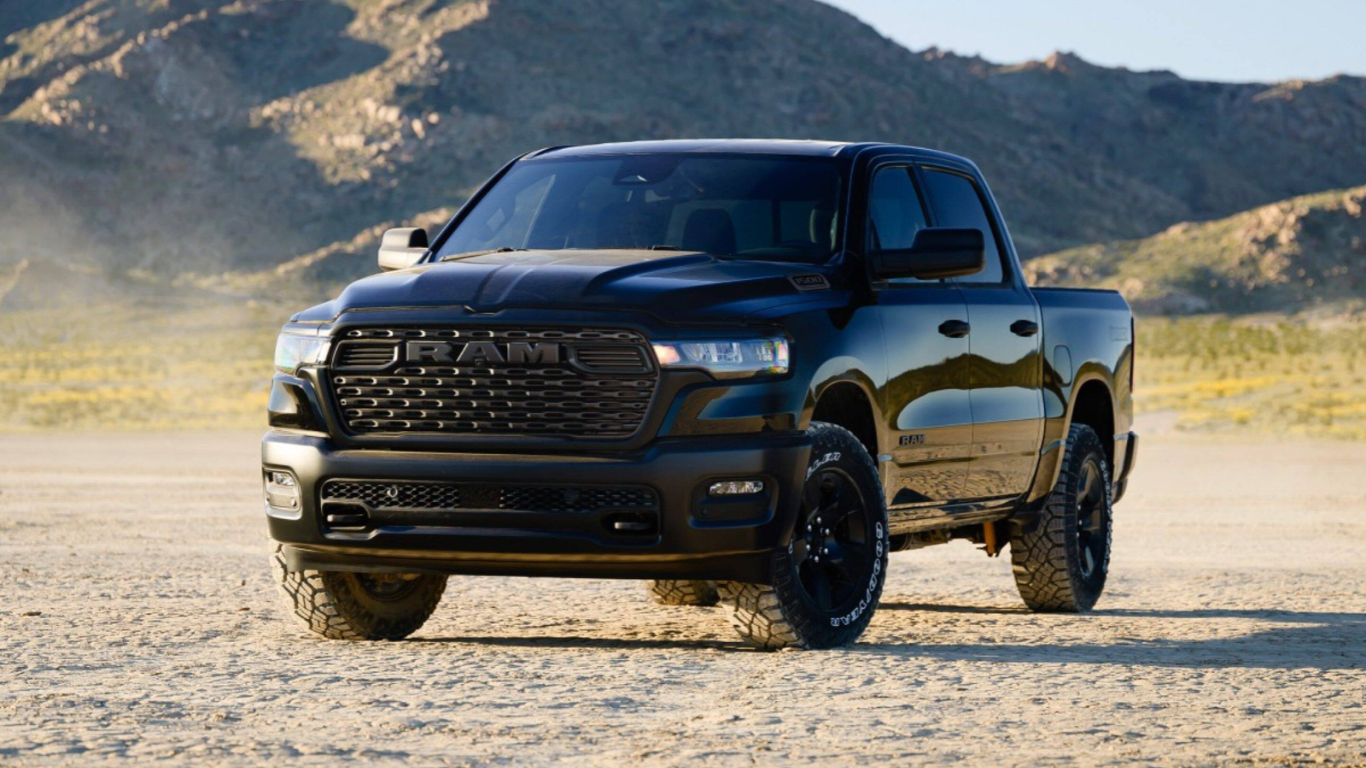
Ram backs its powertrains with a 10-year/100,000-mile warranty on select models.
Ram offers a 10-year, 100,000-mile powertrain warranty on eligible 2026 vehicles, providing measurable protection against catastrophic engine or transmission failure. The standard-output Hurricane inline-six and available Hemi V8 with ZF automatic reportedly generate fewer mechanical complaints than competitors, though independent reliability data remains limited. Electrical issues surface in owner reports, but these concerns remain distinct from core powertrain durability.
The Ram 1500 Big Horn with the standard-output Hurricane carries a base price near $46,286 in some regions. Reported incentives include 0% APR for 60 months or $7,500 cash back, though these offers depend on credit approval, model availability, and local dealer participation. Buyers should verify current financing terms and warranty coverage before signing. The warranty alone justifies serious consideration for anyone prioritizing long-term ownership cost.
4. 2026 Ram Heavy-Duty: Capability at a Premium

Ram’s HD lineup delivers muscle but demands higher upfront investment.
Ram’s heavy-duty trucks feature the 6.4-liter gasoline V8 and available diesel powertrains, backed by the same 10-year/100,000-mile powertrain warranty offered on eligible 1500 models. A Ram 2500 Big Horn equipped with the 6.4-liter V8 reportedly lists near $58,000, positioning it above half-ton alternatives despite available incentives including $3,000 total cash allowance in select markets.
The price delta reflects HD-specific components: stronger frames, heavier axles, upgraded suspension, and towing hardware rated for extreme loads. Buyers needing maximum capability will accept the premium; those towing within half-ton limits should reconsider. Verify current pricing, incentive eligibility, and actual towing requirements before stepping up to heavy-duty equipment.
5. 2025 Toyota Tundra: The Twin-Turbo Gamble

Owner complaints and NHTSA reports flag potential engine trouble.
The 2025 Tundra’s twin-turbocharged V6 generates serious scrutiny. Owner reports document alleged engine failures and main-bearing concerns, though comprehensive failure rates remain unconfirmed. Toyota’s sales declined 7% in recent periods, though attributing that drop solely to powertrain issues oversimplifies market dynamics.
Before considering a 2025 model, check NHTSA complaint databases for specific failure reports. Search by model year, component, and date to assess complaint frequency and severity. Advertised deals including $49,000 SR5 pricing and 0% financing for 60 months may look attractive, but potential engine trouble outweighs upfront savings. A truck demanding major repairs at 60,000 miles erases any financing advantage. Verify current technical service bulletins and recall status before purchase.
6. 2026 Toyota Tundra: Improved but Still Unproven
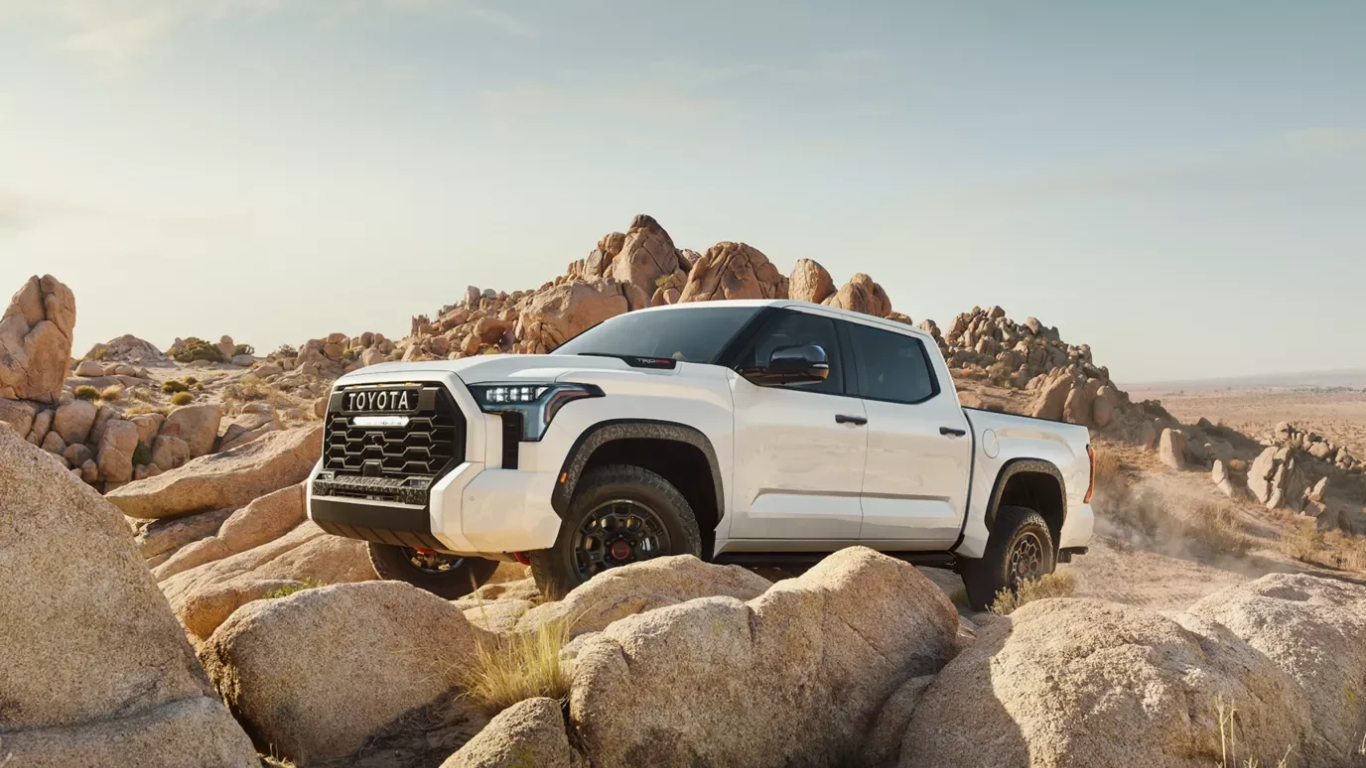
Newer model year shows fewer early complaints, but limited exposure clouds reliability picture.
The 2026 Tundra reportedly generates fewer owner complaints than the 2025 model, suggesting Toyota addressed early development issues. Limited time in service means fewer miles and less exposure, making any reliability assessment provisional. Advertised pricing includes SR5 models near $49,000 and Limited trims around $55,720, with reported financing at 2.99% for 72 months in select markets.
The twin-turbo V6’s performance exceeds some GM offerings, but comparing it to Ram’s Hurricane or Hemi requires long-term failure data not yet available. Buyers considering a 2026 model should weigh potential improvements against unproven durability. Anyone prioritizing mechanical confidence should verify complaint trends, service campaigns, and warranty coverage before committing.
7. 2026 Ford F-150: Proven Powertrains, Fewer Deals

EcoBoost and Coyote engines deliver consistent reliability despite limited incentives.
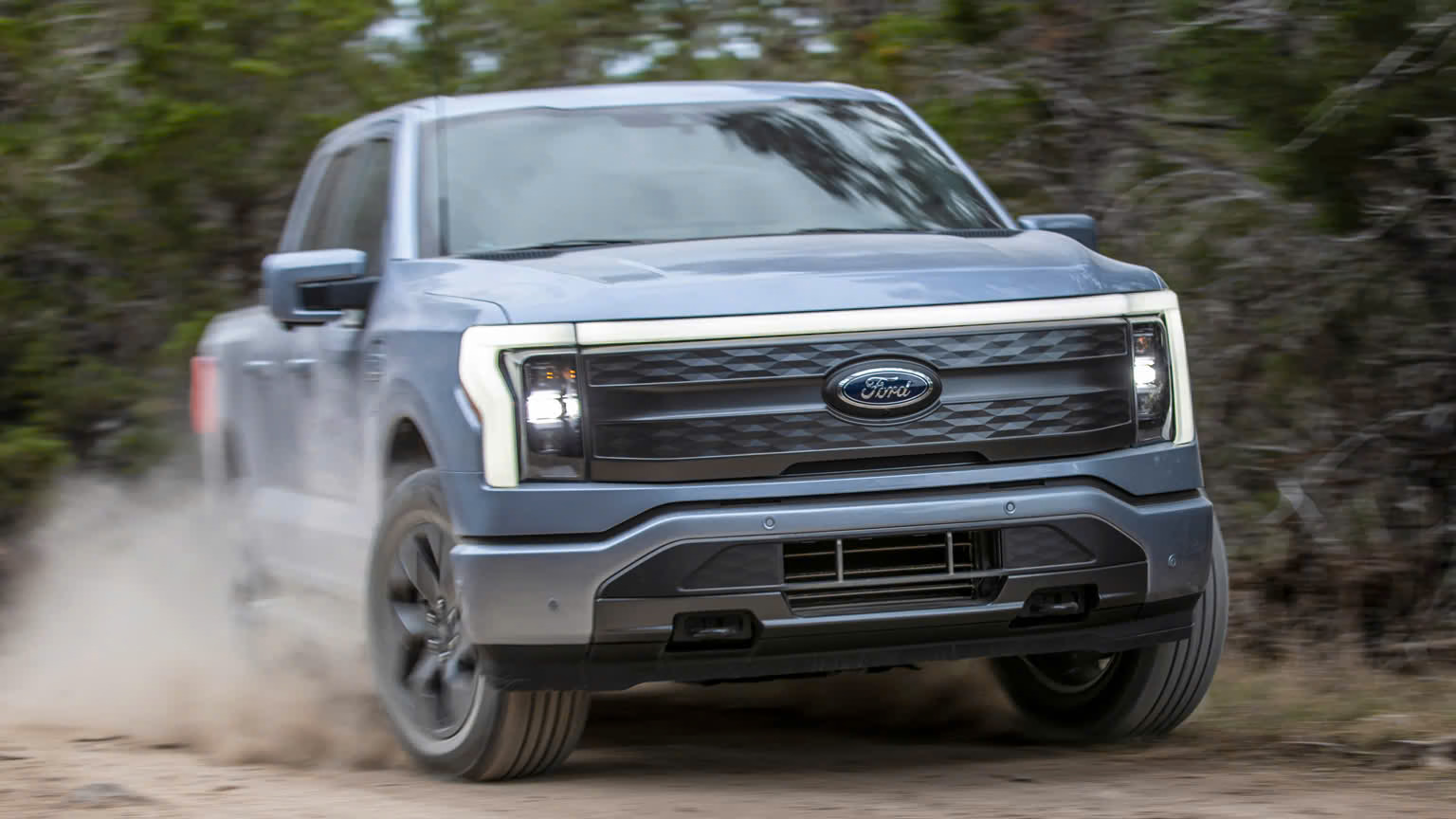
Ford’s F-150 lineup rarely features aggressive discounting compared to GM, Ram, and Toyota. The 2.7-liter EcoBoost, 3.5-liter EcoBoost, and 5.0-liter Coyote V8 generate fewer catastrophic failure reports relative to their high sales volumes. These powertrains avoid the main-bearing and crankshaft concerns flagging some competitor engines, though individual experiences vary.
A 2025 F-150 STX with the 2.7-liter EcoBoost reportedly commands $46,000 in select markets. That pricing reflects mechanical integrity rather than promotional gimmicks. Buyers paying full freight should expect dependable performance; those seeking maximum value might find better incentives elsewhere. Verify current dealer inventory, regional pricing, and available rebates before comparing transaction costs.
8. Ford and GM 10-Speed Automatic: Shared Frustration

Valve-body concerns and calibration quirks plague both manufacturers’ trucks.
The 10-speed automatic used in Ford and GM trucks reportedly suffers valve-body and programming issues, manifesting as gear-hunting, harsh shifts, and delayed engagement. These symptoms surface across model years and configurations, though Ford’s calibration updates and parts availability reportedly exceed GM’s service response.
Transmission complexity increases failure points; this 10-speed design contains hundreds of components working in precise coordination. When calibration drifts or valve bodies wear, the entire system stumbles. Ford’s superior programming and parts support mitigate but don’t eliminate the concern. Buyers should verify current technical service bulletins, extended warranty coverage, and dealer service capabilities before purchase.
9. 2026 Ford F-250 Super Duty: Maximum Gas Power at Maximum Price
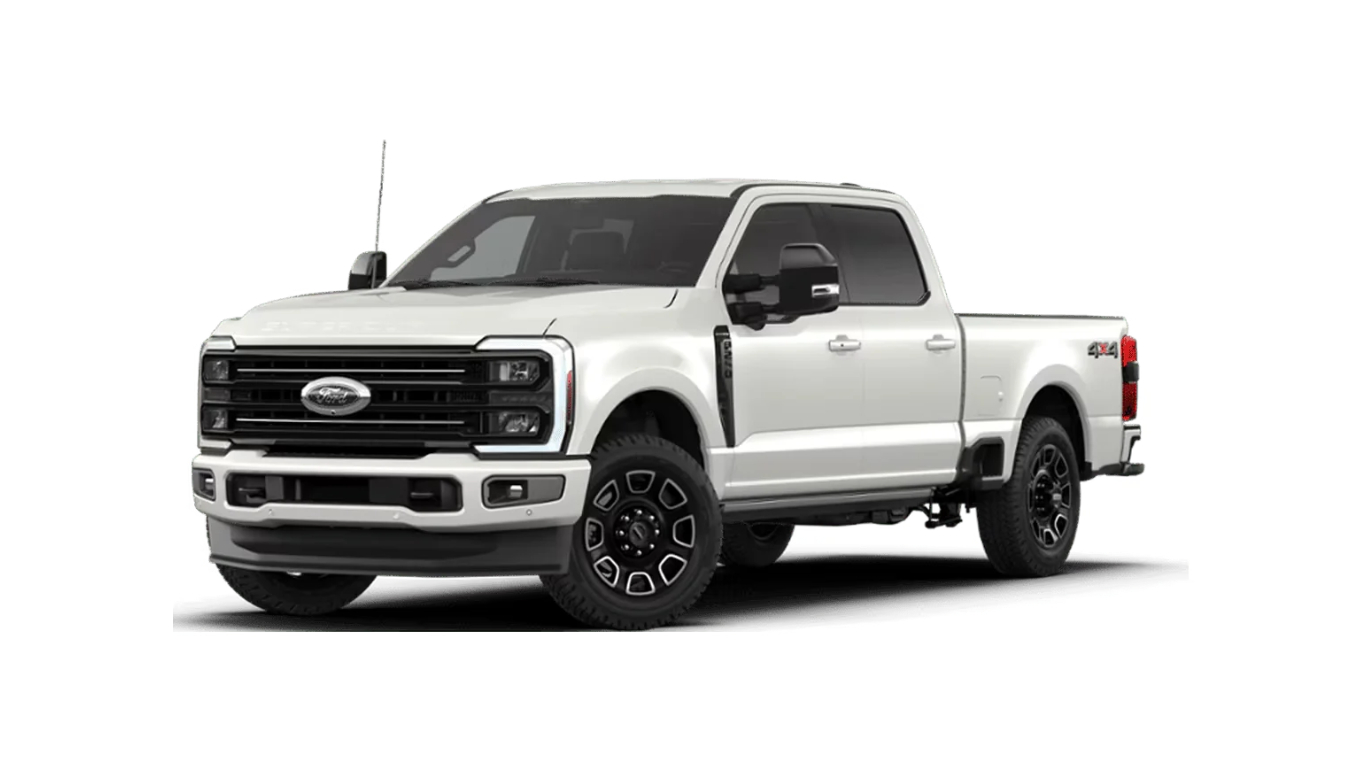
The 7.3-liter Godzilla V8 delivers capability without diesel complexity.
The F-250 XLT equipped with the 7.3-liter Godzilla V8 reportedly lists near $60,000, positioning Ford’s heavy-duty gas offering above comparable Ram and GM trucks. That premium buys maximum naturally aspirated power without diesel fuel systems, emissions equipment, or DEF infrastructure.
The 7.3-liter V8 targets buyers needing heavy-duty towing and hauling without diesel maintenance requirements. Anyone consistently moving livestock trailers, construction equipment, or large fifth-wheel campers understands why displacement and simplicity matter. Verify current pricing, equipment levels, and actual towing ratings before comparing value. The F-250’s position is clear: it costs more because it delivers maximum gas-powered capability for buyers who need exactly that.