

Sport-utility vehicles claim approximately 60% of today’s U.S. market, a dramatic shift from their utilitarian origins. These machines have evolved from humble, body-on-frame workhorses into a sprawling ecosystem of sophisticated luxury, extreme off-roaders, and even track-ready performers. This spectrum spans seven distinct levels, each selected for its singular impact and purpose. Discover what truly defines these vehicles, from commuter staples to bespoke super-SUVs, and understand how they fundamentally reshape expectations for what a road trip or daily commute can be.
1. Toyota RAV4

The compact crossover that created an entire category and refuses to quit.
Introduced for the 1994 model year, the RAV4 carved out the compact SUV segment by combining car-like handling with raised ride height and available four-wheel drive. For 2026, the U.S. market shifts to a hybrid-only lineup, offering 226 horsepower in front-wheel-drive and 236 horsepower with all-wheel drive. This vehicle became Toyota’s highest-volume nameplate in 2024, a testament to its consistent ability to simply perform its duty.
Like a favorite pair of well-worn boots, it carries drivers through any journey, making life truly simpler for decades. Strong resale demand and cargo utility keep it relevant in a crowded segment where most competitors try too hard to be everything at once.
2. Honda CR-V
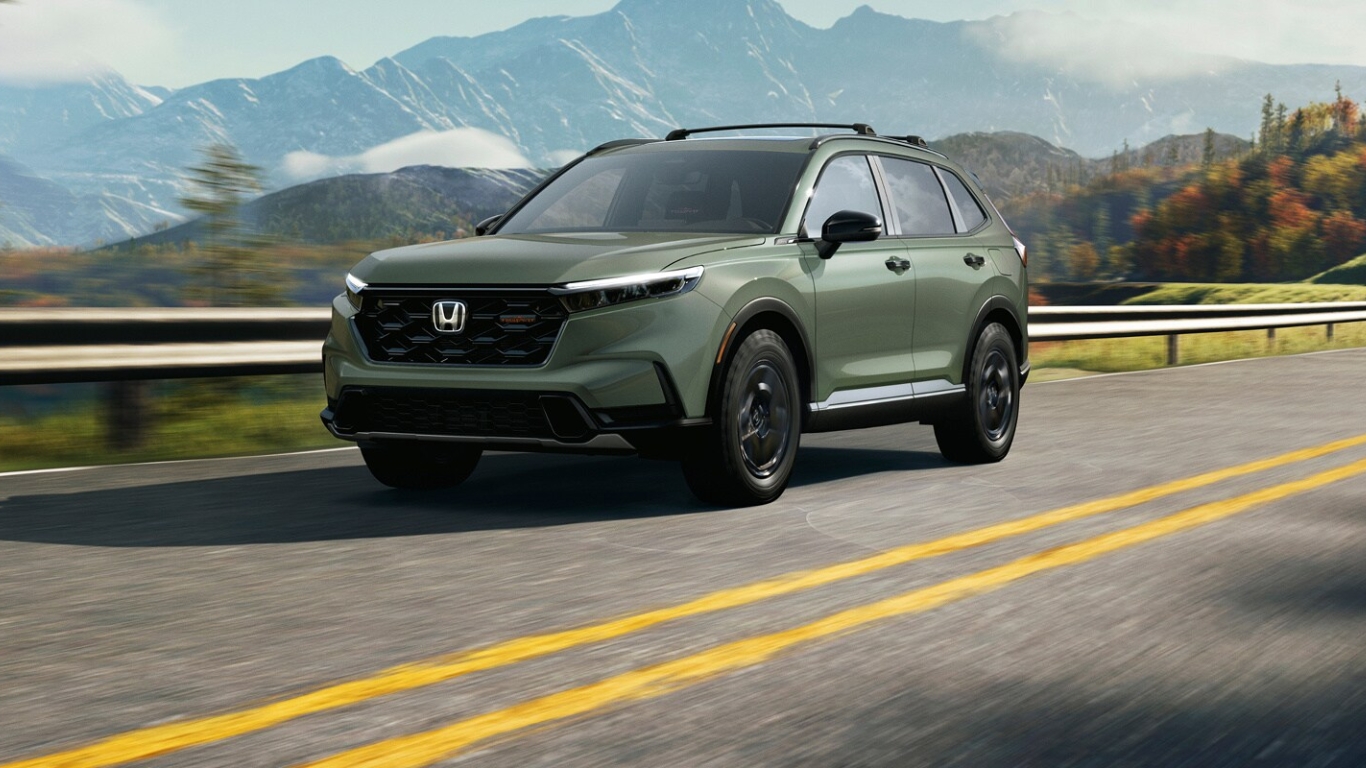
Quarter-century credentials prove the CR-V’s practical dominance.
The CR-V has competed directly with the RAV4 for more than two decades, building its reputation on efficient powertrains and useful dimensions. Its cabin offers 106.0 cubic feet of passenger volume while the 2027 model provides up to 76.5 cubic feet of cargo space, swallowing gear for any adventure. Those numbers exceed the comparable RAV4 figures, giving families genuine breathing room.
Honda’s commitment to practical needs, plus strong resale value, makes the CR-V reliable transportation for those prioritizing utility and hassle-free ownership. The vehicle handles the daily grind without drama, keeping drivers on the road instead of at the pump. No theatrical styling or forced personality—just consistent execution that builds loyalty one satisfied owner at a time.
3. Mazda CX-5
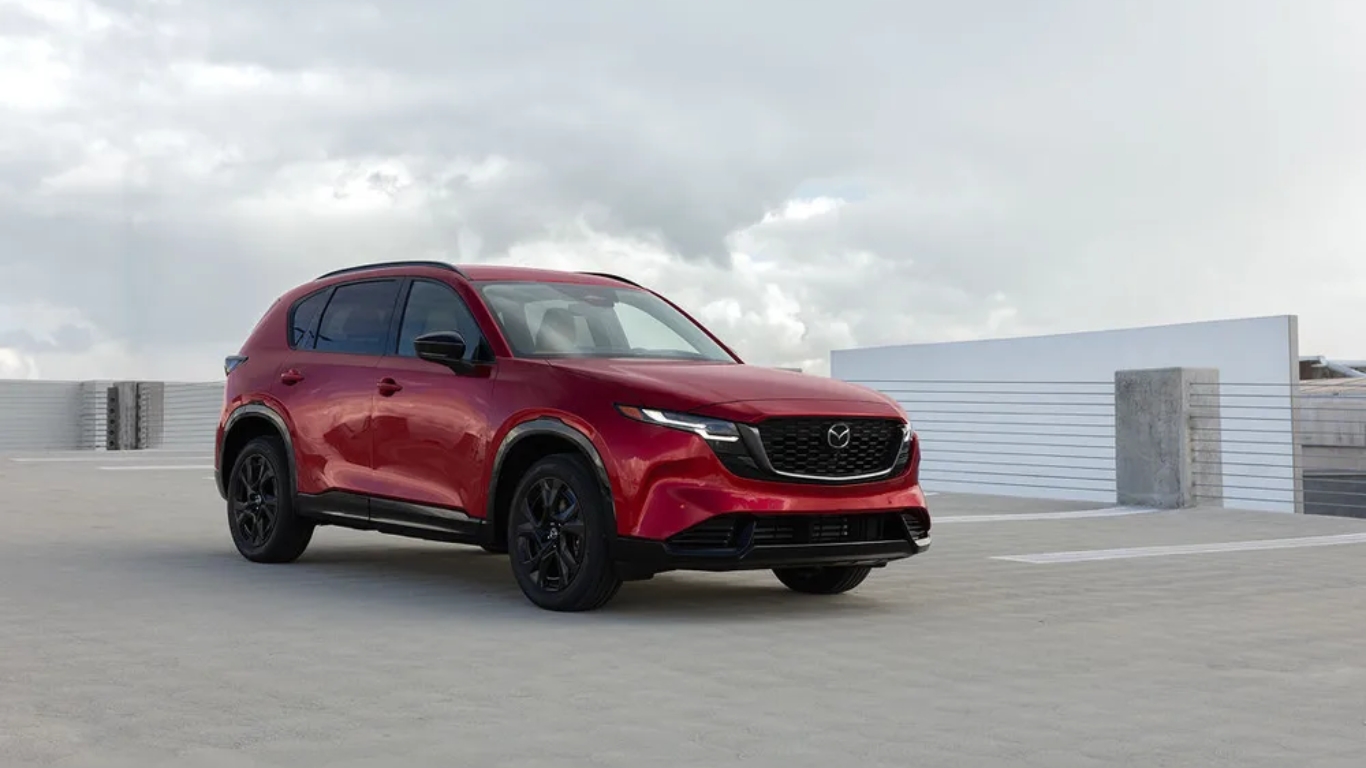
Weighted steering and upscale materials separate this crossover from appliance-grade rivals.
In a segment often filled with utilitarian boxes, the CX-5 carves its own distinct path. Weighted steering and an upscale interior design feel premium from the first turn. On a winding road, the chassis responds with precision, turning a mundane commute into an engaging drive.
This approach blends everyday utility with a distinctly driver-oriented character, far removed from a rental car’s numb feedback. Mazda occupies a more premium-feeling position than many mainstream compact SUVs while retaining a practical two-row layout. Anyone who values the connection between steering wheel and front tires will appreciate what Mazda prioritizes here—a sophisticated driving experience in a category typically devoid of such thrills.
4. Hyundai Tucson

Bold styling meets advanced technology in Hyundai’s feature-rich value play.
The Tucson challenges convention with striking aesthetic choices and a high level of standard technology. Its parametric hidden lighting disappears seamlessly into the grille, only to illuminate when needed. Blind spot cameras feed visuals directly to the digital cluster, providing an extra layer of awareness.
Gas, hybrid, and plug-in-hybrid powertrains are available, alongside sophisticated tech like a surround-view camera system. Hyundai’s strategy delivers more features per dollar, making rival offerings feel like last decade’s tech. Advanced driver-assistance systems arrive without breaking the bank, a clear example of Hyundai’s approach to mainstream SUV competition—don’t just blend in, set the pace others scramble to match.
5. Ford Explorer
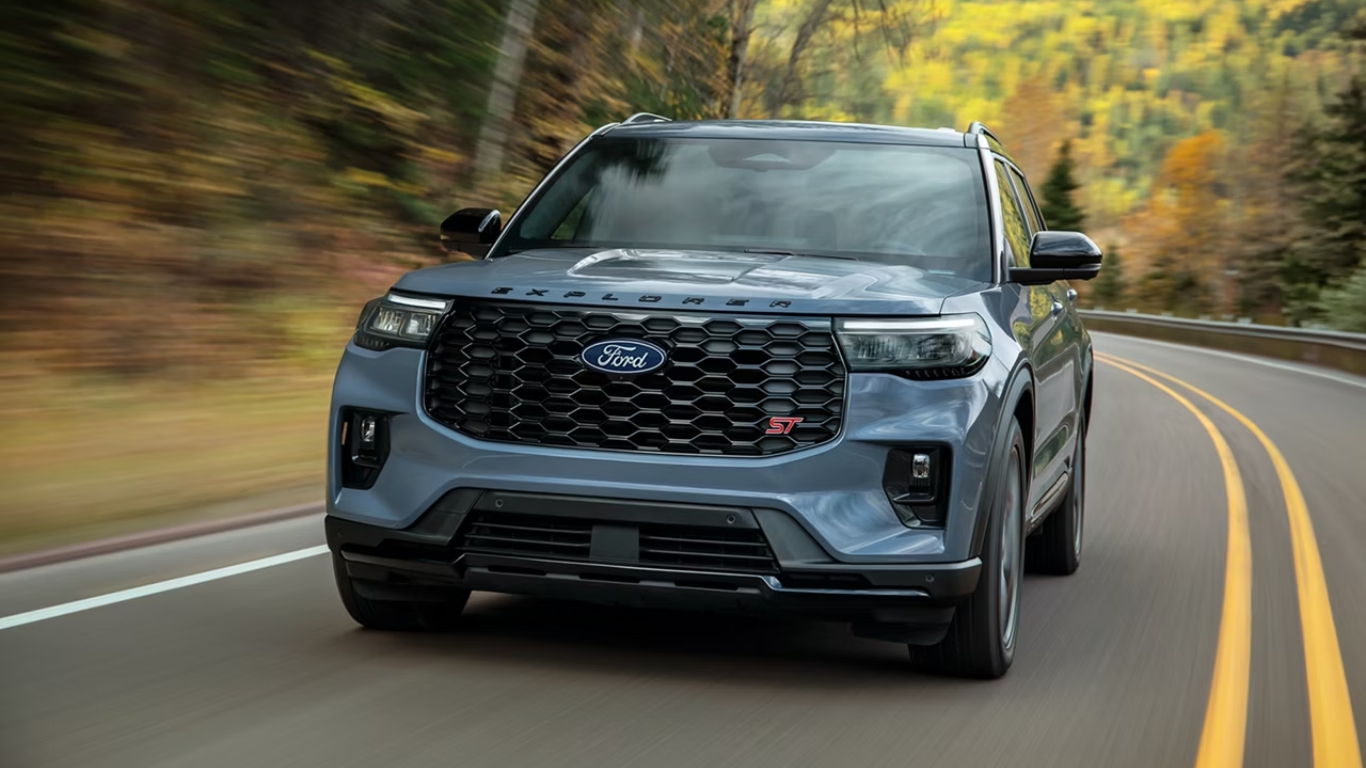
Three decades of hauling families taught Ford exactly what works.
Introduced in 1991, the Explorer helped mainstream the three-row family SUV in North America. Modern versions offer versatile three-row seating, multiple powertrains, and available all-wheel drive. The model prioritizes passenger capacity and towing utility, designed not for rock crawling but for the demands of daily family transportation and the occasional long haul.
Ford built this vehicle around what actually matters on the highway run to Grandma’s house or the weekend soccer tournament three states away. It proved itself a dependable machine generation after generation, cementing its place as one of the company’s most important family vehicles. The Explorer represents practical American transportation philosophy distilled into sheet metal and three rows of seats.
6. Kia Telluride

The 2020 model year launch that forced everyone to reconsider Kia’s ambitions.
The Telluride shifted market perception immediately upon arrival. Its spacious interior, upscale cabin presentation, and generous standard equipment list earned MotorTrend’s 2020 SUV of the Year award. This recognition marked Kia’s serious intent in the midsize SUV segment.
The vehicle’s impact transcended typical segment competition—it changed how buyers viewed the brand entirely. A spacious interior and competitive pricing combined to create genuine appeal, proving Kia had moved beyond its budget-brand reputation. The Telluride became a benchmark, demonstrating what happens when a manufacturer executes confidently on fundamentals like interior quality, equipment levels, and practical design.
7. Chevrolet Tahoe

Body-on-frame architecture delivers old-school utility for modern families.
Since 1995, the Tahoe has represented the full-size, body-on-frame SUV formula. It shares robust architecture with Chevrolet’s pickup trucks, delivering expansive three-row passenger space, substantial cargo capacity, and serious towing capability powered by available V8 or diesel options.
This construction approach prioritizes indestructible feel over refined road manners. The Tahoe is the quintessential choice for unwavering space and capability, built like a bank vault on wheels. Traditional American full-size SUV values—large dimensions, truck-based durability, and high utility—define every generation. Anyone needing to haul seven people plus their gear on a 1,000-mile journey understands exactly what the Tahoe provides.
8. Jeep Wrangler Rubicon

Factory-equipped locking differentials make this the serious off-roader’s first choice.
The Rubicon stands as the most capable mainstream off-road vehicle, designed explicitly for rock crawling. Factory-equipped locking front and rear differentials deliver crucial traction over brutal terrain. Electronically disconnecting front sway-bar links allow maximum wheel articulation, letting drivers crawl over boulders with precision.
Low-range four-wheel drive, high-clearance bodywork, and specialized tires prioritize grip over asphalt manners. This vehicle is a dedicated tool for navigating wilderness, not a suburban commuter. The Rubicon arrives as a bare chassis for adventure, a platform for owners to build their off-road lives around. Anyone serious about tackling difficult terrain recognizes what Jeep engineered here—a vehicle that treats pavement as merely the path between trails.
9. Ford Bronco Raptor
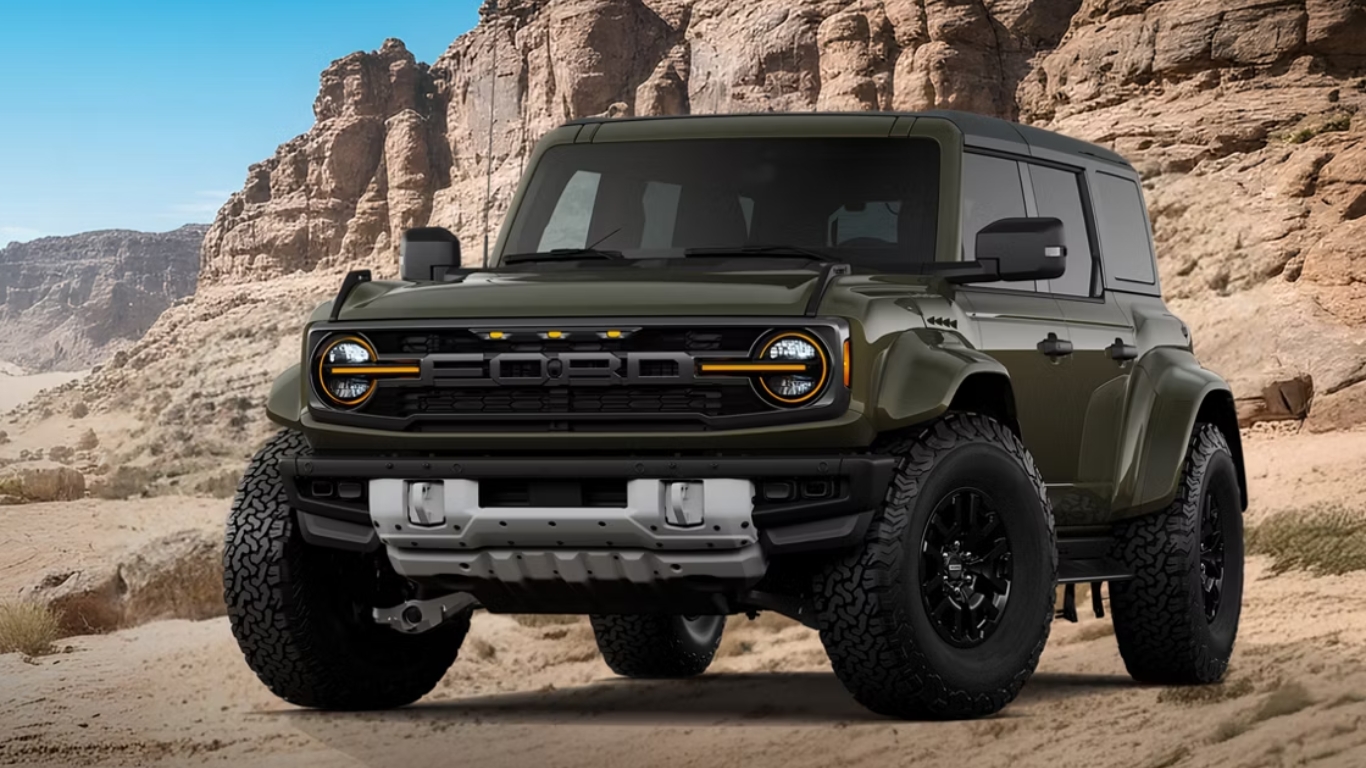
Desert-running capability meets 418 horsepower in Ford’s performance off-roader.
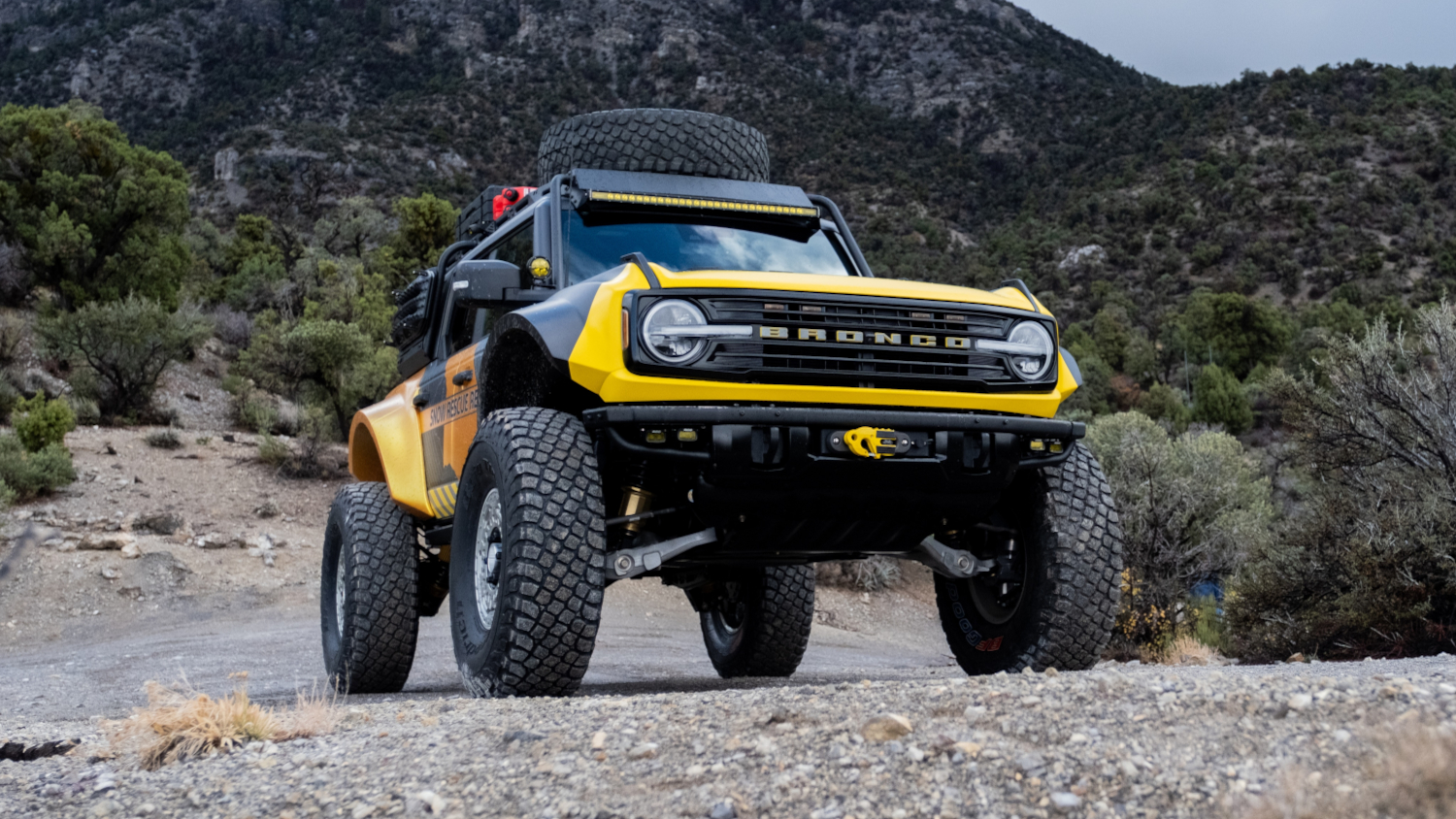
The Bronco Raptor packs a 3.0-liter twin-turbocharged EcoBoost V6 generating 418 horsepower. It rides on 37-inch tires and features wide bodywork alongside long-travel Fox Live Valve dampers, delivering approximately 13 inches of front wheel travel and 14 inches at the rear.
Fast desert runs and difficult terrain fall within this machine’s capability envelope. The modern Bronco returned for the 2021 model year after a 25-year absence, and the Raptor represents Ford’s commitment to high-performance off-road hardware. This formidable machine combines the nameplate’s heritage with contemporary suspension technology and substantial power, creating something genuinely capable of attacking hostile environments at speed.
10. Toyota Land Cruiser
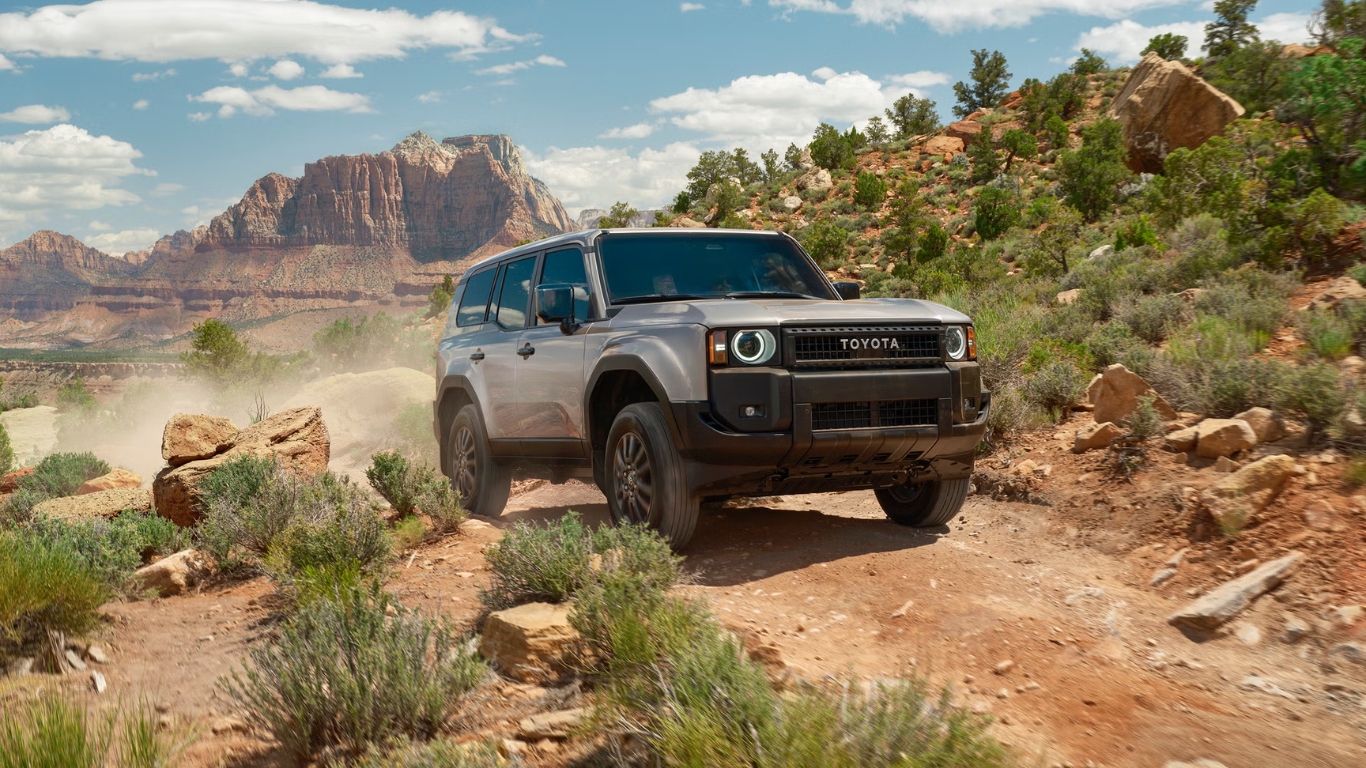
Seven decades of global expedition use built an unmatched reliability reputation.
The Land Cruiser has defined rugged capability for approximately seven decades, becoming the trusted choice in demanding environments. Its reputation was forged in the hostile terrains of the Middle East, Africa, and Australia, where failure is not an option.
Robust four-wheel-drive systems and exceptional terrain capability define the nameplate’s evolution into a global off-road legend. Anyone traversing remote areas understands the Land Cruiser’s appeal—it is a machine that keeps going, mile after punishing mile. Reliability is not just a feature but the entire personality of this vehicle. Toyota built durability into every component, creating transportation for places where the nearest mechanic might be 500 miles away across trackless desert.
11. Land Rover Defender

Modern electronics and air suspension transform the rugged icon into a refined road-tripper.
The current Defender retains its iconic upright silhouette and formidable off-road prowess while delivering refinement and technology its utilitarian forebears could only dream of. Advanced electronics and air suspension make long hauls tolerable. Terrain Response driving modes automate much of the hard work, configuring the vehicle for mud, sand, or rocks with a turn of a dial.
This generation wraps occupants in safety technology and comfort, appealing beyond the hardcore expedition crowd. It is a road trip machine that can still conquer the trail without needing a permanent wrench-turner on standby. Land Rover successfully modernized the Defender without sacrificing the capability that made the nameplate legendary—a difficult balance few manufacturers execute successfully.
12. BMW X7
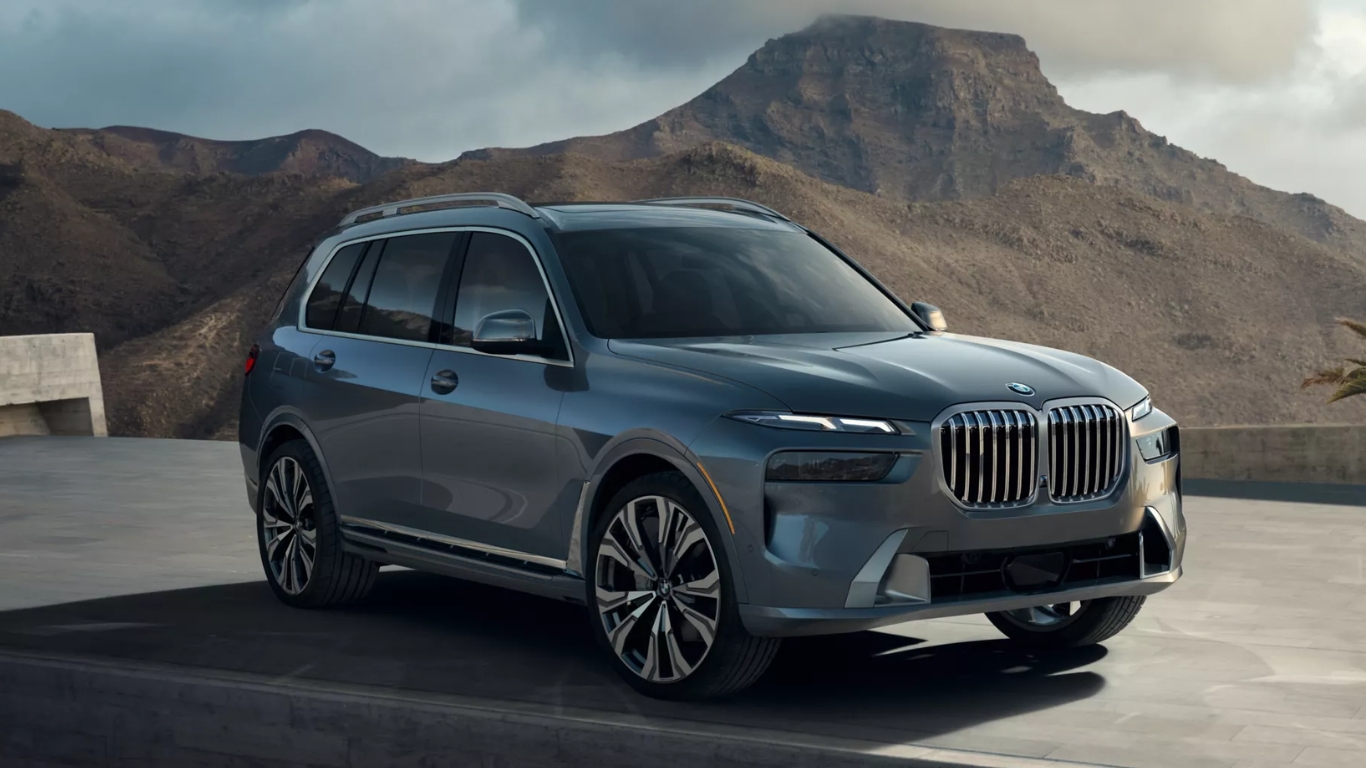
Driver-focused engineering meets three-row practicality in BMW’s flagship SUV.
The X7 embodies BMW’s driver-centric reputation in its largest SUV format. This flagship prioritizes sharp road performance and high-speed stability, driving more like a focused grand tourer than a typical hauler. It offers practical six- or seven-passenger seating while maintaining the brand’s characteristic handling balance.
The enormous kidney grille dominates its front, a design choice that garnered strong opinions upon launch. Powerful available engines and a cabin built with premium materials ensure the X7 delivers on the promise of an engaging drive. BMW applied its performance philosophy to a three-row format, creating something that handles family duty without abandoning the driving dynamics the brand built its reputation on.
13. Cadillac Escalade
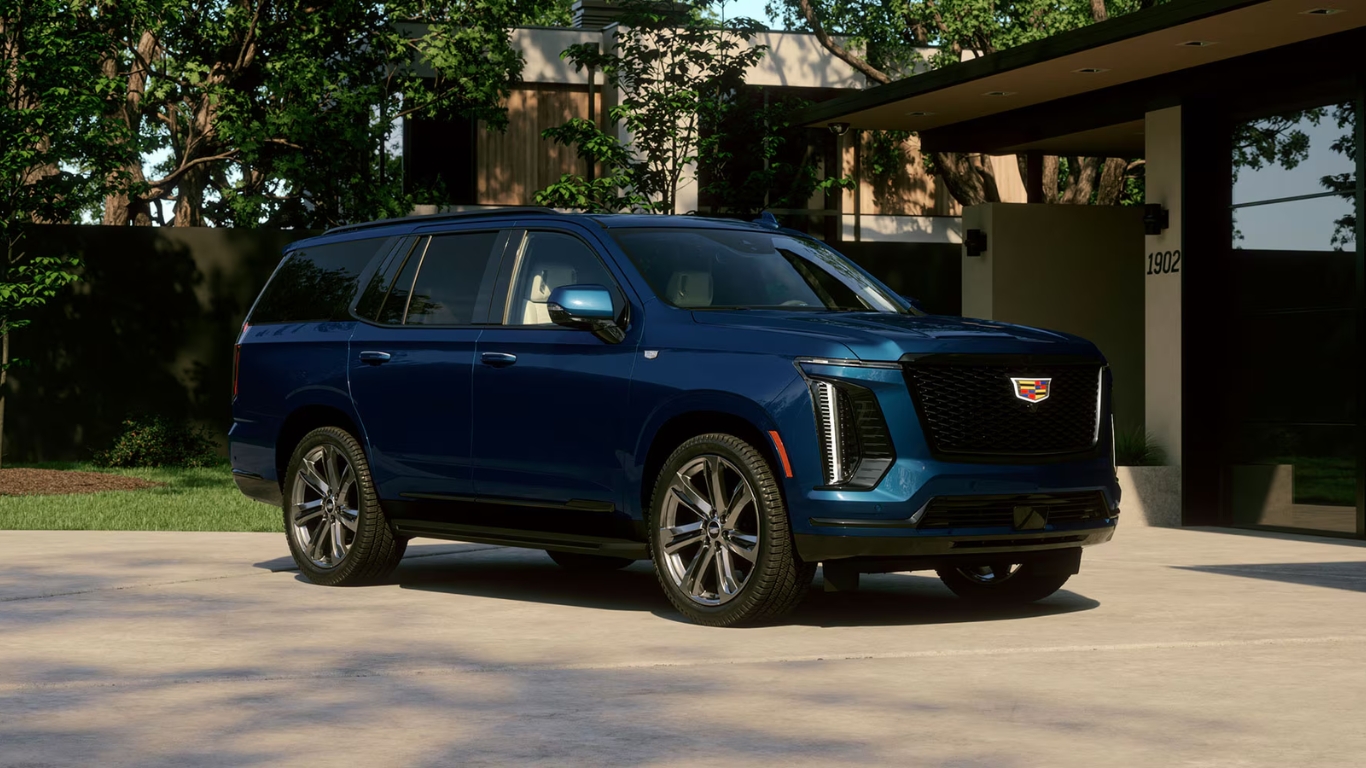
American luxury icon combines 38-inch OLED display with three-row comfort.
The Escalade solidified its status as an American icon, particularly within hip-hop culture during the early 2000s. Its sheer presence still commands attention, translating that sense of arrival into modern luxury design.
Inside, the current generation features a massive 38-inch curved OLED dashboard display stretching across the entire dash. Beyond the digital spectacle, genuine three-row seating wrapped in premium materials feels built to last. The ride itself floats over asphalt imperfections, a testament to comfort engineering. Cadillac built this vehicle around the idea that luxury means never feeling the road—a philosophy executed through sophisticated suspension tuning and extensive sound deadening.
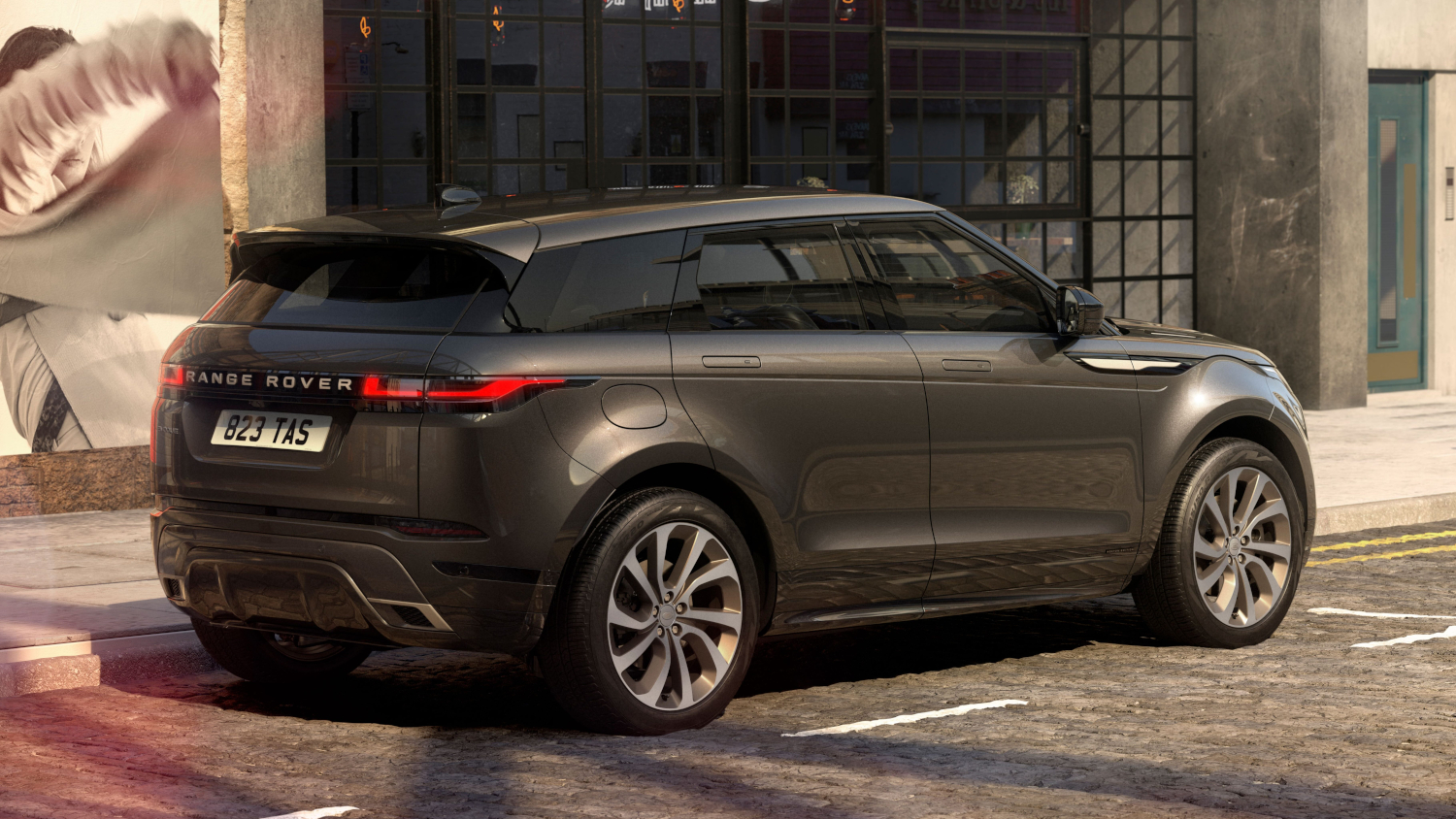
14. Range Rover Autobiography
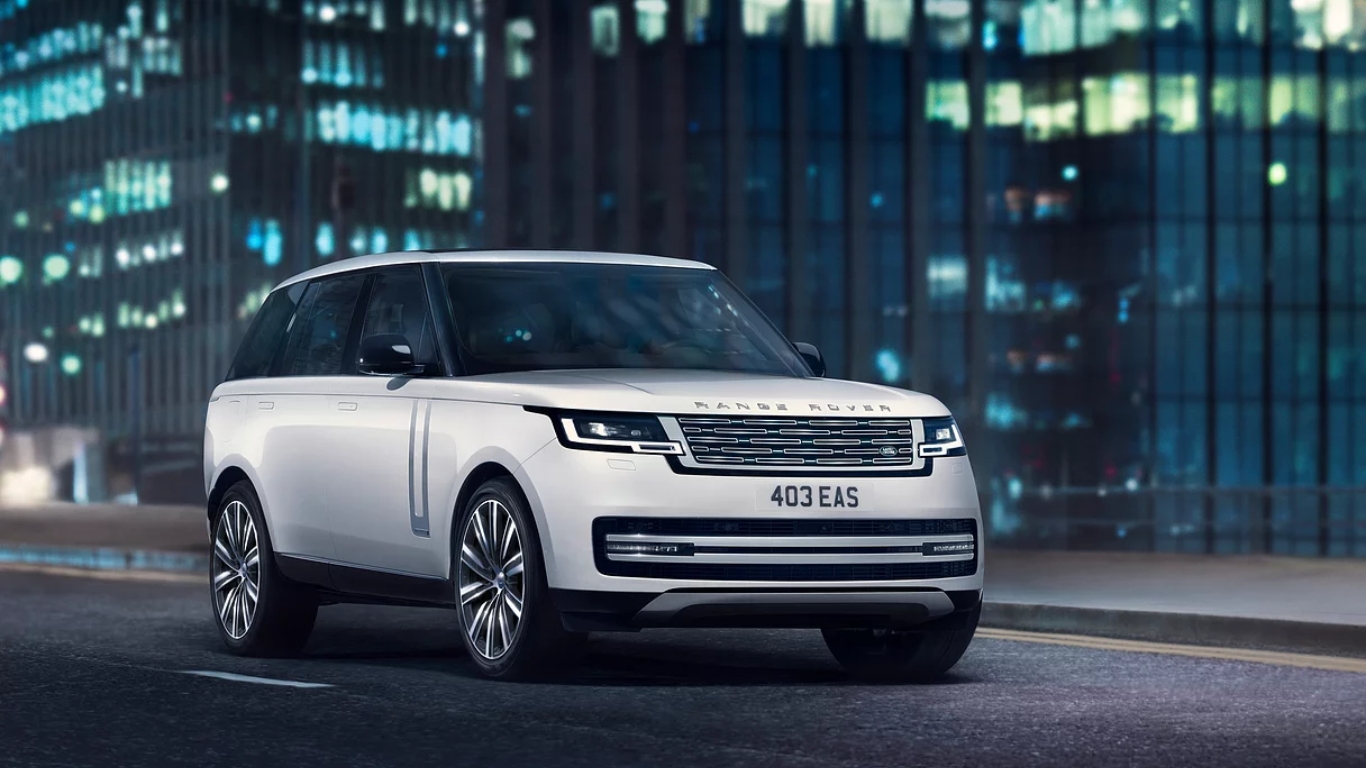
Electronically controlled air suspension and bespoke materials define high-luxury positioning.
Range Rover SUVs maintain a decades-long reputation for blending luxury with genuine all-terrain capability. The Autobiography specification elevates this further, representing the pinnacle of high-luxury SUVs with extensive equipment, premium materials, and personalization options that define its exclusivity.
Electronically controlled air suspension integrates with terrain-management software and advanced driver-assistance technology, ensuring seamless transition between opulent comfort on pavement and confident mastery off-road. Range Rover engineered the Autobiography around dual missions—providing refined highway travel and handling difficult terrain when required. This balance, executed at the highest luxury tier, distinguishes the model from competitors that excel at one mission while compromising the other.
15. Lamborghini Urus

657 horsepower and 3.3-second acceleration expand Lamborghini beyond two-door supercars.
The Urus successfully expanded Lamborghini’s customer base, becoming its highest-volume model. Its twin-turbocharged 4.0-liter V8 produces up to 657 horsepower in Urus Performante specification. Lamborghini quotes a 0-to-62-mph time of approximately 3.3 seconds, making it faster than many dedicated sports cars.
The violent engine note commands attention with a guttural roar reminiscent of a drag racer’s launch. This revenue now funds the next generation of supercars, silencing purist complaints about diluting the brand. Lamborghini successfully translated its performance and styling into the high-performance SUV segment, creating something that maintains the company’s character while serving genuinely practical purposes.
16. Porsche Cayenne Turbo GT

Nürburgring SUV lap record holder proves track capability in family SUV format.
A five-seat family SUV capable of hauling weekend gear should not hold faster lap times than many dedicated supercars. Yet the Cayenne Turbo GT claimed the Nürburgring Nordschleife SUV lap record in 2021. Porsche re-engineered the entire machine, not just adding horsepower.
A ferocious twin-turbocharged V8 provides serious grunt. Meticulously revised chassis tuning makes this SUV corner with zeal that defies its size. High-performance brakes ensure confidence into every apex. Active aerodynamic elements manage airflow for stability while revised suspension tuning reduces body roll. This vehicle fundamentally redefines utility on track—Porsche’s unapologetic, performance-focused SUV flagship that flat-out defies every sensible expectation for its class.
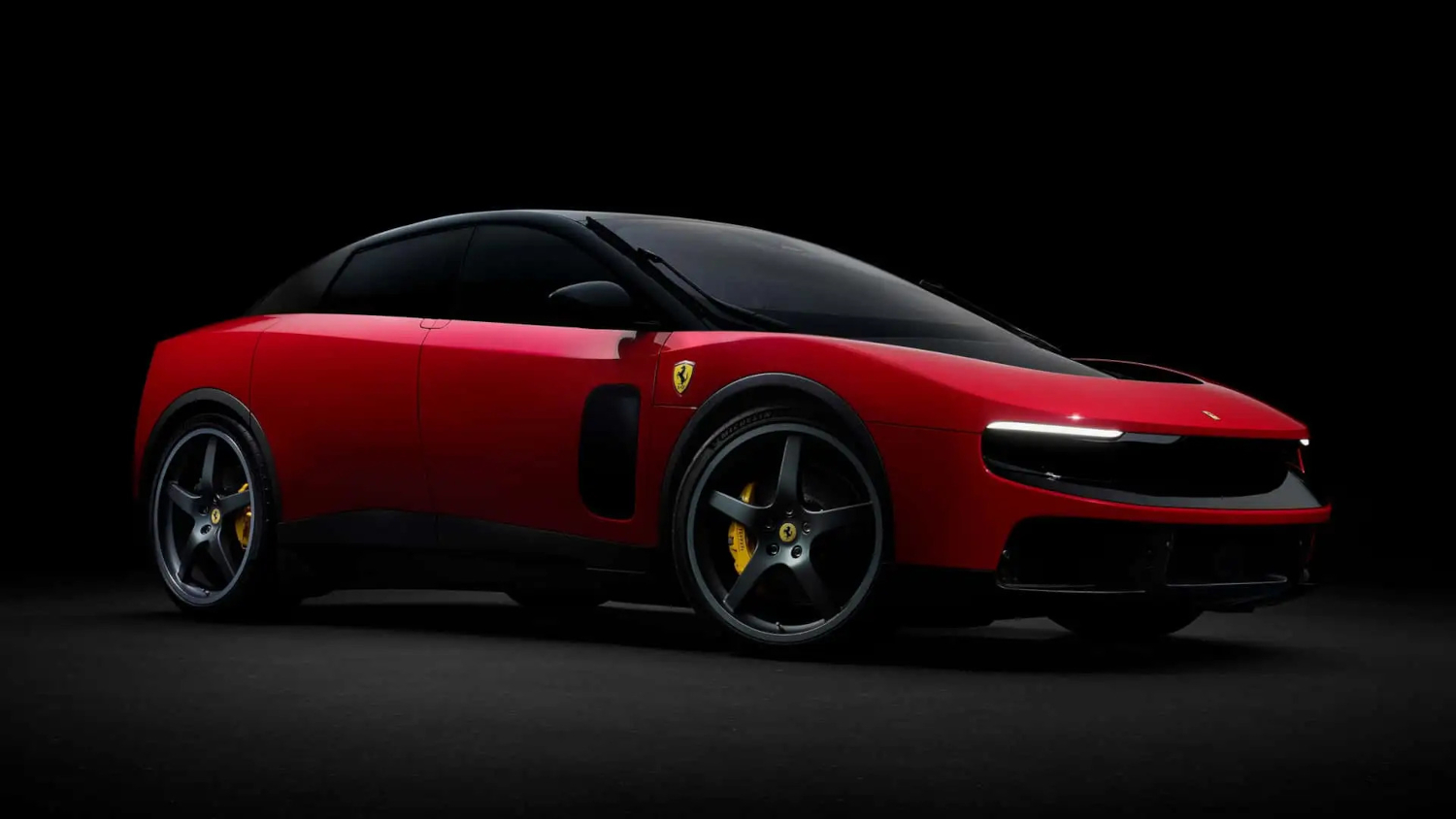
17. Ferrari Purosangue
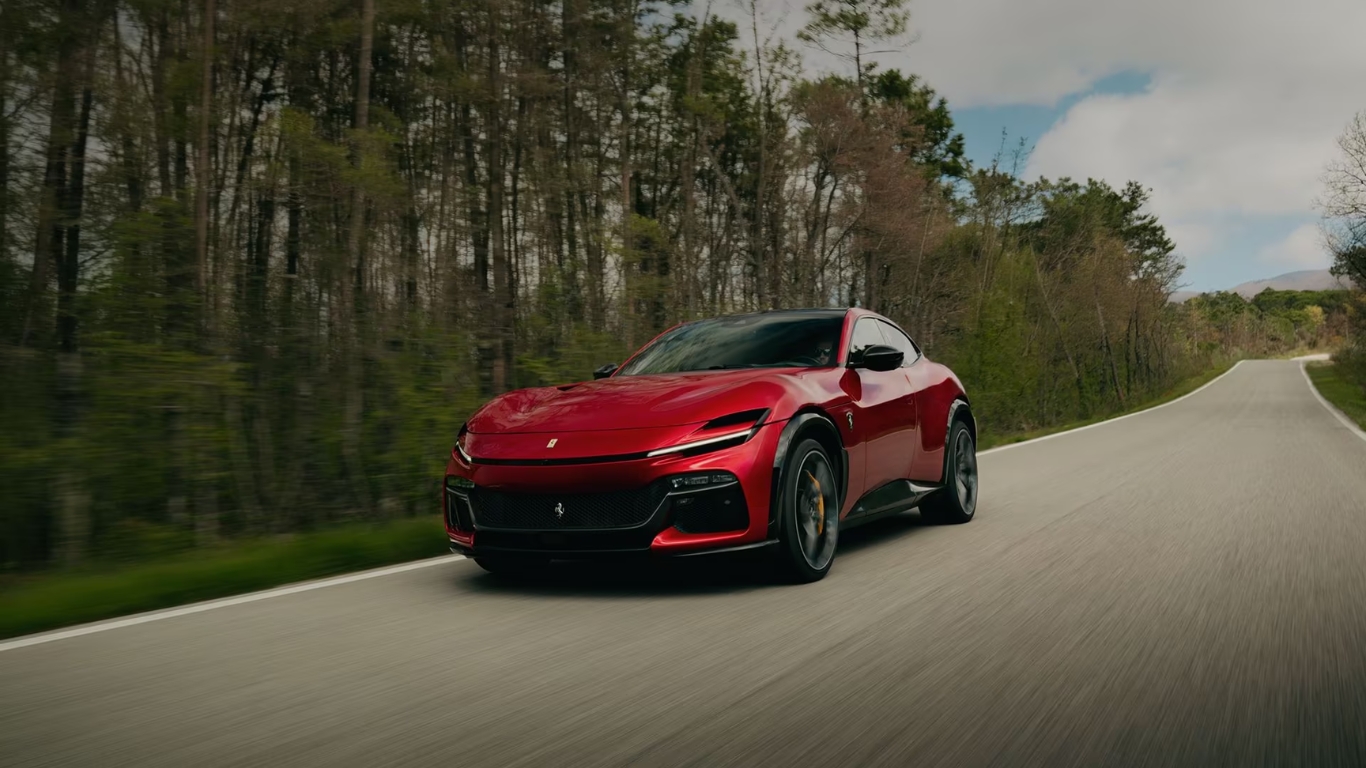
Naturally aspirated V12 and rear-hinged doors distinguish Ferrari’s four-door thoroughbred.
A significant shift in Maranello’s strategy begins with the Purosangue, meaning “thoroughbred” in Italian. This four-door, four-seat production car proves unmistakably a Ferrari in driving and sound. Under the hood, a naturally aspirated V12 sits front-mounted, paired with an all-wheel-drive system and active suspension technology.
Rear-hinged rear doors improve access to two individual rear seats. Ferrari positions it as a distinct four-door sports car rather than a conventional SUV, maintaining the company’s performance character while providing practical seating. The Purosangue demonstrates Ferrari’s approach to expanding beyond two-seat formats—build something that maintains the brand’s driving experience and V12 soundtrack while accommodating four passengers.
18. Aston Martin DBX707
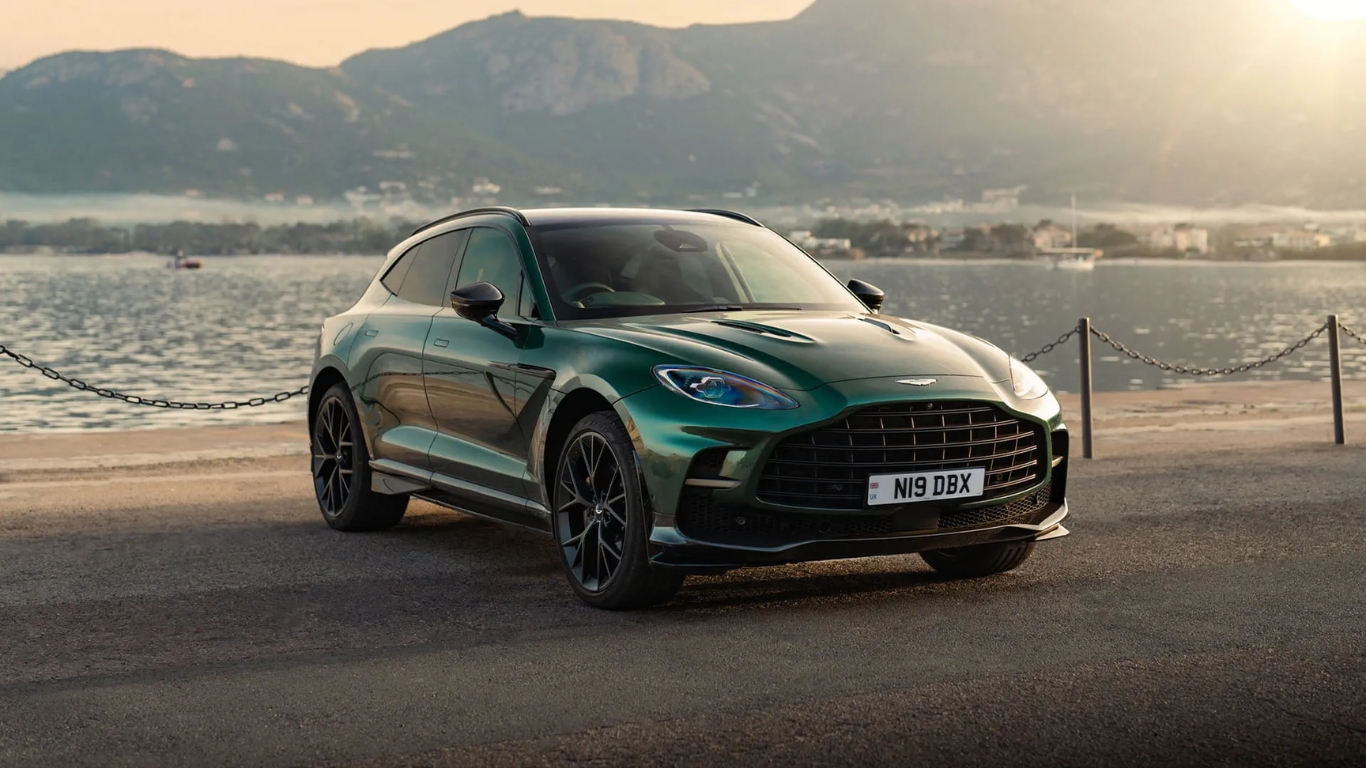
707 PS output and hand-stitched leather define Aston Martin’s emotional super-SUV.
Producing 707 PS (approximately 697 horsepower under U.S. measurement) from its twin-turbocharged 4.0-liter V8, the DBX707 was among the most powerful series production SUVs at its debut. Upgraded turbochargers, revised transmission calibration, high-performance brakes, active anti-roll technology, and a sportier chassis deliver immense power.
The hand-stitched leather interior ensures luxury remains paramount. Its emotional sound and theatrical driving nature distinguish it from German and Italian rivals, transforming every drive into a curated performance. Aston Martin built the DBX707 around the idea that a super-SUV should feel special, not just fast—a philosophy executed through careful attention to materials, sound engineering, and chassis dynamics that prioritize driver engagement.
19. Rolls-Royce Cullinan
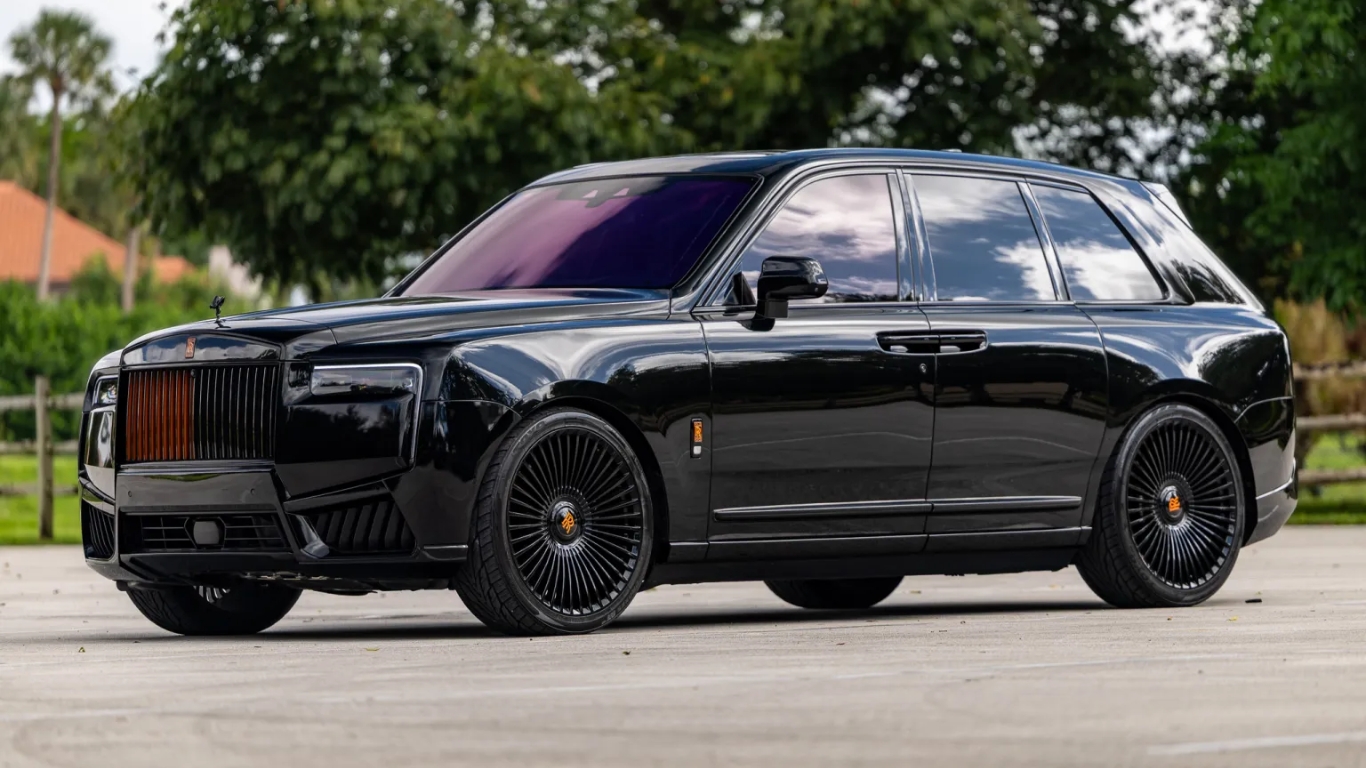
Ultra-luxury SUV with Starlight Headliner redefines serene transportation.
The Rolls-Royce Cullinan occupies the pinnacle of the ultra-luxury SUV market, with pricing and customization reaching well above its base price. Its core mission is unparalleled passenger isolation; sophisticated suspension completely shields occupants from road imperfections, creating a floating sensation barely aware of movement.
Obsessive detail defines the interior. The Starlight Headliner uses hand-installed fiber-optic light elements to create a bespoke celestial display. Every material is handcrafted, allowing extensive personalization. This is less an SUV and more a mobile sanctuary crafted to exact specifications. The Cullinan represents Rolls-Royce’s philosophy applied to elevated seating—quiet travel, handcrafted materials, and rear-seat comfort prioritized above all else.
20. Mercedes-Maybach GLS 600

Reclining executive seats and champagne storage redefine chauffeur luxury.
The Mercedes-Maybach GLS 600 transforms the GLS platform into an unrivaled rear-seat experience. Available reclining executive seats paired with massage functions craft an unparalleled cabin environment on applicable configurations. Champagne storage and executive rear packages allow the front passenger seat to fold flat, enabling maximum recline.
This fusion delivers Maybach’s signature presentation and uncompromising rear-passenger luxury combined with the GLS platform’s elevated seating and all-wheel-drive capability. Mercedes-Benz engineered the Maybach GLS 600 around a chauffeur-oriented cabin layout, focusing on what rear passengers experience rather than what the driver controls. The result prioritizes comfort and luxury for those being driven.
21. Bentley Bentayga Mulliner
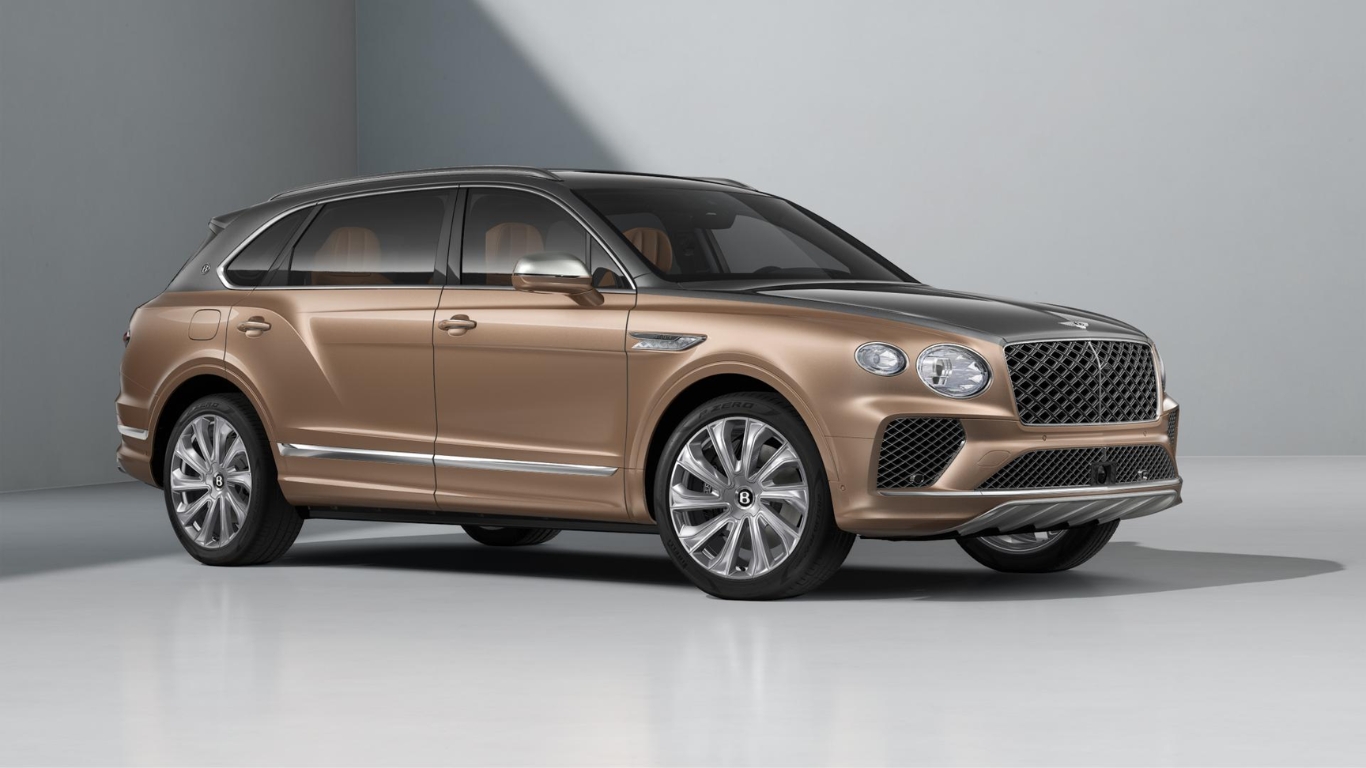
Mulliner bespoke division brings hand-finished personalization to Bentley’s SUV.
Bentley traces its automotive history to 1919, a heritage deeply embedded in every surface of the Bentayga Mulliner. Mulliner, Bentley’s bespoke and coachbuilding division, ensures unique exterior details and extensive leather choices alongside hand-finished cabin elements.
The quilted leather, stitched meticulously by hand, represents Bentley at its most extravagant. These bespoke commissioning options bring a long tradition of unparalleled personalization directly into the SUV category. Bentley successfully translated its luxury and customization heritage into elevated seating, creating something that maintains the company’s identity while serving genuinely practical purposes.
22. Mercedes-AMG G 63 4×4²
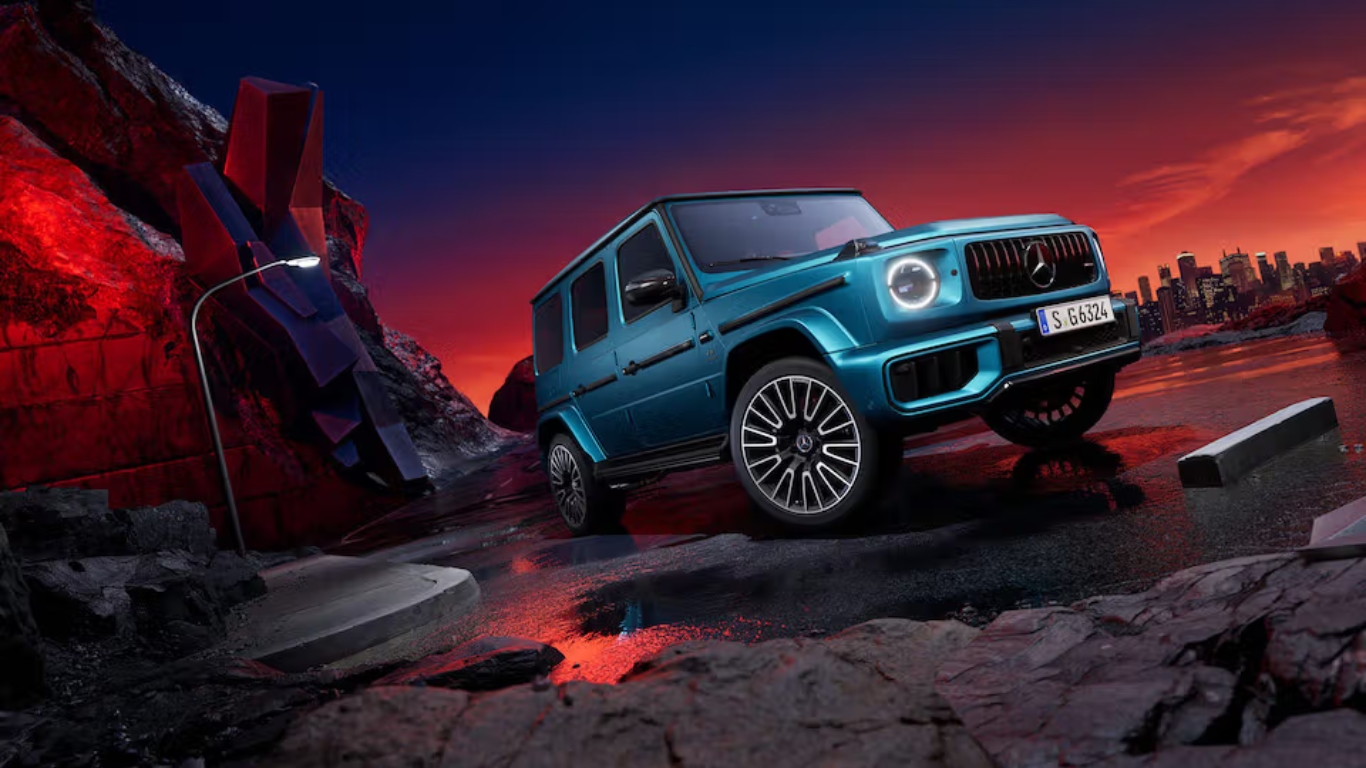
Portal axles and military-derived architecture create extreme off-road capability.
The G-Class has been in continuous production since 1979, and its 4×4² variant pushes the envelope. This machine leverages portal axles that position wheel hubs below the axle centerline, radically improving ground clearance beneath the differentials.
With wider bodywork and specialized off-road hardware, this AMG conversion combines military-derived off-road architecture with AMG performance and luxury. It is an unlikely mix of uncompromising luxury and tactical off-road might. Mercedes-AMG built the G 63 4×4² for those who demand both extreme capability and premium materials—a niche market where cost becomes secondary to capability.
23. Rezvani Vengeance
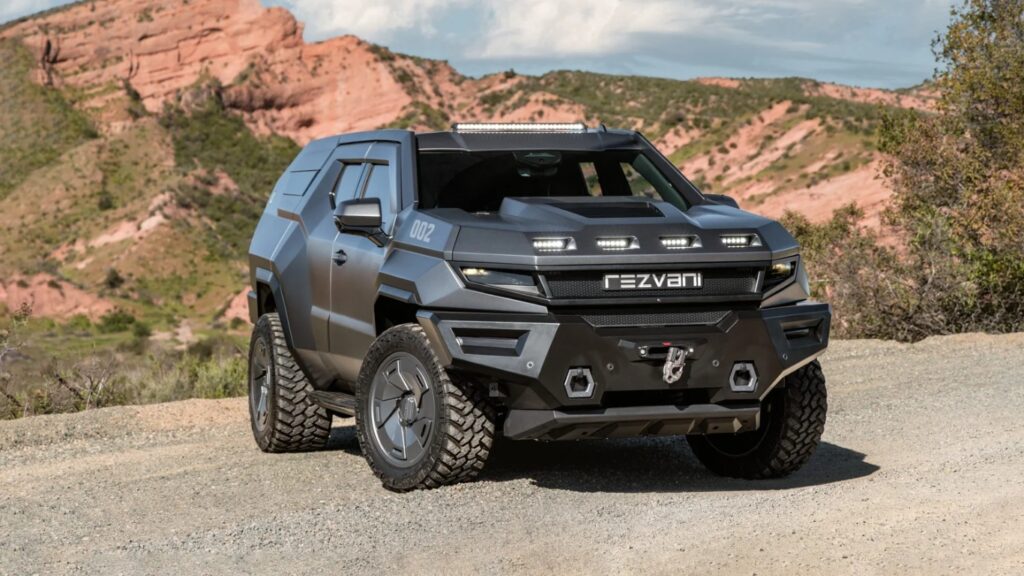
Limited-production security-focused SUV offers armored protection and electrified door handles.
The Rezvani Vengeance transforms a General Motors full-size SUV platform into something from a military action sequence. Its available security-focused options include armored protection, bullet-resistant glass, run-flat tires, and electrified door handles.
These extreme elements, while optional rather than standard, sculpt the vehicle’s character, pushing it beyond typical luxury. This limited-production, heavily styled SUV caters to those demanding comprehensive protection and an undeniable statement. Even a Mercedes-AMG G 63 4×4² looks subtle next to this beast. Rezvani built the Vengeance around the idea that some buyers prioritize security above all else—a philosophy executed through extensive available protection features.
24. Karlmann King

Angular stealth-inspired bodywork and ultra-limited production define extreme exclusivity.
The Karlmann King is an ultra-limited luxury SUV based on a Ford F-550 platform. It is distinguished by angular, stealth-inspired bodywork and extensive customization. Production is extremely small, and specifications vary by market and build.
Its curb weight and construction details vary by configuration and armor specification. The vehicle appeals exclusively to a select clientele seeking ultimate customization and exclusivity, effectively transcending conventional automotive categories. The Karlmann King represents extreme personalization applied to truck-based architecture, creating something that prioritizes visual impact and bespoke construction over traditional performance metrics.
25. Brabus 900

900-horsepower conversions transform Mercedes-AMG platforms into extreme performance SUVs.
Brabus 900 conversions rebuild already potent Mercedes-AMG engines, creating machines with 900 horsepower and substantial torque. Specifications vary by base vehicle and edition, but Brabus lists impressive acceleration and top-speed figures for its high-output conversions.
The Brabus 900 based on the Mercedes-AMG G 63 delivers performance that defies the vehicle’s substantial weight, hitting claimed acceleration times faster than many dedicated sports cars. Brabus represents the final word in extreme SUV tuning—taking factory performance vehicles and pushing them into truly extraordinary territory through engine modifications, chassis upgrades, and comprehensive engineering.