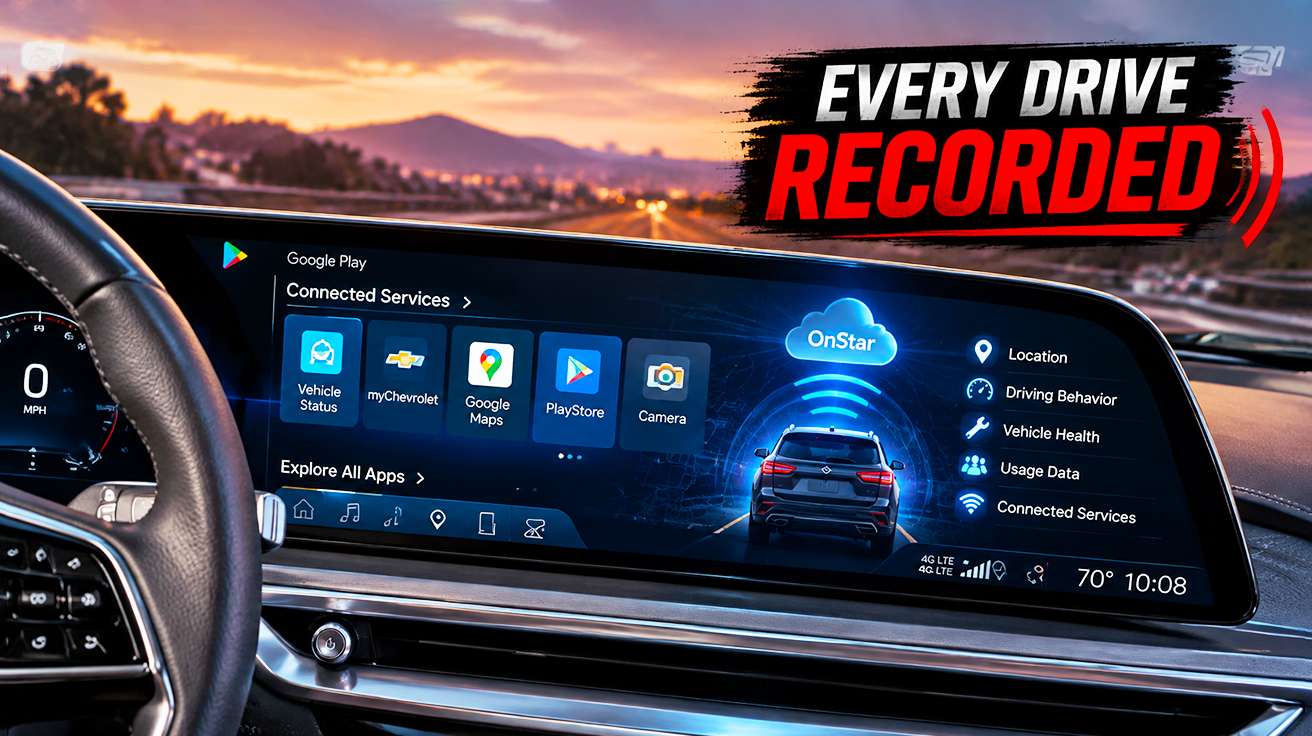
Toyota’s Data Communication Modules collect location and driving data from the moment a vehicle leaves the lot. General Motors now voids warranty coverage if owners skip over-the-air software updates for more than 45 days. The digital tether between driver and manufacturer grows tighter each model year, turning every commute into a data harvest. Automakers track speed, braking events, route history, and even voice commands. This guide reveals which fuses cut the telematics cord in popular models—and exposes the corporate campaigns pushing constant connectivity. Reclaiming the open road starts with understanding what’s broadcasting from under the hood.
1. Toyota Data Communication Module (DCM) and Telematics Fuse

Pulling a single fuse stops Toyota’s embedded modem from transmitting location and trip data.
Toyota’s Connected Services use the Data Communication Module—an in-vehicle modem with a built-in SIM card—to enable remote functions and transmit vehicle information. It reports location, trip summaries, driving events like harsh braking or speeding, and vehicle health diagnostics. The DCM operates by default on most models, collecting this data unless owners explicitly opt out or cancel the associated services. Vehicles manufactured after September 2023 may ship in “Privacy Mode” until services are activated, but earlier models begin transmission immediately.
The DCM draws power through a dedicated fuse, typically a 7.5A unit labeled DCM or DCM/Mayday, located in an interior or dash fuse box. Removing this fuse cuts power to the module entirely, disabling Connected Services and data transmission while leaving the vehicle fully drivable. Essential functions—engine operation, braking, steering—remain unaffected. Toyota warns that pulling the fuse may disable Bluetooth calling, hands-free audio, and emergency SOS features. The simple action stops continuous streaming of driving data back to the manufacturer.
2. GM Over-the-Air Software Update Warranty Requirement

*GM ties warranty coverage to installing OTA updates within 45 days—turning software maintenance into a legal obligation.*
General Motors introduced a warranty requirement for 2025-2026 Chevrolet, Buick, Cadillac, and GMC models that shifts responsibility onto owners. All GM-provided over-the-air software updates must be installed within 45 days of availability to the vehicle. Any damage resulting from failure to install updates within that window is excluded from limited warranty coverage. Damage caused by an OTA update itself remains covered for the applicable warranty period.
This policy transforms warranty agreements from static contracts into dynamic obligations requiring ongoing user compliance. Buyers deep in paperwork for a new Yukon might not grasp the digital strings attached to their purchase. The requirement blurs the line between owning a vehicle and licensing its continuous software operation, much like a perpetual beta test for a daily driver.
3. GM / OnStar Connected Services Data Collection
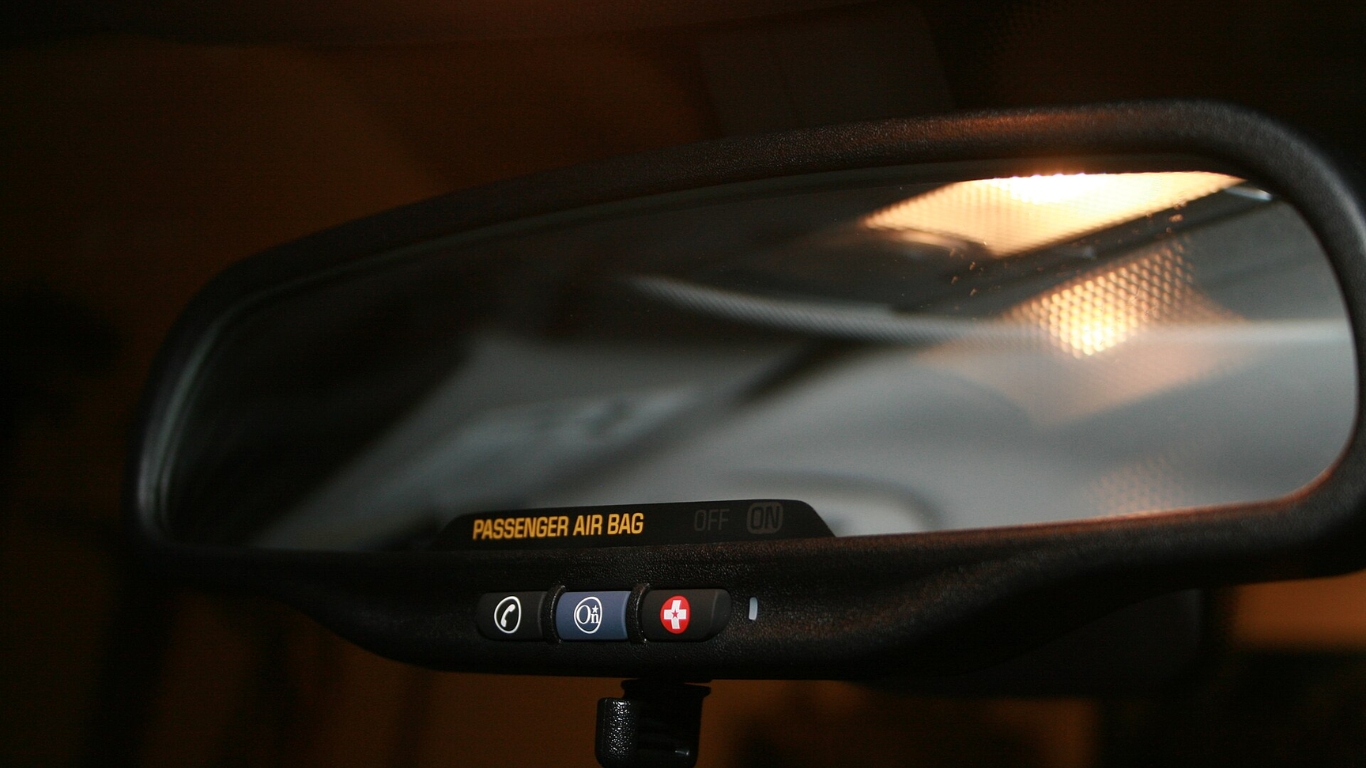
OnStar gathers everything from precise geolocation to camera images and voice command recordings.
GM’s U.S. Connected Services Privacy Statement explains that using services like OnStar triggers extensive information collection about the driver, vehicle, and vehicle use. Collected data includes:
- VIN
- Mileage
- Oil and battery status
- Fuel or charging history
- Diagnostic trouble codes
The vehicle becomes a rolling data center, recording every coffee run and forgotten turn.
Beyond basic diagnostics, GM gathers operational and safety data: precise geolocation, route history, speed, airbag deployments, braking and cornering events, and seat belt status. Audio or video information—camera images and voice command data—also gets recorded. Following FTC action, GM must now obtain affirmative express consent before collecting and selling certain geolocation and driving-behavior data. The agency requires GM to provide mechanisms for consumers to access, delete, or limit collection of some data, plus disable precise geolocation where the vehicle supports it. The constant stream feels less like a helpful co-pilot and more like a silent backseat observer logging every maneuver.
4. 2021 Kia Telluride Telematics / Kia Connect (TMU)

Kia’s embedded TMU requires professional deactivation—a simple fuse pull won’t work.
The 2021 Kia Telluride on many trims comes equipped with a Telematics Mobile Unit—an embedded modem enabling Kia Connect services such as remote start, remote lock/unlock, vehicle status, and location-based features. This system actively gathers personal information and vehicle data, including precise location and driving habits, transforming highway miles into digital breadcrumbs. Combing through infotainment privacy menus reveals no simple shut-off toggle.
Kia’s policy states that stopping data collection through Kia Connect requires a technician to deactivate or uninstall the hardware. The TMU integrates directly into the head unit rather than operating as a standalone module. Attempting an indiscriminate fuse pull risks disrupting other critical functions tied to the infotainment system—navigation, audio, climate controls—without successfully severing the telematics connection. Professional intervention becomes necessary where other manufacturers allow a DIY approach.
5. 2025 Chevrolet Traverse Telematics Fuse (F8)
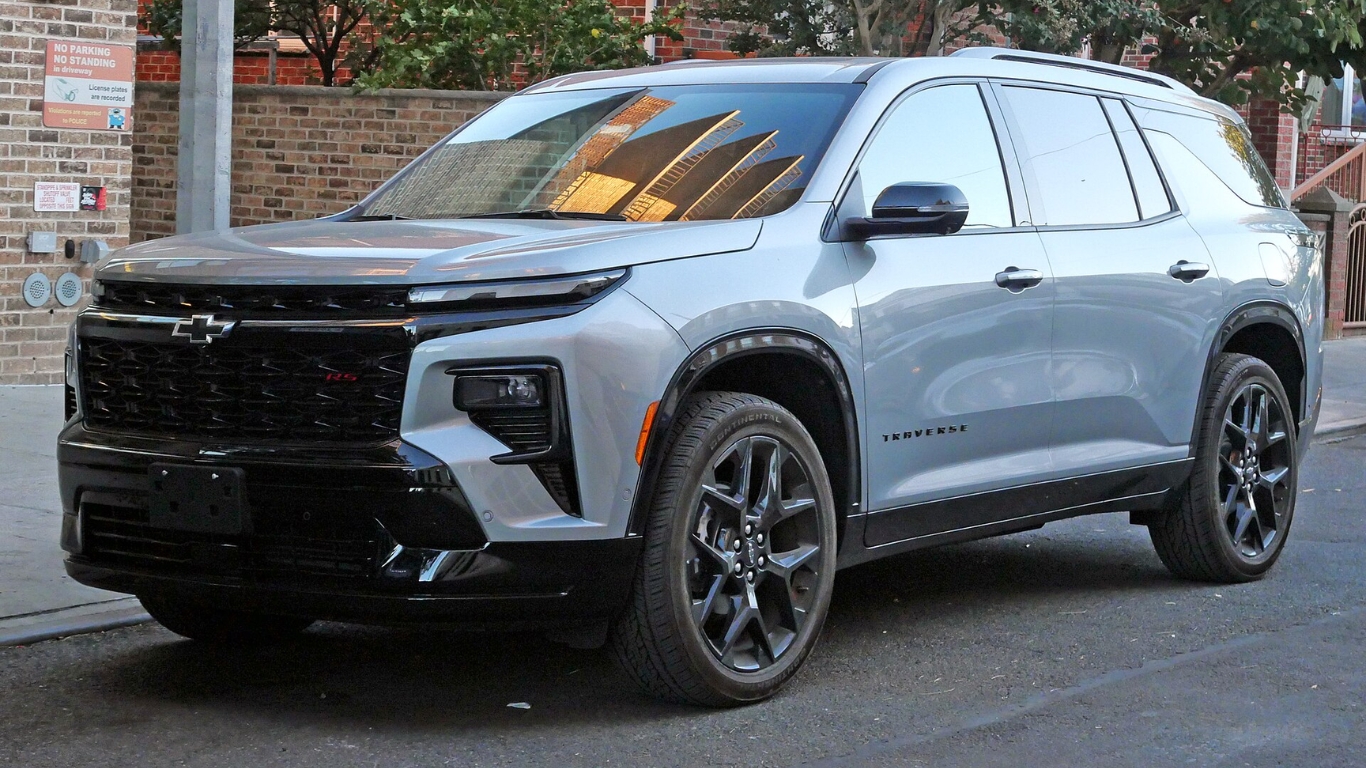
Fuse F8 in the passenger-compartment box cuts OnStar connectivity while keeping the Traverse drivable.
The 2025 Chevrolet Traverse owner manual directs readers to a passenger-compartment fuse box located near the center console on the passenger side. Fuse F8 carries the label “TELEMATICS.” Pulling this fuse immediately cuts power to the Telematics Communication Platform, silencing OnStar connectivity and data transmission. Essential vehicle functions—engine operation, transmission, braking, steering—remain intact.
The dashboard will display a “Service emergency calling” message after F8 removal. The alert persists even after restarting, acknowledging the loss of emergency calling capability and telematics connectivity. Some owners dismiss the notification and continue driving normally. Others find the persistent warning annoying on long trips. Either way, the Traverse operates without its digital tether, though emergency services lose the ability to automatically receive crash notifications.
6. Cadillac Lyriq (EV) Telematics Fuse (TCP / OnStar, F37)
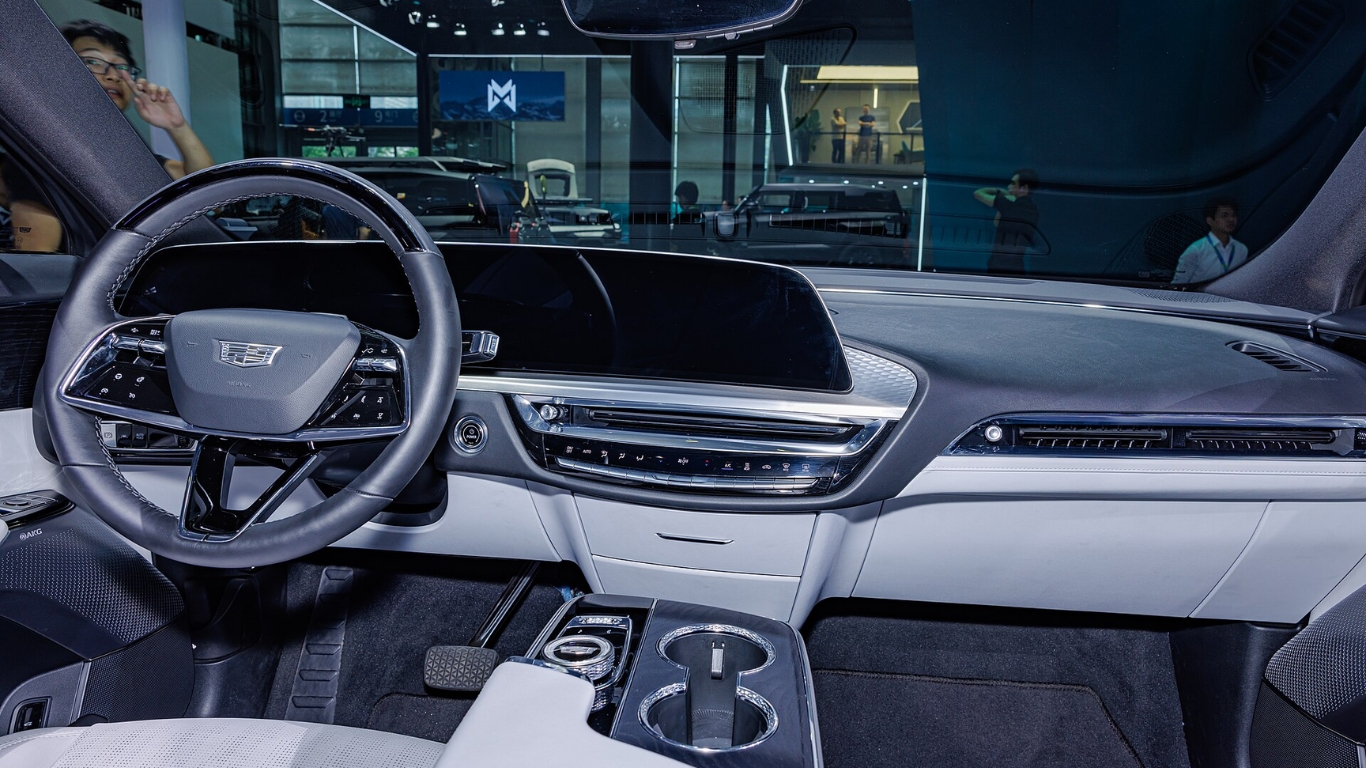
Fuse F37 under the hood powers the Lyriq’s OnStar module—removal triggers warnings but preserves driving functionality.
The Cadillac Lyriq battery-electric SUV includes an under-hood fuse block accessible by removing a fastener and unclipping the cover. Fuse F37 is labeled “TCP (OnStar) – Telematics Communication Platform,” distinct from core propulsion and safety systems. Separate fuses power the Virtual Cockpit Unit and electric drive components. Removing F37 cuts power to OnStar/telemetry while leaving the electric drive system and main functions operational.
A “Service emergency calling” warning appears on the dashboard after F37 removal, reflecting loss of emergency calling and telematics connectivity. The Lyriq remains fully drivable. GM service documentation emphasizes keeping telematics software updated for connected services, but the fuse provides a physical disconnection point. Interior cameras integrated into driver-monitoring systems remain powered through separate circuits, so pulling F37 alone does not disable visual data collection from driver-attention features.