The Chevrolet Suburban, a nameplate in continuous production since 1935, offers a masterclass in automotive evolution. Tracking a model’s generations reveals far more than refreshed sheet metal—it exposes true engineering shifts and the moments brands either nailed it or fell flat. Icons like the Toyota Crown, now in its 16th generation, adapted through decades while others stumbled. This guide cuts through the marketing noise to show which vehicles genuinely reinvented themselves, because often a manufacturer’s “new generation” is little more than a heavy facelift with fresh badges.
1. Benz Patent-Motorwagen
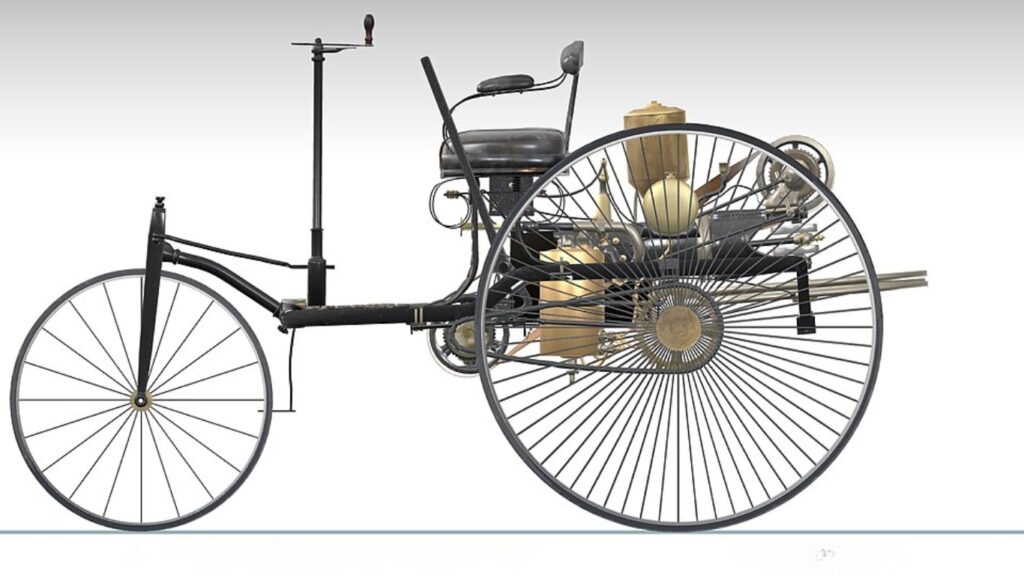
The original automobile that started it all—patented 1886, 0.75 hp, and absolutely revolutionary.
Patented in 1886 under Deutsches Reich Patent No. 37435, the Benz Patent-Motorwagen landed like a meteor in a world powered by hay. Karl Benz’s creation, a three-wheeled machine with a tubular steel frame and tiller steering, housed a single-cylinder four-stroke engine of about 954 cc, producing roughly 0.75 hp. This output propelled it to speeds around 16 km/h (10 mph). The sight of it trundling down a cobbled street must have felt like watching the future arrive uninvited.
Bertha Benz’s audacious 1888 long-distance drive in this vehicle, often hailed as the first road trip, quieted skeptics and proved its viability. She covered roughly 180 kilometers between Mannheim and Pforzheim, solving mechanical issues along the way and purchasing ligroin fuel from a pharmacy. Her journey cemented the Motorwagen’s status as the world’s original proto-hot rod, proving that the open road was now available to anyone with the urge to simply go.
2. Chevrolet Suburban
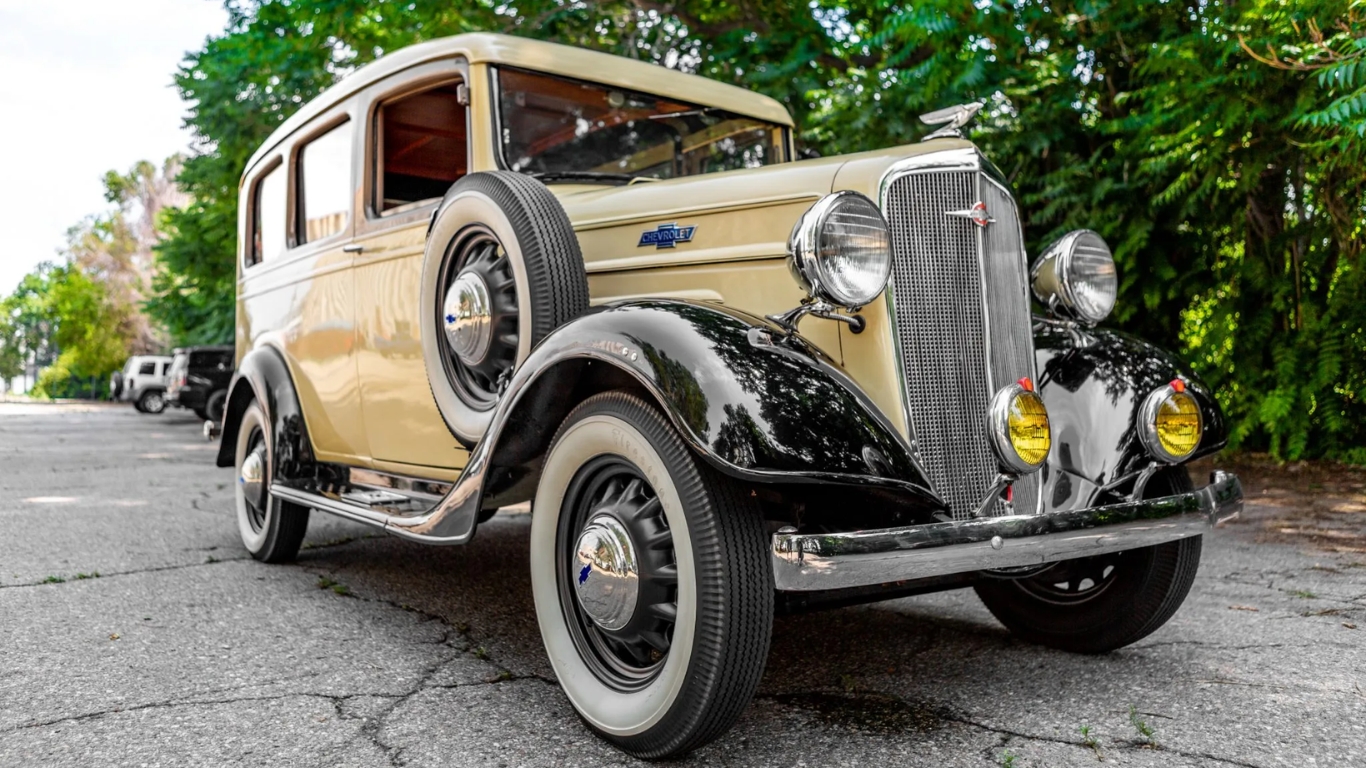
Twelve generations since 1935 make this the world’s longest-running automotive nameplate.
The Chevrolet Suburban holds the undisputed title of the longest-running automotive nameplate globally, in continuous production since the 1935 model year. This steadfast vehicle has seen 12 distinct generations, with the latest iteration launching for the 2021 model year. Its original 1935 Carryall model, built on a half-ton truck chassis, provided seating for up to eight passengers. The Suburban’s sheer staying power is a testament to its consistent utility, adapting to driver needs across the decades.
This rolling fortress has continually evolved, integrating powerful V8 engines and offering four-wheel drive options by the 1950s. It gained an independent front suspension in the 1960s, a vital upgrade for ride comfort. The 1973–1991 generation introduced the first practical four-door body style, lasting roughly 19 years—one of the longest single generations in automotive history. The Suburban remains an unsung hero of countless family road trips, proving its adaptability and enduring appeal.
3. Toyota Crown
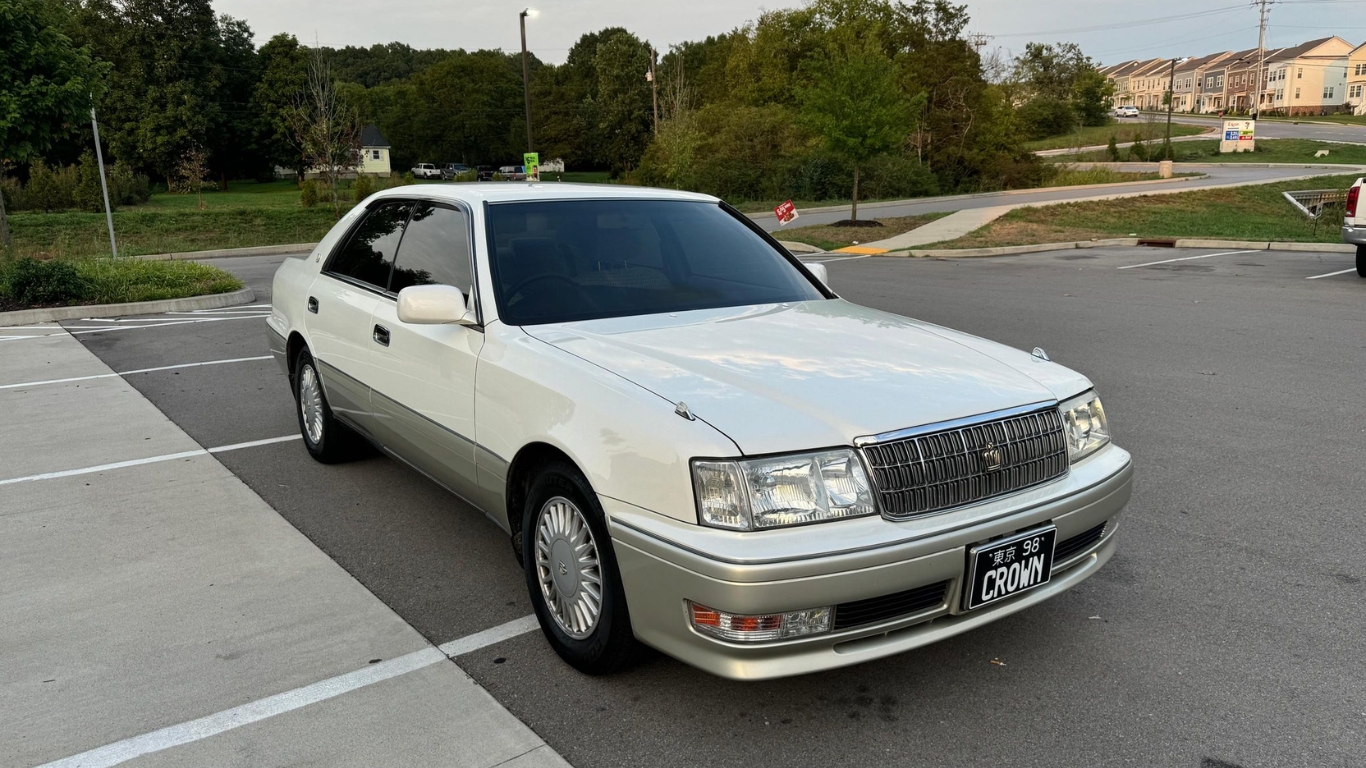
From a 48-hp sedan to a four-body global sub-brand across 16 generations.
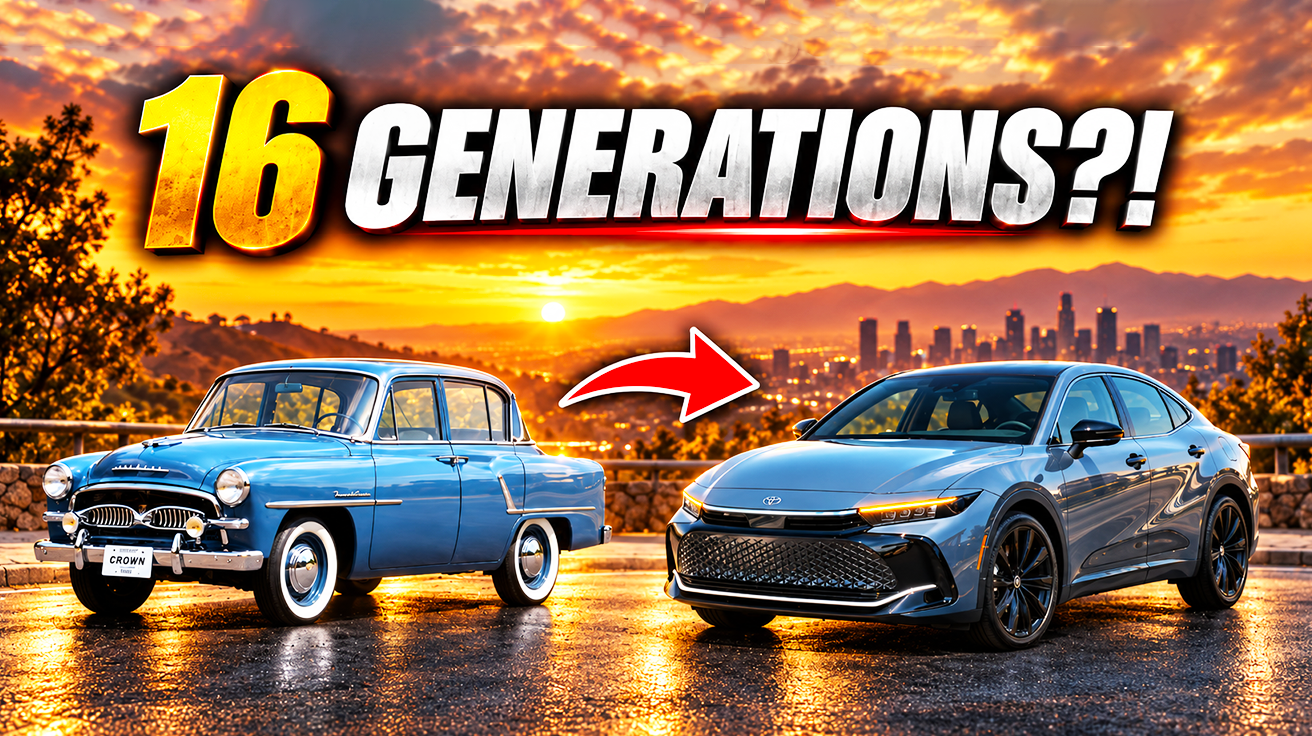
First introduced in 1955, the Toyopet Crown started with a modest 1.5-liter OHV inline-four engine, producing around 48 hp with a three-speed manual and column shift. For decades, it remained a Japan-market staple, serving as taxis, corporate fleet vehicles, and personal luxury sedans. Toyota re-engineered its strategy with the 16th generation, unveiled in July 2022.
Now a multi-body global sub-brand, it offers Crossover, Sport, Sedan, and Estate variants, with sales planned in around 40 countries. Hybrid powertrains, including a potent 2.4-liter turbo hybrid “Hybrid Max” system delivering around 340 hp, provide muscle. Driving Malibu canyon roads, spotting a Crown Sport feels as improbable as nailing a perfect apex on a blind corner. This dramatically pivots Toyota’s global strategy, transforming a domestic icon into a worldwide contender.
4. Ford F-Series
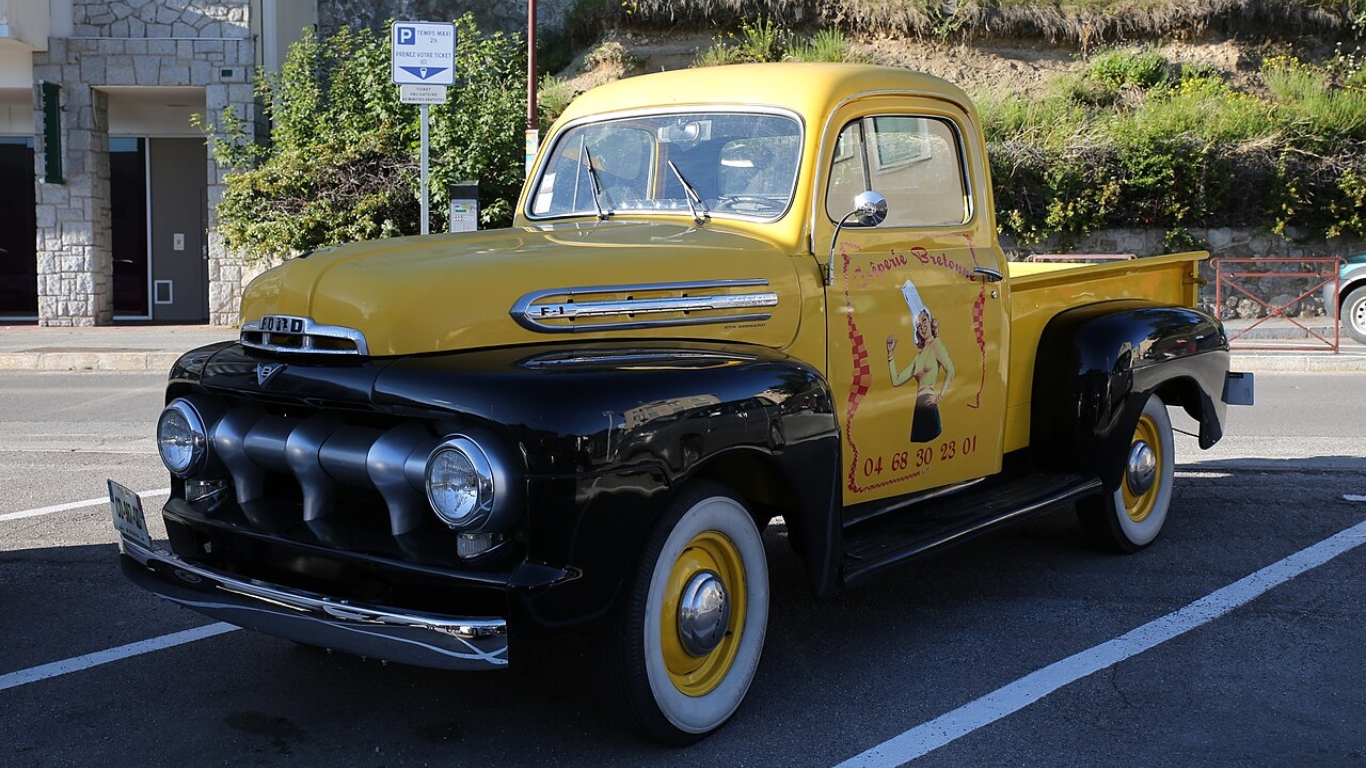
From 1948’s F-1 through today’s F-150, North America’s best-selling vehicle line.
The Ford F-Series consistently ranks as North America’s best-selling vehicle line, operating like the steadfast road crew keeping highways open. Introduced for the 1948 model year, its original F-1 through F-8 series offered solutions, from half-ton to heavy-duty. This established a benchmark other manufacturers spent decades trying to match.
The 1953 second generation reclassified the lineup: F-1 became F-100, F-2/F-3 merged into F-250, and F-4 became F-350. The F-150 nameplate, introduced in 1975, anchored the light-duty segment and eventually became Ford’s core pickup. From 1999 onward, the Super Duty line (F-250 and above) provided specialized power for heavy towing. Ford’s strategic evolution ensures a precise tool for every task, like a mechanic’s perfectly organized toolbox.
5. Ford F-250 Super Duty
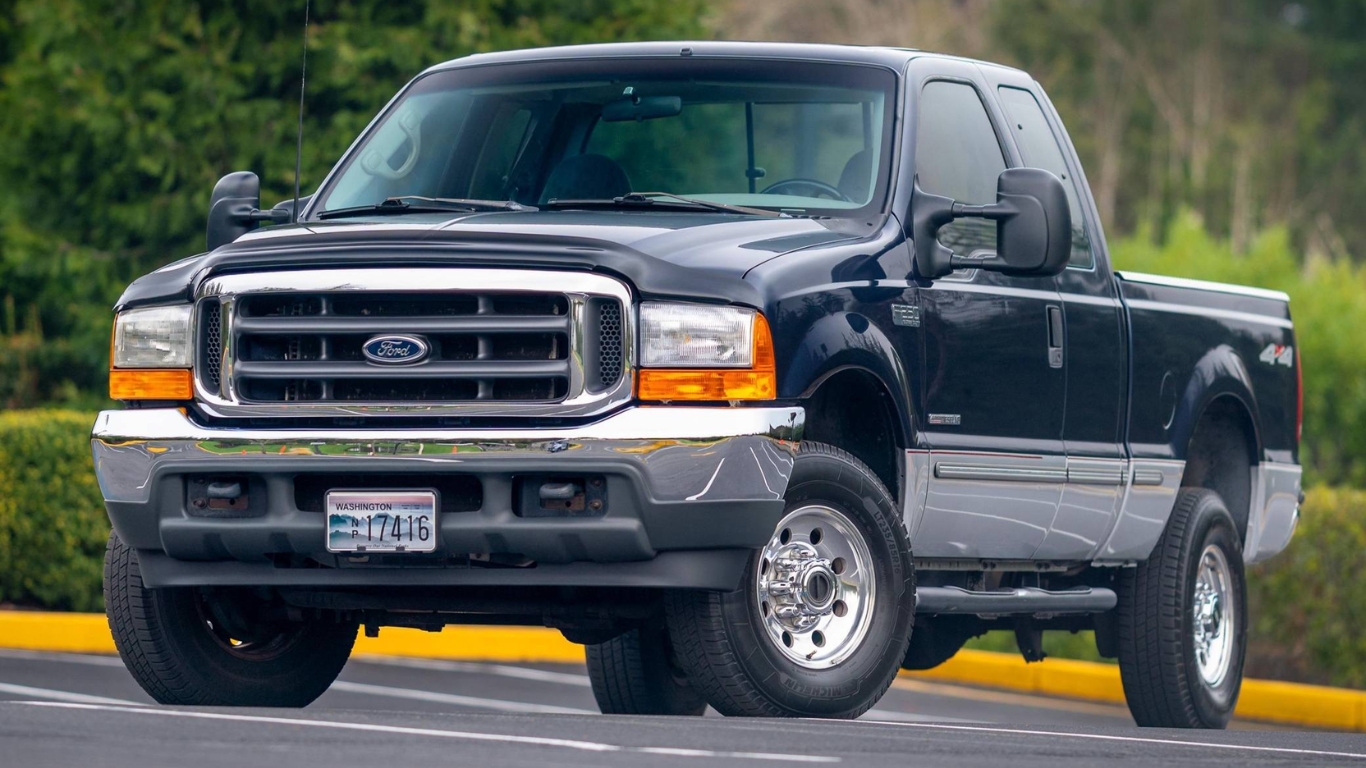
Heavy-duty platform separated from F-150 in 1999, now towing over 20,000 lb.
The 1953 second generation F-Series is where the F-250 name first took root, designating a formidable three-quarter-ton truck. When the modern Ford F-250 Super Duty line debuted for the 1999 model year, starting production in January 1998, it wasn’t just another F-series trim. Ford had forged a dedicated heavy-duty platform. This separation from the lighter F-150 created a true titan, built with upgraded frames, suspensions, and powertrains designed to tow and haul with unwavering resolve.
Subsequent Super Duty generations continuously sharpened its teeth, bringing stronger Power Stroke diesel V8s and new gas V8 engines. These upgrades pushed towing ratings past 20,000 lb in later models. Hook up a gooseneck trailer loaded for a cross-country haul, and the F-250 handles it like a veteran freight train. This truck solidifies its role as the ultimate workhorse, built for those who need capability without compromise.
6. Chrysler New Yorker

Fourteen generations from 1939–1996 charted Chrysler’s tumultuous evolution.
Few American automotive nameplates endured over half a century, but the Chrysler New Yorker, produced from 1939–1996, did. This car acted as Chrysler’s chameleon, adapting through 14 product generations across 56–58 years. It started as a stately sedan, then adopted flamboyant “Forward Look” designs in the late 1950s, complete with tailfins and chrome that could blind oncoming traffic.
The New Yorker eventually swelled into malaise-era barges during the 1970s, then downsized to front-wheel-drive on the K-car and later LH platforms in the 1980s–1990s. Production ended in 1996, with the Chrysler LHS often cited as its spiritual successor. The New Yorker’s shifting identity reflects Chrysler’s own turbulent evolution, adapting to changing markets while trying to maintain its premium positioning.
7. Nissan Skyline
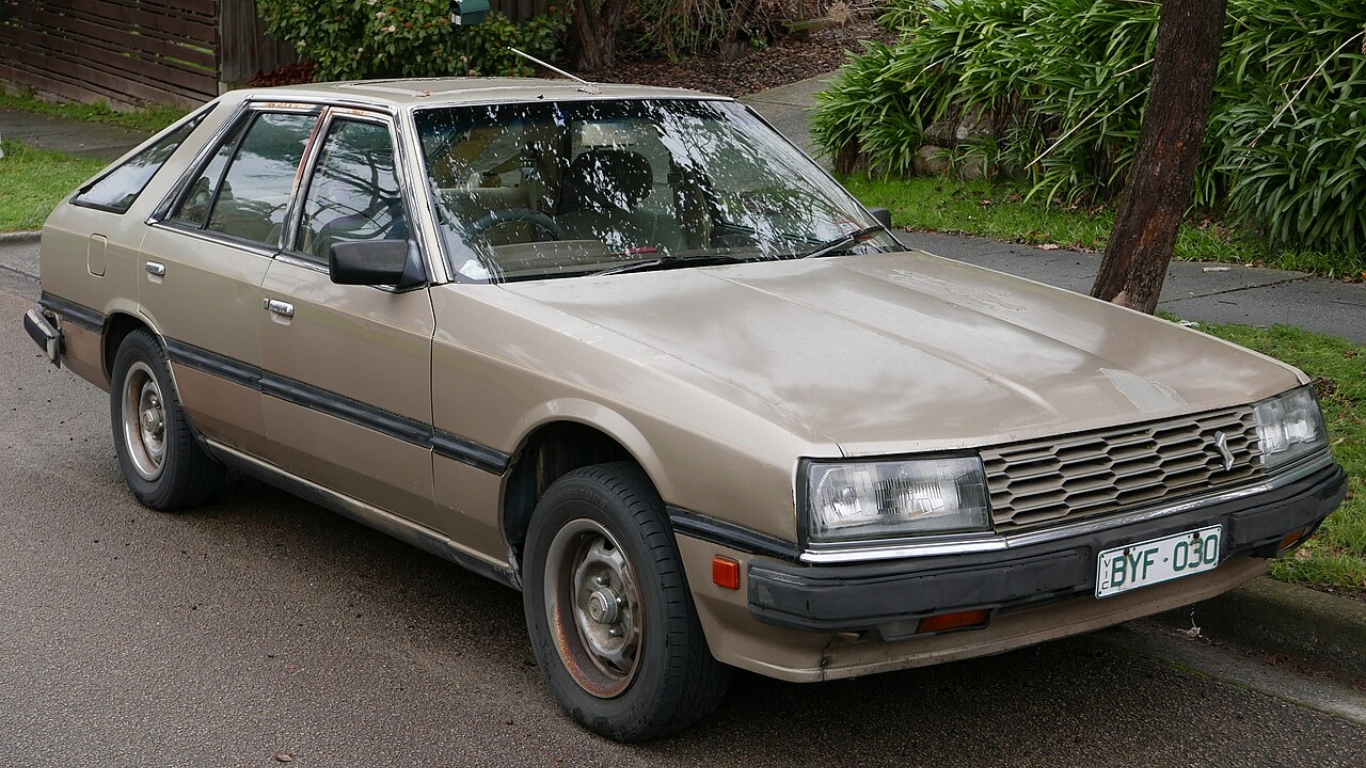
Thirteen generations from Prince’s 1957 ALSI to today’s V37, including iconic GT-Rs.
The Nissan Skyline nameplate, introduced by Prince Motor Company in 1957, encompasses far more than its legendary GT-R variants. After Prince’s merger with Nissan in 1966, this lineage continued for 13 generations, evolving from the original ALSI (1957–1963) to the current V37 (2014–present). This isn’t just a car; it delivers across the spectrum from practical sedan to track weapon. The C10 “Hakosuka” (1968–1972) introduced the first GT-R, boasting an S20 2.0-liter DOHC inline-six that achieved dozens of racing victories.
Later GT-R models (R32, R33, R34) with turbocharged RB-series inline-six engines and advanced all-wheel drive defined performance icons, earning the “Godzilla” reputation. Later generations (V35, V36, V37) shifted the Skyline toward a more luxurious, global premium sports sedan role, with links to Infiniti models in export markets. Its evolution through these generations feels like watching a carefully aged Japanese whisky develop complexity while maintaining its essential character.
8. Nissan Skyline R30 Paul Newman Edition
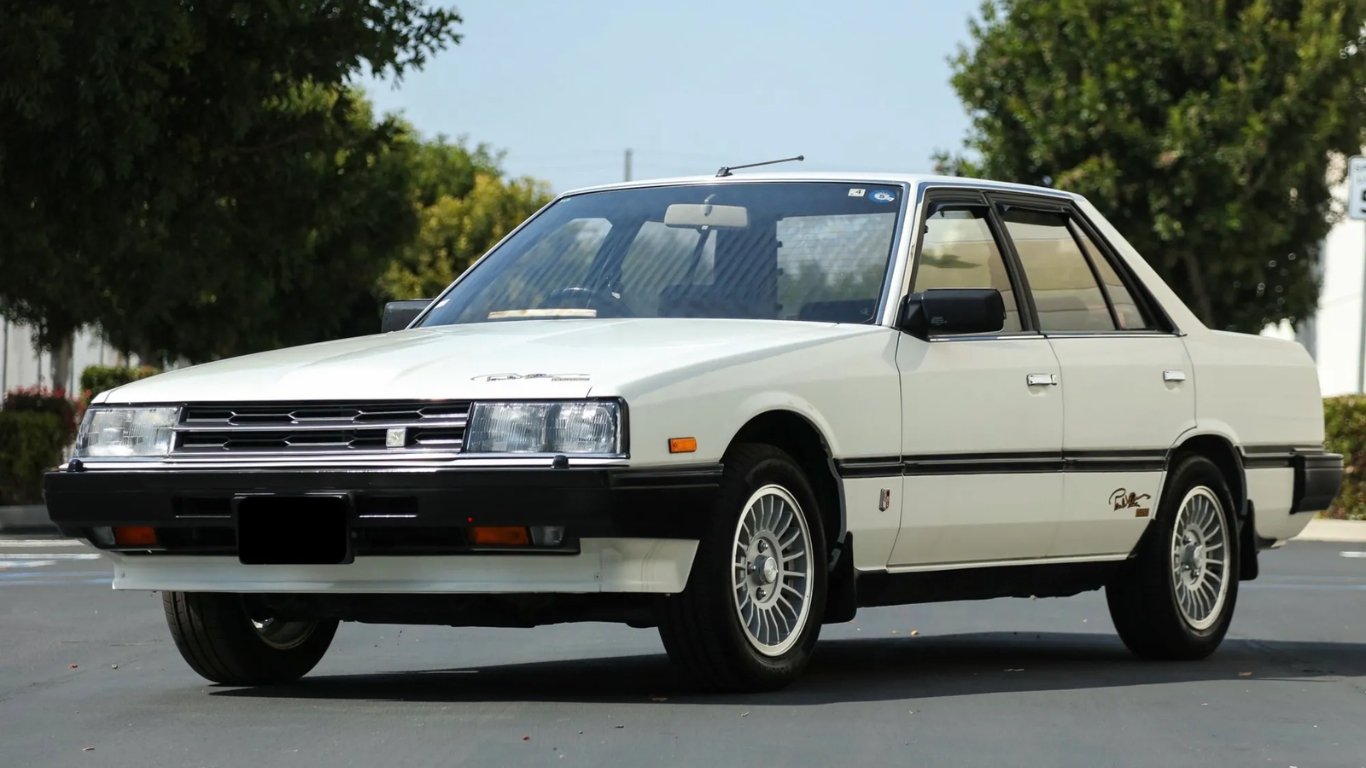
Hollywood racing royalty met Japanese engineering in this rare 1980s special edition.
Cruising Japanese streets in the early 1980s, spotting a Nissan Skyline R30 carrying Hollywood royalty meant encountering something special. This Paul Newman Edition honored the actor’s deep ties to Nissan’s motorsport activities in Japan. It was based on performance R30 trims like the 2000GT or turbo variants, with unique badging, color schemes, and interior trim referencing his racing persona.
For collectors, owning one is like finding a rare vinyl pressing that bridges two worlds. This model became a foundational blueprint for celebrity-branded vehicles, proving a star’s name could elevate a car into a cultural statement. A racing hero’s endorsement added undeniable gravitas, cementing its distinct place in automotive branding history while becoming sought-after among Skyline enthusiasts today.
9. Nissan Silvia
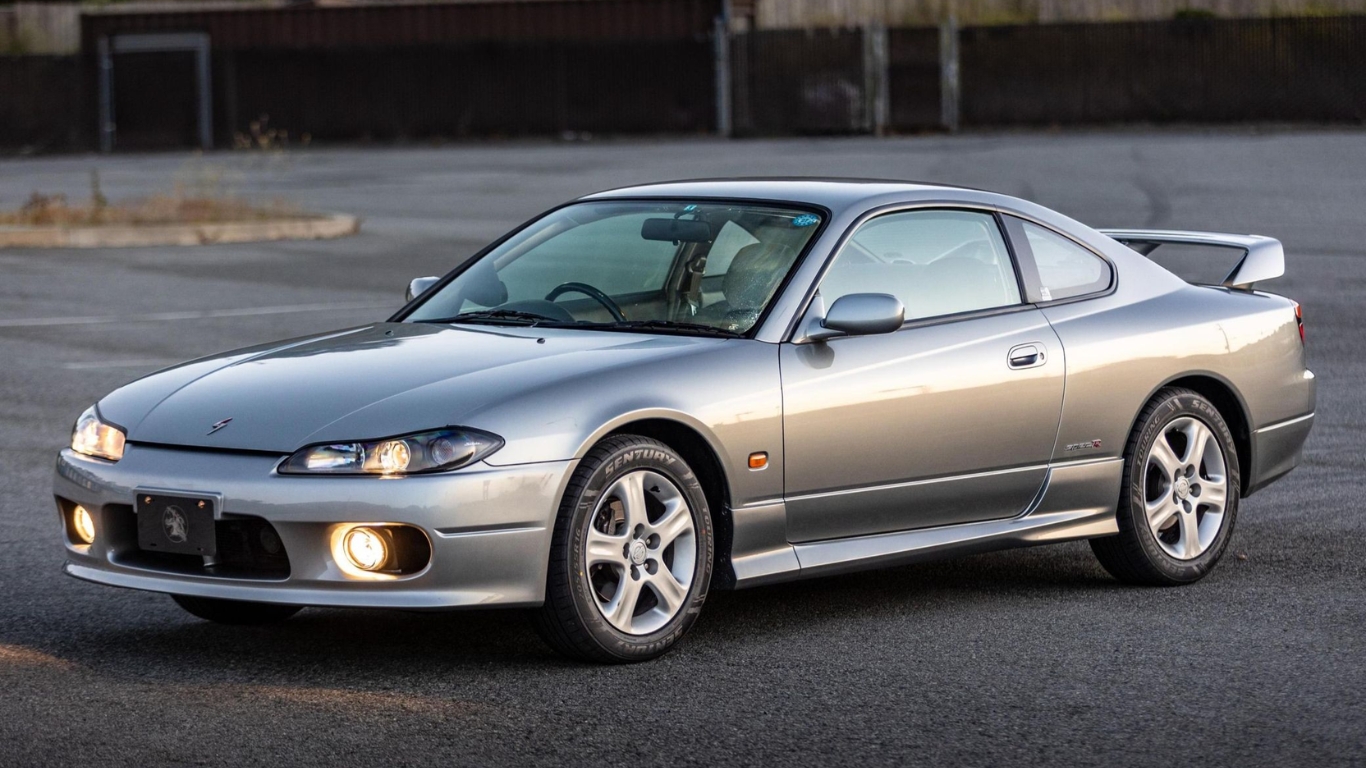
Six rear-wheel-drive generations made this the accessible drift and tuning icon.
The Nissan Silvia consistently delivered rear-wheel-drive thrills across six generations (often counted as S10, S110, S12, S13, S14, S15), a testament to purposeful engineering. Its balanced chassis, especially from the S13 to S15 models, combined with turbocharged four-cylinder engines like the SR20DET, created a platform begging for enthusiast modifications. Local track days and early YouTube drift videos showcased drivers flicking the tail out with precision, pushing limits that felt more accessible than exotic.
This combination made the Silvia an immediate favorite for drifting and tuning, allowing enthusiasts to unlock its raw potential without breaking the bank. Earlier Silvias had conceptual and mechanical links to the Skyline family, being marketed as smaller sporty coupes and sharing some drivetrain elements—hence the “baby Skyline” characterization in enthusiast circles. The Silvia’s mechanical honesty solidified its lasting legacy in car culture as a benchmark for accessible performance.
10. Mitsubishi Lancer Evolution

Ten turbocharged generations from 1992–2016 dominated rallying and tuner culture.
Why did the Mitsubishi Lancer Evolution become a legend that still haunts the dreams of rally fans and video game enthusiasts alike? From 1992–2016, this machine was a road-legal homologation special born to dominate the World Rally Championship. Across its ten generations (Evo I–X according to Mitsubishi’s naming), the early models consistently deployed a turbocharged 2.0-liter 4G63 inline-four engine with all-wheel drive, offering raw mechanical grip and immediate response.
As it evolved, the Evo integrated sophisticated AWD systems like Active Yaw Control and Super AYC, along with improved aerodynamics. The Evo IX’s 4G63 delivered around 286–300 hp in many markets, transforming rally stages into its personal playground. The final Evo X (2007–2016) introduced a new platform and the 2.0-liter turbocharged 4B11 engine, along with modern electronics and dual-clutch SST transmission options. Production ended in 2016 with the “Final Edition,” marking the end of an era that proved rally-bred engineering could thrive on public roads.
11. Nissan Cedric
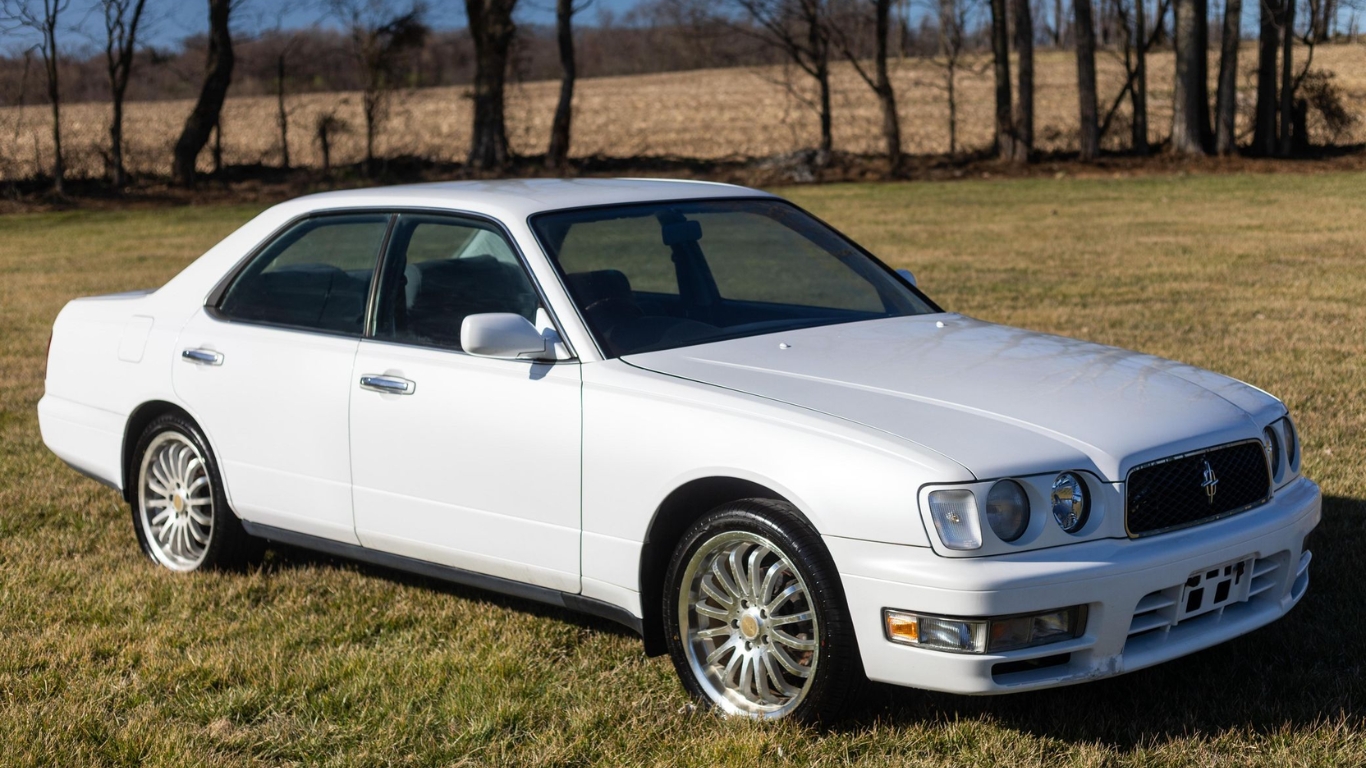
From 1960–2004, Japan’s executive sedan served as taxi, limousine, and corporate transport.
Produced from 1960–2004, the Nissan Cedric stood as a pillar of Japanese automotive luxury, positioned squarely as a premium executive sedan for the domestic market. This wasn’t a car designed for breaking lap records, but for soaking up miles with quiet competence. It often shared its underpinnings with sister models such as the Nissan Gloria, benefiting from shared engineering resources starting in the early 1970s.
Later generations offered sophisticated six-cylinder engines, including both inline-six and V6 configurations, driving the rear wheels with some variants also offering all-wheel drive. The Cedric commonly served faithfully as taxis, limousines, and chauffeur-driven corporate transport. Its ubiquity in these roles solidified its image as a dependable symbol of Japanese business and public service. Nissan eventually retired the Cedric nameplate in the mid-2000s, with models like the Fuga and its Infiniti M counterpart stepping into its refined shoes.
12. Pontiac Bonneville
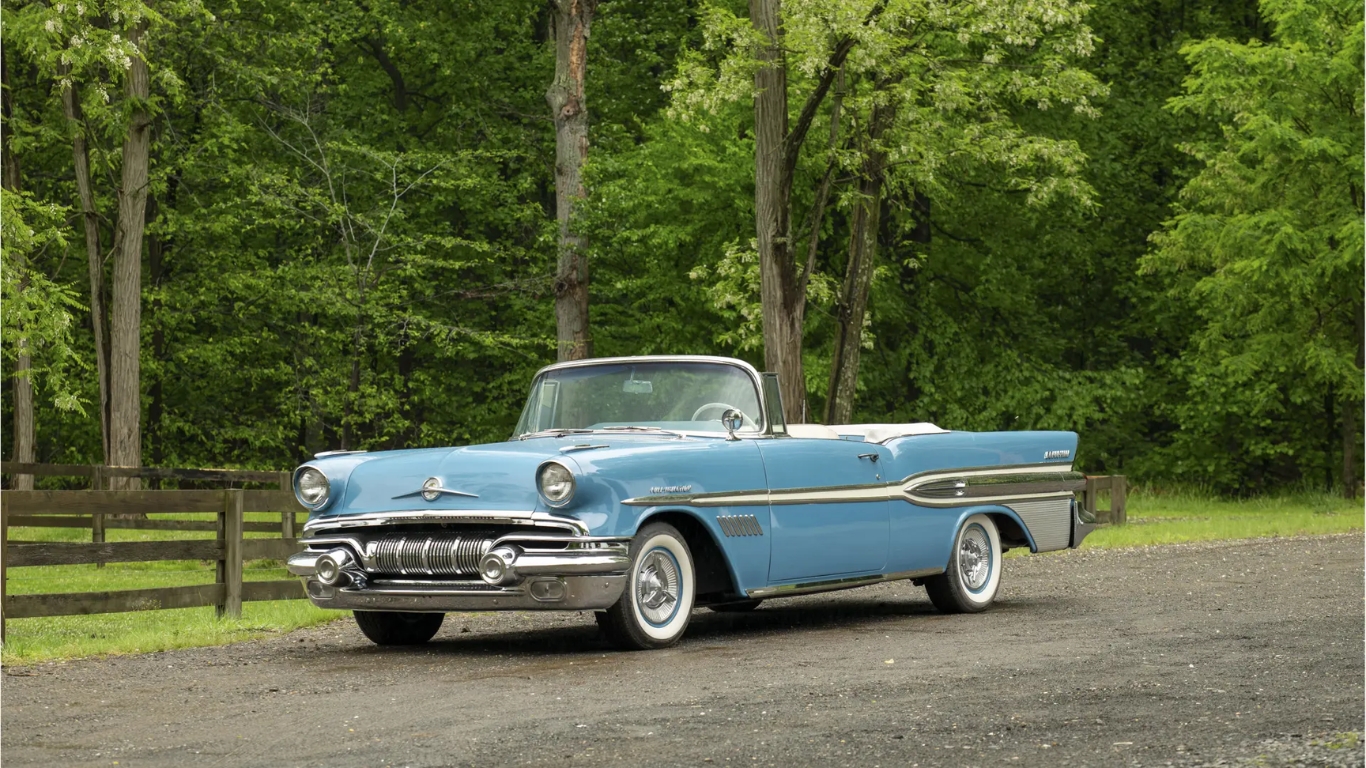
From 1957–2005, Pontiac’s flagship evolved from performance leader to competent cruiser.
The Pontiac Bonneville, produced by General Motors’ Pontiac division from 1957–2005, started life as a performance-oriented flagship. Early models frequently packed powerful V8 engines, embodying a chromed-up statement pointed squarely at the horizon. The model name originated from Bonneville Salt Flats, reflecting performance aspirations. It served as a large, comfortable presence through the 1960s and 1970s.
By the late 1970s the Bonneville downsized along with GM’s full-size platforms, adapting to shifting market demands. Later front-wheel-drive generations in the 1980s–1990s positioned Bonneville as a sporty full-size sedan, some with supercharged 3800 Series II V6 engines offering competent highway cruising. Anyone who’s taken a long drive in a quiet, powerful sedan knows that kind of comfortable competence. The nameplate was discontinued after the 2005 model year as Pontiac itself neared its end.
13. Audi A4 (B6 vs B7 Generation Distinction)
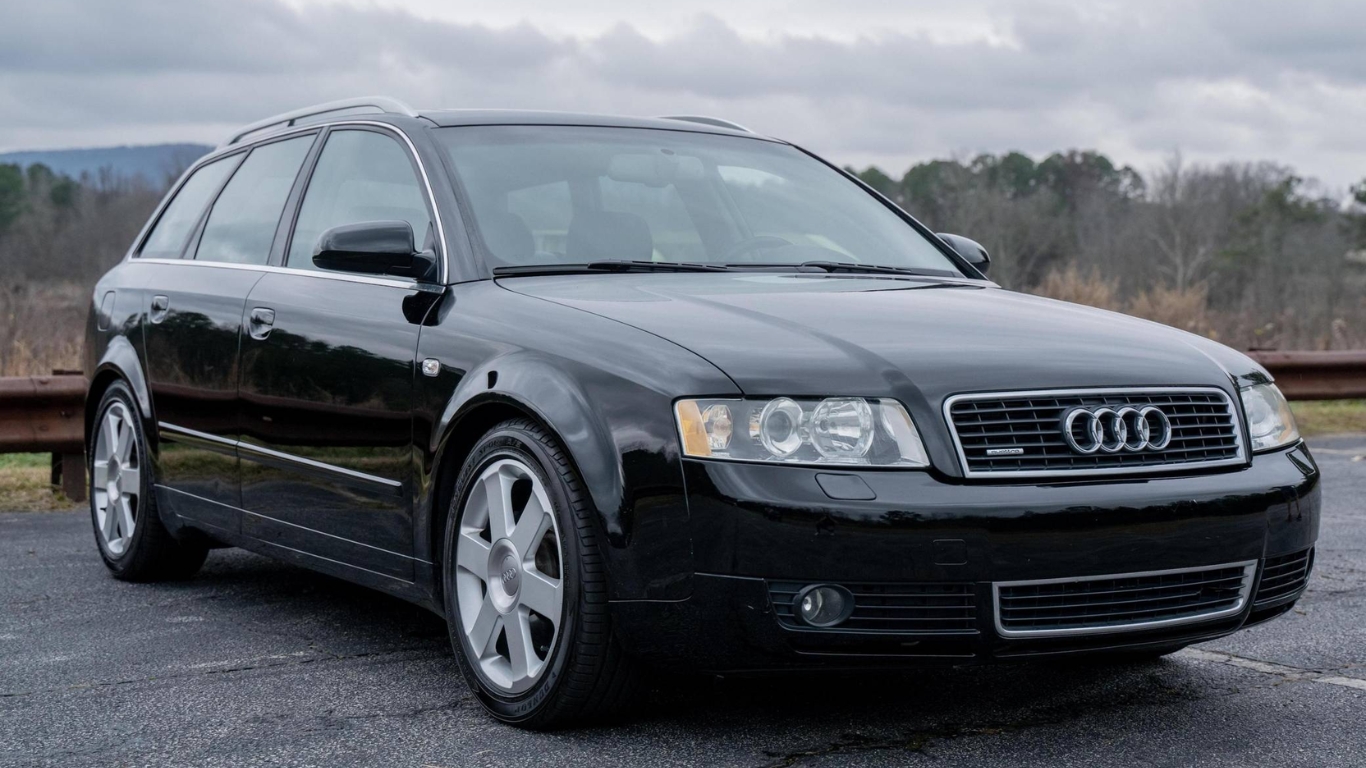
Shared platforms blur the line between true redesign and heavy facelift.
Looking at an Audi A4 produced around 2004 and another from 2008 raises questions about what truly constitutes a new generation. The B6 ran roughly from 2000–2004, succeeded by the B7 from 2004–2008. Enthusiasts often debated whether the B7 was a true successor or a facelift, as both shared the PL46 platform. The underlying architecture and many hard points remained similar, though Audi revised suspension tuning and safety structures.
Despite shared underpinnings, Audi officially designated the B7 as a new generation. This came from substantial styling changes, like the distinctive single-frame grille, new bumpers, and updated lights. Revised engines, like the more potent 2.0 TFSI and 3.2 FSI units, delivered different driving dynamics along with interior tweaks. The B7 illustrates how manufacturer classifications can affect “generation” counting even when platforms are shared, serving as a reminder that marketing definitions don’t always align with mechanical reality.
14. Land Rover (Generational Definition Debate)
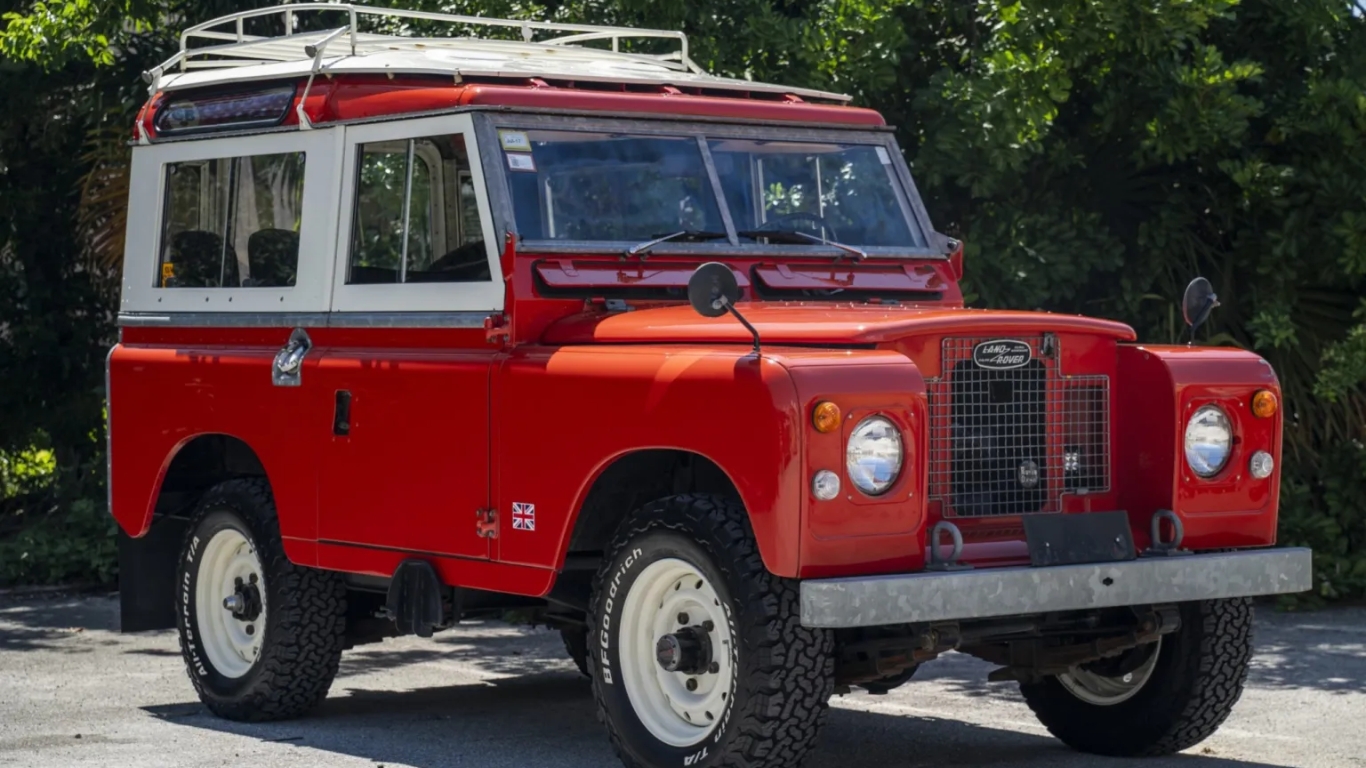
Major mid-cycle mechanical changes labeled as facelifts blur generational boundaries.
Pinpointing car generations feels like trying to classify a constantly evolving organism, especially when automakers redefine the rules. The expectation is that a new generation means a fresh platform and complete mechanical overhaul. Land Rover, however, has sometimes made major mechanical changes during what it labels as facelifts, blurring distinctions and transforming a model year update into a stealth redesign.
Some Land Rover models have received significant chassis or drivetrain updates mid-cycle—such as changes to engines, suspension setups, or electronic systems—while maintaining similar exterior forms. The brand’s long-running nameplates (Range Rover from the 1970s onward) have multiple generations and substantial mid-cycle revisions, serving as examples for debates about what constitutes a separate “generation” versus a facelift. These deep revisions create a unique classification challenge, making lineage definition a true enthusiast’s puzzle.
15. Fengon 580

China’s rapid model cycles and multiple facelifts keep this budget crossover fresh.
China’s automotive landscape shifts constantly, rolling out fresh models at breakneck speed. The Fengon 580 (also known as Dongfeng Fengguang or Glory 580 in some markets), a mid-size crossover SUV from Dongfeng Sokon (DFS), embodies this relentless pace. It targets budget-conscious families, offering up to 7 seats for daily commutes or weekend outings. Power comes from a practical 1.5-liter turbocharged four-cylinder engine, usually coupled with a manual or CVT transmission, delivering front-wheel drive.
These rapid updates, including multiple facelifts and “second generation” revisions introduced around 2019–2021, ensure the 580 keeps pace with China’s competitive market. Modern exterior styling, larger touchscreens, and expanded active safety features arrive in waves. Anyone who has navigated rush hour with a backseat full of kids knows the value of a responsive infotainment system making a long drive feel less like a survival challenge. This DFS product extends its reach globally, often rebadged for export, proving that utility when consistently updated will always find its road.